

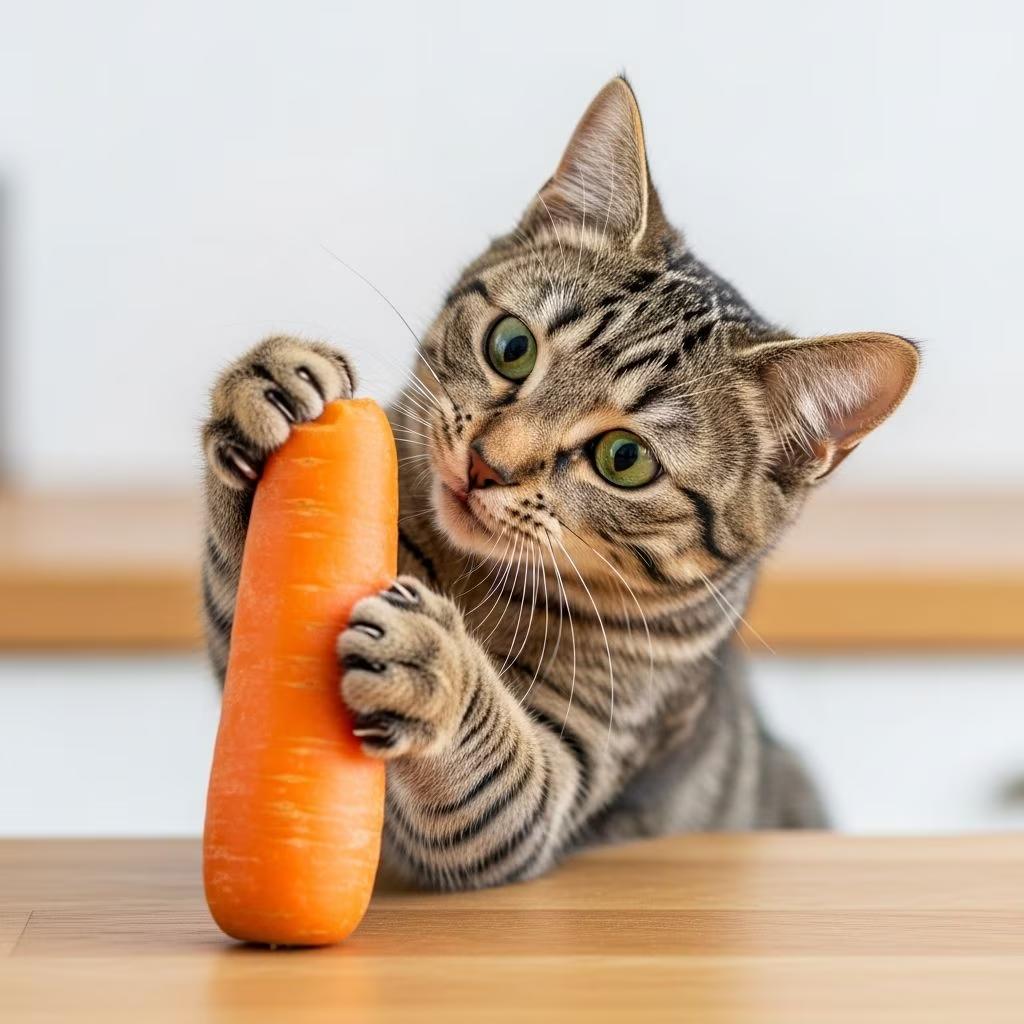
Cats can safely eat carrots in small, properly prepared amounts as an occasional treat, providing fiber and certain vitamins without posing toxicity risks. However, as obligate carnivores, felines derive primary nutrition from meat, making vegetables like carrots supplementary at best.
Nutritional Profile of Carrots for Feline Health
Carrots contain beta-carotene, which the body can convert to vitamin A in some species, though cats inefficiently process this nutrient from plant sources. They also supply vitamins K and E, potassium, magnesium, phosphorus, manganese, zinc, folate, and dietary fiber, supporting digestion, immune function, and overall wellness when offered sparingly.
- Beta-carotene and antioxidants: Acts as an antioxidant but offers limited vitamin A benefits for cats compared to animal-derived sources.
- Fiber content: Both soluble and insoluble types aid gut bacteria, prevent constipation, regulate blood sugar, and promote satiety for weight management.
- Minerals like potassium and magnesium: Assist muscle function, nerve health, urinary support, and bone development.
Despite these perks, carrots lack protein and taurine—essential for cats—emphasizing their role as treats, not staples. A typical carrot provides about 41 calories per 100g, with 9.6g carbs, 4.7g sugars, 2.8g fiber, and minimal fat or protein, unsuitable for meeting daily caloric needs.
Preparation Guidelines: Cooked vs. Raw Carrots
Cooked, plain carrots are the preferred form for cats, as cooking softens the texture, reducing choking hazards and improving digestibility. Raw carrots pose risks due to their hardness, potentially causing dental issues or blockages.
| Preparation Method | Pros | Cons | Recommendation |
|---|---|---|---|
| Steamed or Boiled | Soft, easy to chew; retains nutrients | None if plain | Best option |
| Raw, Thinly Sliced | Crunchy texture may appeal to some | Choking risk; hard to digest | Avoid or minimize |
| Baked in Goods (e.g., no sugar) | Palatable if plain | Often contains harmful additives | Check ingredients carefully |
Always chop into small, bite-sized pieces—no larger than a thumbnail for an average 9lb cat. Avoid seasonings, oils, garlic, onions, or sugars, which can cause toxicity or gastrointestinal upset.
Recommended Portion Sizes and Frequency
Treats should comprise no more than 10% of a cat’s daily calories to prevent nutritional imbalances. For a typical adult cat (around 200-250 calories/day), limit carrots to 20-50g daily, equivalent to a small thumb-sized piece, a few times weekly at most.
- Kittens: Avoid until digestive system matures; consult vet.
- Adults: 1-2 teaspoons cooked, diced, 2-3 times/week.
- Seniors or overweight: Useful for fiber but monitor weight.
Exceeding this risks obesity, diabetes, or digestive issues due to high natural sugars and carbs, which should stay under 3% of intake. Symptoms of overfeeding include lethargy, excessive thirst, urination, vomiting, or appetite loss.
Potential Risks and Side Effects
While non-toxic per ASPCA listings, improper feeding leads to problems. Choking from large pieces tops concerns, followed by digestive upset like diarrhea from excess fiber or sugars.
- Obesity and diabetes: Carbs contribute empty calories.
- Nutrient dilution: Replaces vital meat-based nutrition.
- Beta-carotene buildup: Rare toxicity if overconsumed, as cats poorly convert it.
- Allergies: Uncommon but watch for itching or vomiting.
Cats may ignore carrots lacking meat appeal, but forcing them disrupts balanced diets. Pumpkin offers higher fiber for constipation relief as an alternative.
Comparing Carrots to Other Cat-Safe Vegetables
| Vegetable | Fiber Level | Key Benefits | Prep Tips |
|---|---|---|---|
| Carrots | Medium | Vitamins K/E, antioxidants | Cooked, small pieces |
| Pumpkin | High | Digestion aid, low calorie | Canned plain, 1 tsp |
| Green Beans | Medium | Low carb, filling | Steamed |
| Zucchini | Low | Hydration, vitamins | Cooked, mashed |
These options complement meat-heavy diets but never substitute complete cat food formulated for obligate carnivores.
Integrating Vegetables into a Balanced Feline Diet
Quality commercial cat food meets 90-100% of needs, with treats like carrots adding variety. Wet foods mimic natural prey moisture; dry kibble suits dental health. Home-prepared additions require vet oversight to ensure taurine and protein adequacy.
Monitor weight, stool quality, energy, and coat condition post-introduction. Transition slowly over 7-10 days to avoid tummy troubles.
Frequently Asked Questions
Will carrots make my cat hyper like catnip?
No, carrots lack nepetalactone; any excitement stems from texture or novelty.
Can carrots help with cat hairballs?
Yes, fiber lubricates digestion, reducing hairball frequency alongside grooming.
Are baby carrots okay for cats?
Cooked baby carrots work if plain and tiny, but peel if possible for easier digestion.
What if my cat loves carrots too much?
Limit to prevent issues; mix with meat purees for appeal without excess.
Do wild cats eat carrots?
Rarely; they consume plant matter incidentally via prey stomachs, not directly.
Expert Tips from Veterinarians
Consult vets before dietary changes, especially for health conditions like diabetes or kidney disease. ASPCA confirms carrot roots as non-toxic, but individual tolerances vary. Prioritize AAFCO-approved foods for complete nutrition.
References
- Can Cats Eat Carrots? Here’s Everything You Need to Know — Pawlicy Advisor. 2023-05-15. https://www.pawlicy.com/blog/can-cats-eat-carrots/
- Can Cats Eat Carrots? — Cats.com. 2024-02-10. https://cats.com/can-cats-eat-carrots
- Can Cats Eat Carrots? A Guide to Safety — Purina US. 2024-08-20. https://www.purina.com/articles/cat/feeding/can-cats-eat/carrots
- Toxicity of Carrots for Cats — ASPCA (via multiple sources). 2023. https://www.aspca.org/pet-care/animal-poison-control/toxic-and-non-toxic-plants/carrot
- Can Cats Eat Carrots? — Rover.com. 2023-11-05. https://www.rover.com/blog/can-cats-eat-carrots/



