

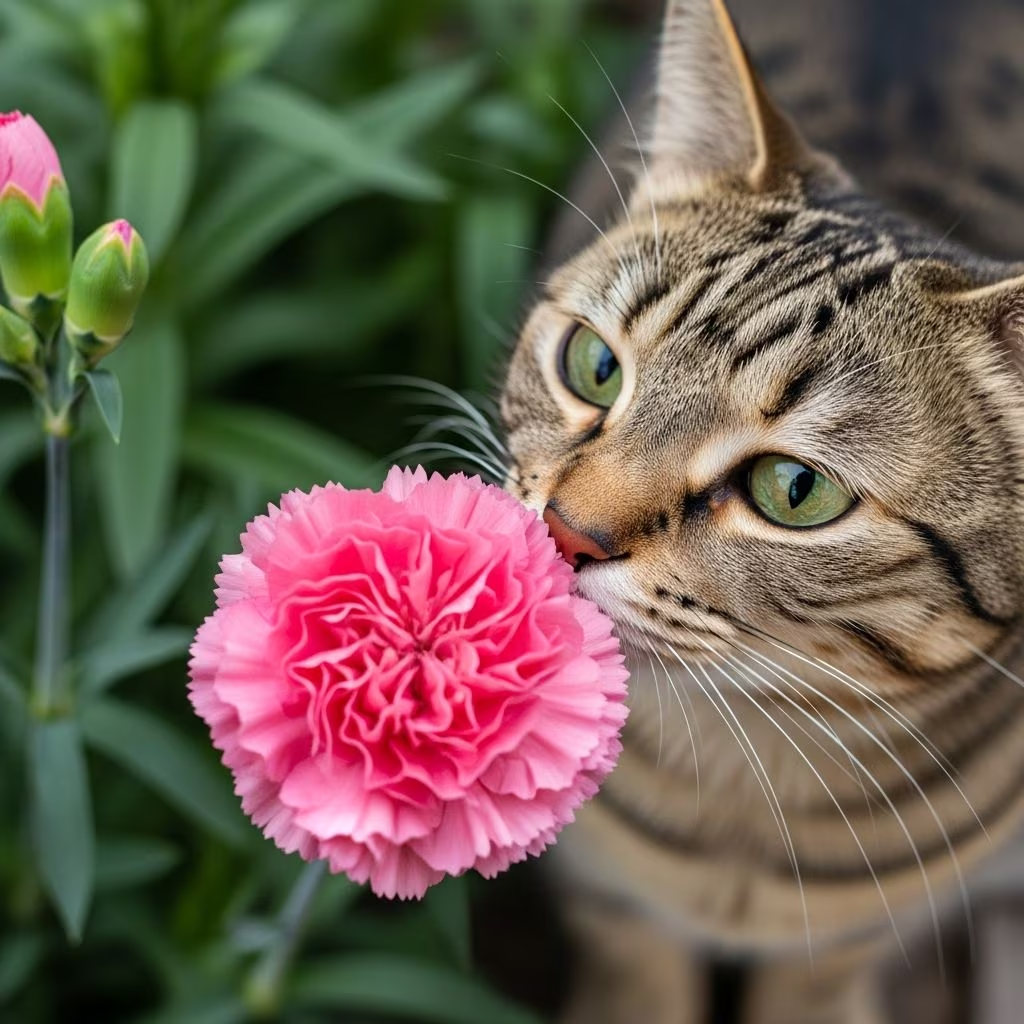
If you receive a beautiful bouquet featuring carnations, it’s wise to keep them far from your curious cat. These vibrant flowers, beloved for their ruffled petals and long-lasting blooms, contain an unknown irritant that can harm felines. While not as deadly as lilies, carnation exposure often leads to uncomfortable symptoms like vomiting, diarrhea, and skin irritation. Understanding the risks empowers pet parents to create a safer home environment.
Carnations, scientifically known as Dianthus caryophyllus from the Caryophyllaceae family, are common in gardens, florist arrangements, and even wild settings. Cats may nibble on them out of curiosity, boredom, or while grooming pollen off their fur. Even small amounts can trigger mild toxicity, making prevention key. This comprehensive guide covers why carnations are dangerous, symptoms to watch for, treatment options, and cat-safe alternatives to keep your home colorful without compromising your pet’s well-being.
Why are carnations dangerous to cats?
Carnations pose a risk to cats due to an unidentified toxin or irritant present throughout the plant. This compound disrupts the gastrointestinal tract, leading to inflammation and upset upon ingestion. Veterinary sources confirm that the irritant causes stomach lining irritation, prompting the body to expel the material through vomiting or diarrhea.
Additionally, the sap can provoke dermatitis when cats rub against the flowers or ingest pollen during grooming. Skin contact may result in redness, itching, or inflammation, particularly in sensitive areas like paws or the mouth. While the exact toxic principle remains unidentified, symptoms are consistent across cases, pointing to saponin-like compounds common in the Dianthus genus. These triterpenoid saponins, glycosides derived from plant steroids, are known to affect mammals by damaging cell membranes in the digestive system and skin.
Gardeners should note that carnations treated with pesticides or fertilizers amplify risks, as chemical residues can cause secondary poisoning. Indoor bouquets pose similar threats, with fallen petals or pollen easily accessible to exploring cats. Proactive removal of these flowers prevents most incidents, as even brief exposure can lead to hours of discomfort.
Symptoms of plant poisoning in cats
When a cat encounters carnations, symptoms typically appear within a few hours. Common signs include:
- Vomiting: Often the first and most frequent response, sometimes containing plant fragments.
- Diarrhea: Loose stools that may lead to dehydration if prolonged.
- Excessive drooling: Due to mouth and throat irritation from the sap.
- Skin irritation: Redness, itching, or dermatitis on contact areas like face, paws, or belly.
- Lethargy or reduced appetite: Secondary to GI discomfort.
- Abdominal pain: Manifesting as hunching, sensitivity to touch, or vocalizing.
Most cases resolve as the irritant passes through the system, but severe ingestion can prolong symptoms, risking dehydration or electrolyte imbalances. Monitor closely; kittens, seniors, or cats with pre-existing conditions face higher risks of complications.
Treatment
Treatment for carnation toxicity is supportive, focusing on symptom relief since no specific antidote exists. Contact your veterinarian immediately if ingestion is suspected. They may recommend:
- Anti-emetics: Medications like maropitant to control vomiting.
- Fluid therapy: Subcutaneous or IV fluids to combat dehydration from diarrhea.
- GI protectants: Such as sucralfate to soothe the stomach lining.
- Skin care: Mild antihistamines or topical treatments for dermatitis.
For minor cases, withholding food briefly and offering bland diets aids recovery. Hospitalization is rare but necessary for persistent vomiting or severe dehydration. Early intervention ensures quick recovery, with most cats bouncing back within 24-48 hours. Never induce vomiting at home without vet guidance, as it can worsen irritation.
Are all parts of carnations poisonous to cats?
Yes, assume all parts of the carnation plant are potentially toxic. The flower petals, stems, leaves, pollen, and even seeds contain the irritant. Pollen is particularly sneaky, sticking to fur and getting ingested during grooming. Sap from broken stems is highly irritating to skin and mucous membranes.
No studies pinpoint varying toxicity levels across parts, so err on caution. Even brief contact or nibbling can suffice for symptoms. Wild carnations (Dianthus species) carry similar risks, so garden patrols are essential for outdoor cats.
The bottom line: Are carnations poisonous for my cat?
Carnations are indeed poisonous to cats, causing mild but avoidable issues via ingestion or contact. Vomiting, diarrhea, and dermatitis are hallmarks, treatable yet preventable. Opt for pet-safe flowers to enjoy blooms guilt-free. Vigilance safeguards your cat’s health amid floral temptations.
Safe Flower Alternatives for Cat Homes
Not all flowers threaten cats. Choose these ASPCA-listed non-toxic options for bouquets and gardens:
| Flower | Why It’s Safe | Best Uses |
|---|---|---|
| Roses (petals only) | No toxic compounds; thorns are the main hazard. | Bouquets, gardens. |
| Sunflowers | Non-irritating; seeds are even edible in moderation. | Vases, outdoor planters. |
| Orchids | Mildly toxic at worst; generally safe. | Indoor displays. |
| Snapdragons | No known toxins for cats. | Cutting gardens. |
| Hydrangeas (avoid leaves) | Flowers safe; monitor for nibbling. | Large arrangements. |
Always verify with the ASPCA toxic plant list and rinse store-bought flowers to remove preservatives. Elevate arrangements and use vases out of reach.
Frequently Asked Questions (FAQs)
Q: What happens if my cat eats a carnation?
A: Expect mild gastrointestinal upset like vomiting and diarrhea. Contact your vet for guidance, especially if symptoms persist.
Q: Can cats eat carnation flowers?
A: No, carnation flowers irritate the GI tract, leading to discomfort. Prevention is best.
Q: Are carnations poisonous to cats if they smell them?
A: Smell alone is safe, but close proximity risks contact with pollen or sap. Keep distance.
Q: How long do carnation poisoning symptoms last in cats?
A: Typically 12-48 hours with supportive care; monitor for dehydration.
Q: Are wild carnations toxic to cats?
A: Yes, all Dianthus species share the irritant properties.
Q: What if my cat only licked a carnation?
A: Mild drooling or mouth irritation possible; watch for vomiting and rinse mouth if feasible.
References
- Are Carnations Toxic to Cats? — Kinship (Dr. Bartley Harrison, DVM). 2023. https://www.kinship.com/cat-health/are-carnations-toxic-to-cats
- Toxic and Non-toxic Plants: Wild Carnation — ASPCA Poison Control. Accessed 2026. https://www.aspca.org/pet-care/aspca-poison-control/toxic-and-non-toxic-plants/wild-carnation
- Are Carnations Toxic To Cats? Vet-Reviewed — Catster. 2024-05-15. https://www.catster.com/cat-health-care/are-carnations-toxic-to-cats/
- Carnation Poisoning in Cats — WagWalking. 2023. https://wagwalking.com/cat/condition/carnation-poisoning
- Non-Toxic Flowers for Cats — Veterinary Specialty Hospital. 2024. https://www.vshnorthcounty.com/blog/non-toxic-flowers-for-cats
- Factsheet – Cat-Friendly Flowers — Cat Protection Society of NSW. 2025. https://catprotection.org.au/cat-care-factsheets/factsheet-cat-friendly-flowers/



