

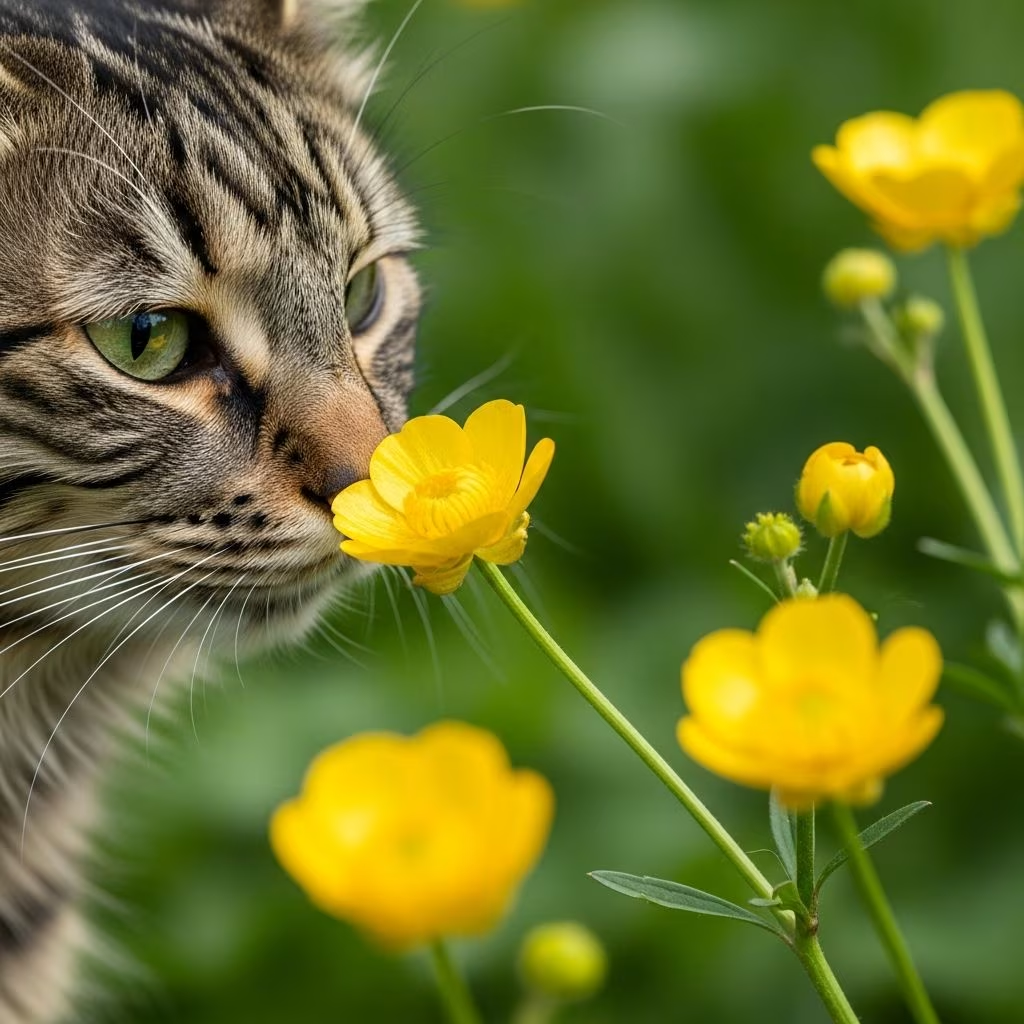
Buttercups, belonging to the Ranunculus genus, contain irritants that make them hazardous for cats if ingested or even if pollen contacts their skin or mouth. These vibrant yellow flowers, often found in gardens and wild areas, release protoanemonin when chewed, leading to oral irritation, gastrointestinal distress, and potentially severe symptoms in felines.
Understanding the Threat from Ranunculus Plants
Ranunculus species, commonly called buttercups, grow widespread in meadows, lawns, and ornamental beds. Their bright petals attract curious cats, but the plant’s defense mechanism—a glycoside that breaks down into protoanemonin upon damage—creates a potent irritant. This compound affects mucous membranes, causing inflammation wherever it touches.
Cats may encounter buttercups through outdoor exploration, indoor arrangements, or brushing against them during play. Even minimal contact, like grooming pollen from fur, can introduce the toxin. The flower’s highest toxin concentration occurs during early spring blooming, amplifying risks in peak season.
Why Cats Are Drawn to Potentially Dangerous Plants
Feline instincts drive plant nibbling for digestive aid, boredom relief, or curiosity. Young cats explore aggressively, while adults might chew to induce vomiting for hairball management. Buttercups’ bitter taste usually discourages heavy consumption, but pollen transfer during self-grooming bypasses this deterrent.
- Instinctual behavior: Cats eat greenery to purge indigestibles.
- Boredom factor: Indoor cats seek stimulation from houseplants.
- Curiosity: Novel textures and scents invite investigation.
Owners should monitor gardens and vases, as even non-lethal plants like buttercups provoke reactions varying by ingestion amount and cat sensitivity.
Symptoms of Buttercup Exposure in Cats
Signs emerge rapidly, often within hours of exposure. Initial oral contact causes immediate discomfort, progressing to systemic issues if swallowed. Severity correlates with quantity consumed—small amounts irritate locally, larger ones demand urgent care.
| Symptom | Description | Onset Time |
|---|---|---|
| Oral irritation | Redness, swelling, blisters in mouth and on lips | Immediate to 1 hour |
| Excessive salivation | Drooling from pain and inflammation | Within 30 minutes |
| Vomiting | Expulsion of stomach contents | 1-3 hours |
| Diarrhea | Loose, possibly bloody stools | 2-6 hours |
| Ataxia | Wobbly gait, weakness | 3+ hours |
| Lethargy | Depression, appetite loss | Variable |
Monitor for tremors or seizures in extreme cases, signaling deeper toxicity.
How Buttercup Toxins Affect Feline Physiology
Protoanemonin disrupts cell membranes, inflaming tissues. In the mouth, it vesicates—forming blisters—while gut exposure triggers emesis and enteritis. Unlike lilies, which target kidneys, buttercups primarily assault the digestive tract, though dehydration from fluid loss heightens risks.
Dried plants lose potency, as protoanemonin volatilizes, but fresh specimens remain dangerous. All parts—stems, leaves, flowers—harbor the toxin, though petals hold the densest load.
Immediate Response to Suspected Ingestion
Act swiftly: Remove plant remnants, rinse the cat’s mouth gently with water if cooperative, and withhold food. Note exposure details—part eaten, amount, time—for veterinary guidance. Rush to a clinic or call a poison hotline like ASPCA’s.
- Isolate the cat from further access.
- Inspect for physical signs like mouth sores.
- Contact professionals without inducing vomit at home.
- Provide supportive info to vets.
Veterinarians may administer activated charcoal, anti-emetics, or IV fluids based on assessment.
Creating a Cat-Safe Home and Garden Environment
Proactive measures prevent incidents. Elevate arrangements, use pet gates, and opt for non-toxic flora. Regular yard sweeps remove wild buttercups, while mulching deters growth.
- Indoor strategies: Hang plants or use high shelves.
- Garden design: Plant barriers like dense shrubs.
- Supervision: Accompany outdoor time.
Enrich environments with cat grass or toys to redirect chewing urges.
Common Toxic Flowers Beyond Buttercups
Many bouquet staples endanger cats. Awareness equips owners for holidays like Valentine’s.
| Flower | Toxicity Level | Main Risks |
|---|---|---|
| Lilies | Extreme | Kidney failure from pollen lick |
| Tulips | High | Bulb most potent; vomiting |
| Autumn Crocus | High | Organ damage |
| Hyacinth | Moderate | Gut upset, tremors |
| Peonies | Moderate | GI distress, depression |
Consult ASPCA lists for comprehensives.
Safe Floral Choices for Cat Households
Not all blooms threaten. Select these confidently:
- Roses: Thorn-free varieties ideal.
- Sunflowers: Sturdy and appealing.
- Orchids: Elegant, low-risk.
- Zinnias: Colorful annuals.
- Asters: Hardy perennials.
Even safes can cause mild tummy upset in excess; moderation applies.
Long-Term Health Monitoring After Exposure
Post-treatment, observe for 48-72 hours. Hydrate well, offer bland diets, and track recovery. Recurrent issues warrant dietary or behavioral consults. Annual vet checkups catch vulnerabilities early.
FAQs
Can a small bite of buttercup kill my cat?
Unlikely; most cases cause irritation, not fatality, but prompt vet care prevents escalation.
Is buttercup pollen dangerous?
Yes, grooming it off fur irritates the mouth and throat.
How do I buttercup-proof my yard?
Pull plants, use pre-emergents, and plant cat-safe alternatives.
What if symptoms appear days later?
Delayed signs are rare; seek vet for differential diagnosis.
Are all Ranunculus species equally toxic?
Variations exist, but all contain protoanemonin; treat as hazardous.
References
- Is Buttercup (Ranunculus) Poisonous to Cats? Keeping Your Cat Safe — Hepper. 2023. https://articles.hepper.com/is-buttercup-ranunculus-poisonous-to-cats/
- Valentine’s Flowers that are Toxic to Cats (and Nontoxic Alternatives) — MeowBox. 2023. https://www.meowbox.com/blogs/news/valentine-s-flowers
- Buttercup – Toxic and Non-toxic Plants — ASPCA. 2024-01-15. https://www.aspca.org/pet-care/aspca-poison-control/toxic-and-non-toxic-plants/buttercup
- Toxic Plants for Your Pets, a Visual Guide — PetPLAY. 2023. https://www.petplay.com/blogs/tips/toxic-plants-for-your-pets-a-visual-guide
- Ranunculus Is a Toxic Beauty With a Doozy of a Name — HowStuffWorks. 2023. https://home.howstuffworks.com/ranunculus.htm



