

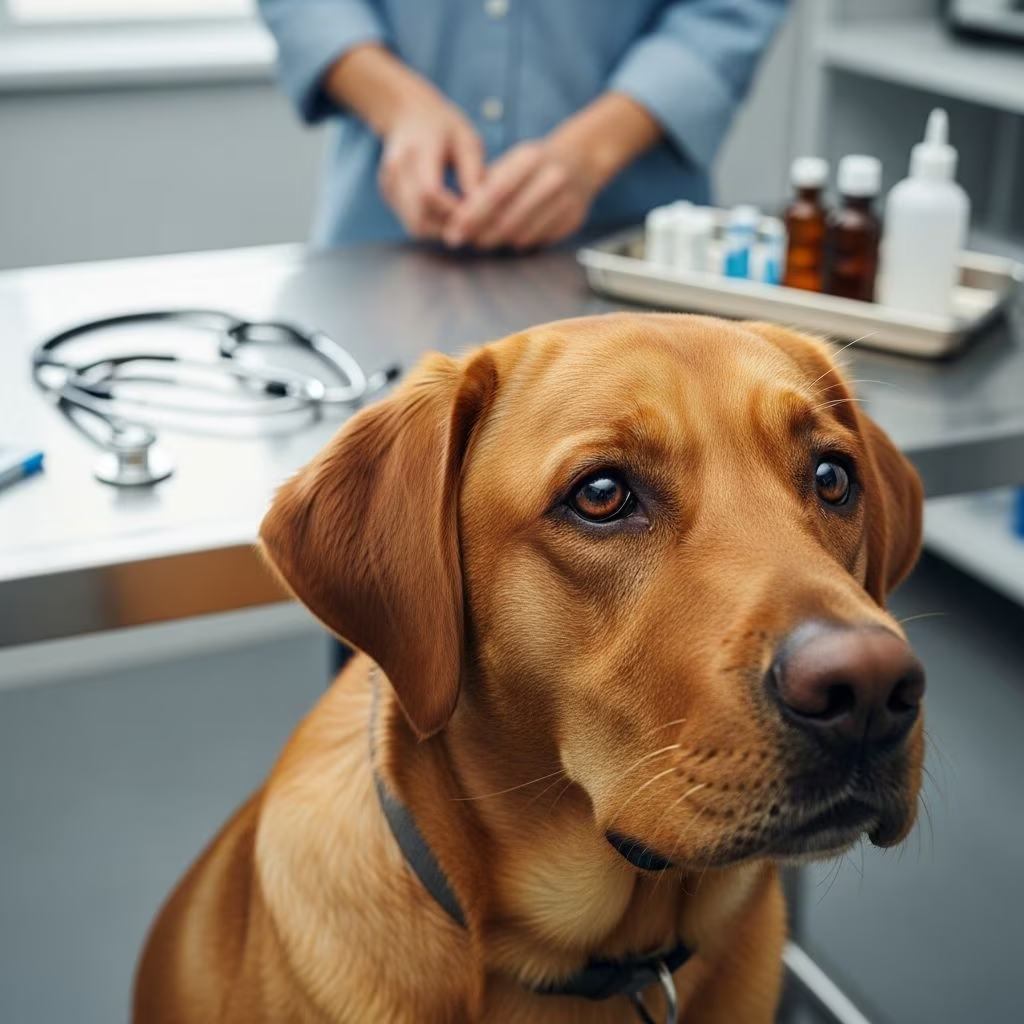
Are Booster Vaccines Necessary for Dogs?
Vaccination is one of the most important health measures pet owners can take to protect their dogs from serious and potentially fatal diseases. However, the question of whether booster vaccines are truly necessary for dogs has become increasingly common among veterinary professionals and pet owners alike. Recent research has provided valuable insights into vaccination protocols, suggesting that while vaccination is essential, the frequency of booster shots may vary depending on individual circumstances. Understanding the role of booster vaccines, their necessity, and how to develop an appropriate vaccination schedule for your dog is crucial for maintaining optimal health and preventing disease.
Understanding Primary Vaccination and Immunity
Primary vaccination during puppyhood is absolutely essential for protecting dogs from once-common deadly diseases that still pose significant risks today. When puppies receive their initial vaccination series, their immune systems develop antibodies against specific pathogens, creating a foundation of protection. This primary immunization is vital because it primes the immune system to recognize and respond to disease threats. However, the protection provided by these initial vaccines does not always last a lifetime. Over time, the level of antibodies in your dog’s bloodstream naturally decreases, which can reduce their ability to fight off infection if exposed to disease.
This is where the concept of booster vaccines becomes important. Booster shots are designed to “remind” the immune system of previously encountered pathogens, strengthening and extending the duration of immunity. Without periodic reinforcement, your dog’s protection against preventable diseases can weaken, potentially leaving them vulnerable to infections that vaccines are designed to prevent.
What Recent Research Shows About Booster Vaccines
Recent scientific research has provided important insights into the necessity and frequency of booster vaccinations for dogs. Published studies have shown conclusively that there is no evidence that annual booster vaccination is anything but beneficial to most dogs. However, this same research also demonstrates that not all vaccines require yearly boosters. Different vaccines provide different durations of immunity, and understanding these differences is key to determining an appropriate vaccination schedule for your individual pet.
The veterinary field has moved toward a more nuanced approach to vaccination, recognizing that a one-size-fits-all annual vaccination protocol may not be necessary for all dogs. Some core viral vaccines, particularly those used for distemper and parvovirus, may provide immunity lasting at least three years. In contrast, bacterial vaccines and certain non-core vaccines typically still require more frequent, often annual, booster doses. Additionally, your dog’s lifestyle and relative risk of exposure to disease significantly influence the appropriate vaccination schedule.
Core Vaccines vs. Non-Core Vaccines
Understanding the distinction between core and non-core vaccines is essential for making informed decisions about your dog’s immunization needs. Core vaccines protect against diseases that are widespread, highly contagious, and often fatal. These typically include vaccines for rabies, distemper (DHPP), parvovirus, and adenovirus. Core vaccines are recommended for virtually all dogs, regardless of lifestyle or living situation.
Non-core vaccines, on the other hand, protect against diseases that may pose risks based on your dog’s individual lifestyle, geographic location, and exposure risk. These might include vaccines for bordetella (kennel cough), leptospirosis, and Lyme disease. Non-core vaccines are typically recommended only for dogs with specific risk factors or lifestyles that increase their exposure to these pathogens. For example, dogs that frequently visit boarding facilities or dog parks may benefit from bordetella vaccination, while dogs in endemic Lyme disease areas may need Lyme disease protection.
Determining Booster Frequency for Your Dog
Determining the appropriate booster schedule for your dog involves assessing multiple factors and working closely with your veterinarian. Your dog’s lifestyle is one of the most important considerations. Dogs with high-risk lifestyles—those that spend considerable time in public spaces, attend boarding facilities, interact with unfamiliar dogs, or travel frequently—may require more frequent booster vaccinations than dogs with low-risk, indoor-focused lifestyles.
Age, health status, and any underlying medical conditions also play important roles in determining vaccination frequency. Puppies require a more intensive vaccination schedule to establish immunity, typically receiving their initial series and a one-year booster. Adult dogs generally follow either annual or triennial (three-year) schedules, depending on the specific vaccine and individual factors. Senior dogs may have different immunization needs based on their overall health and immune system function.
The Role of Antibody Titer Testing
For pet owners who prefer to administer booster vaccines only when truly necessary, antibody titer testing offers one potential approach. This blood test measures the amount of antibodies against specific pathogens in your dog’s bloodstream, theoretically helping determine whether immunity is still present and whether a booster is needed. If a specific antibody titer is low, your dog would require a booster vaccine.
However, titer testing comes with important limitations and considerations. These tests are often more expensive than the cost of revaccination itself, and they can be stressful for your dog. Additionally, research has not conclusively proven that a high serum antibody level guarantees disease protection if your dog is exposed to a virulent (highly aggressive) strain of the disease. Furthermore, current testing does not reliably predict protection against all pathogens, and the interpretation of results can vary. Before pursuing titer testing as an alternative to routine boosters, it is important to discuss the pros and cons with your veterinarian to determine whether this approach is appropriate for your specific situation.
Vaccination Safety and Regulatory Standards
Pet owners often have concerns about the safety of vaccines, particularly regarding repeated vaccinations. It is important to understand that government regulatory bodies maintain strict guidelines for vaccines, and manufacturers must prove that a vaccine is both safe and effective before it can be licensed for use in dogs. Through vigilance and high standards maintained by regulatory agencies and the veterinary profession, the vaccines used today are among the safest and most protective ever developed. Scientific studies have consistently shown that vaccination boosters have no adverse side effects in the vast majority of dogs.
The risks associated with skipping necessary booster vaccinations significantly outweigh the minimal risks from the vaccines themselves. Serious diseases such as parvovirus, distemper, and rabies are highly contagious and often fatal if left untreated. These diseases can be prevented through appropriate vaccination protocols.
The Importance of Annual Veterinary Examinations
One significant benefit of maintaining a regular vaccination schedule that includes annual booster shots is the opportunity for annual veterinary examinations. Before administering vaccines, your veterinarian will perform a thorough health examination, checking your dog’s head, neck, chest, abdomen, muscles, skin, joints, and lymph nodes. During these visits, veterinarians frequently detect health issues that might otherwise go unnoticed, including dental infections, ear infections, and subclinical diseases—conditions that are not yet showing obvious symptoms but could become serious if left untreated.
These preventive health screenings can detect underlying heart conditions, metabolic problems, organ dysfunction, and other health concerns during their early stages. Early diagnosis allows for more effective and successful treatment and may significantly improve your dog’s quality of life. Even if you decide to pursue a less frequent vaccination schedule, maintaining regular veterinary check-ups remains essential for your dog’s overall health and wellbeing.
Choosing a Booster Schedule for Your Dog
For dogs with low-risk lifestyles or owners who prefer less frequent vaccination, your veterinarian may recommend administering certain core or essential viral vaccines on a three-year schedule rather than annually. This approach can be appropriate for indoor dogs with limited exposure to other animals or dogs whose owners want to minimize vaccination frequency. However, it is important to note that administering a vaccine labeled for annual use on a different schedule, such as every three years, constitutes off-label use in many cases and may violate government regulations in some jurisdictions.
Before making any changes to a standard vaccination protocol, it is essential to discuss the specific pros and cons with your veterinarian and ensure that any alternative approach complies with local regulations. Your veterinarian can help you understand the risks and benefits of different vaccination schedules and develop a plan that provides appropriate protection while respecting your preferences regarding vaccination frequency.
Community Health and Herd Immunity
Maintaining current vaccinations in your dog not only protects your individual pet but also contributes to the health of the broader dog population. Vaccinated dogs are less likely to transmit infectious diseases to other animals in parks, boarding facilities, neighborhoods, and other shared spaces. This concept, known as herd immunity, is crucial for protecting vulnerable populations such as puppies, senior dogs, and dogs with compromised immune systems who may not be able to mount adequate immune responses to vaccines.
By keeping your dog appropriately vaccinated according to veterinary recommendations, you are helping to prevent disease outbreaks and maintain the health of your community.
Vaccine Requirements and Special Considerations
Certain vaccines have specific legal or practical requirements that may influence your vaccination decisions. Rabies vaccination, for example, is legally required in most jurisdictions and typically must be administered initially and then at intervals specified by local law (often annually or every three years depending on the vaccine formulation used). Additionally, if your dog will be boarded, attending training classes, or visiting dog parks, facilities often require proof of current vaccination against diseases such as bordetella (kennel cough).
When considering a non-standard vaccination schedule, it is important to understand how this might affect your dog’s ability to access certain facilities or services that require proof of current vaccinations.
Frequently Asked Questions (FAQs)
Q: Are annual booster vaccinations really necessary for all dogs?
A: Not necessarily. While vaccination is essential, the frequency of boosters depends on the specific vaccine, your dog’s age, health status, and lifestyle. Some core viral vaccines may provide immunity lasting three years, while bacterial and non-core vaccines typically require annual boosters. Work with your veterinarian to develop an appropriate schedule for your individual dog.
Q: Can I give my dog booster vaccines less frequently than recommended?
A: It is possible to pursue less frequent vaccination schedules for dogs with low-risk lifestyles, but this requires discussion with your veterinarian. Some core vaccines may be given on a three-year schedule, though this constitutes off-label use. Understand that skipping or delaying boosters can leave your dog vulnerable to preventable diseases.
Q: What is antibody titer testing, and should I use it?
A: Antibody titer testing measures the amount of antibodies in your dog’s blood to determine immunity levels. While it may help identify whether a booster is needed, these tests are often more expensive than revaccination, may be stressful for your dog, and do not guarantee disease protection if your dog is exposed to a virulent strain. Discuss whether this approach is appropriate for your situation with your veterinarian.
Q: What are the risks of skipping booster vaccinations?
A: Skipping or delaying booster vaccinations can leave your dog vulnerable to serious, potentially fatal diseases such as parvovirus, distemper, and rabies. Published research has shown conclusively that omitting boosters for major diseases can put dogs at risk of infection.
Q: How do I know if my dog needs annual or triennial boosters?
A: Your veterinarian will assess your dog’s individual needs based on the specific vaccines, your dog’s age, health status, lifestyle, and risk of disease exposure. Different vaccines provide different durations of immunity, and factors like boarding, dog park attendance, and travel influence the appropriate schedule.
Q: Are dog vaccines safe? Do they cause side effects?
A: Modern veterinary vaccines are among the safest and most protective ever developed. They meet strict regulatory standards and scientific studies have shown that vaccination boosters cause no adverse side effects in the vast majority of dogs. The risks of vaccine-preventable diseases far outweigh the minimal risks from vaccines themselves.
Q: What happens if I miss a booster vaccination?
A: Missing a booster can leave your dog vulnerable to disease. Depending on the timing, you may need to restart a vaccine series, which adds extra cost and stress. Staying on schedule with vaccinations helps maintain continuous protection against preventable diseases.
References
- Are Booster Vaccines Necessary for Dogs? — VCA Animal Hospitals. Accessed November 2025. https://vcahospitals.com/know-your-pet/vaccination-are-booster-vaccines-necessary-for-dogs
- Are Yearly Dog Vaccinations Really Necessary? — Gables Animal Clinic. 2021-12-21. https://gablesanimalclinic.com/2021/12/21/are-yearly-dog-vaccinations-really-necessary/
- The Importance of Timely Booster Shots in Disease Prevention — Jester Plaza Veterinary Clinic. Accessed November 2025. https://www.jesterplazavet.com/blog/1356130-the-importance-of-timely-booster-shots-in-disease-prevention
- The Importance Of Vaccine Boosters: Ensuring Full Immunization For Pets — My Seneca Animal Hospital. Accessed November 2025. https://mysenecaanimalhospital.com/blog/the-importance-of-vaccine-boosters-ensuring-full-immunization-for-pets/
- Booster Vaccines – Are They Really Necessary? — West Vets. Accessed November 2025. https://www.westvets.com.au/booster-vaccines-are-they-really-necessary/
- The Importance of Timely Booster Shots in Disease Prevention — Cochrane Animal Hospital. Accessed November 2025. https://www.cochraneanimalhospital.com/the-importance-of-timely-booster-shots-in-disease-prevention
- What Shots Do Dogs Need? A Complete Guide to Dog Vaccine Schedules — Hidden Springs Animal Hospital. Accessed November 2025. https://hiddenspringsanimal.com/pet-vaccines-in-boise-id/what-shots-do-dogs-need-a-complete-guide-to-dog-vaccine-schedules/



