

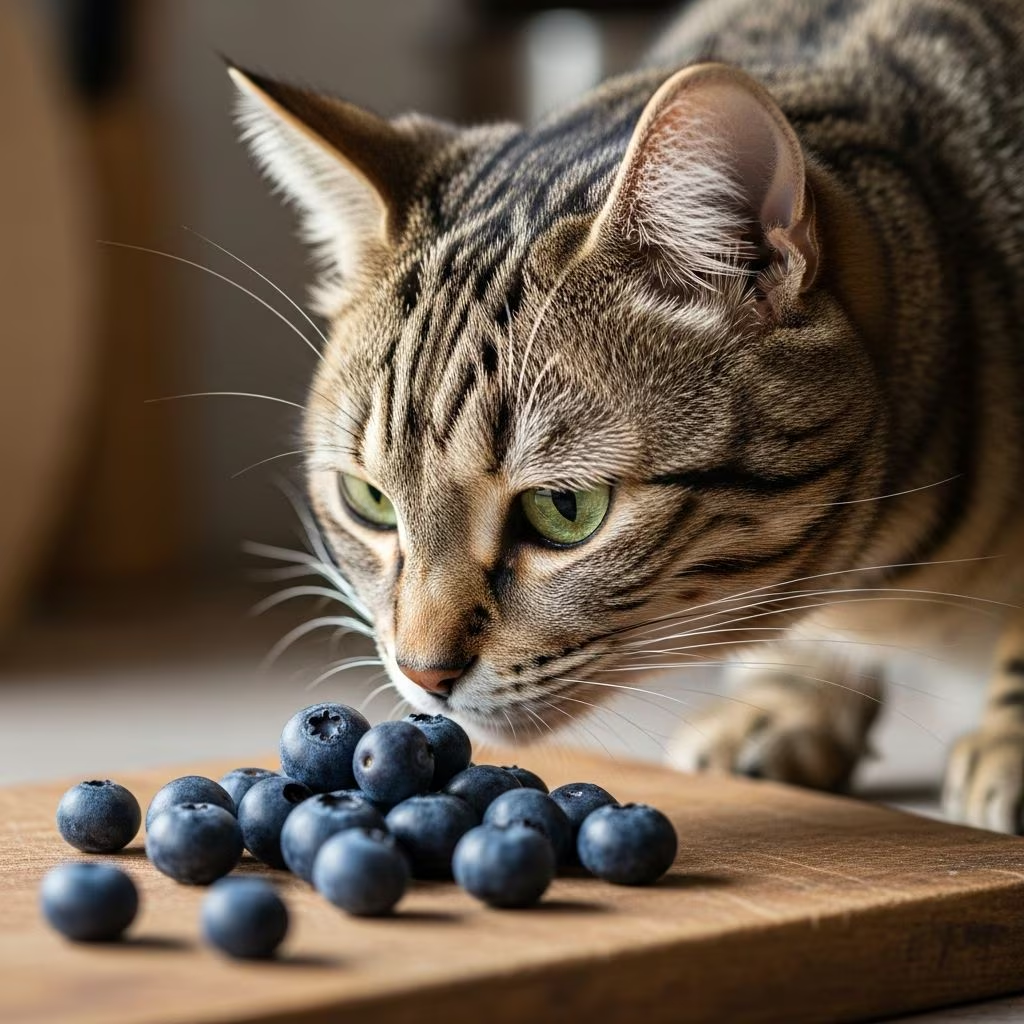
Cats can safely consume blueberries in small amounts as an occasional treat, providing minor nutritional perks without toxicity risks for most healthy felines.
Understanding Feline Dietary Needs
As obligate carnivores, cats derive primary nutrition from animal proteins and fats, with their digestive systems optimized for meat rather than plant matter. Fruits like blueberries serve best as novelty snacks rather than dietary staples, comprising no more than 10% of daily intake to avoid nutritional imbalances.
This carnivorous foundation means cats lack strong receptors for sweetness, so they may not crave blueberries for taste but could enjoy the texture or novelty. Prioritizing complete cat foods ensures essential taurine, arachidonic acid, and other nutrients fruits cannot supply.
Nutritional Profile of Blueberries for Cats
Blueberries deliver antioxidants, fiber, vitamins C and K, plus minerals like manganese and potassium, potentially aiding feline digestion, immunity, and hydration. Their 85% water content supports moisture intake, beneficial in dry climates or for finicky drinkers, though never replacing fresh water.
| Nutrient | Benefit for Cats | Source Notes |
|---|---|---|
| Antioxidants | May support immune and joint health by neutralizing free radicals | |
| Fiber | Promotes healthy digestion | |
| Vitamin C & K | Contributes to overall wellness and bone health | |
| Potassium & Manganese | Aids metabolism and electrolyte balance | |
| Water (85%) | Enhances hydration |
While these elements mirror human superfood status, cats metabolize them less efficiently due to their protein-centric biology. Veterinary nutritionists affirm blueberries’ safety but emphasize moderation.
Safe Ways to Offer Blueberries to Your Cat
- Wash thoroughly: Remove pesticides by rinsing under cool water.
- Cut for safety: Halve or quarter larger berries to prevent choking, especially for kittens with narrow airways.
- Start small: Offer 1-2 berries initially to monitor tolerance.
- Limit portions: 2-3 blueberries daily max for adults; less for smaller cats.
- Fresh only: Avoid processed forms like pies or jams containing sugar, xylitol, or toxic additives.
Integrate as training rewards or puzzle feeder fillers for mental stimulation, enhancing the human-cat bond without overfeeding.
Potential Risks and Side Effects
Excessive blueberries can trigger gastrointestinal issues due to high fiber and natural sugars, leading to diarrhea, soft stools, or vomiting. Cats prone to obesity, diabetes, or kidney issues face heightened risks from sugar spikes or fiber overload.
- Monitor for allergies: Rare but possible signs include itching, lethargy, or appetite loss.
- Avoid in medical cases: Diabetic cats cannot process sugars well; consult vets for IBD or sensitivities.
- Choking hazard: Whole berries pose risks to playful kittens.
Introduce gradually over days, observing stool consistency and energy levels. Discontinue if upset occurs and seek veterinary advice.
Comparing Safe and Unsafe Fruits for Cats
| Safe Fruits (Moderation) | Unsafe/Toxic Fruits | Reasons |
|---|---|---|
| Blueberries | Grapes/Raisins | Kidney failure risk |
| Apples (no seeds) | Citrus (oranges, lemons) | GI upset, photosensitivity |
| Bananas | Cherries | Cyanide in pits |
| Cantaloupe | Avocados | Persin toxicity |
Stick to vet-approved options; always prioritize meat-based diets.
Enhancing Your Cat’s Diet Beyond Blueberries
Commercial foods with blueberry extracts provide safe flavor without excess sugars, but fresh berries offer superior hydration. Balance treats with play, ensuring 90% nutrition from AAFCO-approved kibble or wet food.
Alternatives include plain cooked meats, catnip, or vet-formulated supplements for joint or urinary health, tailored to age and breed.
Frequently Asked Questions
Can kittens eat blueberries?
Puree or finely chop for kittens to avoid choking; limit to tiny amounts post-weaning.
Why might my cat refuse blueberries?
Cats often ignore sweet tastes due to limited sweet receptors.
Are frozen blueberries okay for cats?
Yes, thawed and chopped; they retain nutrients and add chill for teething kittens.
How do blueberries fit into a raw diet?
Minimal role; raw feeders use them sparingly for variety, not nutrition.
Can blueberries help with cat hairballs?
Fiber may mildly assist, but specialized foods or malt paste are preferable.
Expert Insights on Feline Fruit Feeding
Veterinarians like Dr. Maryanne Murphy note blueberries’ harmlessness and presence in some cat foods, underscoring treats’ role in enrichment. Dr. Bayazit highlights fiber and antioxidants for digestion. Consensus: Sparing use promotes curiosity without health detriments.
Pet owners report cats batting berries for fun, turning snacks into interactive play. Track weight and health metrics to ensure treats enhance, not hinder, vitality.
References
- Can Cats Eat Blueberries? – Chewy — Chewy. 2023. https://www.chewy.com/education/cat/food-and-nutrition/can-cats-eat-blueberries
- Can Cats Eat Blueberries? A Vet’s Guide to Feline-Friendly Fruits — Noble Vet Clinic. 2024. https://noblevetclinic.com/blog/can-cats-eat-blueberries
- Can Cats Eat Blueberries? – Kinship — Kinship. 2023. https://www.kinship.com/cat-nutrition/can-cats-eat-blueberries
- Can Cats Eat Blueberries Safely? – Animals | HowStuffWorks — HowStuffWorks. 2024. https://animals.howstuffworks.com/pets/can-cats-eat-blueberries.htm
- Can Cats Have Blueberries? Is It Safe? | Hill’s Pet US — Hill’s Pet. 2024. https://www.hillspet.com/cat-care/nutrition-feeding/can-cats-eat-blueberries
- Can Cats Eat Blueberries? A Guide to Safety | Purina US — Purina. 2024. https://www.purina.com/articles/cat/feeding/can-cats-eat/blueberries



