

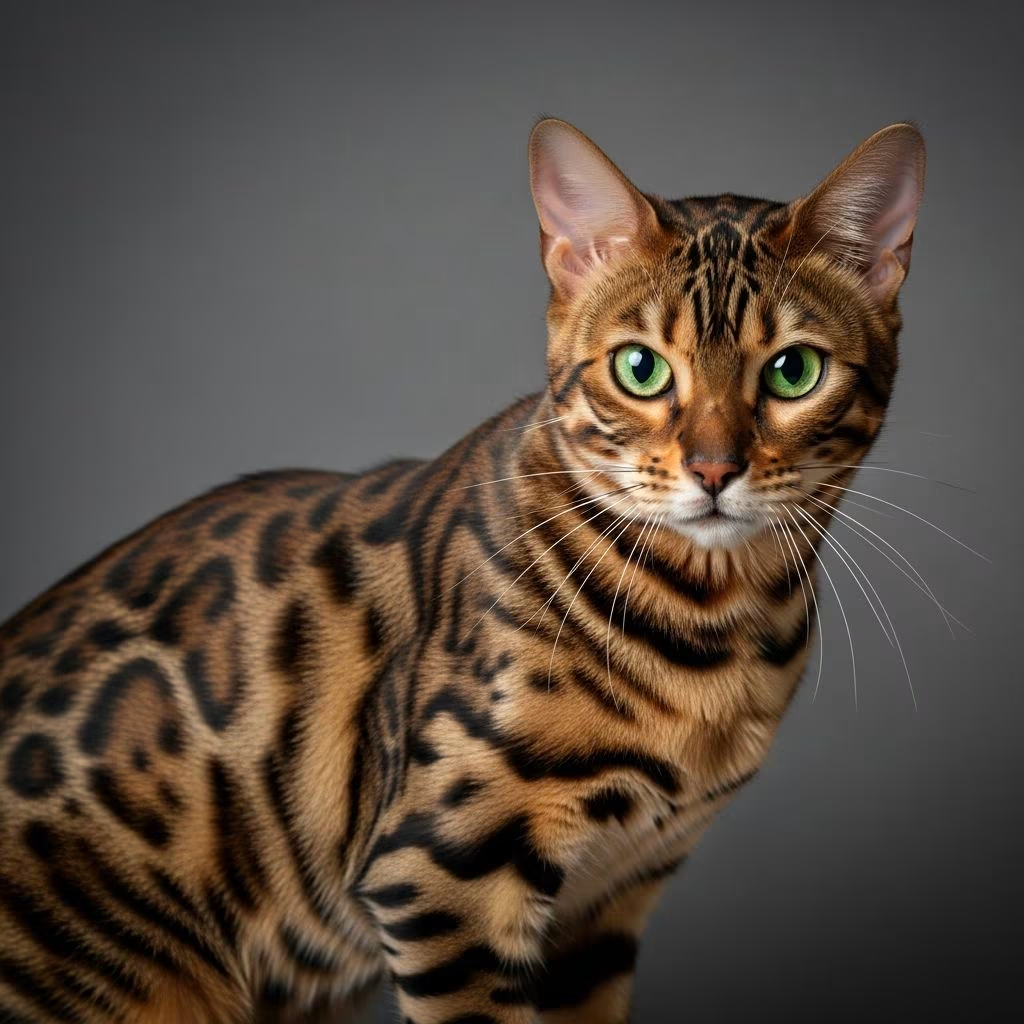
Bengal cats captivate with their leopard-like coats and athletic builds, but concerns about their aggression often deter potential owners. Scientific studies reveal that Bengals exhibit problematic behaviors at rates equal to or lower than typical domestic cats, challenging the stereotype of inherent wildness.
Origins of the Bengal Breed and Temperament Myths
The Bengal breed emerged from crosses between domestic cats and the Asian leopard cat in the 1980s, aimed at capturing exotic aesthetics without wild traits. Early generations (F1-F4) carried more feral influences, potentially leading to isolated aggression reports, but modern Bengals, typically F5 or later, are fully domesticated.
Myths persist because their high energy, vocal nature, and hunting drive mimic wild behaviors. Owners misinterpret playful pouncing or territorial displays as hostility, especially without proper outlets for their vitality.
Scientific Insights into Bengal Behavior
A 2020 study in the Journal of Veterinary Behavior surveyed Bengal owners, finding common traits like climbing (89.5%), vocalizing (88.7%), water play (79.7%), and hunting (78.9%). Problematic actions included destructive behavior (33.2%), pica (16.4%), animal aggression (16%), and elimination issues (13.3%). Notably, human-directed aggression was rare and confined to early generations.
Comparatively, a Journal of Veterinary Medical Science study on mixed-breed cats reported higher rates: inappropriate scratching (40.7%), pica (30.2%), chasing animals (49.9%), and elimination problems (19%). Aggression toward family (27%) and strangers (24.7%) exceeded Bengal figures, suggesting breeder selection minimizes issues.
| Behavior | Bengal Cats (%) | Mixed-Breed Cats (%) |
|---|---|---|
| Destructive Scratching | 33.2 | 40.7 |
| Pica | 16.4 | 30.2 |
| Aggression Toward Animals | 16 | 49.9 (chasing) |
| Inappropriate Elimination | 13.3 | 19 |
This table highlights Bengals’ lower incidence of issues, attributed to genetic curation over feral backgrounds.
High-Energy Traits Mistaken for Aggression
Bengals demand stimulation: they climb shelves, chirp conversations, and chase shadows relentlessly. Without enrichment, frustration manifests as nipping or swatting—playful bids for attention, not malice.
- Physical Needs: Daily sessions with wand toys, laser pointers, or puzzle feeders prevent boredom-induced mischief.
- Mental Stimulation: Training tricks like fetch or leash walking channels intelligence productively.
- Vertical Space: Cat trees and shelves satisfy arboreal instincts, reducing household destruction.
Boredom fuels escalation; a stimulated Bengal bonds deeply, often following owners loyally.
Interactions with Other Pets and Small Animals
Territorial instincts make Bengals wary of unfamiliar cats, especially adults. Kitten introductions foster harmony, but mature Bengals may chase or fight intruders.
Prey drive endangers rodents, birds, or fish: hamsters, guinea pigs, rabbits, and gerbils trigger hunts. Cat-friendly dogs can coexist if socialized early, but supervision is key.
- Introduce pets gradually via scent swapping and supervised meetings.
- Avoid free-roaming outdoors to protect wildlife and the Bengal.
- Opt for single-cat homes if multi-pet dynamics overwhelm.
Reasons Behind Perceived Aggression in Bengals
Training Missteps
Bengals learn quickly but reinforce unwanted actions if rewarded inadvertently—like feeding during meows or comforting defensive swats.
Environmental and Emotional Factors
Past traumas provoke defensive responses; controlled desensitization under professional guidance helps. Children’s unpredictability alarms them—teach gentle handling.
Boredom and Stimulation Gaps
Understimulated Bengals destruct or lash out. Rotate toys, provide climbing gyms, and engage hourly.
Underlying Health Concerns
Pain from arthritis, dental woes, hyperthyroidism, or neurological issues sparks irritability. Annual vet checks catch these early.
Nutrition’s Role in Behavioral Health
Quality diet stabilizes mood: high animal protein and fats fuel energy without crashes. Deficiencies exacerbate anxiety or hyperactivity.
- Prioritize meat-based kibble or raw diets mimicking natural prey.
- Avoid fillers causing digestive upset, which mimics aggression.
- Hydration via fountains encourages water play without frustration.
Choosing and Socializing a Bengal Kitten
Reputable breeders prioritize socialization, exposing kittens to households from weaning. Avoid backyard sources risking poor temperaments.
Early handling builds confidence: expose to noises, people, and pets positively. Consistency yields affectionate adults.
Daily Care Routine for a Balanced Bengal
- Morning Play: 20 minutes of interactive chasing.
- Enrichment Zones: Multi-level perches and scratchers.
- Afternoon Training: Teach commands for mental workouts.
- Evening Wind-Down: Gentle grooming fosters bonds.
- Nighttime Security: Safe sleep spots reduce anxiety.
Common Misconceptions Debunked
- Myth: Bengals attack humans routinely. Rare; usually misread play.
- Myth: Only for experts. Rewarding for active owners.
- Myth: Wild as ancestors. Generations removed; domesticated.
FAQ
Will a Bengal cat scratch me unexpectedly?
Overstimulation during play may cause accidental scratches. Redirect with toys and respect cues like ear twitching.
Can Bengals live with kids?
Yes, with supervision and training. Educate children on boundaries.
How much exercise do they need?
1-2 hours daily, split into sessions.
Are they vocal and annoying?
Expressive chirps communicate needs—not aggression.
What if my Bengal seems aggressive?
Consult a vet for health rules out, then a behaviorist.
Ideal Homes for Bengal Cats
Bengals flourish in spacious, interactive environments—not apartments without commitment. Active singles, families with time, or rural setups suit best.
Neglect breeds issues; dedication unlocks devotion rivaling dogs.
References
- Bengal Cat Behavior – How Does It Compare to Other Cats Based on Research Surveys — Quality Bengal Kittens, Robyn Paterson. 2022-03-20. https://quality-bengal-kittens.com/bengal-cat-blog/blog/bengal-cat-behavior-how-does-it-compare-to-other-cats-based-on-research-surveys
- Are Bengal Cats Aggressive? Explained in Detail — Untamed. Accessed 2026. https://untamed.com/blogs/cat-breeds/are-bengal-cats-aggressive
- Are Bengal Cats Too Aggressive to Make Good Pets? — Vet Help Direct. 2024-06-29. https://vethelpdirect.com/vetblog/2024/06/29/are-bengal-cats-too-aggressive-to-make-good-pets/



