

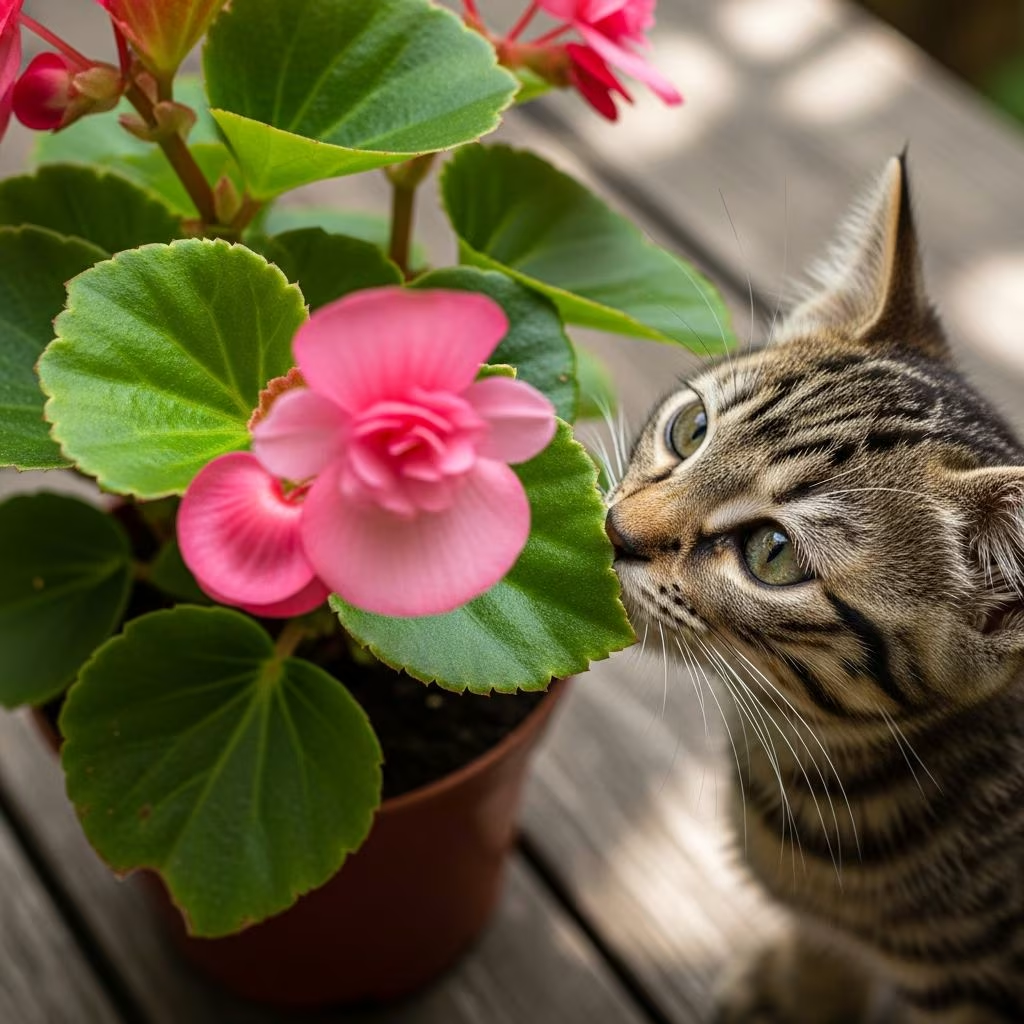
Begonias are popular flowering plants known for their vibrant colors and easy care, often found in homes and gardens. However, for cat owners, these beautiful plants pose a significant risk because begonias are poisonous to cats if ingested. The toxicity stems from soluble calcium oxalates, which irritate the mouth, throat, and digestive system upon consumption. While not typically fatal, ingestion can cause discomfort and requires prompt attention to prevent complications.
What Makes Begonias Toxic to Cats?
The primary toxic compound in begonias is **soluble calcium oxalates**, which form needle-like crystals that embed in tissues when chewed or swallowed. These crystals break down into oxalic acid, a potent irritant that triggers immediate oral and gastrointestinal reactions. The highest concentration of this toxin is found in the **roots, tubers, and rhizomes**, making underground parts the most dangerous. Leaves and flowers contain lower levels, so cats nibbling small amounts may experience milder symptoms, but any ingestion warrants caution.
Cats, as obligate carnivores, rarely seek out plants, but their curiosity can lead to exploratory nibbling, especially with appealing houseplants like begonias. Over 1,000 begonia species and 10,000 hybrids exist, all sharing this toxic profile. In grazing animals, large amounts can lead to kidney failure, but in cats, the effects are usually limited to irritation unless substantial roots are consumed.
Symptoms of Begonia Poisoning in Cats
Begonia poisoning is generally mild and self-limiting, but recognizing symptoms early is crucial. Cats may show signs within minutes to hours of ingestion. Common symptoms include:
- Excessive salivation or drooling: Due to mouth and throat irritation from oxalate crystals.
- Redness or sores around the mouth: Visible inflammation from crystal penetration.
- Excessive lip licking: Cats try to soothe the burning sensation.
- Vomiting: A natural response to expel the irritant, often immediate.
- Difficulty swallowing (dysphagia): Swelling in the throat makes eating or drinking painful.
- Loss of appetite or disinterest in food/water: Resulting from oral pain and nausea.
In severe cases, if roots are ingested and toxins reach the bloodstream, symptoms can escalate to liver stress or failure, though this is rare in cats. Monitor for lethargy, diarrhea, or labored breathing, and contact a vet immediately if observed. Most cases resolve without long-term damage, as the irritation prevents cats from consuming large quantities.
What to Do If Your Cat Eats a Begonia
If you suspect begonia ingestion, act quickly but calmly. First, remove any plant remnants from your cat’s mouth if safe to do so, without forcing the jaws open. Rinse the mouth gently with cool water or milk to dilute the crystals, but do not induce vomiting at home, as this can worsen esophageal irritation.
Call your veterinarian or an animal poison control hotline (e.g., ASPCA Poison Control) right away. Provide details like the amount ingested, plant part, and time elapsed. Do not wait for symptoms; early intervention prevents escalation.
What to Expect From the Vet
At the clinic, expect a thorough physical exam focusing on the mouth, throat, and abdomen. Vets may run blood tests to check for dehydration, electrolyte imbalances, or organ stress. Treatment is supportive:
- Fluid therapy: Intravenous fluids to flush toxins and combat dehydration from vomiting.
- Pain relief and anti-inflammatories: To reduce oral swelling and discomfort.
- Anti-emetics: Medications to control vomiting.
- Mild diet: Blended food or a soft diet for 2-3 days to ease throat irritation.
Most cats recover fully within 48 hours with no lasting effects. Hospitalization is rare unless severe symptoms like persistent vomiting or lethargy occur. Follow-up care includes monitoring appetite and litter box habits.
Other Common Houseplants Poisonous to Cats
Begonias aren’t the only risk; many popular houseplants are toxic to cats. As curious nibblers, cats may investigate despite their meat-based diet. Here’s a list of common culprits:
| Plant | Toxins | Symptoms in Cats | Severity |
|---|---|---|---|
| Mums (Chrysanthemums) | Pyrethrins | Vomiting, diarrhea, loss of appetite | Mild |
| Hyacinths | Narcissine alkaloids | Vomiting, diarrhea, lethargy, tremors, breathing issues | Moderate |
| Hydrangeas | Cyanogenic glycosides | Vomiting, diarrhea, lethargy, exhaustion | Mild-Moderate |
| Lily of the Valley | Cardiac glycosides | Vomiting, diarrhea, heart irregularities, abdominal pain | Severe |
| Bird of Paradise | Ornithogalum toxins | Labored breathing, digestive upset, eye discharge | Mild |
| Philodendron | Calcium oxalates | Oral irritation, drooling, vomiting, swelling | Mild-Moderate |
These plants, like begonias, contain irritants or systemic toxins. Lilies (true lilies, not lily of the valley) are especially deadly, causing kidney failure even in small amounts—though not covered here, always verify. Opt for cat-safe alternatives like spider plants or cat grass.
How to Cat-Proof Your Plants and Keep Your Feline Safe
Prevention is key to avoiding plant poisoning. Remove toxic plants entirely if possible, or implement deterrents:
- Cat-repellent sprays: Commercial products with bitter tastes or scents cats dislike; apply to pots or leaves.
- Citrus peels: Place orange or lemon peels around soil—cats detest the smell.
- Soil covers: Top pots with pebbles or aluminum foil to prevent digging.
- Elevation: Hang plants high or use shelves inaccessible to jumpers.
- Cat-safe plants: Grow catnip, cat grass, or valerian for safe nibbling.
- Training and distraction: Use toys or scratching posts to redirect curiosity.
For outdoor gardens, fence off areas or choose non-toxic flowers. Regular vet check-ups and pet insurance can provide peace of mind.
Frequently Asked Questions (FAQs)
Are all begonia species toxic to cats?
Yes, all Begonia spp., including over 1,000 species and hybrids, contain soluble calcium oxalates and are toxic to cats.
Can a cat die from eating begonias?
Death is extremely rare; toxicity is mild due to immediate irritation preventing large ingestion. Roots pose higher risk but usually cause only vomiting and salivation.
How long do begonia poisoning symptoms last in cats?
Symptoms typically resolve in 1-2 days with supportive care. Severe cases may take longer.
Are begonia roots more toxic than leaves?
Yes, roots, tubers, and rhizomes have the highest oxalate concentration, leading to more severe reactions.
What if my cat only licked a begonia?
Licking may cause minor salivation, but monitor closely. Rinse the mouth and watch for escalating symptoms.
Final Thoughts on Begonia Safety for Cat Owners
While begonias add beauty to homes, their toxicity makes them unsuitable for cat households. Prioritize pet safety by choosing non-toxic plants and using deterrents. Swift action on suspected poisoning ensures quick recovery. Consult resources like the ASPCA for plant lists, and always err on caution with feline explorers.
References
- Are Begonias Poisonous to Cats? Vet-Verified Facts, Risks & Safety — Catster. 2023. https://www.catster.com/cat-health-care/are-begonias-poisonous-to-cat/
- Begonia – Toxic and Non-toxic Plants — ASPCA. Accessed 2026. https://www.aspca.org/pet-care/aspca-poison-control/toxic-and-non-toxic-plants/begonia
- Are Begonia Poisonous — Plant Addicts. 2023. https://plantaddicts.com/are-begonia-poisonous/
- 15 Plants That Are Toxic to Pets — Easyplant. 2023. https://easyplant.com/blog/plants-toxic-to-pets
- Begonia Poisoning in Cats — WagWalking. Accessed 2026. https://wagwalking.com/cat/condition/begonia-poisoning



