

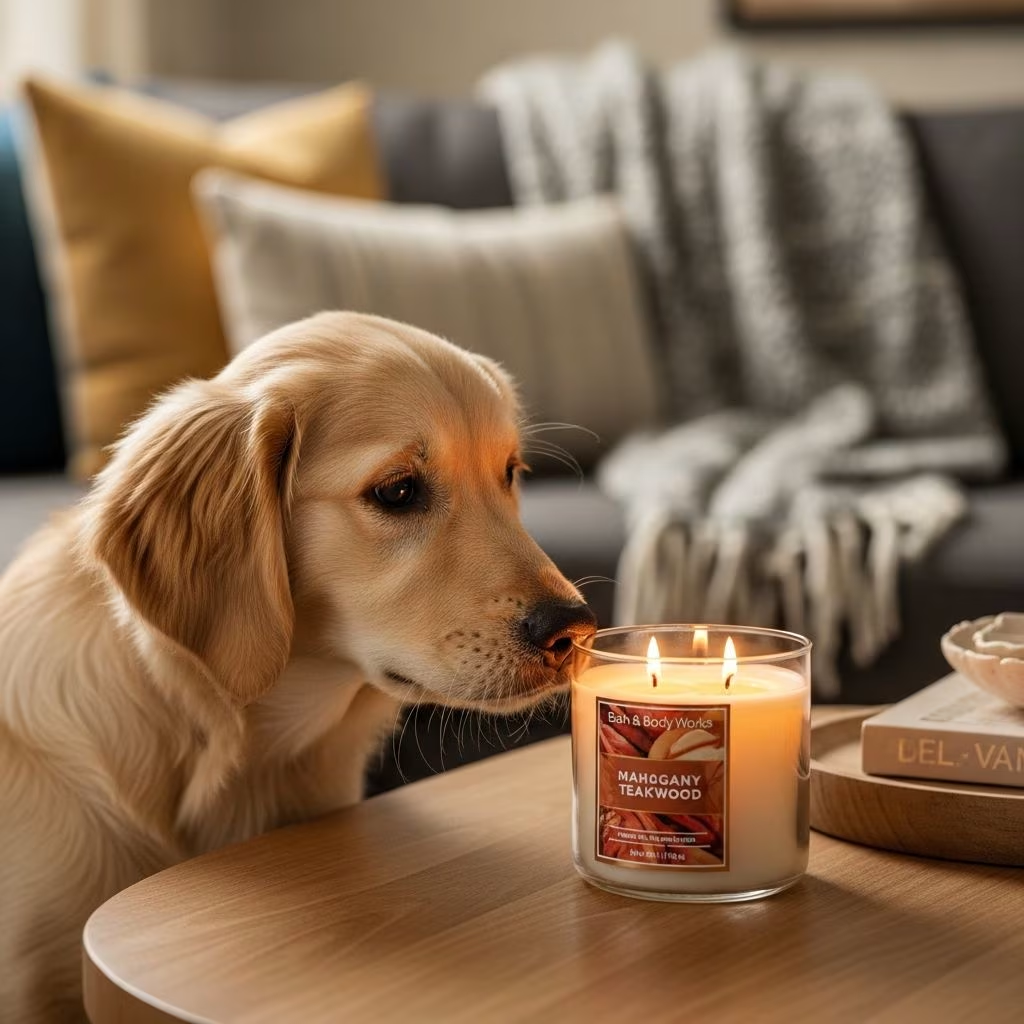
Popular home fragrance brands like Bath & Body Works offer a wide array of scented candles that create cozy atmospheres. However, dog owners often wonder if these products pose risks to their pets. Many scented candles, including those from Bath & Body Works, release volatile compounds and essential oils during burning that can irritate or poison dogs. This article examines the potential dangers, symptoms to watch for, safer options, and practical tips to keep your canine companion healthy.
Understanding Candle Ingredients and Their Impact on Canines
Candles from brands like Bath & Body Works typically use paraffin wax blended with synthetic fragrances and essential oils for their signature scents. Paraffin, derived from petroleum, produces soot and releases volatile organic compounds (VOCs) such as benzene and toluene when burned. These pollutants can harm respiratory systems, particularly in dogs with sensitive noses. Essential oils like tea tree, eucalyptus, cinnamon, citrus, and peppermint—common in scented varieties—are highly concentrated plant extracts toxic to dogs, potentially causing severe health issues even in small inhaled or ingested amounts.
Dogs process scents differently than humans due to their superior olfactory sense. What smells pleasant to us can overwhelm their systems, leading to absorption through the lungs or skin contact. Phthalates, used to stabilize fragrances, add another layer of concern as they mimic hormones and accumulate in the body, raising long-term health risks.
Primary Health Risks Posed by Scented Candles
Exposure to burning scented candles can affect dogs through inhalation, ingestion, or physical contact. Here’s a breakdown of key risks:
- Respiratory Problems: Smoke and VOCs irritate airways, causing coughing, wheezing, or exacerbated conditions in brachycephalic breeds like Bulldogs or Pugs.
- Allergic Reactions: Fragrances trigger skin irritation, itching, hives, or watery eyes, especially in allergy-prone dogs.
- Essential Oil Toxicity: Oils penetrate the bloodstream via inhalation or licking, leading to tremors, low blood pressure, or organ failure.
- Ingestion Hazards: Chewed wax causes gastrointestinal blockages or upset; wicks with metals like lead add toxicity.
- Fire and Burn Dangers: Curious dogs may knock over flames, resulting in burns or house fires.
| Risk Factor | Sources of Danger | Common Candle Types |
|---|---|---|
| High Toxicity | Essential oils (e.g., eucalyptus, cinnamon) | Scented paraffin |
| Moderate Irritation | VOCs, phthalates | All scented varieties |
| Physical Hazard | Wax ingestion, flames | Any lit candle |
Recognizing Symptoms of Candle Exposure in Dogs
Early detection is crucial. Monitor your dog after lighting candles for these signs, categorized by severity:
Mild Reactions
- Sneezing, coughing, or runny nose
- Watery or red eyes
- Excessive scratching or paw licking
- Mild lethargy or hiding
Severe Symptoms Requiring Immediate Vet Care
- Vomiting, diarrhea, or drooling
- Tremors, unsteadiness, or paralysis
- Difficulty breathing, rapid panting
- Low body temperature or heart rate
- Skin rashes, swelling, or hives
If ingestion occurs, watch for abdominal pain, bloating, or refusal to eat, as wax can form blockages. Vulnerable groups include puppies, seniors, and dogs with pre-existing asthma, allergies, or heart conditions.
Are Bath & Body Works Candles Specifically Risky?
Bath & Body Works candles feature strong, diverse scents often derived from essential oils and synthetic blends. While the brand doesn’t explicitly market them as pet-safe, their formulations mirror general scented candles flagged by vets for pet risks. Popular lines like “Mahogany Teakwood” or “Japanese Cherry Blossom” may include citrus, pine, or spice notes toxic to dogs. The high fragrance load amplifies VOC emissions, making them unsuitable for homes with pets. Always check labels for ingredients, though full disclosures are rare.
Safer Alternatives to Traditional Scented Candles
You don’t have to forgo ambiance. Opt for these pet-friendly options:
- Unscented Natural Wax Candles: Made from soy, beeswax, or coconut wax, they burn cleaner with minimal soot.
- Flameless LED Candles: Battery-operated with realistic flicker, zero smoke or toxins—ideal for playful pups.
- Pet-Safe Diffusers: Use water-based or low-oil diffusers with dog-approved scents like lavender (in moderation).
- Ventilation Boosters: Essential oil-free room sprays or HVAC filters designed for pets.
For ultimate safety, position any candle high out of reach and extinguish before leaving the room.
Emergency Response: What to Do If Your Dog Is Affected
Act fast if symptoms appear:
- Extinguish the candle and ventilate the area thoroughly.
- Remove wax remnants to prevent further ingestion.
- Observe and note symptoms’ onset relative to candle use.
- Contact your vet, ASPCA Poison Control (888-426-4435), or Pet Poison Helpline (855-764-7661).
- Do not induce vomiting unless instructed.
Treatment may involve activated charcoal, IV fluids, or monitoring for blockages via X-rays.
Preventive Strategies for a Pet-Safe Home Environment
Proactive habits minimize risks:
- Burn candles only in supervised, well-ventilated spaces.
- Choose glass-enclosed holders to contain flames.
- Maintain separation: Keep dogs in another room during use.
- Regular health checks for at-risk breeds.
- Educate household members on pet sensitivities.
FAQs on Candles and Dog Safety
Can any candle be safe around dogs?
Unscented soy or beeswax candles pose the lowest risk if kept inaccessible, but avoid entirely for dogs with respiratory issues.
What if my dog ate candle wax?
Wax isn’t usually toxic but can block intestines. Monitor for vomiting or lethargy and call your vet promptly.
Are essential oil candles worse than synthetic ones?
Both are risky, but essential oils cause more acute poisoning; synthetics lead to chronic irritation.
How long do candle fumes linger?
VOCs can persist for hours; open windows and use fans to clear air faster.
Are there vet-approved candle brands?
Look for those certified pet-safe with natural waxes and no added fragrances.
References
- Are Scented Candles Bad for Dogs? How to Keep Your Pup Safe — GoodRx Pet Health. 2023-2024. https://www.goodrx.com/pet-health/dog/are-candles-bad-for-dogs
- Are Scented Candles Making Your Dog Sick? 5 Warning Signs — Woowoo Crystal Co. 2023. https://woowoocrystalco.com/blogs/guides/are-scented-candles-bad-for-dogs
- Are Candles Bad For Dogs? — Rover.com. 2023. https://www.rover.com/blog/are-candles-bad-for-dogs/
- What to Do If Your Dog Ate Candle Wax — Wakefield Pet Vet (Companion Animal Hospital). 2023-2024. https://wakefieldpetvet.com/blog/dog-ate-candle-wax/
- Candle Safety for Pets — Humane Society of Broward County. 2022-12-14. https://humanebroward.com/2022/12/14/candle-safety-for-pets/



