

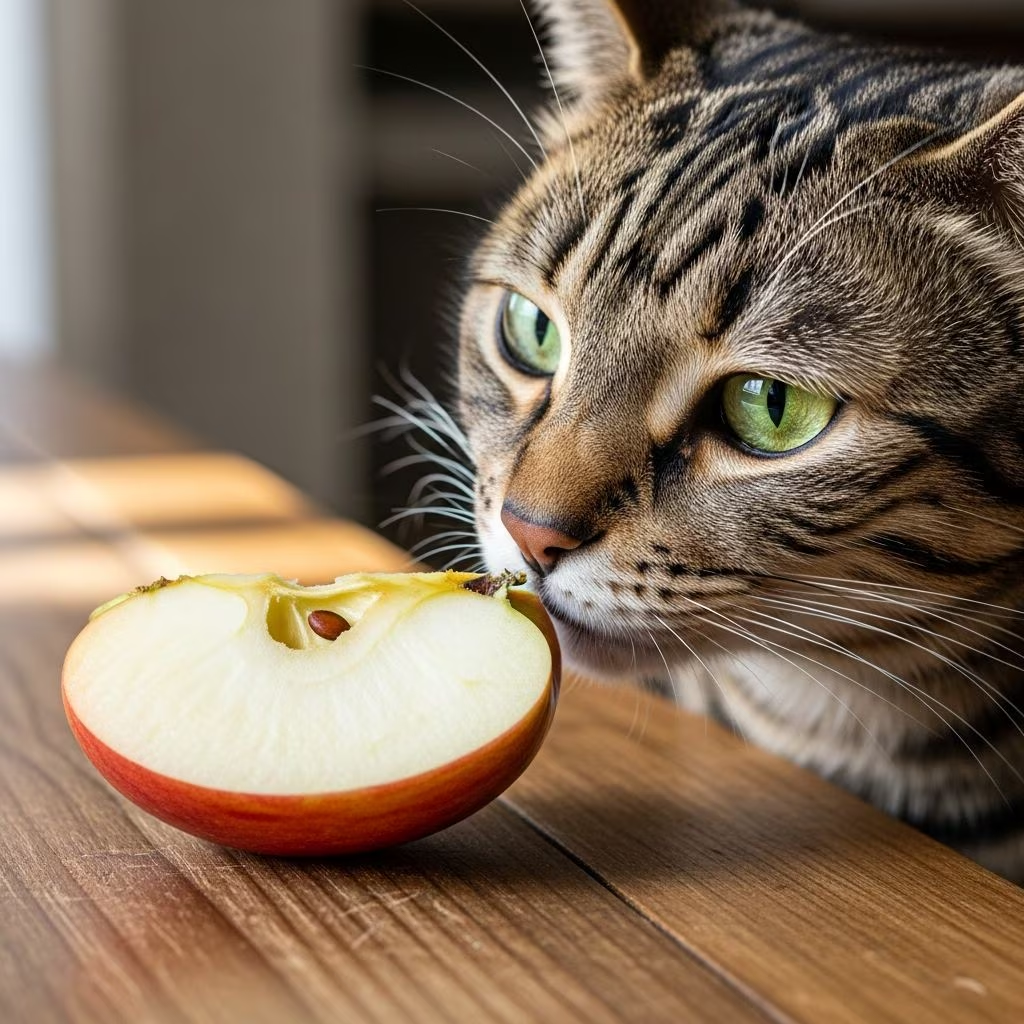
Cats can safely consume small amounts of plain apple flesh as an occasional treat, provided seeds, stems, leaves, and core are completely removed to avoid toxicity risks. As obligate carnivores, felines derive minimal nutritional value from fruits like apples, which should never replace a balanced commercial cat diet.
Understanding Feline Dietary Needs
Cats evolved as strict meat-eaters, relying on animal proteins and fats for essential nutrients like taurine and arachidonic acid, which plants cannot provide adequately. While apples offer hydration, fiber, and trace vitamins such as A, C, and K in humans, cats’ digestive enzymes are optimized for prey, limiting their ability to process plant-based sugars and fibers efficiently. Introducing fruits sporadically can add variety but risks digestive imbalance if overfed.
Nutritional Profile of Apples for Cats
Fresh apples contain about 95% water, making them a low-calorie option at roughly 52 calories per 100 grams, with natural sugars (fructose) comprising 10-12%. They provide soluble fiber like pectin, which supports gut motility in small doses, and antioxidants that may combat oxidative stress. However, cats lack sweet taste receptors, so apples often hold little appeal compared to savory meats.
- Hydration boost: High water content helps during hot weather or mild dehydration.
- Fiber aid: Pectin may ease constipation in tiny portions.
- Vitamin traces: Minor contributions to vitamins A and C, though cat food formulas already meet these needs.
- Calorie control: Lower sugar than many treats, ideal for weight management when limited to 10% of daily intake.
Despite these perks, apples lack complete proteins, making them unsuitable as a dietary staple. Over-reliance could lead to nutrient deficiencies.
Potential Health Benefits and Limitations
In moderation, apple slices might serve as a dental scrubber due to their texture, potentially reducing plaque buildup during chewing. The fiber could promote healthy bowel movements for cats prone to hairballs. Studies on humans link apple antioxidants to reduced inflammation, but feline-specific research is sparse, with benefits likely negligible given cats’ short digestive tracts.
| Nutrient | Amount per 100g Apple | Benefit for Cats | Daily Cat Requirement (Adult) |
|---|---|---|---|
| Vitamin A | 54 IU | Vision support | 9,000-10,000 IU |
| Vitamin C | 4.6 mg | Immune aid (cats synthesize it) | None (self-produced) |
| Fiber | 2.4 g | Digestion | 1-4% of diet |
| Sugar | 10.4 g | Energy (risky in excess) | Minimal |
This table highlights why apples are supplementary at best; a 5kg cat needs around 200-250 calories daily, so one small slice (5-10g) suffices as a treat.
Dangerous Parts of Apples to Avoid
Apple seeds, stems, leaves, and core pose serious threats due to amygdalin, which releases cyanide upon chewing. Even small quantities can cause poisoning in cats, manifesting as dilated pupils, rapid breathing, seizures, or coma. A cat’s smaller body mass amplifies toxicity—ingesting just a few seeds warrants immediate veterinary attention.
- Seeds: Cyanide precursor; crush 5-10 for risk.
- Stems/Leaves: Similar toxins; discard entirely.
- Core: Choking hazard and indigestible.
Symptoms of exposure include lethargy, vomiting, and shock. Contact ASPCA Poison Control (888-426-4435) or a vet promptly if suspected.
Safe Preparation Methods for Apple Treats
Start with organic, unblemished apples to minimize pesticide residue. Wash thoroughly, peel to reduce fiber overload, core and seed meticulously, then slice into ¼-inch pieces to prevent choking.
- Wash under running water.
- Peel skin for easier digestion.
- Remove core, seeds, and stem.
- Cut into tiny, manageable bites.
- Offer raw or steamed plain—no additives.
Cooked apples soften, aiding senior cats or those with dental issues, but avoid oils, spices, or sweeteners like cinnamon, which irritate feline stomachs.
Recommended Feeding Guidelines
Limit to 1-2 small pieces (pea-sized) once or twice weekly, equating to under 10 calories or 5-10% of daily calories. Monitor first feeding for tolerance; discontinue if issues arise. Puppies, kittens, and lactating queens need stricter caution due to higher nutrient demands.
- Healthy adults: Occasional treat.
- Portion: 1-2 squares, 1-2x/week.
- Frequency: Not daily to avoid sugar spikes.
Risks and Cats with Special Conditions
High natural sugars (14g per medium apple) can exacerbate diabetes, obesity, or pancreatitis. Fiber may trigger diarrhea, gas, or vomiting in sensitive guts, IBD, or gastroenteritis cases. Allergic reactions, though rare, present as itching or swelling—seek vet care.
Avoid entirely for:
- Diabetic cats (blood sugar instability).
- Obese felines (calorie surplus).
- GI-disordered cats (fiber intolerance).
Applesauce, Juice, and Processed Forms
Homemade, unsweetened applesauce in trace amounts is safer post-cooking, but commercial versions contain sugars, preservatives, and thickeners harmful to cats. Apple juice, even diluted, delivers concentrated sugars without fiber, risking upset. Dried or candied apples concentrate sugars dangerously, promoting weight gain and dental issues.
Steer clear of baked goods like pies, loaded with butter, sugar, nutmeg (toxic), and raisins (kidney failure risk).
Baked Apple Recipes for Cats
For variety, bake plain peeled apple slices at 350°F for 15-20 minutes until soft. Puree for sauce or mix with cat-safe pumpkin. A simple recipe:
- 1 small apple, peeled/cored.
- Steam 10 mins.
- Mash; cool; serve 1 tsp.
Freeze into paw-shaped treats for summer cooling.
Monitoring and Emergency Signs
Post-feeding, watch 24-48 hours for vomiting, diarrhea, lethargy, or appetite loss. Rotten apples ferment alcohol, causing toxicity. If adverse effects occur, withhold food, hydrate, and consult a vet. Probiotics may soothe mild upsets.
Alternatives to Apples for Cat Treats
Prefer cat-formulated treats or safe options like:
- Blueberries: Antioxidants, low sugar.
- Pumpkin puree: Fiber for hairballs (plain, canned).
- Watermelon: Hydrating (seedless rind-off).
- Commercial freeze-dried meat: Nutritionally balanced.
These mimic apples’ appeal without excess carbs.
Frequently Asked Questions
Can cats taste the sweetness in apples?
No, most cats lack functional sweet receptors, finding apples bland or texturally interesting at best.
Is apple skin safe for cats?
Avoid skin; it’s tough, pesticide-laden, and fiber-heavy, risking blockages.
What if my cat eats apple seeds?
Seeds release cyanide—call vet or poison control immediately, even for one.
Are cooked apples better than raw?
Cooked are softer and more digestible, but plain only—no sugars or spices.
How much apple is too much?
Exceed 10% daily calories risks diarrhea or sugar issues; stick to tiny portions weekly.
Expert Advice from Veterinarians
Always consult your vet before new foods, especially for health-compromised cats. Dr. Tina Wismer from ASPCA emphasizes bite-sized pieces to avoid choking. PetMD vets note minimal benefits, prioritizing meat-based nutrition.
References
- Can Cats Eat Apples? Here’s Everything You Need to Know — Pawlicy Advisor. 2023. https://www.pawlicy.com/blog/can-cats-eat-apples/
- Can Cats Eat Apples? Human Food for Cats — Kinship. 2023. https://www.kinship.com/cat-nutrition/can-cats-eat-apples
- Can Cats Eat Apples? — PetMD. 2024-02-17. https://www.petmd.com/cat/nutrition/can-cats-eat-apples
- 4 Fruits You Can Feed Your Cat in Moderation — Lola Hemp. 2023. https://lolahemp.com/blogs/cat-health/which-fruits-are-safe-for-cats
- Can My Pet Eat That: Apples — Hill’s Pet. 2023. https://www.hillspet.com/can-my-pet-eat-that



