
Are Acorns Safe for Dogs?
Discover the hidden dangers of acorns for dogs and learn essential prevention strategies to keep your pet safe year-round.
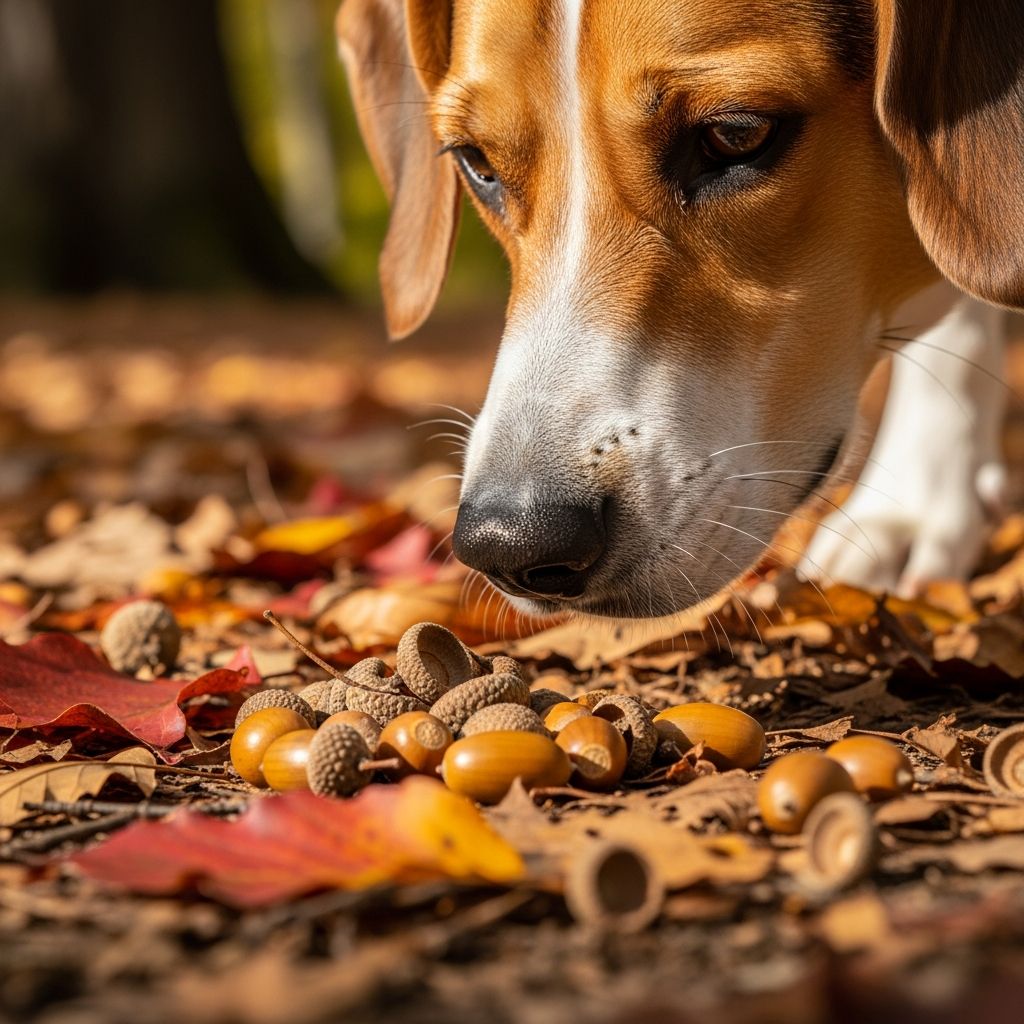
Acorns, the small nuts dropped by oak trees, may look like innocent treats to curious dogs, but they carry significant health risks. These nuts contain tannins and other compounds that can lead to gastrointestinal upset, organ damage, choking, and intestinal obstructions in dogs of all sizes.
Understanding the Appeal of Acorns to Canines
Dogs often investigate acorns during walks, especially in fall when oak trees shed them abundantly. Their nutty scent and novel texture spark interest in breeds known for foraging, like Labs or Terriers. While a single acorn might not always cause harm, the cumulative or concentrated intake can trigger problems quickly.
Owners report dogs crunching acorns absentmindedly or swallowing them whole while sniffing leaf piles. Puppies and small breeds face heightened vulnerability due to their size, where even minimal consumption equates to a large relative dose.
Primary Toxins in Acorns and Their Effects
The core danger stems from
tannins
, polyphenolic compounds abundant in oak nuts, leaves, and bark. These astringent substances irritate a dog’s digestive tract, causing inflammation upon breakdown.When metabolized, tannins produce gallic acid, a byproduct linked to liver and kidney damage. Veterinary experts note that severity escalates with quantity ingested: small dogs may react to 1-2 acorns, while larger ones tolerate more before symptoms appear.
| Dog Size | Weight Range | Potentially Toxic Acorn Count |
|---|---|---|
| Extra-Small | 2–10 lbs | 1–2 |
| Small | 11–20 lbs | 2–3 |
| Medium | 21–50 lbs | 3–4 |
| Large | 51–90 lbs | 4–5 |
| Extra-Large | 91+ lbs | 5–6 |
This table illustrates approximate thresholds based on veterinary observations; individual sensitivity varies.
Beyond Toxicity: Physical Hazards of Acorns
Acorns’ hard shells pose mechanical threats. Swallowing them intact risks
choking
, particularly in brachycephalic breeds like Bulldogs with narrower airways.Larger fragments can lodge in the esophagus, stomach, or intestines, leading to blockages requiring surgical removal. A documented case involved a Labrador needing extended hospitalization for kidney injury compounded by obstruction.
- Dental damage: Chewing cracks teeth or injures gums.
- Perforation risk: Sharp edges may puncture intestinal walls.
- Mold exposure: Ground acorns ferment, growing mycotoxins that induce tremors or seizures.
Recognizing Symptoms of Acorn Ingestion
Effects manifest within hours. Initial signs include
vomiting
,diarrhea
, andabdominal pain
, often with lethargy or refusal to eat.Advanced toxicity presents dehydration, bloody stools, jaundice, or collapse from organ failure. Monitor closely post-exposure, as delays worsen outcomes.
- Observe for 24-48 hours after suspected intake.
- Note changes in urine color or frequency, indicating kidney involvement.
- Track energy levels and hydration status.
Quercus Poisoning: Broader Oak Tree Risks
Acorn issues extend to
Quercus poisoning
from oak leaves, buds, or bark. Spring buds and green acorns pack higher tannin loads, amplifying danger.Dogs grazing under oaks may accumulate toxins gradually, mimicking chronic exposure. Symptoms mirror acorn ingestion but persist longer without intervention.
Immediate Actions if Your Dog Eats Acorns
Treat as an emergency. Contact your vet or a pet poison hotline promptly—do not induce vomiting without guidance, as it risks aspiration.
Veterinary care may involve activated charcoal to bind toxins, IV fluids for hydration, anti-nausea meds, and diagnostics like bloodwork or ultrasounds for blockages.
Prognosis improves with early action; untreated cases can lead to fatal kidney failure.
Prevention Strategies for Acorn Season
Proactive steps minimize risks:
- Yard maintenance: Rake leaves and nuts regularly, especially post-fall.
- Walk wisely: Avoid oak-heavy parks; stick to paved paths.
- Training commands: Teach “leave it” or “drop it” with positive reinforcement.
- Supervision: Keep dogs leashed in nut-prone areas.
- Barriers: Fence off oak trees if present.
Combine with safe chew toys to redirect foraging instincts.
Factors Influencing Acorn Danger Levels
Not all acorns equally threaten.
Green acorns
hold more tannins than ripe brown ones. Fermenting or moldy nuts on damp ground heighten mycotoxin risks.Small or puppy dogs suffer outsized effects due to body mass ratios. Pre-existing conditions like kidney disease amplify susceptibility.
Safe Alternatives to Keep Dogs Entertained
Replace risky finds with vet-approved options:
- Carrot sticks or apple slices (no seeds).
- Durable rubber toys filled with kibble.
- Frozen Kongs with peanut butter (xylitol-free).
These satisfy chewing urges without health perils.
FAQs: Acorns and Dog Safety
Can a single acorn harm my dog?
Possibly, especially in tiny breeds—it may cause upset stomach or choking. Monitor and consult a vet if concerned.
Why are some dogs more prone to eating acorns?
Curious, food-motivated, or scavenging breeds like hounds or retrievers investigate novel items most.
Is oak poisoning fatal?
Potentially, if untreated and extensive, leading to organ failure. Swift vet care usually prevents this.
How to clean up acorns safely?
Wear gloves, rake promptly, and dispose in sealed bags to deter re-scattering by wind or animals.
Do all oak species produce toxic acorns?
Yes, all Quercus varieties contain tannins; toxicity varies slightly by species but remains hazardous.
Long-Term Health Monitoring Post-Exposure
Even mild cases warrant follow-ups. Blood tests check kidney/liver function weeks later. Annual wellness exams catch lingering effects early.
Educate family members on risks, ensuring collective vigilance.
References
- Can Dogs Eat Acorns? Risks and Safety Tips for Owners — Halo Collar. 2023. https://www.halocollar.com/blog/dog-safety/dogs-eat-acorns/
- Can Dogs Eat Acorns? Why They’re Toxic and What To Do — Chewy. 2024. https://www.chewy.com/education/dog/food-and-nutrition/can-dogs-eat-acorns
- Are acorns poisonous to dogs? — Vets Now. 2023. https://www.vets-now.com/pet-care-advice/acorns-and-dogs/
- Can Dogs Eat Acorns and Other Tree Nuts? — American Kennel Club. 2024-10-15. https://www.akc.org/expert-advice/nutrition/can-dogs-eat-acorns-tree-nuts/
- Are acorns bad for dogs? — The Royal Kennel Club. 2023. https://www.royalkennelclub.com/health-and-dog-care/health-dog-care/health/health-and-care/a-z-of-health-and-care-issues/acorns/
- Should You Keep Dogs Away From Acorns? — Texas A&M University College of Veterinary Medicine & Biomedical Sciences. 2023-10-20. https://vetmed.tamu.edu/news/pet-talk/dogs-and-acorns/
Similar Articles








Read full bio of Sneha Tete




