

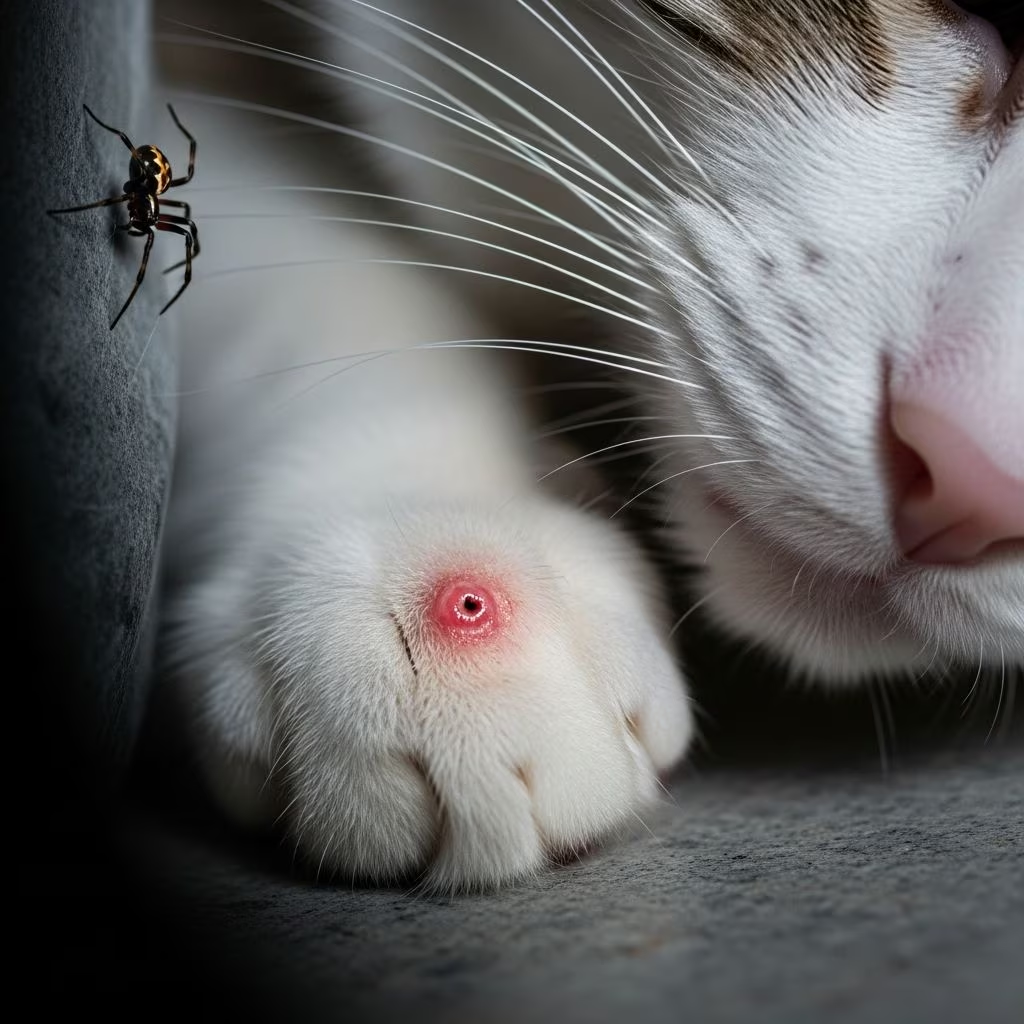
Venomous arachnids like spiders and scorpions pose occasional threats to household pets, particularly in regions where these creatures thrive. While most encounters result in mild discomfort, certain species can induce significant health issues requiring prompt veterinary intervention. This article delves into the biology of these envenomations, clinical presentations in animals, diagnostic approaches, and comprehensive treatment protocols, empowering pet owners and veterinarians to respond effectively.
Understanding Arachnid Venom Mechanisms
Arachnid venoms are complex cocktails evolved primarily for subduing prey and defense. In spiders, these mixtures often feature neurotoxins that disrupt nerve signaling or cytotoxins that damage tissues. Scorpion venoms, conversely, predominantly target ion channels in nerves and muscles, leading to overstimulation or paralysis. Pets such as dogs and cats may encounter these during outdoor explorations or in garages and sheds.
The potency varies widely; not all arachnids can penetrate mammalian skin effectively due to small chelicerae or insufficient venom yield. However, key species in North America warrant attention for their capacity to cause envenomation in companion animals.
Key Venomous Spiders Threatening Pets
Several spider families stand out for their clinical relevance in veterinary practice. These include the widow spiders and recluse spiders, each with distinct venom profiles.
Widow Spiders: Neurotoxic Powerhouses
Belonging to the Latrodectus genus, widow spiders like the black widow deliver alpha-latrotoxin, a potent neurotoxin. This compound triggers massive neurotransmitter release at synapses, followed by depletion, resulting in muscle rigidity and pain. Cats and horses show heightened sensitivity, while dogs exhibit partial resistance.
Bites often occur on extremities during accidental contact. Initial puncture marks may be subtle, overshadowed by escalating systemic effects like abdominal cramping, restlessness, and hypertension.
Recluse Spiders: Cytotoxic Destroyers
Brown recluse spiders (Loxosceles spp.) produce sphingomyelinase D, an enzyme sparking complement activation, thrombosis, and necrosis. Bites start painlessly, evolving into blistering lesions with ischemic centers over hours. In rare cases, pets develop hemolytic anemia or coagulopathies.
Lesions progress to eschar-covered ulcers, sometimes necessitating surgical debridement. Systemic involvement remains uncommon in dogs and cats.
Prominent Scorpion Species and Their Risks
Scorpions deploy tail stings laced with neurotoxins blocking sodium and potassium channels. Most U.S. species inflict painful but benign stings. The Arizona bark scorpion (Centruroides sculpturatus) exception induces profound effects via ion channel interference, causing autonomic dysregulation.
In canines, stings provoke local swelling and pain, occasionally escalating to tachycardia, salivation, and agitation. Antivenom exists but sees limited veterinary application due to narrow therapeutic windows.
Clinical Manifestations in Companion Animals
| Arachnid Type | Local Signs | Systemic Signs | Species Sensitivity |
|---|---|---|---|
| Widow Spider | Painful puncture, minimal swelling | Muscle spasms, anxiety, tachycardia | High: Cats, Horses |
| Recluse Spider | Erythema, blistering, necrosis | Fever, anemia (rare) | Moderate: All pets |
| Bark Scorpion | Edema, intense pain | Twitching, hypersalivation, hypertension | Moderate: Dogs |
This table summarizes hallmark responses, aiding rapid triage. Progression timelines differ: neurotoxic effects surge within minutes, while necrotic changes unfold over days.
Diagnostic Strategies for Suspected Envenomations
Veterinarians rely on history, clinical exams, and ancillary tests. Owner reports of arachnid sightings or regional prevalence guide suspicion. Physical findings include fang marks, pallor, or stings.
- Labwork: CBC for hemolysis, coagulation panels for DIC, serum chemistries for organ strain.
- Imaging: Radiographs or ultrasound for deep tissue involvement or pulmonary edema.
- Toxicity Profiling: Though uncommon, ELISA assays detect specific venom antigens in select labs.
Differential diagnoses encompass trauma, infections, or allergic reactions, necessitating thorough exclusion.
Emergency Management Protocols
Immediate actions stabilize patients. Clip hair around sites, cleanse with antiseptics, and apply cold packs judiciously to curb venom spread without exacerbating necrosis.
Supportive Care:
- IV fluids for hydration and perfusion.
- Analgesics: Opioids or NSAIDs, avoiding those risking renal compromise in dehydrated animals.
- Muscle relaxants like methocarbamol for spasms.
- Antihistamines or epinephrine for anaphylactoid reactions.
For recluse bites, wound care involves minimal interference initially, progressing to surgical excision if needed. Scorpion cases benefit from monitoring cardiac parameters.
Specific Antidotes and Advanced Therapies
Black widow antivenom (equine-derived) reverses neurotoxicity if given early, though hypersensitivity risks temper use. Bark scorpion antivenom similarly demands prompt administration.
Experimental therapies target venom components: prazosin mitigates scorpion-induced catecholamine storms, while dapsone controversially addresses recluse dermonecrosis.
Species-Specific Considerations
Dogs
Often resilient to widow venom, dogs predominantly suffer pain and agitation from scorpions. Monitor for secondary infections at sting sites.
Cats
Highly vulnerable to Latrodectus, exhibiting profound rigidity. Supportive care predominates.
Exotics and Livestock
Horses face widow-induced colic; guinea pigs succumb readily. Tailor interventions accordingly.
Prevention Tactics for Pet Owners
Proactive measures minimize risks:
- Seal home crevices, reduce clutter in outbuildings.
- Use pet-safe pesticides judiciously.
- Educate on endemic species via local extension services.
- Supervise outdoor time in high-risk zones.
Post-encounter vigilance includes observing for delayed symptoms up to 72 hours.
Prognosis and Long-Term Outcomes
Most cases resolve fully with timely care. Mortality proves rare in treated pets, confined to overwhelming envenomations or comorbidities. Necrotic wounds may scar, prompting dermatology follow-ups.
Frequently Asked Questions (FAQs)
What should I do if my dog is bitten by a spider?
Prevent self-trauma, seek veterinary evaluation promptly. Provide details on the spider’s appearance.
Are scorpion stings fatal to cats?
Rarely; pain management suffices for most. Systemic signs warrant hospitalization.
How long do black widow bite effects last?
Symptoms peak in 24-48 hours, abating over days with treatment.
Can I treat recluse bites at home?
No; professional assessment prevents complications like infection.
Is antivenom always necessary?
Not routinely; reserved for severe, refractory cases.
Emerging Research on Arachnid Venoms
Ongoing studies dissect venom peptides for analgesic or antimicrobial applications. Veterinary trials explore novel antagonists, promising refined therapies.
References
- Spider and Scorpion Bites in Animals — Merck Veterinary Manual. 2023. https://www.merckvetmanual.com/toxicology/venomous-arthropods/spider-and-scorpion-bites-in-animals
- Pain-related toxins in scorpion and spider venoms — PMC (National Library of Medicine). 2021-12-01. https://pmc.ncbi.nlm.nih.gov/articles/PMC8667759/
- Global Spider and Scorpion Envenomation Management — NatTrauma Guidance. 2021-02-09. https://guidance.nattrauma.org/media/u1tlgarq/global_spider_and_scorpion_envenomation_management_09_feb_2021_id84.pdf



