

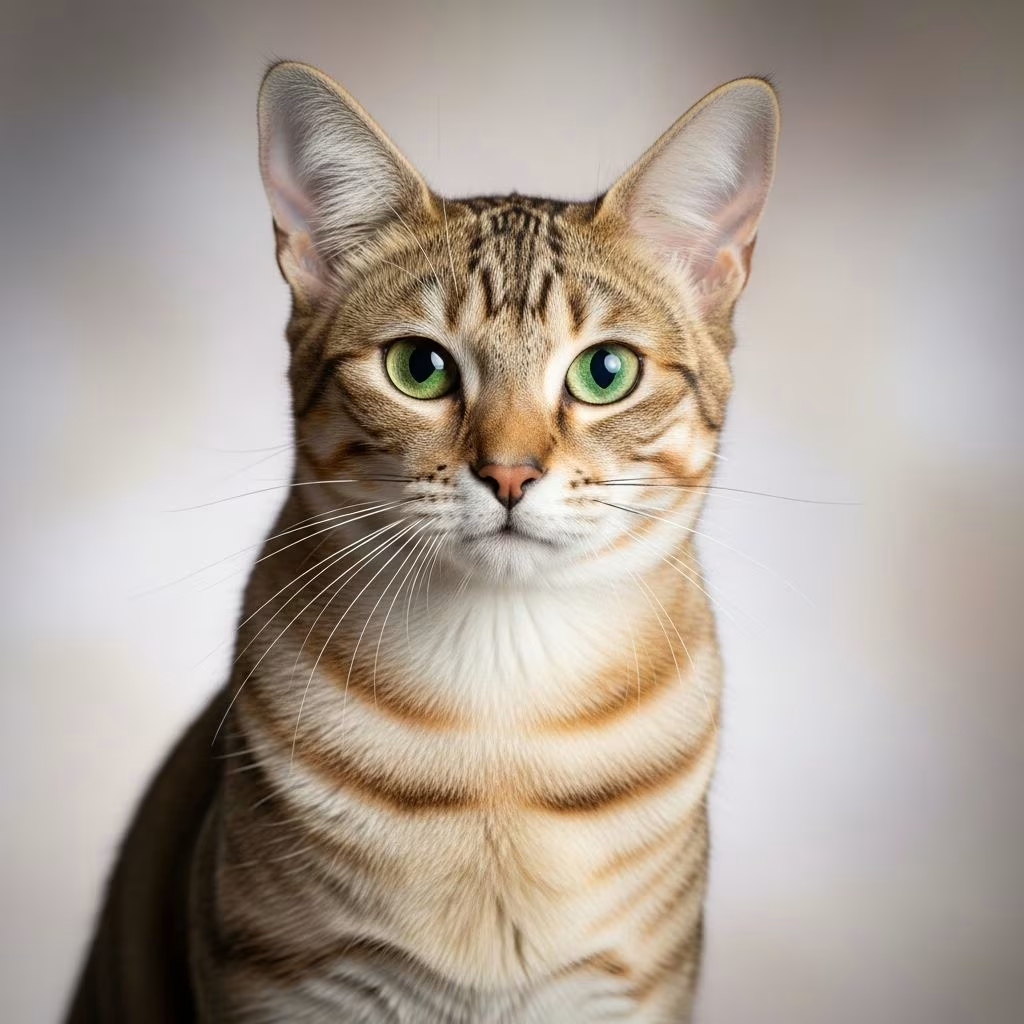
The Arabian Mau stands out as a remarkable domestic cat breed, shaped by the harsh deserts of the Arabian Peninsula over millennia. This natural breed combines rugged adaptability with a sociable nature, making it an intriguing choice for cat enthusiasts seeking a pet with deep-rooted heritage and engaging personality.
Deep Roots in the Desert Landscape
Tracing back more than 1,000 years, the Arabian Mau emerged naturally from early African wildcat ancestors in regions like Saudi Arabia, Kuwait, and the United Arab Emirates. Unlike many breeds crafted through selective human breeding, these cats evolved through natural selection in arid environments, developing traits suited to extreme heat and sparse resources.
Initially thriving as feral populations in deserts, Arabian Maus gradually shifted toward urban areas as cities expanded, drawn by reliable food sources near human settlements. This transition marked their domestication without formal programs until recent decades. In the 1990s, breeder Petra Müller in the UAE initiated efforts to standardize and preserve the breed, monitoring generations to meet registry standards.
Official recognition came in 2008-2009 from the World Cat Federation (WCF), marking the first new breed accepted by the organization in over a decade. The Emirates Feline Federation also acknowledges them, affirming their status as a landrace breed—a population naturally adapted to its locale.
Physical Characteristics and Build
Arabian Maus possess a medium-sized, muscular frame ideal for agility and endurance, with males often larger than females, weighing 3-7 kg. Their bodies are sleek and firm, supporting long legs built for swift running and impressive leaps.
The head is rounded with prominent whisker pads and notably large, pointed ears that aid in heat dissipation—a vital adaptation for desert survival. Eyes are oval-shaped, with colors harmonizing with the coat, adding to their expressive appeal.
Coat-wise, they feature short, dense fur lacking an undercoat, which keeps them cool in heat but sensitive to cold. Patterns vary widely: solid colors, tabby stripes, spots, or bi-colors in shades like red, black, white, brown, and more.
| Feature | Description |
|---|---|
| Size | Medium; males up to 7kg |
| Coat | Short, no undercoat; varied patterns |
| Ears | Large, pointed for heat loss |
| Legs | Long, muscular for jumping |
| Tail | Medium length, agile |
Personality Traits and Daily Behavior
Full of vitality, Arabian Maus exhibit high energy levels, loving play, exploration, and hunting simulations. They form strong attachments to family members, often shadowing owners room-to-room in search of interaction. Vocal tendencies mean they communicate desires through meows or chirps, demanding attention or play.
- Playful and intelligent, excelling in puzzle toys and climbing structures.
- Affectionate yet independent, balancing lap time with solo adventures.
- Territorial, potentially wary of strangers or rival cats, especially same-sex ones.
- Child-friendly and adaptable, though best with active households matching their vigor.
Despite desert origins, they thrive indoors with ample stimulation, perching high on shelves or fridge tops to survey their domain.
Essential Grooming and Maintenance
Low-maintenance coats require weekly brushing to manage shedding and distribute oils. Their lack of undercoat simplifies care but demands vigilance against chills—provide heated beds or blankets in cooler climates.
Nail trims every 2-3 weeks, ear checks for wax buildup (due to large ears), and regular dental hygiene prevent common issues. Bathing is rare, as they self-groom efficiently.
- Brush: Weekly with soft tool.
- Bathing: Only if soiled.
- Nails: Trim biweekly.
- Ears/Teeth: Monthly inspections.
Nutrition for Peak Performance
As active hunters at heart, Arabian Maus need protein-rich diets with meat as the primary ingredient—think chicken, turkey, or salmon, avoiding vague ‘meat meals’. High-quality kibble or wet food supports their energy demands, with fats for coat health.
Portion control prevents obesity in indoor settings; aim for 200-300 calories daily, adjusted for age and activity. Fresh water is crucial, mimicking desert survival instincts.
| Life Stage | Daily Calories | Key Nutrients |
|---|---|---|
| Kitten | 250-350 | High protein, DHA for brain |
| Adult | 200-300 | Protein 30-40%, fats 15-20% |
| Senior | 180-250 | Joint support, reduced calories |
Health Considerations and Lifespan
Robust genetics yield a 12-15 year lifespan, with fewer hereditary issues than pedigreed breeds. Monitor for cold sensitivity, dental disease, and obesity. Annual vet visits catch parasites or infections early, vital for ex-ferals.
Spay/neuter reduces territorial fights; vaccinations protect against regional threats. No breed-specific diseases noted, thanks to natural diversity.
Ideal Living Environments
Though outdoor enthusiasts in origin, indoor life safeguards against dangers like traffic or predators. Enrich spaces with cat trees, window perches, and interactive toys to channel their exploratory drive.
They suit apartments with vertical space or homes with secure yards. Multi-pet homes work if introductions are gradual, respecting their protective instincts.
Bringing Home an Arabian Mau
Seek ethical breeders adhering to WCF standards or rescue ferals resembling the type. Kittens cost $800-$1500; adults less. Early socialization fosters their sociable side.
Prepare with scratching posts, litter boxes, and patience for their bold curiosity.
Fun Facts Spotlighting Uniqueness
- Natural evolution without human design sets them apart from most breeds.
- Heat-loving; burrow under blankets despite desert roots.
- Exceptional jumpers, scaling high vantage points effortlessly.
- Petra Müller’s program rescued street cats into a global breed.
Frequently Asked Questions
Are Arabian Maus good with kids?
Yes, their playful demeanor suits families, but supervise young children due to high energy.
Can they live in cold climates?
They prefer warmth; supplement with heating in cooler areas to prevent discomfort.
How vocal are they?
Quite chatty, using meows to express needs and seek attention.
Do they get along with other pets?
Often territorial; slow intros help, better with dogs than rival cats.
What’s their exercise need?
High—daily play sessions mimic hunting to keep them fit.
Why Choose an Arabian Mau?
This breed offers a perfect fusion of wild resilience and domestic charm, rewarding owners with loyalty, liveliness, and low fuss. Their story from desert survivor to cherished companion underscores a timeless appeal for those valuing authenticity in pets.
References
- Arabian Mau Cats | Cat Breeds — Omlet. Accessed 2026. https://www.omlet.us/breeds/cats/arabian_mau/
- Arabian Mau Cat Breed [Full Guide: History, Nutrition, Care, and More] — Holistapet. Accessed 2026. https://www.holistapet.com/blogs/cat-breeds/arabian-mau
- All about Arabian Mau breed — Animalia.bio. Accessed 2026. https://animalia.bio/pets/arabian-mau
- Arabian Mau | Facts and Information — VioVet. Accessed 2026. https://www.viovet.co.uk/breed_information/1-9/Arabian-Mau
- Arabian Mau Cat Breed Info: Pictures, Temperament & Traits — Catster. Accessed 2026. https://www.catster.com/cat-breeds/arabian-mau/



