Aquatic Turtle Feeding Guide: Diet, Frequency & Nutrition
Complete guide to feeding aquatic turtles with proper nutrition, feeding schedules, and dietary requirements.
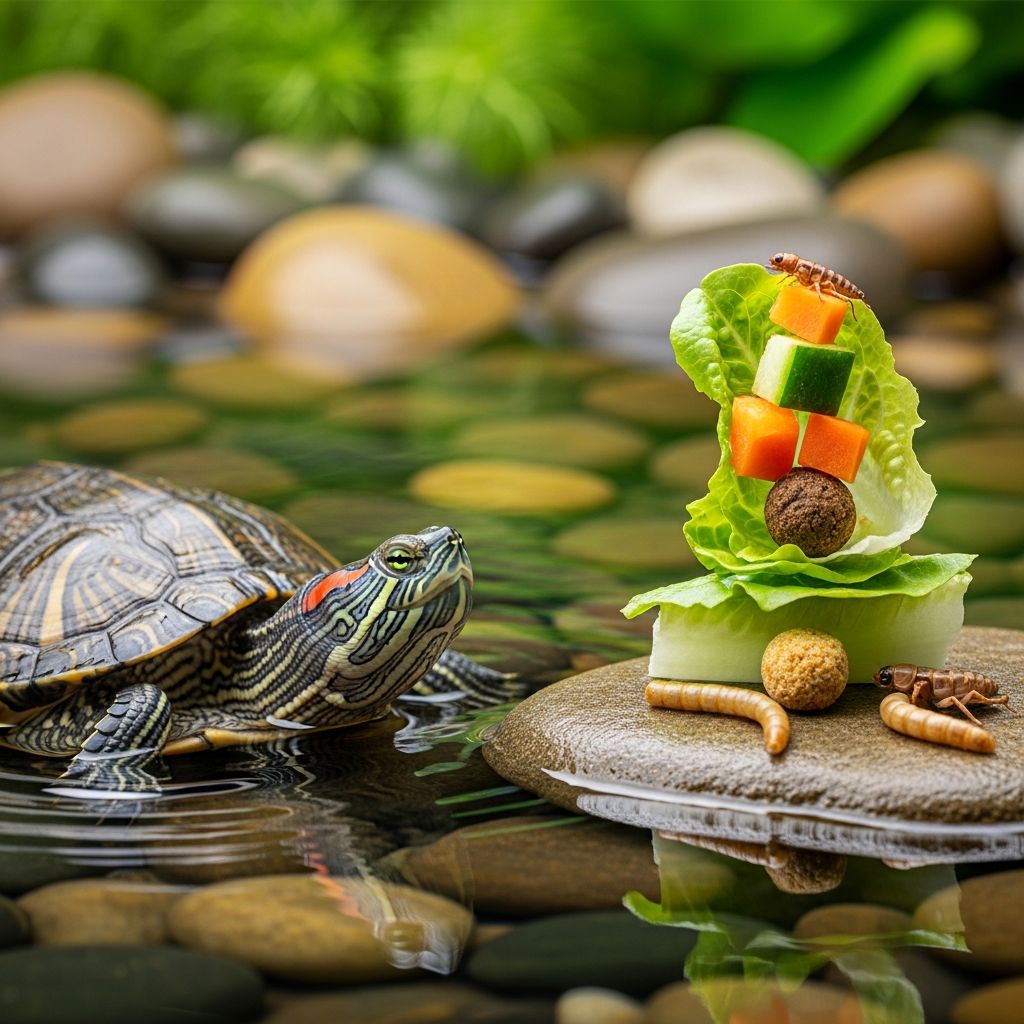
Understanding Aquatic Turtle Nutrition
Aquatic turtles are omnivorous creatures that require a well-balanced diet consisting of both plant and animal-based foods to thrive in captivity. Providing proper nutrition is one of the most critical aspects of turtle ownership, as dietary deficiencies can lead to serious health complications including metabolic bone disease, vitamin A deficiency, and shell deformities. Understanding what your aquatic turtle needs to eat, how often to feed them, and in what quantities will ensure your pet maintains optimal health and longevity.
The dietary needs of aquatic turtles vary depending on their species, age, and size. Young turtles have different nutritional requirements than adults, particularly in terms of protein intake and calcium supplementation. As a turtle matures, its dietary composition should shift from higher protein intake to include more plant-based materials. This guide provides comprehensive information on how to properly feed your aquatic turtle and maintain its nutritional health.
Dietary Composition for Aquatic Turtles
A balanced diet for aquatic turtles should include a combination of animal protein sources and plant-based vegetables. The specific ratio of animal to plant food depends on the turtle’s age and species, but generally, young turtles require more protein for growth, while adult turtles benefit from increased vegetable intake.
Animal-Based Food Sources
Aquatic turtles require protein-rich animal foods that provide essential amino acids and nutrients. Quality animal protein sources include:
- Feeder fish such as goldfish, minnows, and guppies
- Live insects including crickets, grasshoppers, and moths
- Aquatic invertebrates such as shrimp and snails
- Earthworms and bloodworms
- Commercial turtle pellets formulated with fish or meat protein
- Processed foods like trout chow and sardines
When selecting live prey, ensure that the food items are appropriately sized for your turtle’s mouth. Live food should be gut-loaded (fed nutritious foods before being offered to your turtle) to maximize nutritional transfer. Avoid feeding wild-caught insects or fish, as they may carry parasites or pesticides.
Plant-Based Food Sources
Vegetables and aquatic plants form an essential component of a healthy aquatic turtle diet. Dark, leafy greens should comprise the majority of plant-based foods, supplemented with occasional fruits and aquatic vegetation.
Leafy Greens and Vegetables:
- Collard greens
- Mustard greens
- Dandelion greens
- Kale and Swiss chard
- Turnip greens
- Bell peppers (red, yellow, and orange)
- Broccoli and other cruciferous vegetables
- Parsley and cilantro
Aquatic Plants:
- Water lettuce
- Duckweed
- Water hyacinth
- Arrowhead plants
Fruits (Occasional Treats):
- Apples
- Berries (strawberries, blueberries, raspberries)
- Cantaloupe and honeydew melon
- Bananas
- Mangoes
Fruits should be offered sparingly, comprising no more than 5-10% of your turtle’s weekly diet, as excessive fruit consumption can lead to nutritional imbalances and digestive issues.
Feeding Schedule and Frequency
The frequency of feeding aquatic turtles depends primarily on their age. Young, growing turtles have higher metabolic rates and require more frequent feeding, while adult turtles have lower energy requirements and can be fed less often.
Young Turtles (Juveniles)
Juvenile aquatic turtles should be fed once to twice daily. At this stage of development, turtles are growing rapidly and require substantial protein intake to support bone and tissue development. Daily feeding ensures adequate caloric and nutritional intake for proper growth. Young turtles also tend to have smaller stomachs, making frequent smaller meals more appropriate than larger, less frequent meals.
Adult Turtles
Adult aquatic turtles should be fed once every two to three days. By adulthood, turtles have reached their full size and no longer require the high protein intake needed during juvenile stages. Reducing feeding frequency helps prevent obesity and metabolic issues while maintaining overall health. Many experienced turtle keepers find that feeding adult turtles on a Monday-Wednesday-Friday schedule or similar pattern works well for maintaining consistency.
Portion Sizes and Feeding Amounts
Determining appropriate portion sizes is crucial for preventing both malnutrition and obesity in captive turtles. Aquatic turtles are opportunistic feeders, meaning they will continue eating even when satiated, leading to overfeeding if left unchecked.
General Portion Guidelines
A practical rule for portion control is to feed your turtle an amount of food that it can consume within 15-20 minutes. After this timeframe, remove any uneaten food, particularly non-living items such as pellets or vegetables. This method prevents food decay in the tank, maintains water quality, and helps regulate your turtle’s caloric intake.
For quantifiable measurements, adult turtles typically consume 2-4 ounces of food on feeding days. This translates to approximately 1/4 to 1/2 cup of food. For younger turtles, portions should be proportionally smaller, generally equivalent to the size of the turtle’s head or smaller.
Monitoring Your Turtle’s Weight
Regular assessment of your turtle’s body condition is important for adjusting portion sizes as needed. A healthy turtle should have a smooth shell without visible ribs or spine, and a slight roundness to its body. If your turtle appears excessively rounded or has difficulty moving, reduce portion sizes and feeding frequency. Conversely, if your turtle’s shell appears slightly concave or the turtle seems lethargic, increase food portions slightly and consult a veterinarian.
Water Temperature and Feeding
The temperature of your turtle’s tank significantly impacts its appetite and feeding behavior. Aquatic turtles are ectothermic, meaning their body temperature is regulated by their environment. When water temperature is inadequate, turtles’ metabolic rates slow dramatically, reducing appetite and digestive efficiency.
For optimal feeding, maintain your aquatic turtle’s tank at a temperature between 75-78°F (24-26°C). At this temperature range, turtles display normal appetite and can properly digest their food. If water temperature drops below this range, your turtle may refuse food or eat significantly less than normal. Never attempt to feed a turtle in excessively cold water, as this can lead to digestive problems and bacterial infections.
Nutritional Supplements
In addition to a varied diet, aquatic turtles require nutritional supplementation to prevent deficiencies common in captive turtles.
Calcium Supplementation
Calcium is essential for proper shell and bone development in turtles. Most veterinarians recommend dusting your turtle’s food with a calcium powder two to three times weekly. Calcium can be administered in three forms: calcium carbonate, calcium lactate, or calcium gluconate. Dust a small portion of your turtle’s vegetables with the powder and feed these dusted vegetables first to ensure consumption. Adequate calcium intake prevents metabolic bone disease, a serious condition characterized by soft shells and skeletal deformities.
Vitamin and Mineral Supplements
In addition to calcium, turtles require a broad spectrum of vitamins and minerals. A quality reptile multivitamin-mineral supplement should be applied to food approximately once weekly. Vitamin A is particularly important for maintaining healthy vision, skin, and immune function. Many commercial turtle pellets include these nutrients, but supplementation ensures adequate intake.
UVB Light Exposure
While not a dietary supplement per se, exposure to UVB light is critical for vitamin D synthesis, which is necessary for calcium absorption. Aquatic turtles should receive 10-12 hours of UVB light daily through either natural sunlight or specialized UVB bulbs. Without adequate UVB exposure, calcium supplementation alone will not prevent nutritional deficiencies.
Foods to Avoid
Certain foods can be harmful to aquatic turtles and should be avoided:
- Spinach and beet greens (high in oxalates that inhibit calcium absorption)
- Iceberg lettuce (minimal nutritional value)
- Avocado (contains toxins)
- Rhubarb (contains oxalates)
- Foods treated with pesticides or herbicides
- Dairy products
- Processed human foods with salt, sugar, or additives
Feeding Methods for Aquatic Turtles
Aquatic turtles eat their food in water or underwater, making water placement the ideal feeding method. Food should be placed directly in your turtle’s tank water, allowing the turtle to consume naturally. However, feeding in the main tank can compromise water quality due to uneaten food and waste decomposition.
Many experienced turtle keepers utilize a separate feeding tank for this reason. Transfer your turtle to a separate tank filled with appropriately heated water, allow it to feed, and then return it to its main habitat after 20-30 minutes. This approach maintains superior water quality in the primary tank while ensuring your turtle receives adequate nutrition.
Age-Related Dietary Adjustments
As aquatic turtles age, their dietary needs evolve. Young turtles require approximately 40-50% protein and 50-60% plant matter. As turtles mature into adults, this ratio should gradually shift toward 25-40% protein and 60-75% plant matter. This transition typically occurs around 5-7 years of age, though it varies by species. Adjust your feeding regimen gradually to accommodate these changing nutritional needs.
Frequently Asked Questions About Aquatic Turtle Feeding
Q: Can I feed my aquatic turtle the same foods every day?
A: No. A varied diet is essential for balanced nutrition. Rotate between different vegetables, protein sources, and occasional fruits to ensure your turtle receives a complete spectrum of nutrients and to prevent nutritional deficiencies.
Q: What should I do if my turtle refuses to eat?
A: Check your tank’s water temperature first—it should be 75-78°F for proper appetite. If temperature is adequate, consult a veterinarian, as loss of appetite can indicate illness, stress, or parasites. Ensure you’re offering a variety of foods, as some turtles are selective eaters.
Q: How long can an aquatic turtle survive without food?
A: Adult aquatic turtles can survive several months without food due to their slow metabolism, though this is not recommended. Young turtles cannot survive as long without food and should never be deprived of feeding for extended periods.
Q: Is it safe to feed my turtle live fish?
A: Yes, live feeder fish are a nutritious food source. However, ensure they are appropriately sized to prevent injury to your turtle. Gut-load feeder fish with nutritious foods before offering them to maximize nutritional transfer. Monitor your turtle during feeding to ensure proper consumption.
Q: Do all aquatic turtle species have the same dietary requirements?
A: While most aquatic turtles are omnivorous with similar general requirements, specific species may have slightly different nutritional needs. Research your turtle’s specific species to ensure you’re meeting its unique dietary requirements. Consult with a veterinarian experienced with your turtle’s species for personalized feeding recommendations.
Q: Can I use tap water for my turtle’s feeding tank?
A: Yes, tap water is generally safe for turtles, though it may contain chlorine. If your local tap water is heavily chlorinated, allow it to sit for 24 hours before use to allow chlorine to dissipate, or use a dechlorination product designed for aquatic animals.
Q: How do I know if my turtle is getting proper nutrition?
A: A properly nourished turtle will have a smooth shell, bright eyes, active behavior, and appropriate growth rate. Regular veterinary check-ups (annually for adult turtles, bi-annually for juveniles) help ensure your turtle’s nutritional status is optimal. Any shell abnormalities, lethargy, or unusual behavior warrants veterinary evaluation.
Conclusion
Proper feeding is fundamental to raising a healthy, thriving aquatic turtle. By providing a balanced diet of commercial pellets, live prey, and vegetables; maintaining an appropriate feeding schedule; offering proper portion sizes; and supplementing with necessary vitamins and minerals, you ensure your turtle receives optimal nutrition. Remember that feeding requirements vary by age and species, so research your specific turtle and adjust your feeding regimen accordingly. When in doubt, consult with a veterinarian experienced in reptile care to ensure your aquatic turtle’s dietary needs are being met.
References
- How Much & How Often to Feed Turtles: Vet-Reviewed Guide — Hepper. 2024-11-28. https://articles.hepper.com/turtle-feeding-guide/
- What Do Pet Turtles Eat? Diets, Mealtimes, Amounts — WebMD Pets. 2024. https://www.webmd.com/pets/what-do-pet-turtles-eat
- Nutrition for Aquatic Turtles — Burlington VCA Animal Hospitals. 2024. https://burlingtonanimalhospital.ca/tips/nutrition-for-aquatic-turtles/
- Owning Aquatic Turtles — VCA Animal Hospitals. 2024. https://vcahospitals.com/know-your-pet/turtles—aquatic—owning
- Feeding Box Turtles — VCA Animal Hospitals. 2024. https://vcahospitals.com/know-your-pet/turtles-box-feeding
- Caring For Australian Turtles (Housing, Feeding & More) — Unusual Pet Vets. 2024. https://www.unusualpetvets.com.au/caring-for-australian-turtles/
Similar Articles








Read full bio of Sneha Tete