
Aquatic Systems: 3 Essential Habitat Types And Key Controls
Master the design, operation, and maintenance of aquatic systems for healthy fish and marine life in aquariums, ponds, and farms.
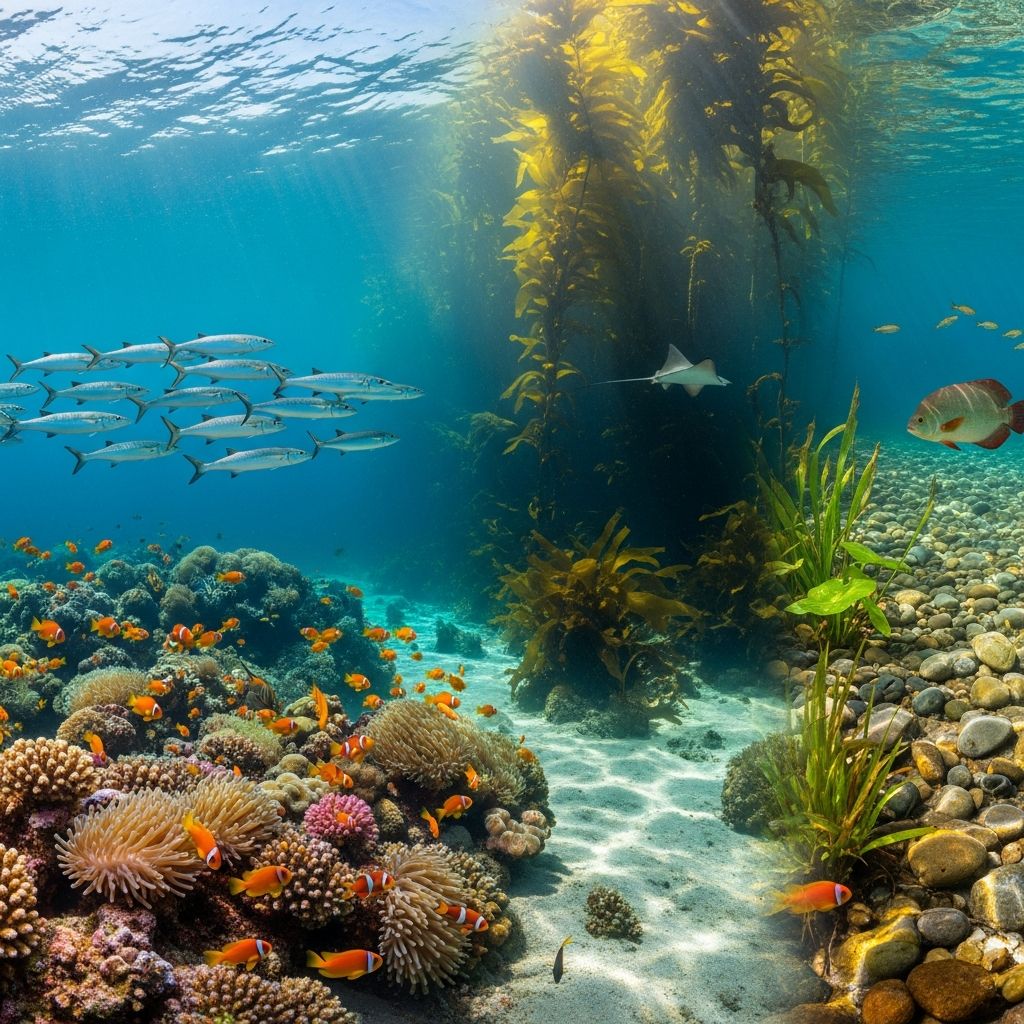
Aquatic systems form the backbone of maintaining healthy populations of fish, invertebrates, amphibians, and other water-dwelling species in settings ranging from home aquariums to large-scale aquaculture facilities. These systems must replicate natural environments while controlling variables like water flow, oxygen levels, and waste buildup to prevent disease and promote growth. Proper design and management directly impact animal welfare and productivity.
Core Classifications of Aquatic Habitats
Aquatic systems are categorized into three primary configurations based on water exchange: open, semi-open, and closed. Each type suits different scales and species needs, balancing cost, maintenance, and environmental control.
- Open Systems: These draw fresh water continuously from natural sources like rivers, lakes, or oceans, mimicking wild conditions. Water flows through the system and exits, carrying waste away. Ideal for large ponds or raceways in aquaculture, they require minimal filtration but demand reliable source water quality and regulatory compliance for discharge.
- Semi-Open Systems: A hybrid approach where water recirculates partially after treatment, supplemented by periodic fresh inflows. Common in ornamental ponds or mid-sized farms, they use waterfalls or streams for aeration while incorporating basic filters to handle partial recirculation.
- Closed Systems: Fully recirculating setups with no external water exchange except for top-offs. These dominate indoor aquariums, research labs, and high-density aquaculture, relying on advanced filtration to purify water indefinitely.
| System Type | Water Exchange | Best For | Pros | Cons |
|---|---|---|---|---|
| Open | 100% continuous | Large farms, ponds | Low filtration needs, natural feel | High water use, pollution risk |
| Semi-Open | Partial recirculation | Ornamental ponds | Balanced cost, good aeration | Moderate maintenance |
| Closed | Minimal/none | Aquariums, labs | Water conservation, control | Complex equipment |
Critical Components for System Stability
Effective aquatic systems integrate mechanical, biological, and chemical processes to sustain life. Filtration removes solids, breaks down toxins, and stabilizes chemistry, while aeration ensures oxygen delivery.
Filtration Technologies Explained
Filtration is the heart of any system, preventing toxic ammonia buildup from fish waste. Mechanical filters trap debris, biological filters host bacteria that convert ammonia to nitrate, and chemical filters like activated carbon polish water clarity.
- Mechanical: Sand, bead, or foam media capture particles; backwashing prevents clogs.
- Biological: Trickling towers or fluidized beds maximize bacterial colonies for nitrification.
- Chemical: Ion exchange resins or ozone for fine-tuning pH and pathogens.
In closed systems, redundancy is key—multiple filters ensure failover during maintenance.
Aeration and Circulation Dynamics
Oxygen is non-negotiable; levels below 5 mg/L stress fish. Aerators like air stones, venturis, or protein skimmers inject oxygen and remove CO2. Water movement via pumps prevents stagnation, especially in ponds where clogged filters reduce flow. Veterinarians assess both dissolved oxygen and circulation during health checks.
Heating, Cooling, and Lighting Controls
Temperature stability prevents metabolic shocks—tropical species need 24-28°C, coldwater ones 10-18°C. Chillers or heaters maintain precision, while UV sterilizers combat algae and bacteria. Lighting schedules mimic day-night cycles, vital for corals and plants.
Maintaining Optimal Water Chemistry
Water quality parameters dictate animal health. Daily monitoring of pH (6.5-8.5), ammonia (0 ppm), nitrite (0 ppm), nitrate (<50 ppm), salinity, and hardness is standard.
- pH Fluctuations: Acidic shifts from waste; buffer with bicarbonate.
- Ammonia Toxicity: First-stage nitrogen cycle failure; boost biofiltration.
- Oxygen Depletion: Overcrowding or warm water; increase aeration.
Veterinary interventions include probiotics to enhance beneficial bacteria and targeted antibiotics for outbreaks, always with biosecurity in mind.
Applications Across Environments
Home and Ornamental Aquariums
Hobbyists manage diverse setups from freshwater community tanks to reef systems. Low-maintenance designs use hang-on-back filters, while advanced ones employ sumps for hidden equipment. Species selection matches system capabilities—peaceful tetras for beginners, aggressive cichlids for experts.
Aquaculture and Commercial Farms
High-volume production favors raceways (open) or recirculating aquaculture systems (RAS, closed). RAS cuts water use by 90%, enabling inland farms. Challenges include disease in dense stocks; vets oversee vaccinations and biosecurity.
Research and Laboratory Setups
Zebrafish housing exemplifies precision: multi-rack systems with automated feeding, monitoring, and quarantine. Consistent parameters support reproducible experiments.
Ponds and Outdoor Exhibits
Naturalistic ponds blend aesthetics with function, using plants for biofiltration. Supplemental aeration via fountains combats low oxygen at night.
Veterinary Oversight in Aquatic Health
Vets specialize in aquatic medicine, diagnosing via endoscopy, ultrasound, and necropsies. Common issues span parasites, bacterial infections like Flavobacterium, and environmental stressors like gas bubble disease.
Careers demand expertise in anatomy, pharmacology, and conservation. Roles include rehabbing stranded marine mammals or optimizing salmon farms. AVMA advocates veterinary integration for ecosystem sustainability.
Common Pitfalls and Troubleshooting
Avoid overstocking (1 inch fish per gallon rule), ignoring cycles, or skipping maintenance. Symptoms like lethargy signal problems—test water first.
| Issue | Symptoms | Solution |
|---|---|---|
| Cloudy Water | Bacterial bloom | Reduce light, add biofilter |
| Gasping Fish | Low DO | Increase aeration |
| Fin Rot | Bacterial infection | Antibiotics, clean tank |
Future Innovations in System Design
Smart sensors enable real-time IoT monitoring, AI predicts failures, and sustainable RAS integrates renewables. Veterinary medicine advances with telemedicine for remote farms.
Frequently Asked Questions (FAQs)
What is the best starter aquatic system?
A 20-gallon closed aquarium with basic filtration suits beginners, housing 10-15 small fish.
How often should I change water in a closed system?
10-25% weekly, adjusted by stocking and filtration strength.
Can I mix freshwater and saltwater species?
No—separate systems prevent osmotic shock and incompatibility.
What role do vets play in aquaculture?
They ensure biosecurity, treat diseases, and promote welfare standards.
Are closed systems eco-friendly?
Yes, they conserve water but require energy for pumps and filters.
References
- Aquatic ecosystems — American Veterinary Medical Association. 2023. https://www.avma.org/resources-tools/avma-policies/aquatic-ecosystems
- Guide to a Career in Aquatic Animal Veterinary Medicine — St. Matthew’s University School of Veterinary Medicine. 2024. https://veterinary.stmatthews.edu/blog/working-with-rare-aquatic-animals
- What Is Aquatic Veterinary Medicine? — Ross University School of Veterinary Medicine. 2024. https://veterinary.rossu.edu/about/blog/aquatic-medicine
- Introduction to Fish — MSD Veterinary Manual. 2025. https://www.msdvetmanual.com/all-other-pets/fish/introduction-to-fish
- Overview, Types, and Features of Aquatic Systems — Merck Veterinary Manual. 2025. https://www.merckvetmanual.com/exotic-and-laboratory-animals/aquatic-systems/overview-types-and-features-of-aquatic-systems
- Aquatics – Management of Animal Care and Use Programs — National Center for Biotechnology Information. 2018. https://www.ncbi.nlm.nih.gov/books/NBK500413/
Similar Articles








Read full bio of medha deb


