
Aquatic Health Issues: Recognition and Management
Comprehensive guide to identifying and treating common fish health conditions
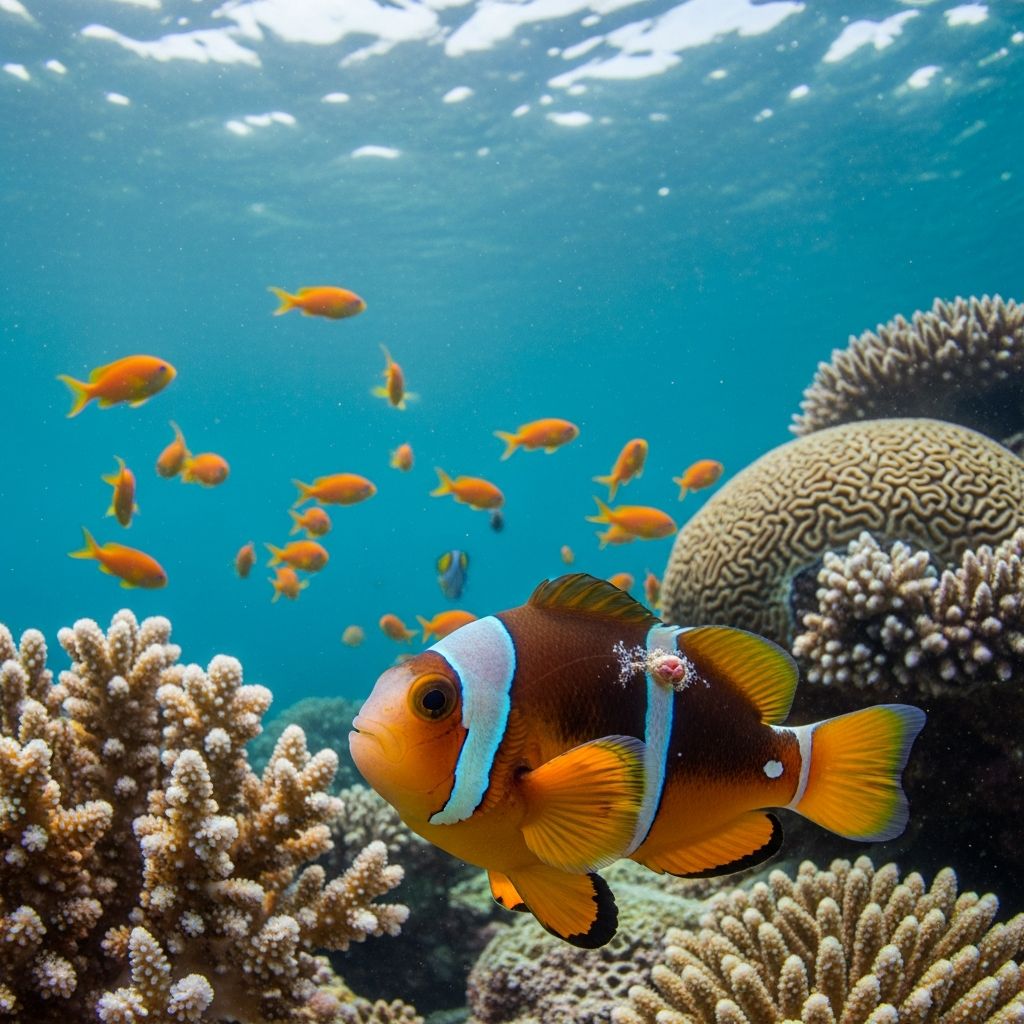
Fish health management is a critical component of responsible aquarium or pond ownership. Just as terrestrial animals experience various health challenges, aquatic species are susceptible to numerous conditions that can affect their quality of life and survival rates. Early identification and appropriate intervention significantly improve outcomes, making it essential for fish keepers to understand the most prevalent health issues affecting their animals.
Parasitic Conditions Affecting Aquatic Species
Parasitic infections represent one of the most common categories of fish health problems encountered in captive environments. These external and internal organisms attach to or penetrate fish tissues, causing irritation, tissue damage, and compromised immune function.
Protozoan Parasites and Their Manifestations
Protozoan parasites constitute a significant threat to aquarium populations. One particularly prevalent condition involves ciliated protozoans that produce visible white cystic formations on the skin, fins, and gill structures. Fish exhibiting this condition typically display a characteristic granular appearance across their body surface, accompanied by behavioral changes such as reduced feeding activity and increased respiratory effort. Affected individuals often demonstrate avoidance behaviors, remaining hidden among tank decorations or vegetation.
The severity of these infections escalates when environmental stressors compromise immune function. Temperature manipulation offers an accessible treatment avenue, as elevating tank temperature can accelerate parasite life cycles and facilitate more rapid resolution. Additionally, chemical treatments including copper-based compounds, malachite green dye solutions, and potassium permanganate have demonstrated effectiveness in eliminating these organisms from the aquatic environment.
Another protozoan-related condition targets the gill and skin surfaces directly. Fish experiencing these infections exhibit excessive mucus production, behavioral lethargy, appetite suppression, and visible skin discoloration. This condition frequently emerges when fish experience extreme stress conditions such as overcrowding or transportation trauma. Treatment protocols typically combine two therapeutic agents: formalin bath solutions and malachite green dye, applied at specific concentrations over a defined treatment period.
Microscopic Flatworm Infestations
Microscopic flatworms represent another parasitic category affecting fish health. These organisms specifically target skin and gill tissues, though their diminutive size typically necessitates microscopic examination for definitive identification. Infested fish develop pallor, display visible sores on body surfaces, and exhibit scattered hemorrhagic spots and ulcerations. Heavy infestations can result in elevated mortality rates, particularly among goldfish and koi species. Standard treatment approaches employ formalin solutions or praziquantel medications, with quarantine protocols helping prevent parasite spread to unaffected populations.
Thread-Like Parasitic Organisms
Certain parasitic species manifest as visible whitish-green filamentous structures protruding from inflamed, reddened skin areas. Unlike microscopic parasites, these organisms can be identified by direct visual observation without magnification. Manual extraction using fine tweezers represents an initial intervention strategy, while chemical treatments including potassium permanganate or diflubenzuron provide systemic parasite elimination.
Bacterial Infections and Related Conditions
Bacterial organisms frequently establish secondary infections following physical injuries or when water quality deterioration compromises immune defenses. The most prevalent bacterial infection affecting freshwater aquarium species involves specific aerobic bacteria.
Common Bacterial Pathogens
The most frequently encountered bacterial infection in captive freshwater environments manifests through multiple systemic signs. Affected fish display hemorrhagic spots or bleeding ulcers across their body surfaces, abdominal cavity fluid accumulation producing a characteristic swollen appearance, eye enlargement, and fin deterioration. Additionally, fish may develop a distinctive pinecone-like scale appearance due to fluid retention beneath the integument.
These infections typically occur secondary to other stressors or injuries. Fish experiencing poor water quality conditions face elevated susceptibility to bacterial colonization. Treatment protocols require isolation of affected individuals in separate housing units, implementation of frequent water exchange routines, and administration of appropriate antibiotic medications selected based on bacterial culture and sensitivity testing results. Supporting immune function through optimal nutrition and stable environmental conditions accelerates recovery rates.
Treatment Strategies for Bacterial Disorders
Addressing bacterial infections demands a methodical approach. Initial steps involve isolating infected individuals to prevent transmission to unaffected tank mates. Antibiotic selection should follow bacterial identification through culture techniques and susceptibility testing, ensuring medication efficacy against the specific causative organism. Throughout treatment duration, maintaining consistent aquarium filtration prevents toxic compound accumulation while supporting fish welfare.
Nutritional and Environmental Disorders
Beyond infectious agents, health conditions may arise from inadequate nutrition or suboptimal environmental parameters.
Swim Bladder Dysfunction
The swim bladder, a gas-filled organ critical for buoyancy regulation, can become compromised through various mechanisms. Fish experiencing swim bladder dysfunction exhibit profound swimming difficulties, floating uncontrollably to one side, sinking to tank bottoms despite active swimming efforts, or floating inverted at the surface. Severe cases may prove fatal without intervention.
Treatment strategies begin with water temperature adjustment to optimal ranges and dietary modifications emphasizing high-fiber food options to support digestive health. In cases with severe inflammatory responses or secondary infection, veterinary professionals may recommend antibiotic or anti-inflammatory medication administration to reduce organ swelling and restore normal function.
Nutritional Deficiency States
Inadequate dietary vitamin intake can precipitate specific health manifestations. Fish receiving insufficient nutritional variety develop spinal curvature, exhibit appetite suppression, display sunken abdominal contours, and show fin structural deterioration. Some individuals develop curved operculum (gill cover) structures with abnormal protrusion.
Addressing nutritional deficiencies requires diet diversification and enhanced food quality. Supplementing staple foods with vitamin-enriched preparations, applied by dissolution in water and coating dry food before feeding, effectively raises nutritional status. Simultaneously, elimination of environmental stressors supports overall health improvement and recovery acceleration.
Fin Deterioration and Structural Damage
Fin quality often reflects overall fish health status. Progressive fin degradation with ragged, deteriorating margins and tissue loss indicates significant underlying health compromise requiring intervention.
Fin condition deterioration results from multiple causative factors, including bacterial infections, parasitic infestations, territorial aggression among tank mates, or poor water chemistry. Treatment approaches focus on identifying primary causes while implementing supportive care. Isolated housing in separate tanks, regular water quality maintenance through exchange protocols, and antibiotic administration when bacterial involvement is suspected provide essential components of recovery plans. Supporting immune function through optimized nutrition enhances healing rates substantially.
Practical Management Strategies
Environmental Factors Supporting Fish Health
- Maintaining water parameters within species-appropriate ranges prevents stress-induced immune suppression
- Avoiding population density exceeding tank capacity prevents overcrowding-related disease outbreaks
- Implementing regular water quality monitoring identifies parameter deviations before health crisis development
- Establishing appropriate tank sanitation routines reduces pathogenic organism accumulation
- Providing adequate filtration removes waste products and supports beneficial microorganism populations
Quarantine Protocols for New and Sick Fish
Introducing newly acquired fish to established populations presents disease transmission risks. Isolating new arrivals in separate quarantine housing for observation periods allows identification of latent infections before contact with resident populations. Similarly, segregating visibly ill fish into dedicated treatment tanks prevents disease spread while facilitating intensive monitoring and targeted medication administration.
Medication Administration and Safety Considerations
When therapeutic intervention becomes necessary, careful adherence to manufacturer instructions ensures medication efficacy while minimizing adverse effects. Temperature-dependent treatment protocols require adjustment based on current tank temperature conditions. Consultation with aquatic veterinary professionals assists in selecting appropriate medications for specific diagnoses and determining proper dosing regimens for particular fish species.
Recognition of Health Decline
Early identification of health problems dramatically improves treatment success rates. Fish keepers should monitor for behavioral changes including appetite reduction, abnormal swimming patterns, reduced social interaction, and increased time spent hiding. Physical observations warranting attention include visible lesions, discoloration changes, respiratory rate alterations, fin damage, eye abnormalities, and abdominal swelling. Any combination of these observations should prompt investigation and veterinary consultation when diagnoses remain unclear.
Prevention as Primary Strategy
Proactive health management through environmental optimization proves far more effective than reactive disease treatment. Maintaining appropriate water parameters, avoiding overcrowding conditions, providing varied high-quality nutrition, minimizing introduced pathogens through quarantine protocols, and reducing environmental stressors collectively create conditions supporting robust immune function and disease resistance. Professional consultation during initial aquarium setup and periodic assessment throughout the system’s operational lifetime ensures maintenance of conditions supporting optimal fish welfare.
When to Seek Professional Assistance
While many fish health issues can be managed through appropriate owner intervention, certain situations necessitate professional evaluation. Uncertainty regarding diagnosis, treatment failure following appropriate intervention, unusual or severe presentations, and systemic infections affecting multiple tank inhabitants warrant veterinary consultation. Fish health professionals can perform diagnostic procedures including microscopic examination of tissues, bacterial culture and sensitivity testing, and recommendation of specialized treatment protocols unavailable to the general aquarium keeper.
References
- Disorders and Diseases of Fish – All Other Pets — Merck Veterinary Manual. Accessed February 2026. https://www.merckvetmanual.com/all-other-pets/fish/disorders-and-diseases-of-fish
- Common Aquarium Fish Diseases: Symptoms and Treatment — DM Veterinary Services. April 15, 2024. https://www.dmvet.net/site/blog/2024/04/15/common-aquarium-fish-diseases
- 20 Common Fish Diseases and Their Symptoms — Chewy Education. Accessed February 2026. https://www.chewy.com/education/fish/general/common-tropical-fish-diseases
- Aquarium Fish Diseases with Pictures — Green Aqua. Accessed February 2026. https://greenaqua.hu/en/blog/post/aquarium-fish-diseases-with-pictures
- How to Treat Sick Aquarium Fish — Aquarium Co-op. Accessed February 2026. https://www.aquariumcoop.com/blogs/aquarium/how-to-treat-sick-aquarium-fish
Similar Articles








Read full bio of medha deb


