

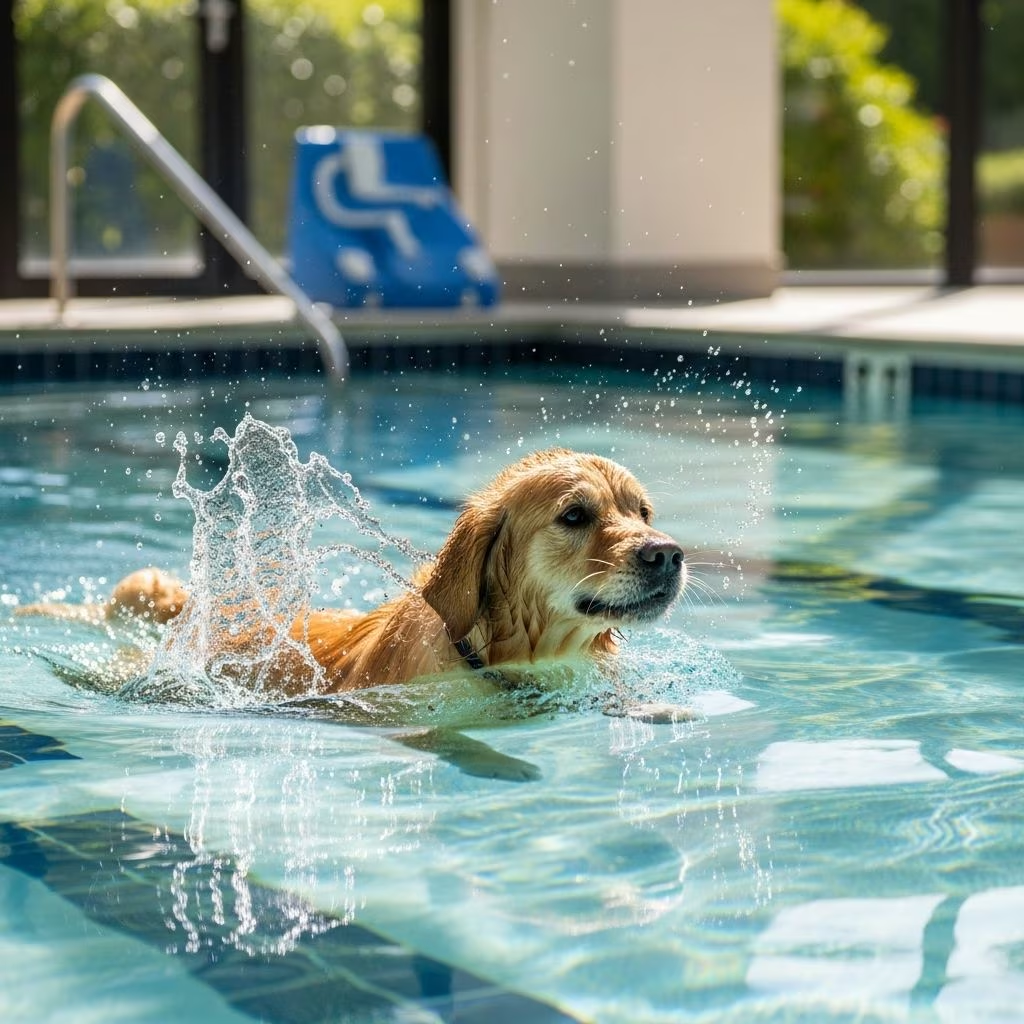
Water-based activities represent one of the most effective yet underutilized forms of physical conditioning for domestic dogs. Whether your canine companion is a senior requiring gentle rehabilitation, an athletic dog seeking cross-training opportunities, or a pet struggling with weight management, aquatic exercise offers tailored solutions that traditional land-based activities cannot match. This comprehensive guide explores how swimming and hydrotherapy can transform your dog’s physical health, mental wellbeing, and overall quality of life.
Understanding the Unique Benefits of Water-Based Conditioning
Swimming operates on fundamentally different biomechanical principles than terrestrial exercise. One minute of swimming equates to approximately four minutes of running in terms of cardiovascular demand, making it an exceptionally efficient use of exercise time. This efficiency stems from the combined effects of water resistance, buoyancy, and the full-body engagement required to move through an aquatic environment.
The aquatic medium engages nearly every major muscle group simultaneously, creating a comprehensive workout that builds cardiovascular strength, muscular endurance, and functional capacity. Unlike land-based activities that emphasize specific movement patterns, water exercise forces dogs to utilize their core, limbs, and stabilizer muscles in coordinated, integrated ways.
Cardiovascular and Metabolic Advantages
Water-based exercise delivers superior cardiovascular conditioning compared to most alternative activities. Swimming strengthens the heart and lungs while decreasing inflammation, increasing metabolism, and improving circulation. This enhanced cardiovascular function translates into improved oxygen delivery throughout the body, supporting cellular health and reducing risk factors for age-related decline.
The metabolic elevation induced by aquatic exercise extends beyond the activity itself. The thermoregulatory demands of maintaining body temperature in water, combined with muscular work against water resistance, create a sustained metabolic elevation that can contribute to weight management goals. For dogs with weight-related concerns, swimming provides calorie expenditure without the orthopedic stress that makes other high-intensity activities problematic.
Joint Protection and Low-Impact Mechanics
Perhaps the most significant advantage of aquatic exercise lies in its low-impact, joint-protective characteristics. Swimming is non-concussive and non-weight bearing, allowing dogs to enjoy comprehensive exercise benefits without stressing their joints and tendons. When submerged, water displacement supports a substantial portion of body weight, dramatically reducing the compressive and shear forces that challenge joints during land-based movement.
The buoyancy and resistance of water can alleviate pain, reduce inflammation, help maintain healthy weight, and improve joint mobility. This protective mechanism makes aquatic exercise particularly valuable for specific populations:
- Dogs with arthritis or degenerative joint disease
- Senior canines experiencing age-related mobility decline
- Dogs recovering from orthopedic surgery
- Pets with hip or elbow dysplasia
- Animals rehabilitating from neurological injury
The water’s support system allows dogs to achieve improved range of motion and joint flexibility without pain, facilitating therapeutic movement patterns that might be impossible on solid ground.
Therapeutic Applications and Rehabilitation
Hydrotherapy—the therapeutic use of water exercise—has become increasingly recognized in veterinary rehabilitation medicine. Swimming is particularly beneficial for dogs recovering from surgery or injury, as the low-impact nature allows them to rebuild strength and mobility without risking further harm. This distinction makes water-based therapy especially valuable during critical recovery windows when premature return to normal activity could compromise surgical outcomes.
Veterinary rehabilitation specialists note that when dogs are not moving, they can lose profound muscle mass within six or seven weeks. Swimming provides an exceptional solution: dogs can exercise in a completely non-weight-bearing environment, maintaining and rebuilding muscle mass without orthopedic stress. The resistance provided by water naturally strengthens muscles while the buoyancy prevents weight-bearing strain.
Hydrotherapy reduces pain through decreased weight-bearing and non-weight-bearing exercise. In heated water environments—typically maintained at approximately 84 degrees Fahrenheit—dogs’ muscles warm up quickly, aiding relaxation and assisting blood flow while reducing muscle spasms and improving range of motion.
Specific Conditions Benefiting from Aquatic Therapy
Arthritis and Degenerative Joint Disease
Dogs with arthritis experience significant pain relief through consistent aquatic exercise. The resistance of water helps build muscle and support joints, while buoyancy reduces stress on inflamed areas. With regular participation, dogs with arthritis demonstrate greater range of motion, pain relief, and enhanced mobility. The warm water component specifically contributes to reduced inflammation and improved joint function.
Hip and Elbow Dysplasia
Controlled movements in water allow dogs to receive gentle stretching while improving joint mobility and reducing stiffness. Benefits extend beyond physical: relaxed muscles and increased blood circulation promote pain relief and reduced inflammation, improving the dog’s overall functional capacity and quality of life.
Post-Surgical Recovery
Following procedures like ACL repairs or other orthopedic surgery, aquatic therapy facilitates rapid recovery. By engaging core and back muscles without putting pressure on joints and spine, water exercise supports healing of affected discs and tissues while increasing blood circulation. Equally important, the aquatic environment reduces boredom and stress during extended recovery periods.
Mental Health and Psychological Benefits
Swimming offers equally significant psychological advantages alongside physical conditioning. Dogs need mental stimulation through play, fun, and varied activities different from their normal routine to help them stay sharp and happy. Aquatic exercise provides novel environmental stimulation, engaging sensory systems and cognitive function in ways that routine walks cannot replicate.
For dogs typically restricted to leash-based exercise, water activities offer unprecedented freedom of movement. Swimming allows dogs to get out their pent-up energy without feeling restrained, resulting in reduced anxiety and improved behavioral outcomes. The confidence-building effects extend beyond the water: dogs build confidence as a result of feeling the support of water allowing them to move more freely and with less pain.
Swimming in warm water can greatly reduce anxiety and tension in dogs. The combination of physical exertion with environmental enrichment creates a holistic wellness benefit. A happily worn-out dog is more likely to sleep deeply, allowing them to reap the restorative benefits of quality rest.
Motor Skill Development and Physical Coordination
Swimming includes a wide range of motions that allow dogs to flex muscles and joints, improving overall flexibility. The unique motor requirements for aquatic movement enhance dogs’ overall agility and coordination. When swimming, dogs must coordinate their breathing with their strokes, improving overall coordination and focus.
These enhanced motor skills translate into functional improvements in terrestrial activities. Swimming increases muscle tone and strength, enhances coordination, improves flexibility and cardiovascular health. For working and performance dogs—including search and rescue, police, and agility competitors—aquatic training improves stamina, mental well-being, and focus.
Weight Management Through Aquatic Exercise
Obesity represents one of the most prevalent health challenges in domestic dogs. Swimming is a great weight control exercise that alleviates stress on joints so overweight dogs can resume normal activities while reducing injury risk. The dual benefit—effective calorie expenditure combined with joint protection—makes swimming ideal for weight loss programs.
For overweight dogs, swimming provides excellent cardiovascular conditioning while being low-impact, ideal for dogs who are overweight, have joint issues, arthritis, or are recovering from injury or surgery. As dogs lose weight through consistent aquatic exercise, improved mobility makes them more inclined toward additional physical activity, creating positive reinforcement cycles that support sustained weight loss and fitness improvement.
Designing Effective Swimming Programs
Starting Your Dog’s Aquatic Journey
Introduction to swimming should progress gradually, building confidence before intensity. Initial sessions focus on acclimation rather than vigorous exercise. Many dogs benefit from introduction to shallow water first, allowing them to understand water dynamics without overwhelming sensory input.
Frequency and Duration
Optimal programming depends on individual factors including age, fitness level, and specific health considerations. Generally, dogs benefit from 2-4 swimming sessions weekly, with individual sessions lasting 15-30 minutes depending on fitness capacity. Professional guidance ensures appropriate progression.
Professional Guidance and Facilities
Many communities offer specialized canine aquatic facilities with therapeutic pools, underwater treadmills, and trained professionals. Veterinary rehabilitation centers provide medically supervised programs, particularly valuable for dogs recovering from surgery or managing chronic conditions. These facilities maintain water temperatures conducive to therapeutic benefit while providing professional oversight.
Addressing Common Concerns
Water Safety Considerations
Not all dogs are natural swimmers. Individual variations in body composition, breed characteristics, and prior experience influence aquatic comfort and ability. Professional instruction helps dogs develop confidence and proper technique. Safety equipment, including properly fitted life vests, provides additional security during introduction phases.
Ear and Skin Health
Post-swim care maintains skin and coat health. Thorough drying following sessions prevents moisture-related skin issues. For dogs prone to ear infections, gentle ear cleaning after swimming reduces infection risk.
Frequently Asked Questions
Can senior dogs safely participate in swimming?
Yes. Senior dogs often benefit most from aquatic exercise due to its low-impact nature. Water’s buoyancy reduces stress on aging joints while the resistance provides muscle-maintenance benefits critical for older animals. Veterinary consultation helps determine appropriate intensity for individual senior dogs.
How does swimming compare to other dog exercises?
Swimming provides superior full-body conditioning compared to most alternatives. The combined benefits of cardiovascular work, muscle engagement, and joint protection make swimming uniquely effective, particularly for dogs with orthopedic considerations.
Is hydrotherapy necessary or is recreational swimming sufficient?
Both recreational swimming and therapeutic hydrotherapy offer distinct advantages. Recreational swimming provides general fitness benefits, while therapeutic hydrotherapy—with controlled water temperature, professional supervision, and targeted exercises—delivers specific therapeutic outcomes for dogs with medical conditions.
Can overweight dogs start swimming immediately?
Yes, swimming accommodates overweight dogs through its weight-supporting properties. However, introducing overweight dogs to aquatic exercise gradually, with professional guidance when possible, ensures comfortable adaptation and prevents overwhelming initial sessions.
References
- The Top 5 Benefits of Swimming for Dogs — TopDog Health. 2024. https://topdoghealth.com/the-top-5-benefits-of-swimming-for-dogs/
- The Benefits of Swimming and Fitness Centers for Dogs — Maryland Veterinary Surgical Services. 2024. https://www.mdvss.com/blog/the-benefits-of-swimming-and-fitness-centers-for-dogs/
- The Benefits of Recreational Swimming and Hydrotherapy for Dogs — Dog Swim. 2024. https://dog-swim.com/the-benefits-of-recreational-swimming-for-dogs/
- How Hydrotherapy and Swimming Can Benefit Dogs — PetMD. 2024. https://www.petmd.com/dog/general-health/how-hydrotherapy-and-swimming-can-benefit-dogs
- The Benefits of Swimming for Dogs with Mobility Issues — Bernies Best. 2024. https://www.bernies.com/blogs/bernies-blog/the-benefits-of-swimming-for-dogs-with-mobility-issues/
- How Swimming Exercises Helps Enhance Dogs Motor Skills — South Park Adventureland. 2024. https://www.southparkadventureland.com/blog/how-swimming-exercises-helps-enhance-dogs-motor-skills
- Swimming for Fitness, Conditioning, Rehabilitation and Sport — Marty’s Place. 2019. https://martysplace.org/wp-content/uploads/2019/03/Swimming-for-fitness-D-Grimm-Revised.pdf



