
Aquatic Animal Health Risks: Expert Guide For 2025
Understanding environmental factors causing diseases in fish and aquatic species for better management and prevention strategies.
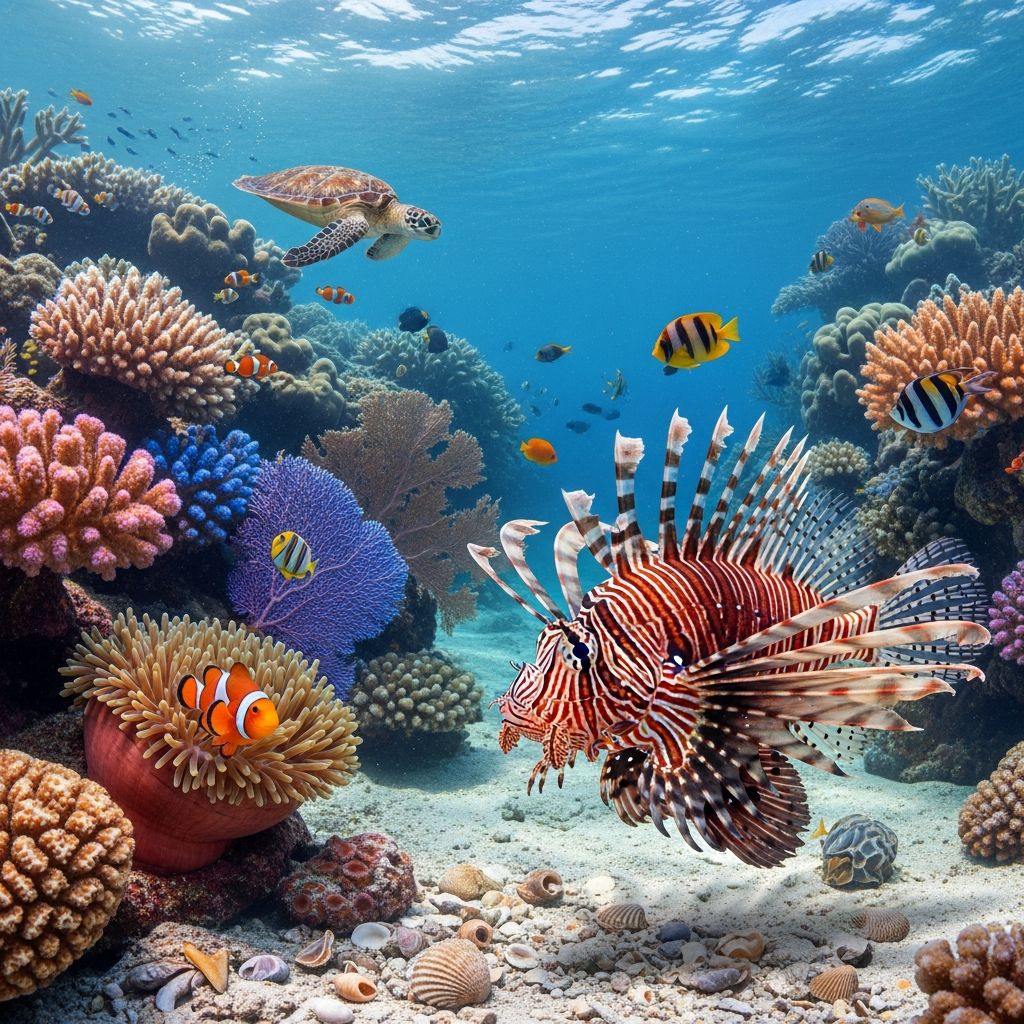
Aquatic animals, from pet fish in home tanks to commercial aquaculture stocks, face significant threats from their surrounding water conditions. Suboptimal environments often trigger a cascade of health issues, making water quality assessment a cornerstone of preventive care. This article delves into the primary environmental culprits behind these problems, offering insights for hobbyists, farmers, and professionals to safeguard aquatic life.
Critical Role of Water Quality Monitoring
Maintaining pristine water parameters is vital because aquatic organisms absorb substances directly through their gills and skin, bypassing typical digestive defenses. Routine testing for pH, ammonia, nitrites, oxygen levels, and toxins prevents outbreaks. For instance, municipal tap water frequently harbors chlorine or chloramine, added for human safety but lethal to fish at concentrations as low as 0.02 mg/L. Chronic low-level exposure manifests as fin erosion, excessive mucus production, gill irritation, and lethargy, often mistaken for infections.
Veterinarians recommend testing every submitted water sample from systems using city water. Dechlorination agents must fully neutralize both free chlorine and chloramine, as incomplete treatment releases ammonia, compounding toxicity. Inexperienced aquarists overlook this, leading to persistent losses.
Toxic Substances Threatening Aquatic Life
Beyond disinfectants, other contaminants pose acute dangers. Hydrogen sulfide (H2S) accumulates in anaerobic sediments of neglected tanks or ponds. Disturbing these layers during cleaning liberates the gas, causing rapid mass die-offs due to its interference with cellular respiration.
Heavy metals like copper, zinc, or lead leach from corroded pipes, decorations, or uneaten medicated feeds. These bioaccumulate, damaging organs over time. Preventive measures include using certified aquarium-safe materials and regular sediment removal to avoid anoxic zones.
- Chlorine/Chloramine: Highly toxic; test and treat source water.
- Hydrogen Sulfide: From poor maintenance; aerate and clean regularly.
- Heavy Metals: Source from equipment; opt for inert materials.
Dissolved Gases: Oxygen Dynamics and Supersaturation
Oxygen is paramount, with levels fluctuating diurnally in algae-rich systems. Photosynthesis boosts daytime dissolved oxygen (DO), while nighttime respiration depletes it alongside rising CO2. In ponds, thermal stratification prevents mixing, starving bottom layers and creating high biologic oxygen demand (BOD). Sudden turnover events deplete surface oxygen, triggering kills.
Ideal DO exceeds 5 mg/L for most species; below 3 mg/L stresses fish, reducing immunity. Aeration, fountain systems, or plants help stabilize levels. Supersaturation, conversely, causes gas bubble disease, primarily from nitrogen. Bubbles form in tissues, eyes, and fins, leading to emboli and mortality. Common in heated aquaria or post-rain pond inflows, diagnosis involves tension meters revealing >110% saturation.
| Gas Issue | Symptoms | Causes | Solutions |
|---|---|---|---|
| Low DO | Gulping air, lethargy, mortality | Nighttime respiration, high BOD | Increase aeration, reduce organics |
| Supersaturation | Bubbles in fins/eyes, hemorrhages | Heating, rapid pressure drops | Degassers, avoid sudden changes |
| High CO2 | Acidemia, gill stress | Overcrowding, poor circulation | Water changes, algae control |
Nitrogen Cycle Disruptions and Ammonia Toxicity
The nitrogen cycle converts waste ammonia (NH3) to nitrite (NO2-) then nitrate (NO3-) via beneficial bacteria. Disruptions from overfeeding, filter failure, or overcrowding spike total ammonia nitrogen (TAN). Toxic un-ionized NH3 predominates at pH >7 and temperatures >25°C, damaging gills and causing burns.
Response protocols prioritize 50%+ water changes with pre-treated source water to avoid introducing more ammonia from chloramine breakdown. At high TAN (>5 mg/L) and low pH, relocate fish to buffered systems to prevent pH-shift toxicity. Reduce feeding and monitor until stable (<0.02 mg/L NH3).
Nitrite impairs oxygen transport by oxidizing hemoglobin to methemoglobin, even in marine species previously thought resistant. Brown blood disease appears at 5-10 mg/L NO2-, with symptoms like hypoxia despite good DO.
pH Fluctuations and Alkalinity Management
pH governs toxicity and biological processes. Diurnal swings in planted systems stem from CO2 drawdown during photosynthesis, raising pH 1-2 units. Chronic acidosis from high CO2 leads to hypercarbia, impairing respiration and causing calcium precipitation in kidneys (nephrocalcinosis).
Alkalinity (bicarbonate/carbonate buffers) stabilizes pH; low levels (<50 mg/L CaCO3) amplify swings. Hardness (calcium/magnesium) supports osmoregulation. Test kits or meters guide adjustments using buffers cautiously to avoid shocks.
Integrated System Management Strategies
Holistic approaches combine monitoring, biosecurity, and habitat optimization. Quarantine new stock, calibrate equipment, and log parameters daily. In aquaculture, site selection avoids stratification-prone deep ponds. Probiotics enhance nitrification, while UV sterilizers curb pathogens without chemicals.
Government bodies emphasize early disease detection to protect wild stocks and trade. USGS highlights climate-amplified risks like warming-induced hypoxia. NOAA advocates health certifications for sustainable farming.
Frequently Asked Questions (FAQs)
What is the first step when fish show stress signs?
Test water for ammonia, nitrite, pH, and DO immediately. Address the most deviated parameter first.
Can tap water be used directly in aquariums?
No; always dechlorinate and test for chloramine, as standard agents may not suffice.
How to prevent gas bubble disease?
Monitor saturation, use diffusers for even gas distribution, and avoid rapid temperature changes.
Is nitrite toxic to saltwater fish?
Yes, despite salinity; methemoglobinemia occurs in species like red drum.
What role does alkalinity play?
It buffers pH swings, essential for stable environments in algae-influenced systems.
Advanced Considerations for Aquaculture
Commercial operations scale risks: overcrowding accelerates waste buildup, while open ponds invite pollutants. WOAH lists priority diseases, urging surveillance. Research at institutions like UF targets diagnostics for pathogens thriving in poor water.
Climate change exacerbates issues—warmer waters hold less DO, and acidification stresses shells in crustaceans. Proactive modeling predicts risks, integrating sensors for real-time alerts.
For marine mammals in captivity, zoonotic overlaps complicate care, though environmental mismanagement similarly underlies many cases. Sustainable practices ensure viability amid growing demand for aquatic proteins.
References
- Environmental Diseases of Aquatic Animals in Aquatic Systems — Merck Veterinary Manual. 2023. https://www.merckvetmanual.com/exotic-and-laboratory-animals/aquatic-systems/environmental-diseases-of-aquatic-animals-in-aquatic-systems
- Marine Mammal Zoonoses: A Review of Disease Manifestations — PMC (PubMed Central). 2020-08-24. https://pmc.ncbi.nlm.nih.gov/articles/PMC7477081/
- Aquatic animal diseases — Australian Department of Agriculture, Fisheries and Forestry (DAFF). 2024. https://www.agriculture.gov.au/biosecurity-trade/pests-diseases-weeds/aquatic
- Diseases of Aquatic Organisms — U.S. Geological Survey (USGS). 2025. https://www.usgs.gov/diseases-of-aquatic-organisms
- Aquaculture Fish Health — NOAA Fisheries. 2024. https://www.fisheries.noaa.gov/national/aquaculture/aquaculture-fish-health
- Aquatic animals — World Organisation for Animal Health (WOAH). 2025. https://www.woah.org/en/what-we-do/animal-health-and-welfare/aquatic-animals/
Similar Articles








Read full bio of medha deb


