

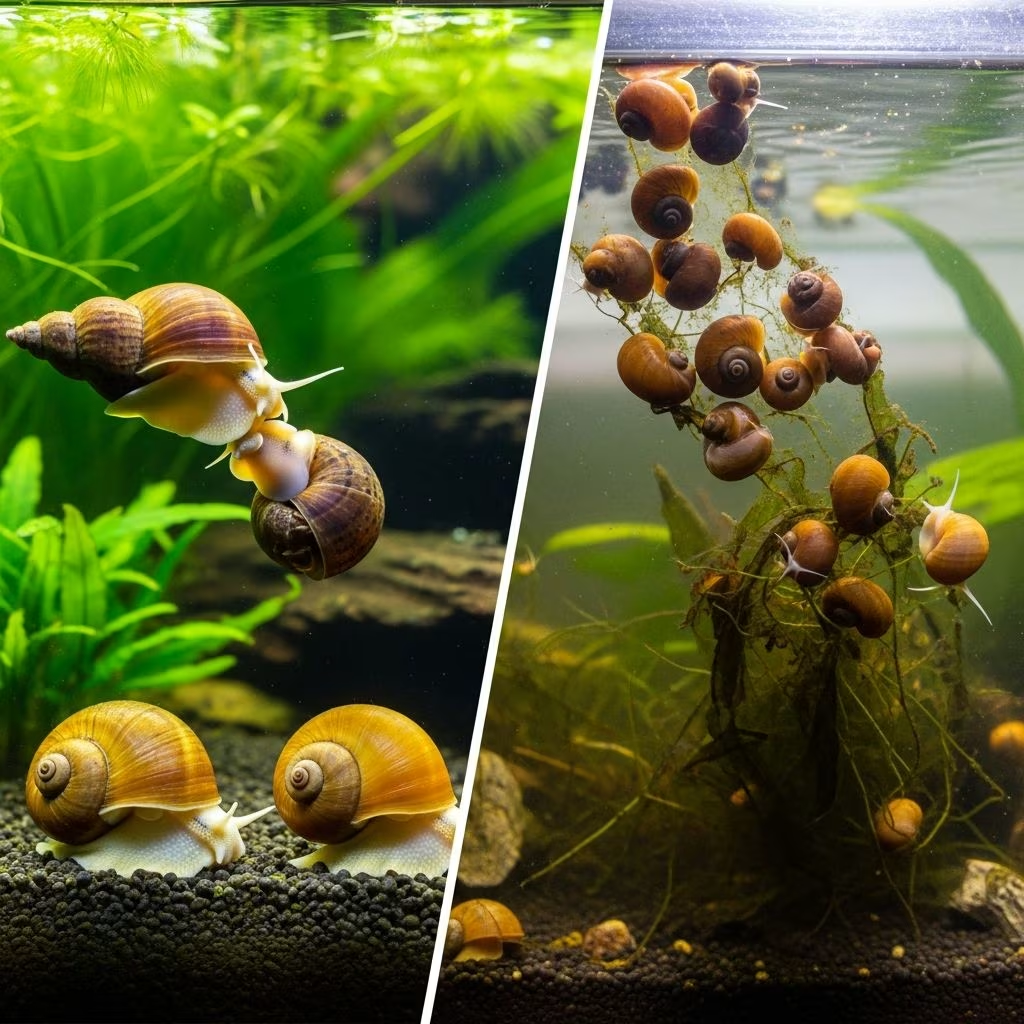
Aquarium Snails: What to Keep and What to Avoid
Aquarium snails can be wonderful additions to freshwater tanks, serving as natural cleaners and algae eaters. However, not all snail species are created equal. Some snails provide tremendous benefits to your aquarium ecosystem, while others can quickly become problematic pests that take over your tank. Understanding the differences between beneficial and nuisance snails is essential for maintaining a healthy and balanced aquarium environment.
Beneficial Snails for Your Aquarium
Several snail species are excellent choices for freshwater aquariums. These snails help control algae growth, consume excess food, and contribute to the overall cleanliness of your tank without causing significant problems.
Nerite Snails
Nerite snails are phenomenal algae eaters and among the most popular choices for aquarium enthusiasts. These relatively small snails typically range from 0.5 to 1.5 inches in size and come in several attractive varieties, including tiger, zebra, red racer, olive, and horned nerite snails. One of the most significant advantages of nerite snails is their extended lifespan, which ranges from four to five years. Their small size and reluctance to eat live plants make them particularly suitable for planted aquariums where you want to maintain your vegetation.
A crucial characteristic of nerite snails is that they require brackish or salt water to breed successfully. This means there is virtually no risk of them breeding uncontrollably in your freshwater aquarium, making population control far easier compared to other snail species. Additionally, while you may occasionally observe white, sesame seed-like egg capsules on tank walls or decorations, these will not hatch in fresh water. Always use a tight-fitting lid on your aquarium to prevent accidental escapes, as nerite snails are prone to climbing out.
Ramhorn Snails
Ramhorn snails are excellent at eating algae, leftover food, and dead plants, making them valuable cleanup crew members. These snails possess a distinctive characteristic: they can only breathe air from the surface of the water and cannot breathe while underwater. This unique respiratory system means they must come to the surface regularly to survive. Because of this requirement, it is essential to always use a secure lid on your aquarium to prevent accidental escapes. While ramhorn snails perform well in ponds, they are known to eat plants when food becomes limited, so supplemental feeding is important.
Mystery Snails
Mystery snails are another popular choice for freshwater aquariums. These larger snails come in various colors and patterns, making them visually interesting additions to your tank. Mystery snails are generally peaceful and do well in community aquariums. However, they require adequate calcium and minerals for proper shell development, and they should be fed appropriately to prevent them from consuming your live plants.
Bladder Snails
Bladder snails from the Physidae family are recognized by their brown, bulbous shells with speckled spots. These snails remain fairly small at less than one inch, making them ideal for cleaning nooks and crannies in your tank. They are not fussy about water parameters and can handle a wide range of pH and temperatures. However, bladder snails are prone to escaping, so maintaining a tight lid is necessary. Additionally, if insufficient algae is available in the tank, they may starve, requiring supplemental feeding with foods like canned green beans, blanched zucchini slices, and specialized nano food blocks.
Snails to Avoid or Control
While some snails are beneficial, others can quickly become problematic in your aquarium. Understanding which species to avoid helps prevent population explosions and tank degradation.
Pond Snails
Pond snails are often confused with bladder snails but can grow significantly larger, reaching 2 to 3 inches in size, and are known for their voracious appetite for aquarium plants. While they can technically be kept with peaceful community fish and make decent scavengers in shrimp tanks, their rapid reproduction rate and plant-eating habits make them problematic for most aquariums. To prevent populations from getting out of control, keep organic debris to a minimum through regular water changes, frequent substrate vacuuming, and careful feeding practices.
Malaysian Trumpet Snails (MTS)
Malaysian Trumpet Snails are particularly notorious for their ability to reproduce rapidly and take over aquariums. It is virtually impossible to eradicate MTS entirely once they establish themselves in your tank. These snails burrow into the substrate during the day and emerge at night to feed. Cutting back on feeding and vacuuming the substrate regularly will deprive these snails of their food source and help keep their numbers manageable, though complete elimination is nearly impossible without removing the entire substrate.
Pest Snails and Overpopulation
Many snail species, including Physa, Ramhorn, and Mystery snails, reproduce readily in aquarium environments if excess food is available. The key to preventing snail population explosions is maintaining disciplined feeding practices. Only feed the amount of food your fish can consume in approximately 10 minutes. Any leftover food should be removed to prevent it from feeding snail populations.
General Care Requirements for Freshwater Snails
Regardless of which snail species you keep, certain fundamental care requirements apply across the board.
Water Quality and Parameters
Most freshwater snails are not particularly fussy about water parameters, but maintaining consistent conditions is important. Snails prefer a pH level between 7.0 and 7.5, with a temperature range of 68 to 82 degrees Fahrenheit. Water hardness should ideally be above 8° GH (140 ppm) to support proper shell development. Tanks must always be cycled and well established before introducing freshwater snails or other invertebrates. Ammonia and nitrite levels should consistently remain at 0 ppm, while nitrate levels can be kept under control through regular partial water changes.
Calcium and Mineral Supplementation
Snails require a constant supply of calcium for proper shell growth and overall health. The shells of healthy snails should have no cracks, holes, or pitting. If you notice these signs, your snails may be living in less-than-ideal conditions and likely have a calcium deficiency.
To address calcium deficiency, consider several options. Place crushed coral in your filter to naturally buffer pH and provide minerals. Add pieces of cuttlebone to the tank, or feed your snails calcium-rich foods such as turtle food, Shrimp Cuisine, Crab Cuisine, or Easy Shrimp and Snail Shells. Products like Wonder Shell can also provide necessary minerals. If you use reverse osmosis or deionized water, add a specialized water replenisher to reintroduce essential minerals and trace elements.
Feeding and Diet
Snails naturally feed on algae, dead plant matter, and bits of fish food that fall to the bottom of the tank. Most snails will consume algae, dead plants, dead fish, and leftover fish food. However, supplemental feeding may be necessary if your aquarium lacks sufficient algae. Commercial options include Aqueon Algae Rounds and Bottom Feeder Tablets. For a more natural approach, blanch and offer vegetables such as kale, spinach, Chinese cabbage, green beans, or broccoli, which are all rich in calcium. Always feed sparingly and remove uneaten food within 24 hours to avoid water quality deterioration.
Tank Setup and Maintenance
Maintain healthy aquarium conditions by feeding your fish sparingly, performing regular water changes, and maintaining good filtration. Vacuum gravel regularly and siphon out dead plant material and detritus to eliminate excess food sources for snails. Avoid sudden shifts in temperature and other water parameters, as snails are sensitive to rapid changes in their environment. Test your water chemistry regularly to ensure you are providing appropriate conditions for all your aquatic pets.
Managing Snail Populations
If you find that snail populations are becoming problematic, several management strategies can help restore balance.
Prevention Methods
The most effective approach to managing snail populations is prevention. Feed your fish less to control the amount of food and waste available to snails. Vacuum your gravel regularly and siphon out dead plant material to eliminate their food supply. Maintain a balanced feeding schedule where fish consume all food within 10 minutes.
Active Removal Techniques
Physical removal of snails is an effective strategy. Hand-pick visible snails and remove them from the tank. Use snail traps by placing Aqueon Algae Rounds, Bottom Feeder Tablets, or lettuce leaves in the aquarium, leaving them overnight, and removing them with the attached snails in the morning. Red Ramshorn snails can be netted from the surface when they come up to breathe.
Biological Control Methods
Several biological approaches can help control snail populations. Crush a few snails at a time and allow your fish to consume them as a natural protein source. Introduce Assassin snails, which are specialized predators that feed on other snail species. Alternatively, introduce certain species of fish that eat snails, including loaches, catfish, cichlids, and puffers. Always research fish species thoroughly before purchasing to ensure they are suitable for your tank size and compatible with your current residents.
Comparing Beneficial and Problematic Snails
| Snail Species | Size | Breeding in Fresh Water | Plant Safety | Recommendation |
|---|---|---|---|---|
| Nerite Snails | 0.5–1.5 inches | No (requires brackish water) | Safe | Highly Recommended |
| Ramhorn Snails | Varies | Yes (with excess food) | May eat plants if hungry | Recommended (with care) |
| Bladder Snails | Less than 1 inch | Yes (with excess food) | Generally safe | Recommended (monitor population) |
| Pond Snails | 2–3 inches | Yes (rapid) | Eats plants | Avoid |
| Malaysian Trumpet Snails | Varies | Yes (very rapid) | Generally safe | Avoid |
Frequently Asked Questions
Q: Which snails are best for planted aquariums?
A: Nerite snails are the best choice for planted aquariums because they are relatively small, have a long lifespan, and are not inclined to eat live plants. Bladder snails are also suitable, though they may eat plants if food becomes scarce.
Q: How can I prevent snail population explosions?
A: The most effective prevention method is to feed your fish sparingly—only the amount they can consume in about 10 minutes. Remove any uneaten food, vacuum your substrate regularly, and maintain good water quality. These practices will naturally limit snail reproduction.
Q: Why is calcium important for snails?
A: Calcium is essential for proper shell development and overall snail health. A deficiency manifests as cracks, holes, or pitting in the shell, indicating the snail has been living in suboptimal conditions. Provide calcium through crushed coral, cuttlebone, mineral supplements, or calcium-rich foods.
Q: Can Nerite snails breed in freshwater aquariums?
A: No, Nerite snails require brackish or salt water to breed successfully. While they may lay egg capsules in freshwater tanks, these will not hatch. This makes them excellent for population control compared to other species.
Q: What temperature do freshwater snails prefer?
A: Most freshwater snails thrive in water temperatures between 68 and 82 degrees Fahrenheit. Avoid sudden temperature fluctuations, as snails are sensitive to environmental changes. Use a reliable aquarium heater to maintain stable conditions.
Q: How often should I clean my snail’s tank?
A: Perform regular water changes to maintain water quality, typically 25-50% weekly depending on your tank’s bioload. Vacuum the substrate regularly to remove debris and detritus, which reduces the snail population’s food supply and helps maintain healthy conditions for all inhabitants.
Q: Are snails compatible with shrimp?
A: Yes, most snails are compatible with shrimp. Pond snails and bladder snails make good scavengers in shrimp tanks. Nerite snails are also safe with shrimp. Avoid aggressive species like large mystery snails that might compete for food resources.
References
- Caring for Different Types of Freshwater Snails — Allan’s Pet Center. 2024. https://allanspetcenter.com/caring-for-different-types-of-freshwater-snails/
- Top 7 Helpful Snails for Your Next Freshwater Aquarium — Aquarium Coop. 2024. https://www.aquariumcoop.com/blogs/aquarium/top-7-freshwater-snails
- Types of Aquarium Snails — Aqueon. 2024. https://www.aqueon.com/articles/types-of-aquarium-snails
- Care Guide: Aquatic Freshwater Snails — Carolina Biological Supply Company. 2024. https://www.carolina.com/teacher-resources/Interactive/living-organism-care-guide-aquatic-freshwater-snails/tr10477.tr
- A Beginner’s Guide to Everything You Need to Know About Aquatic Snails — The Fish Room New Zealand. 2024. https://thefishroom.co.nz/blogs/the-fish-room-blogs/a-beginners-guide-to-everything-you-need-to-know-about-aquatic-snails
- Ultimate Aquarium Snail Care Guide — Aquatic Motiv. 2024. https://aquaticmotiv.com/blogs/news/ultimate-aquarium-snail-care-guide



