

Understanding Aquarium Slime Disease
Aquarium slime disease is a parasitic condition that affects freshwater and saltwater fish, characterized by an excessive production of mucus coating on the fish’s body. This disease is one of the most common health problems encountered by aquarium hobbyists and can quickly spread throughout a tank if left untreated. The parasites responsible for slime disease, including organisms such as Chilodonella and Costia, attack the fish’s skin and gills, triggering an abnormal immune response that results in the overproduction of protective mucus. Understanding the causes, symptoms, and treatment options is essential for maintaining a healthy aquarium environment and ensuring the well-being of your aquatic pets.
Identifying Slime Disease in Your Aquarium Fish
Early identification of slime disease is crucial for effective treatment and preventing the condition from worsening. Affected fish display several characteristic signs that can help you diagnose this parasitic infection accurately.
Visual Symptoms
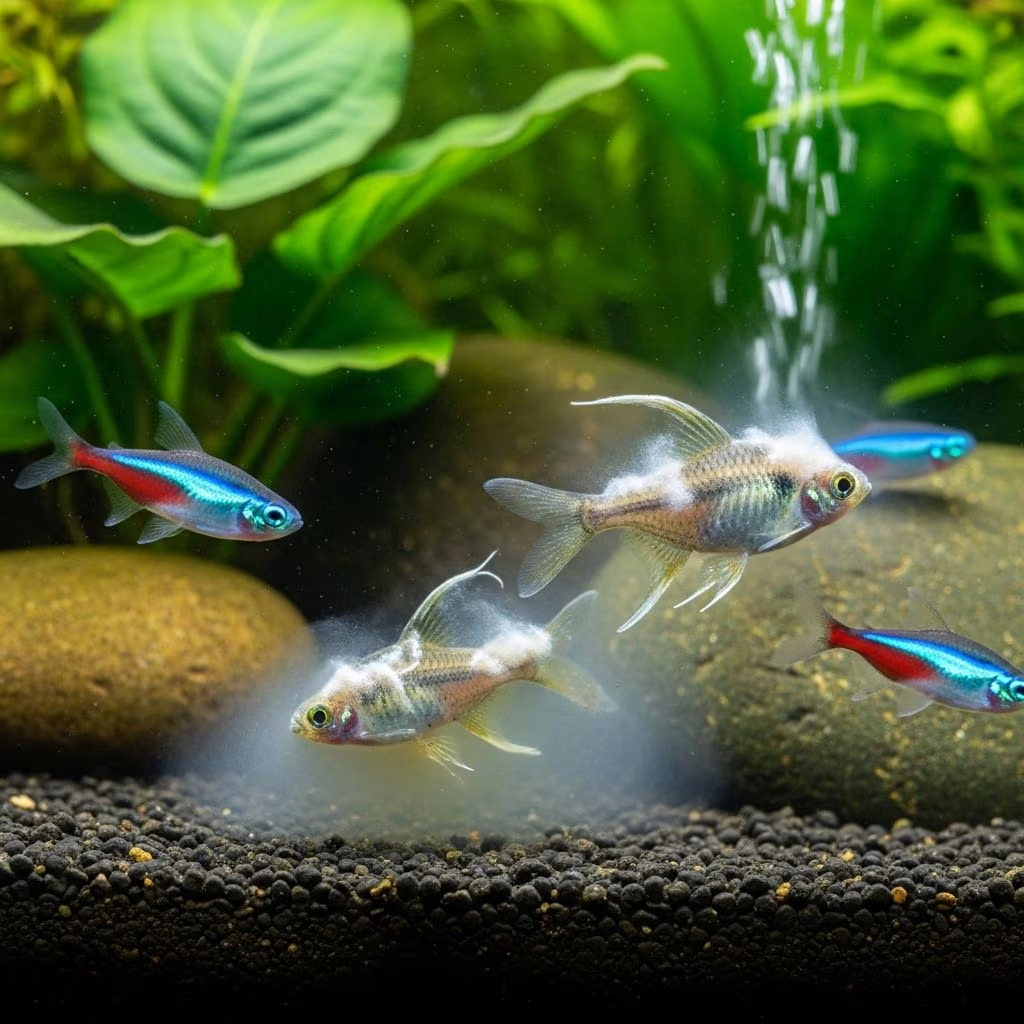
The most obvious indicator of slime disease is the appearance of cloudy patches on the fish’s skin, particularly along the flanks and body sides. The mucus coating typically appears grey, white, or occasionally blue in color, giving the affected fish a dull, unhealthy appearance. In some cases, the mucus may slough off the fish in sheets, creating a ragged or torn appearance. The fish’s eyes may also appear cloudy or hazy. As the disease progresses and the mucus layer becomes thicker, it may begin to cover critical areas such as the gills and eyes, significantly compromising the fish’s ability to breathe and see.
Behavioral Changes
Beyond physical symptoms, infected fish exhibit distinct behavioral changes that indicate distress and discomfort. Affected fish often display rapid or labored breathing, sometimes called “gasping” or “piping,” as the excessive mucus interferes with gill function and oxygen absorption. You may notice the fish scratching or rubbing itself against rocks, decorations, substrate, or other solid objects in the aquarium in an attempt to relieve the irritation caused by the parasites. The fish may also shimmy, flick, or jump erratically. Additionally, infected fish typically show signs of lethargy, spending more time resting at the bottom of the tank or hiding rather than engaging in normal swimming behavior. Loss of appetite is another common sign, as stress and physical discomfort make the fish reluctant to feed.
Progression and Complications
If slime disease remains untreated, the condition can deteriorate rapidly. The thick mucus coating may eventually cover the fish’s gills completely, potentially leading to suffocation and death. In severe cases, the parasites can cause obvious physical damage to the skin, creating open wounds and lesions. These damaged areas become vulnerable to secondary infections, particularly fungal infections and finrot, which can be even more difficult to treat than the original parasitic disease.
Causes and Risk Factors
Slime disease typically develops as a result of poor environmental conditions and stress factors that weaken the fish’s immune system. Several key factors contribute to the development and spread of this parasitic infection in aquarium settings.
Poor Water Quality: Inadequate water conditions, including improper pH levels, excessive ammonia and nitrite, or unstable water parameters, create an environment where parasites thrive and fish become stressed and susceptible to infection. Temperature fluctuations and sudden changes can also trigger outbreaks.
Overcrowding: Tanks with too many fish create stress through constant competition for space, food, and oxygen. This stress weakens the fish’s natural defenses against parasitic infection.
Malnutrition: Fish fed poor-quality or inadequate diets lack the nutritional support needed to maintain healthy immune systems and protective mucus coats.
Inadequate Filtration: Insufficient or malfunctioning filtration systems allow waste products to accumulate, degrading water quality and creating ideal conditions for parasites.
Slime Disease Treatment Options
Prompt treatment is essential when slime disease is identified, as heavy infections can lead to secondary infections and serious complications. Multiple treatment approaches are available, and the best choice depends on your specific fish species, tank setup, and the severity of the infection.
Medication-Based Treatments
Commercial medications designed specifically for slime disease are widely available and highly effective. Formalin is the most commonly used active ingredient and has been proven effective against the parasites causing slime disease. Copper sulfate and potassium permanganate are alternative medications that also show good results. When using any medication, follow the manufacturer’s instructions precisely, paying careful attention to dosages, treatment duration, and any special requirements.
Before adding any medication to your aquarium, remove all carbon from your filter system, as activated carbon will absorb the medication and render it ineffective. Additionally, ensure adequate aeration during treatment, as some medications can reduce oxygen levels in the water. Monitor your fish carefully throughout the treatment period; if you observe severe signs of distress such as gasping at the surface or rolling over, you may need to adjust the treatment or perform an emergency water change.
Salt Treatment for Slime Disease
The parasites responsible for slime disease are highly sensitive to salt, making saline treatment an effective alternative or complementary approach. The salt treatment method combines three key elements for maximum effectiveness: raising water temperature, adding salt, and improving environmental conditions.
Temperature: Increase the water temperature to 86 degrees Fahrenheit (30 degrees Celsius). Warmer water speeds up the parasite’s life cycle and makes them more susceptible to treatment while also boosting the fish’s immune response.
Salinity: Add salt at a dose of 0.4 to 0.7 ounce per gallon (3 to 5 grams per liter). The appropriate dose depends on your fish species’ salt tolerance. Maintain warm, saline conditions for 7 to 14 days for optimal results.
Fish Species Considerations: Different fish species tolerate salt at different levels. Salt-tolerant species such as livebearers, killifish, cichlids, goldfish, and koi can safely receive the higher salt dosage of 0.7 ounce per gallon. Soft water fish such as tetras, barbs, rasboras, and gouramis are less tolerant and should receive the lower dose of 0.4 ounce per gallon. When raising salinity, do so gradually in stages across a full day, allowing both the fish and filter bacteria to acclimate to the new conditions.
Saltwater Dips
While saltwater dips alone are not a reliable treatment for slime disease, they can accelerate recovery when used as a supplementary therapy alongside other treatments. A saltwater dip involves briefly immersing the affected fish in a highly saline solution. The salinity for dips should range between 10 to 35 parts per thousand (ppt), equivalent to about one-third normal seawater salinity through full-strength seawater.
Prepare the dip solution by ensuring the water maintains the same temperature, pH, and hardness as the fish’s home aquarium. Dip the fish for 2 to 20 minutes, depending on the fish’s size and stress response. Smaller fish and soft water species become stressed more quickly, so monitor carefully and remove the fish immediately if it shows signs of severe distress. Salt-tolerant fish endure this treatment better than soft water species, and larger fish typically handle the procedure better than small fish.
Step-by-Step Treatment Protocol
Following a comprehensive treatment protocol maximizes the chances of successfully eliminating slime disease from your aquarium and preventing recurrence.
Initial Assessment and Preparation
Begin by testing your aquarium water for ammonia, nitrite, nitrate levels, and pH. Any unhealthy readings should be corrected before or during treatment. Check that all equipment, including filters and heaters, is functioning properly. Use a thermometer to verify the current water temperature. If the tank is overcrowded, consider whether you need to separate the affected fish or treat the entire tank. In many cases, if one fish is infected, others are likely exposed and may benefit from tank-wide treatment.
Water Changes
Perform a 30 percent water change before adding any medications. This step removes excess waste and parasites from the water while diluting any existing medications that may interfere with treatment. After completing the full course of treatment, perform another 50 percent water change to remove medication residues and restore water quality.
Medication Administration
Remove carbon from your filtration system before adding medication. Follow the dosage instructions precisely based on your tank volume. Ensure the aquarium has adequate aeration, and monitor fish behavior throughout the treatment period. Do not interrupt treatment early, even if symptoms appear to improve; complete the full recommended treatment duration to eliminate parasites completely.
Supportive Care
Feed high-quality food and consider adding vitamin supplements to boost the fish’s immune system during recovery. Avoid excessive tank maintenance, rearranging decorations, or adding new fish during treatment, as additional stress can compromise recovery. Maintain stable water conditions and monitor oxygen levels carefully.
Prevention Strategies
Preventing slime disease is far easier than treating it. Implementing proper aquarium management practices significantly reduces the risk of parasitic infections.
Maintain Optimal Water Quality: Test water parameters regularly and perform consistent partial water changes, typically 25 to 50 percent weekly depending on tank bioload. Keep ammonia and nitrite at zero and maintain appropriate temperature and pH for your fish species.
Prevent Overcrowding: Stock your aquarium at appropriate levels based on tank size and fish species. As a general guideline, maintain one inch of fish per gallon of water, though some species require more space.
Provide Quality Nutrition: Feed high-quality food appropriate for your fish species and avoid overfeeding, which degrades water quality. Consider periodic supplementation with vitamin-enriched foods.
Quarantine New Fish: Always quarantine new fish in a separate tank for 2 to 4 weeks before adding them to the main aquarium to prevent introducing parasites or diseases.
Maintain Equipment: Clean and maintain your filter regularly, ensure heaters function properly, and replace any broken equipment promptly.
Important Treatment Considerations
| Treatment Method | Advantages | Disadvantages | Best For |
|---|---|---|---|
| Formalin Medication | Highly effective, widely available, proven results | Can reduce oxygen, requires filter carbon removal | Most aquarium fish species |
| Salt Treatment | Natural alternative, less harsh, effective with warm water | Not all fish tolerate salt equally, slower acting | Salt-tolerant species like livebearers and cichlids |
| Copper Sulfate | Effective against parasites, relatively fast acting | Toxic to some species, can accumulate in substrate | Hardy aquarium fish species |
| Potassium Permanganate | Oxidizes parasites, improves water clarity | Can harm delicate species, requires careful dosing | Pond and large aquarium systems |
Frequently Asked Questions
Q: How quickly does slime disease progress without treatment?
A: Slime disease can progress rapidly, particularly in warm water conditions. If the mucus coating covers the gills completely, the fish can suffocate within days. Secondary infections may develop within 1 to 2 weeks, significantly worsening the prognosis.
Q: Can I use regular salt instead of aquarium salt for treatment?
A: No, you should use aquarium salt or marine salt specifically designed for aquarium use. Table salt contains additives and anti-caking agents that can harm your fish and filter bacteria. Rock salt intended for ice cream making is also unsuitable.
Q: Will the fish recover completely after successful treatment?
A: Most fish recover fully if treatment is initiated early and the infection is eliminated before secondary infections develop. However, fish that have suffered severe damage to their skin or gills may have lasting effects on their appearance and swimming ability.
Q: Can slime disease spread to humans?
A: No, slime disease cannot infect humans. However, you should still practice good hygiene when handling treated aquarium water or medicated tanks, as some medications can irritate human skin.
Q: How long should I continue treatment after symptoms disappear?
A: Follow the medication instructions completely, even if symptoms resolve before the treatment period ends. Stopping treatment early allows parasites to recover and cause reinfestation. Most treatments require 7 to 14 days of continuous therapy.
Q: What should I do if the fish shows severe distress during treatment?
A: If the fish shows signs of severe distress such as gasping, rolling over, or loss of equilibrium, perform an immediate 50 percent water change to dilute the medication. If distress continues, consider an alternative treatment method or consult with an aquatic veterinarian.
Q: Is it necessary to separate the affected fish from the rest of the tank?
A: Separation is recommended when possible, as it allows you to treat the affected fish more effectively and reduces stress. However, if other fish show symptoms or appear to be exposed, treat the entire tank to prevent spread of infection.
References
- Parasitic Diseases of Fish — Merck Veterinary Manual. 2024. https://www.merckvetmanual.com/exotic-and-laboratory-animals/aquarium-fish/parasitic-diseases-of-fish
- Slime Coat Syndrome on a Fish — Aquarium Science. 2024. https://aquariumscience.org/index.php/11-13-slime-coat/
- Slime Disease — Pet.kiwi. https://www.pet.kiwi/page/slime-disease.aspx
- Slime Parasite Disease — Interpet Ltd. https://interpet.co.uk/support/the-fish-doctor/diagnose-whats-wrong/slime-parasite-disease/



