

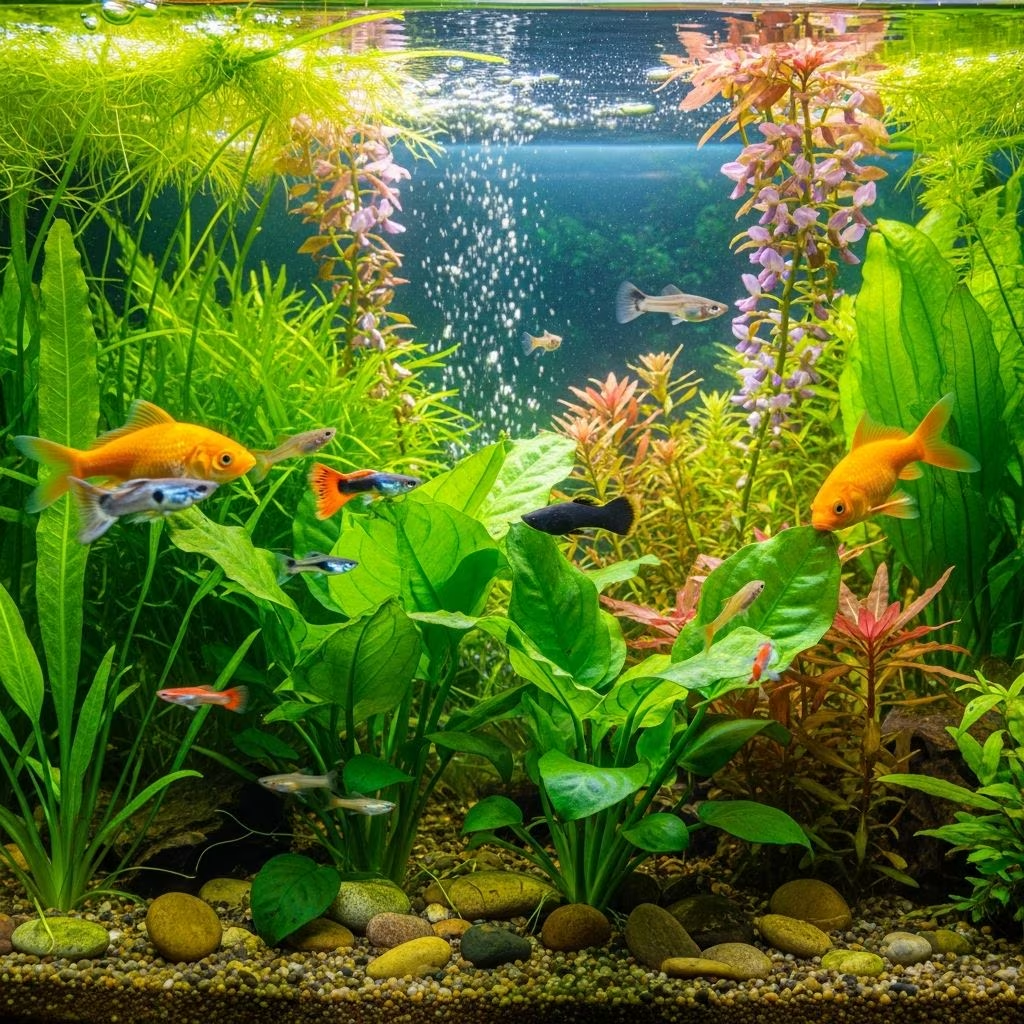
Aquarium Plants As Fish Food
When we think about aquarium plants, we typically envision them as decorative aquascaping elements that beautify our tanks and provide shelter for fish. However, live aquatic plants serve a dual purpose that often goes overlooked—they can function as a sustainable and nutritious food source for your fish. While not every plant will work for this purpose, selecting the right varieties allows your fish to graze naturally on plant matter throughout the day, supplementing their diet with essential nutrients and promoting natural foraging behaviors.
The challenge lies in choosing plants that strike the perfect balance. They must be sturdy enough to withstand constant nibbling without disintegrating, yet soft and palatable enough for fish to consume easily. Additionally, these plants should grow rapidly enough to replenish themselves as your fish eat them, but not so prolifically that they overtake your aquarium if consumption can’t keep pace with growth. Understanding these requirements is essential for successfully incorporating edible plants into your aquarium ecosystem.
What Makes a Good Food Plant?
Not all aquarium plants are suitable as fish food. To qualify as an effective food plant, several criteria must be met. First, the plant must be soft and edible, allowing fish of various sizes and mouth structures to consume it without difficulty. Second, it should demonstrate rapid growth to ensure continuous availability for grazing fish. Third, the plant must be sturdy enough to resist complete destruction from constant fish attention, maintaining its structural integrity even as parts are consumed.
When selecting food plants for your aquarium, you’ll notice that aquatic plants are typically referred to by their scientific or Latin names rather than common names. This standardization helps ensure you’re purchasing exactly what you need and can easily identify plants at your local fish store. Most of the plants discussed here are readily available at standard aquarium retailers, making it convenient to experiment with different options for your specific fish species and aquarium setup.
Algae-Covered Rocks: The Simplest Solution
The most straightforward approach to providing plant-based food for your fish involves algae-covered rocks. This simple method requires minimal effort and produces impressive results, particularly for algae-grazing fish species. To implement this technique, place clean rocks in a separate container of water and position them where they receive sunlight throughout the day. Within one to two weeks, algae will naturally colonize the rock surfaces, creating a nutritious food source.
Once the rocks develop a healthy algae coating, transfer them into your main aquarium. Simultaneously, place new rocks in the sun-exposed container to begin the colonization process. As your fish consume the algae on the established rocks, rotate in the newly prepared ones. This continuous cycle ensures a steady supply of algae-based nutrition. Fish species such as African lake cichlids particularly appreciate this natural food source, and most fish species will readily graze on algae-covered surfaces.
Popular Stem Plants for Fish Food
Cabomba
Cabomba stands out as an excellent choice for aquariums seeking both aesthetic appeal and nutritional value. Available in various forms and colors, including red and green varieties, this plant offers visual interest while serving a functional purpose. The distinctive whorled leaf arrangement radiating from the stem creates an attractive appearance in any aquarium design. When provided with adequate lighting, Cabomba grows rapidly, making it an ideal candidate for fish grazing. Its soft texture makes it accessible to most fish species, and they readily consume it as a nutritious dietary supplement.
Egeria, Anacharis, and Elodea
Often referred to interchangeably, these plants represent some of the most common aquatic vegetation available to aquarists. You may recognize Anacharis from childhood experiences with fish bowls, where it was traditionally included for its oxygen-producing properties. Like Cabomba, these stem plants demonstrate impressive growth rates, particularly in well-lit aquariums. Their soft tissue makes them suitable for consumption by virtually all fish species, from small tetras to larger cichlids. Their accessibility and proven track record make them an excellent starting point for aquarists new to incorporating edible plants into their systems.
Limnophila (Ambulia)
Limnophila, commonly known as Ambulia, features delicate, finely divided leaves that create a feathery appearance in the aquarium. This plant exhibits rapid growth when provided with sufficient light, making it a viable food plant option. However, the success of Limnophila as a food plant depends significantly on the number and species of fish in your aquarium. In heavily stocked tanks with herbivorous fish, Limnophila may struggle to maintain growth rates that keep pace with consumption, potentially resulting in the plant being consumed faster than it can regenerate.
Myriophyllum
Myriophyllum represents one of the most reliable choices for aquariums where fish grazing is desired. This soft-leaved aquatic plant grows so prolifically that it almost invariably outpaces fish consumption, ensuring consistent availability even in tanks with voracious grazers. Myriophyllum exists in numerous forms and species, providing options for different aquarium aesthetics and lighting conditions. Its rapid growth rate makes it self-sustaining, requiring minimal maintenance while continuously providing nutritional plant matter for your fish.
Hygrophila: The Fast-Growing Favorite
Plants in the Hygrophila genus deserve special attention due to their prevalence in the aquarium hobby and the extensive variety of species available. Commonly referred to as ‘hygro,’ these plants rank among the fastest-growing aquatic species available to aquarists, earning them recognition as excellent starter plants for beginners. As stem plants, Hygrophila species develop increasingly soft bottom leaves as they mature, creating an ideal grazing surface for fish. These tender leaves become progressively more palatable, making them particularly attractive to browsing fish. The combination of rapid growth, ease of cultivation, and suitability as fish food makes Hygrophila varieties an outstanding choice for those beginning their journey with edible aquarium plants.
Water Lilies and Lotus Plants
Water lilies and water lotus plants, belonging to the genus Nymphaea, offer a different approach to providing plant-based nutrition. These are remarkably hardy plants that naturally produce leaves destined for the water surface. To encourage underwater leaf growth that serves as food for your fish, pinch off surface-reaching leaves before they fully emerge. The plant responds by redirecting energy toward producing leaves that remain submerged in the aquarium. As these leaves age, they naturally soften, transforming into an excellent nutritional source for fish grazing. The durability of water lilies ensures long-term viability in the aquarium while their leaf production continues throughout the year.
Floating Plants: Nutritious but Challenging
Floating plants present an interesting option for providing fish food, though they require careful management to prevent them from dominating your aquarium. These plants excel at providing nutrition, particularly for species like goldfish and koi, which consume floating vegetation with remarkable enthusiasm. The most effective floating plant options include duckweed (Lemna minor), Azolla, and Salvinia. These species offer nutritional value while remaining accessible for fish consumption. However, floating plants present a trade-off: their rapid growth and spreading tendency can quickly result in surface coverage that limits light penetration and creates maintenance challenges. Success with floating plants requires active management and regular harvesting to maintain ecological balance.
Aponogetons and Bulb Plants
Aponogeton species introduce another dimension to plant-based fish nutrition. These plants flower readily when provided with adequate lighting, creating beautiful blooms that add visual interest to your aquarium. Beyond their ornamental value, Aponogeton plants produce leaves that soften with age, becoming increasingly palatable to grazing fish. Many fish species consume these aging leaves enthusiastically, along with flowers and seeds that fall back into the water. Particularly convenient is that Aponogeton plants are frequently available in bulb form, sometimes marketed as ‘wonder bulbs,’ and they truly live up to the name. Simply push the bulb into your aquarium substrate, and within approximately one week, a mature plant emerges ready to provide both aesthetic appeal and nutritional value to your fish.
Recommended Food Plant Summary
| Plant Name (Scientific) | Growth Rate | Difficulty | Best Fish For | Key Benefits |
|---|---|---|---|---|
| Cabomba | Fast | Easy | Most Species | Beautiful appearance, soft texture |
| Egeria/Anacharis | Fast | Very Easy | All Species | Hardy, oxygen-producing, accessible |
| Limnophila (Ambulia) | Fast | Moderate | Light Grazers | Delicate appearance, fine leaves |
| Myriophyllum | Very Fast | Easy | Heavy Grazers | Prolific growth, multiple varieties |
| Hygrophila | Very Fast | Very Easy | All Species | Fastest growing, excellent for beginners |
| Nymphaea (Water Lilies) | Moderate | Easy | Most Species | Softening leaves, long-lived |
| Floating Plants (Lemna, Azolla, Salvinia) | Very Fast | Moderate | Goldfish, Koi | Enthusiastically consumed, prolific |
| Aponogeton (Bulb) | Moderate | Easy | All Species | Flowers, easy establishment, convenience |
Benefits of Plant-Based Fish Nutrition
Incorporating edible aquarium plants into your fish care routine provides numerous advantages beyond simple nutrition. Natural grazing encourages instinctive foraging behaviors that promote physical activity and mental stimulation, contributing to overall fish health and wellbeing. Plant-based foods supplement commercial fish diets with natural micronutrients and fiber that support digestive health. Additionally, maintaining live plants in your aquarium improves water quality by absorbing excess nutrients like ammonia and nitrates while producing oxygen through photosynthesis. This creates a more stable aquatic environment that benefits all tank inhabitants. The aesthetic appeal of a planted aquarium combined with the nutritional benefits creates a harmonious ecosystem where form and function seamlessly integrate.
Getting Started with Plant-Based Fish Food
Beginning your journey with edible aquarium plants requires minimal investment and effort. Start by identifying which plant species are readily available at your local fish store and which align with your tank’s lighting conditions and fish species. For beginners, Hygrophila and Anacharis represent excellent starting points due to their hardiness, rapid growth, and ease of care. Begin with just one or two plant varieties to understand their growth patterns and how your specific fish interact with them. From this foundation, you can gradually expand your planted aquarium, experimenting with additional species to discover what works best for your unique setup.
Frequently Asked Questions
Q: Will my fish eat all my aquarium plants?
A: Different plant species and fish have different preferences. Fast-growing plants like Myriophyllum and Hygrophila can typically outpace consumption, while more delicate plants may require careful monitoring in heavily stocked herbivorous tanks.
Q: Can I use regular terrestrial plants in my aquarium?
A: No, terrestrial plants are not adapted to aquatic conditions and will decompose, creating water quality issues. Always use plants specifically cultivated for aquatic environments.
Q: How often should I replace algae-covered rocks?
A: Rotate new rocks into your aquarium every one to two weeks, depending on how quickly your fish consume the algae and how rapidly new algae develops on replacement rocks.
Q: Are floating plants safe for all fish species?
A: While most fish tolerate floating plants, goldfish and koi are particularly enthusiastic consumers. Ensure you monitor floating plant growth to prevent complete tank coverage that could limit light and oxygen.
Q: Do I need special lighting for plant growth?
A: Most edible aquarium plants benefit from moderate to strong lighting, though many can survive under standard aquarium lights. LED systems designed for planted tanks typically provide optimal growth.
References
- Aquarium Plants As Fish Food — Chewy Editors. Accessed 2025-11-28. https://www.chewy.com/education/fish/general/plants-as-fish-food
- 14 Live Aquarium Plants To Beautify Your Fish Tank — Chewy. Accessed 2025-11-28. https://www.chewy.com/education/fish/general/live-aquarium-plants
- 5 Live Aquarium Plants That Even a Beginner Can Care For — PetMD. Accessed 2025-11-28. https://www.petmd.com/fish/care/5-live-aquarium-plants-even-beginner-can-care



