

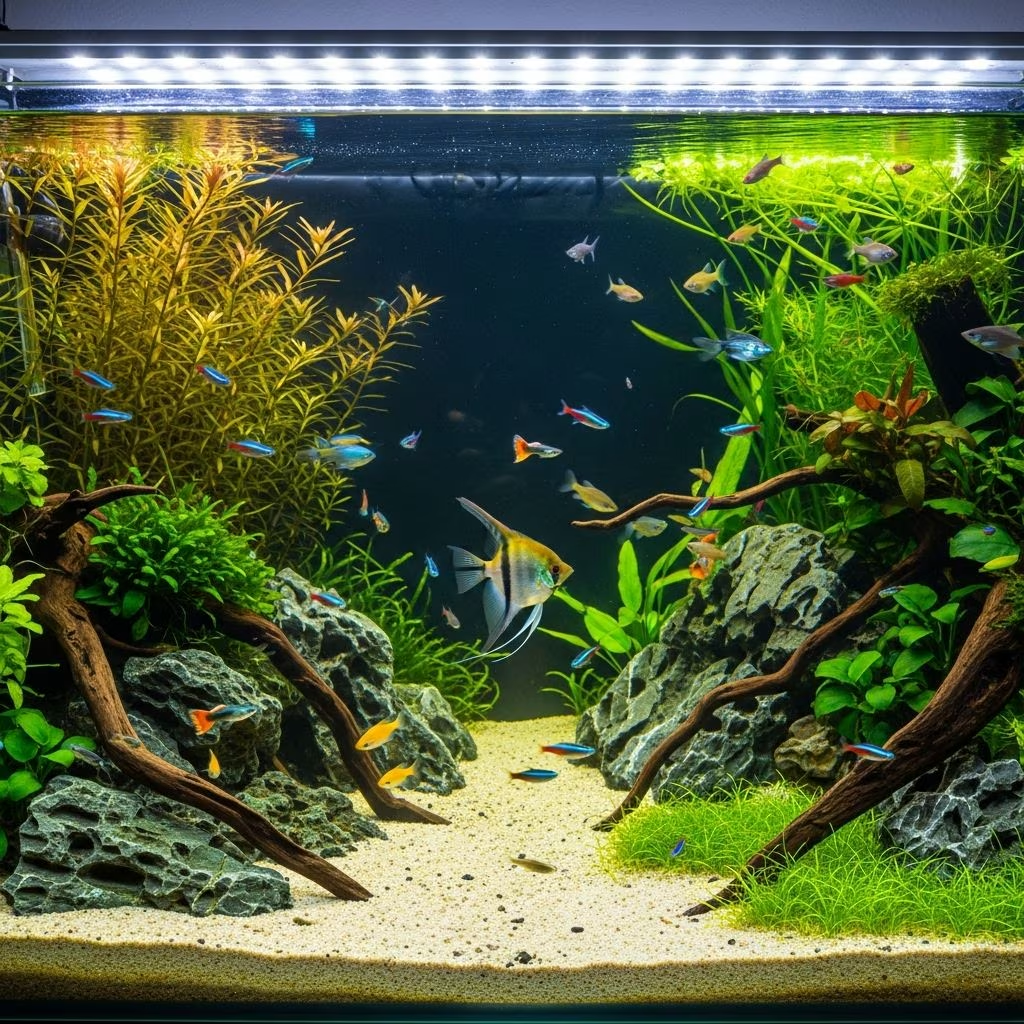
Establishing and maintaining an aquarium requires careful financial planning beyond simply purchasing a tank and fish. Aspiring aquarium enthusiasts must understand the layered costs involved, from initial equipment purchases to continuous operational expenses. This comprehensive guide breaks down every financial aspect of aquarium ownership, helping prospective hobbyists make informed decisions about their investment.
Initial Investment: Tank and Housing Fundamentals
The foundation of any aquarium begins with selecting an appropriate tank. Glass and acrylic represent the two primary material options, each presenting distinct advantages and price points. Glass tanks offer excellent clarity and durability, while acrylic provides lighter weight and superior insulation properties.
For small aquariums ranging from 10 to 20 gallons, glass tank prices typically fall between $50 and $200, whereas acrylic alternatives in the same capacity range from $100 to $300 or more. As tank volume increases substantially, costs escalate dramatically. Larger installations exceeding 50 gallons in glass construction range from $300 to $1,000, while comparable acrylic tanks command prices between $500 and $2,000 or higher.
The choice between glass and acrylic extends beyond mere aesthetics. Custom-designed acrylic tanks significantly amplify overall investment, particularly for hobbyists seeking specialized configurations or integrated filtration systems. Tank selection represents the single largest upfront expenditure but remains fundamental to establishing a stable aquatic environment.
Essential Equipment: The Hidden Budget Category
Beyond the tank itself, aquarium success depends on properly functioning equipment systems. Most aquarium owners underestimate this equipment phase, which comprises the second major expense category. Each component serves critical functions in maintaining water quality and organism health.
Filtration systems represent perhaps the most crucial equipment investment. Small tank filters begin around $20, while sophisticated canister systems for larger installations exceed $200. Filtration effectiveness directly influences water quality maintenance, making inadequate filtration a false economy.
Heating equipment maintains appropriate water temperatures, particularly essential for tropical fish species. Temperature control prevents stress-related illness and promotes natural behaviors. The broader the temperature range your tank requires, the more robust heating equipment becomes necessary.
Lighting systems support both aesthetic presentation and biological functions. Plants require specific light spectrums and duration for photosynthesis, while standard lighting suffices for non-planted tanks. Modern LED systems reduce electricity consumption compared to traditional fluorescent fixtures.
Tank stands and substrates complete the essential equipment category. Proper stands provide structural support and protect flooring from moisture damage. Substrate selection—whether sand, gravel, or specialized planted tank materials—influences both appearance and biological function through beneficial bacteria colonization.
Equipment Cost Breakdown by Tank Size
Total equipment expenses vary significantly with tank capacity. Small 10-20 gallon systems typically require $100-$300 in equipment beyond the tank itself. Mid-sized installations between 30-75 gallons necessitate $200-$600 in additional equipment. Large aquariums exceeding 100 gallons demand $500-$1,500 or greater in supporting equipment.
Fish and Decoration: Populating Your Aquarium
Once equipment installation is complete, aquarium stocking represents the next financial milestone. Fish pricing varies enormously based on species selection, rarity, and breeding difficulty. Standard community fish remain affordable, while specialized species command premium prices.
Betta fish typically cost between $5 and $20, making them accessible for budget-conscious hobbyists. Neon tetras, popular schooling fish, range from $1 to $3 per individual. Angelfish occupy a mid-range price point between $5 and $20. Premium species such as discus cichlids cost $20-$100 each, while marine fish exceed $20-$200 or more, with rare specimens reaching substantially higher figures.
For a standard 20-gallon tank, total fish stocking costs typically range from $30 to $100 depending on species selection. Larger tanks with more inhabitants or premium species preferences increase this category significantly. Decoration elements—plants, rocks, wood, and ornaments—add further to this expense but enhance the aquatic environment’s visual appeal and functionality.
Monthly Operating Expenses: The Ongoing Cost Reality
Initial setup represents only the beginning of aquarium-related expenses. Successful long-term aquarium maintenance requires consistent monthly investments in consumables and utilities. Understanding these recurring costs prevents budget surprises and ensures sustainability of the hobby.
Fish Nutrition and Water Chemistry
Fish food comprises a primary recurring expense, typically ranging from $5 to $20 monthly depending on fish quantity and feeding requirements. Different species have distinct nutritional demands—carnivorous fish require protein-rich formulations while herbivores need specialized vegetation-based foods.
Water conditioners neutralize chlorine and chloramine present in municipal water supplies while stabilizing pH and minerals. Individual bottles cost $5-$15 and typically maintain effectiveness for several months. Regular water testing ensures optimal chemical balance, necessitating replacement test kits and supplies.
Electricity and Infrastructure
Continuous equipment operation significantly impacts household electricity consumption. Small tank systems add only a few dollars monthly to utility bills, while larger installations can increase electricity costs by $20-$50 monthly. This variance depends on heater capacity, lighting duration, and filter system efficiency.
For substantial saltwater systems, salt replacement becomes a substantial expense. A 200-gallon tank requiring 25% monthly water changes necessitates approximately $25 in salt per month. If filtered water purchase becomes necessary, costs escalate to roughly $1 per gallon.
Maintenance Materials and Accessories
Routine tank maintenance requires replacement supplies accumulating to $10-$20 monthly. Filter cartridges, substrate vacuums, algae removal tools, water testing supplies, and cleaning solutions all contribute to this category. Buying materials in bulk reduces per-unit costs and ensures consistent availability for regular maintenance schedules.
Sample Monthly Budget Scenarios
| Tank Size | Initial Setup Cost | Fish & Decoration | Monthly Maintenance |
|---|---|---|---|
| 10 Gallon | $100–$200 | $50–$100 | $15–$25 |
| 20 Gallon | $200–$300 | $75–$150 | $20–$30 |
| 55 Gallon | $400–$700 | $150–$300 | $30–$50 |
Professional Maintenance Services: An Alternative Approach
Some aquarium owners prefer delegating maintenance responsibilities to professional service providers rather than managing tasks personally. This approach removes technical burden but introduces service costs into the budget equation.
Professional aquarium maintenance providers typically charge between $75 and $150 per visit. Saltwater reef systems typically require weekly service visits, while freshwater aquariums may need maintenance only every three to four weeks. Each service visit typically lasts between 30 minutes and 90 minutes.
During professional maintenance visits, technicians perform comprehensive tasks including water changes, chemical testing, equipment inspection, algae removal, and fish health assessment. They provide expert recommendations regarding feeding adjustments, species compatibility, and system improvements. This professional guidance streamlines decision-making for less experienced aquarium keepers.
Choosing between DIY maintenance and professional services ultimately depends on individual circumstances. Busy schedules, technical limitations, or preference for professional oversight may justify the additional service costs. Alternatively, dedicated hobbyists may find personal maintenance both cost-effective and rewarding.
Ultra-Large Installation Considerations
Specialized aquarium projects, such as massive custom installations, introduce substantially different cost calculations. A 5,000-gallon custom tank represents an extreme example requiring extensive engineering and specialized construction. These enormous systems typically range from $50,000 to $200,000 depending on material selection and customization requirements.
Beyond construction costs, operating expense multiplies significantly for massive installations. Electricity consumption, water treatment requirements, and specialized equipment maintenance create monthly expenses far exceeding typical hobby budgets. Such projects typically appeal to institutions, public aquariums, or exceptionally dedicated private collectors.
Strategies for Cost-Conscious Aquarium Enthusiasts
Successful budget management requires strategic purchasing and smart operational decisions. Buying supplies in bulk reduces per-unit costs considerably, particularly for consumables used regularly. Comparison shopping across retailers ensures competitive pricing without compromising product quality.
DIY maintenance versus professional services represents perhaps the most impactful cost decision. Personal involvement in tank maintenance reduces service expenses while increasing hobbyist knowledge and connection with their aquatic ecosystem. Individuals without technical confidence or available time may find professional services worth their cost for peace of mind.
Equipment selection significantly influences long-term operating costs. Energy-efficient LED lighting, high-quality filters reducing electricity draw, and proper insulation all minimize ongoing expenses. Initial investment in reliable equipment often proves more economical than cheaper alternatives requiring frequent replacement.
Essential Questions About Aquarium Economics
Are aquariums expensive to maintain long-term?
Initial setup requires substantial investment, but ongoing monthly expenses remain relatively modest for properly established systems. After accounting for initial equipment costs, monthly maintenance typically ranges from $15-$50 depending on tank size, requiring only disciplined budgeting and consistent care.
What cost-saving approach works best?
Personal tank maintenance produces the greatest savings compared to professional services. Learning proper maintenance techniques through reliable resources and community forums enables hobbyists to manage their systems while developing deeper expertise and connection with their aquatic environment.
When should I consider professional maintenance services?
Professional services become valuable when personal circumstances limit available time or technical knowledge creates management challenges. The $75-$150 per visit cost becomes justified when it ensures consistent, expert care protecting your investment and aquatic inhabitants.
How can I reduce aquarium expenses?
Bulk purchasing of consumables, selecting appropriately sized systems, investing in quality equipment upfront, and developing maintenance expertise all contribute to reduced long-term expenses. Starting with smaller tanks allows skill development before investing in larger, more complex systems.
References
- How Much Does a Fish Tank Setup Really Cost? Break Down the Expenses — Bubble Magus. Accessed 2026. https://bubble-magus.net/blogs/fish-tank-mastery/fish-tank-setup-cost-guide
- Cost of Maintaining a Fish Tank | Aquarium Care — Howcast / YouTube. Accessed 2026. https://howcast.com/videos/509960-cost-of-maintaining-a-fish-tank-aquarium-care/
- How Expensive Is It to Keep an Aquarium? — Nick’s Aquatic Maintenance. Accessed 2026. https://nicksaquaticmaintenance.com/blogs/guides/how-expensive-is-it-to-keep-an-aquarium



