

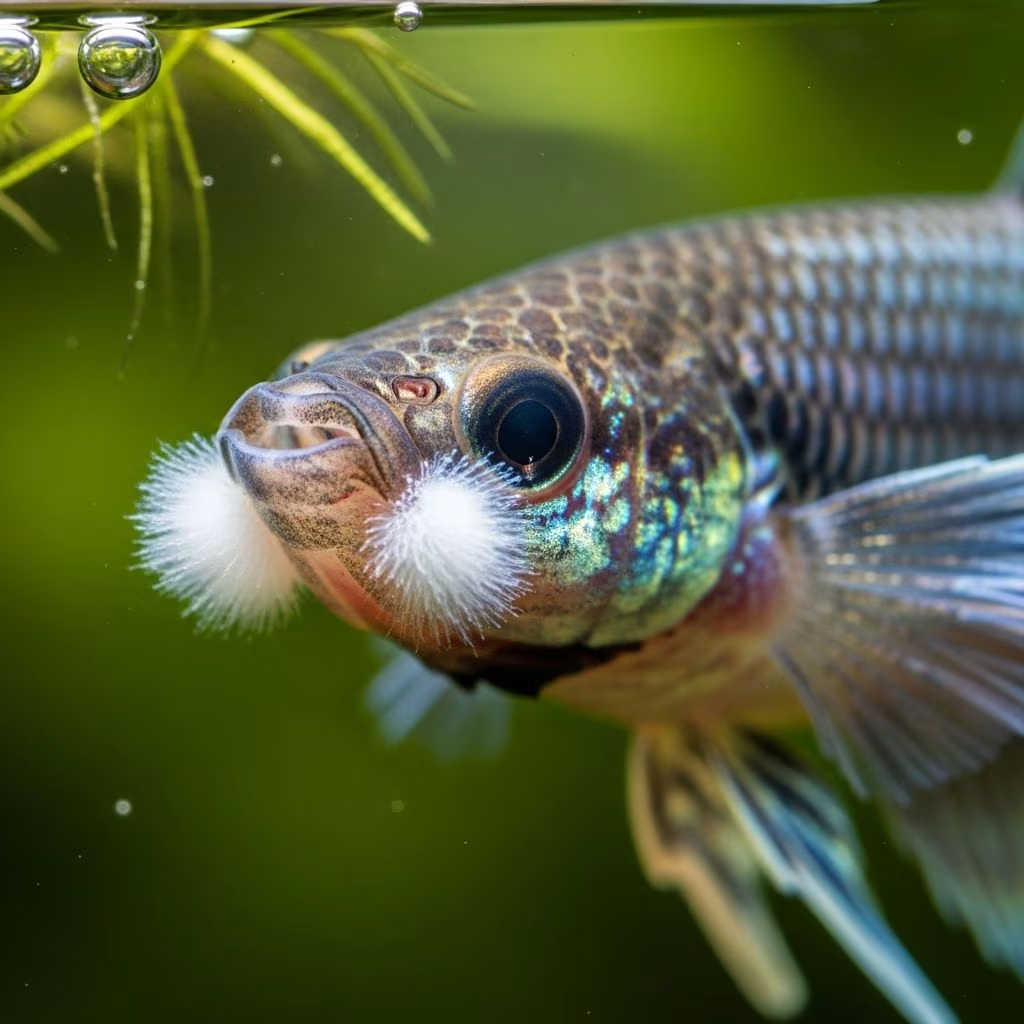
Understanding Aquarium Fish Mouth Fungus
Despite its misleading name, mouth fungus in aquarium fish is not actually a fungal infection at all. Instead, it is a bacterial infection caused by gram-negative bacteria that requires antibiotic or antibacterial medications for effective treatment. This common misconception has led many aquarists to initially misdiagnose and mistreat the condition. Understanding the true nature of mouth fungus is essential for any fish keeper who wants to maintain a healthy aquarium environment and respond quickly to signs of infection.
The confusion surrounding mouth fungus stems partly from its visual appearance and partly from historical naming conventions within the aquarium hobby. Many experienced aquarists continue to use colloquial terms when discussing the condition, which can further complicate matters for newer hobbyists. The key to successful treatment lies in recognizing that mouth fungus requires bacterial antibiotics rather than antifungal medications.
Distinguishing Mouth Fungus from True Fungal Infections
One of the most important skills for aquarium maintenance is the ability to distinguish between mouth fungus and actual fungal infections, as they require completely different treatment approaches. True fungal infections typically present as visible tufts of long, white, fluffy threads that closely resemble cotton wool growing on the fish’s body. In contrast, mouth fungus infections tend to appear off-white to grey in color and lack the distinctive cottony appearance.
The confusion deepens because some aquarists refer to mouth fungus as “cotton wool disease,” despite the more cottony appearance of actual fungal infections. This terminology can mislead fish keepers into choosing the wrong treatment method. When examining your fish closely, pay attention to the texture and color of any growths. True fungal infections will have that distinctive fluffy, cotton-like quality, while mouth fungus appears more uniform and less pronounced in texture.
In advanced stages, mouth fungus can produce nasty-looking sores and lesions on the head and along the fish’s flanks, making the condition more visually obvious. At this point, the infection has progressed significantly and requires immediate intervention. Catching the condition early is therefore crucial for the best possible outcome.
Identifying Mouth Fungus Symptoms
Recognizing the early signs of mouth fungus is critical for prompt treatment and recovery. The symptoms can vary depending on the stage of infection and the specific bacterial strain involved.
Early Warning Signs
The most visible and diagnostic sign of mouth fungus is the presence of cotton-like or fungus-like growth around the mouth area of the fish. Fish keepers should pay close attention to this region during regular observation. Additional early symptoms include:
- Pale or white patches around the mouth and fins
- Torn or frayed fin appearance resembling threads or strands
- Cloudy white patches developing near gill filaments
- General behavioral changes or reduced feeding activity
Progressive Symptoms
As the infection advances, the condition becomes more severe and visible. The fungus slowly spreads from the mouth area toward the gills, eventually reaching these critical respiratory organs. When fungus reaches the gills, the fish experiences increasing difficulty breathing, which becomes evident through rapid gill movement or gasping behavior. In severe cases, the infection can produce open sores and lesions across the head and body.
Speed of Progression and Disease Severity
Mouth fungus typically develops slowly compared to other bacterial infections like fin rot. However, certain strains of the causative bacteria act much faster than the standard variety, potentially killing infected fish within just a few days. This variation in progression speed means that prompt diagnosis and treatment are absolutely critical. When you first notice signs of mouth fungus, immediate action should be taken to prevent rapid deterioration of the fish’s condition.
Root Causes and Environmental Factors
Understanding what causes mouth fungus to develop is essential for prevention and long-term management. Whenever mouth fungus appears in an aquarium, the aquarist should investigate several environmental and social factors. These include:
- Physical damage from fighting or fin nipping between tank inhabitants
- Inappropriate social grouping of fish species
- Imbalanced or vitamin-deficient diet
- Poor water quality conditions
- Excessive ammonia and nitrite levels
- Water chemistry imbalances
- Insufficient oxygen concentration in the water
Water Quality as a Primary Risk Factor
Non-zero levels of ammonia and nitrite are particularly strongly associated with mouth fungus outbreaks. These toxic compounds should ideally remain at zero in established aquariums. Even small quantities indicate inadequate biological filtration or excessive bioload. Regular water testing should be part of every aquarist’s routine maintenance schedule.
Species-Specific Vulnerability
Certain fish species are more prone to mouth fungus under specific conditions. Cichlid fish that engage in jaw-wrestling behavior frequently damage themselves, creating entry points for bacterial infection. Livebearers kept in soft, acidic water conditions are particularly susceptible. Tropical fish species like bettas maintained in unheated aquariums face increased risk. Goldfish most commonly become infected when kept in unfiltered or overstocked aquaria.
Treatment Options for Mouth Fungus
Antibiotic and Antibacterial Medications
Since mouth fungus is a bacterial infection, antibiotics that act against gram-negative bacteria are the most effective treatment option. Kanamycin is a well-established choice for treating this condition. Antibacterial medications have also shown success, including phenoxyethanol at a dose of 100 mg/l for 7 days and nifurpirinol (also known as furanace or nitrofurazone) at 0.2 mg/l for up to 5 days.
A variety of broad-spectrum antibiotics are available for treating mouth fungus, including Midland Vet Service Aqua-Mox, VetDepot Amoxicillin, Fishbiotic Ampicillin, Mardel Maracyn 2, SeaChem KanaPlex, and API Fin and Body Cure. Many proprietary medications formulated to treat mouth fungus also address fin rot and true fungal infections simultaneously, providing comprehensive coverage for unclear diagnoses.
Important Medication Considerations
Fish keepers should be aware that some medications, including nifurpirinol, can negatively affect the beneficial filter bacteria in your aquarium. When using such treatments, close monitoring of water parameters becomes even more critical. Carbon filters should be removed from filtration systems during treatment, as carbon will absorb many medications from the water, reducing their effectiveness. Remember to reinstall the carbon filter 7 days after the last dose.
According to recent aquarium science research, antibiotics are most effectively delivered through food rather than simply added to the water. While many medications instruct users to add them directly to the tank water, feeding medicated food to infected fish often produces superior results. This method allows for direct consumption of the antibiotic while minimizing environmental impact on beneficial bacteria.
Natural Treatment Approaches
Tea-Tree Oil
Tea-tree oil derived from Melaleuca tree species has been used to prevent bacterial infections in fish with some degree of success. If a fish has been damaged or nipped by tank mates, isolating that fish and treating it with tea-tree oil may help prevent both mouth fungus and fin rot, as well as true fungal infections. This natural approach works best as a preventative measure rather than a treatment for advanced infections.
Salt Treatment
Salt (sodium chloride) is not particularly useful as a direct treatment for established mouth fungus infections, though it may have some value in preventing bacterial infections generally when used at doses up to 1 oz per US gallon. However, salt concentrations necessary to prevent bacterial infections will be too high for most freshwater fish species. Salt treatment is only practical for salt-tolerant fish species such as guppies and mollies. The most common treatment for fungus in freshwater fish involves adding aquarium salt to the tank, though this should only be used for appropriate species.
For fish that can tolerate salt, adding 1 to 2 teaspoons of aquarium salt per 10 liters may help speed up treatment and recovery. Salt baths at higher concentrations can also be beneficial for certain species. When using salt treatment, maintain consistent salinity during water changes by adding appropriately treated water.
Comprehensive Treatment Protocol
Success in treating mouth fungus depends not only on choosing the right medication but also on creating optimal conditions for recovery. A comprehensive approach includes several essential steps:
- Remove the carbon filter from your filtration system to prevent medication absorption
- Dose with appropriate antibiotics following package directions carefully
- Consider adding aquarium salt if your fish species can tolerate it safely
- Increase oxygen levels if fish appear to be gasping at the surface, using an air pump if necessary
- Provide time for recovery by avoiding excessive tank cleaning, redecorating, or adding new fish
- Monitor water quality parameters closely throughout treatment
- Follow re-treatment guidelines if the infection does not fully resolve
Long-term success requires addressing the underlying environmental and social issues that allowed mouth fungus to develop in the first place. Simply treating the infection without correcting these factors will likely result in recurring problems. A complete review of water quality, water chemistry, diet quality, and social behavior patterns is necessary for lasting protection.
Prevention Strategies
The best approach to mouth fungus is preventing it from occurring in the first place. Understanding common scenarios that lead to infection helps aquarists avoid these pitfalls:
- Prevent physical damage by maintaining appropriate social groupings and avoiding aggressive species combinations
- Provide adequate space and hiding spots to reduce territorial conflicts
- Maintain excellent water quality with regular testing and partial water changes
- Feed high-quality, vitamin-rich foods to support immune function
- Maintain appropriate water temperature for your specific fish species
- Ensure proper filtration capacity for your aquarium bioload
- Avoid overstocking your aquarium
Frequently Asked Questions About Mouth Fungus
Q: Is mouth fungus contagious to other fish in the tank?
A: Yes, mouth fungus can spread to other fish, particularly those that are stressed, injured, or kept in poor water conditions. Prompt isolation and treatment of affected fish is recommended to prevent spread.
Q: Can I treat mouth fungus without removing my fish from the main tank?
A: Most medications can be administered in the main tank following package directions, though isolating severely affected fish can help prevent spread and allow for closer monitoring during recovery.
Q: How long does mouth fungus treatment typically take?
A: Treatment duration varies by antibiotic used, ranging from 5 to 7 days typically. Some cases may require extended treatment or repeat dosing depending on severity and response to initial treatment.
Q: Will antibiotics harm my aquarium’s beneficial bacteria?
A: Some antibiotics can negatively affect filter bacteria. Monitor water parameters closely during treatment and avoid overdosing. Removing carbon filters ensures medication effectiveness without interference.
Q: Can I use antifungal medications to treat mouth fungus?
A: No, antifungal medications are ineffective against mouth fungus because it is a bacterial infection, not a fungal one. Use antibacterial or antibiotic medications specifically formulated for bacterial infections.
Conclusion
Mouth fungus remains one of the more commonly misunderstood aquarium diseases, largely due to its misleading name and visual similarity to true fungal infections. However, with proper knowledge of its bacterial nature, clear recognition of symptoms, and appropriate use of antibiotics or antibacterial medications, fish keepers can effectively treat this condition. The key to long-term success lies not just in medication selection but in addressing the underlying environmental and behavioral factors that allowed the infection to develop. By maintaining excellent water quality, providing proper nutrition, avoiding overstocking, and preventing physical damage among tank inhabitants, aquarists can significantly reduce the likelihood of mouth fungus ever appearing in their aquariums.
References
- Aquarium Fish Mouth Fungus — Chewy Editors. 2025. https://www.chewy.com/education/fish/general/aquarium-fish-mouth-fungus
- Mouth Rot in Aquarium Fish — Aquarium Science. 2025. https://aquariumscience.org/index.php/10-3-2-mouth-rot/
- 3 Common Fungal Infections in Fish — PetMD. 2025. https://www.petmd.com/fish/conditions/skin/common-fungal-infections-fish
- Mouth Rot – Fish & Aquarium Care — Interpet. 2025. https://interpet.co.uk/support/the-fish-doctor/diagnose-whats-wrong/mouth-rot/
- Common Fish Disease Symptoms and Treatments — Aquarium Industries. 2015. https://www.aquariumindustries.com.au/



