

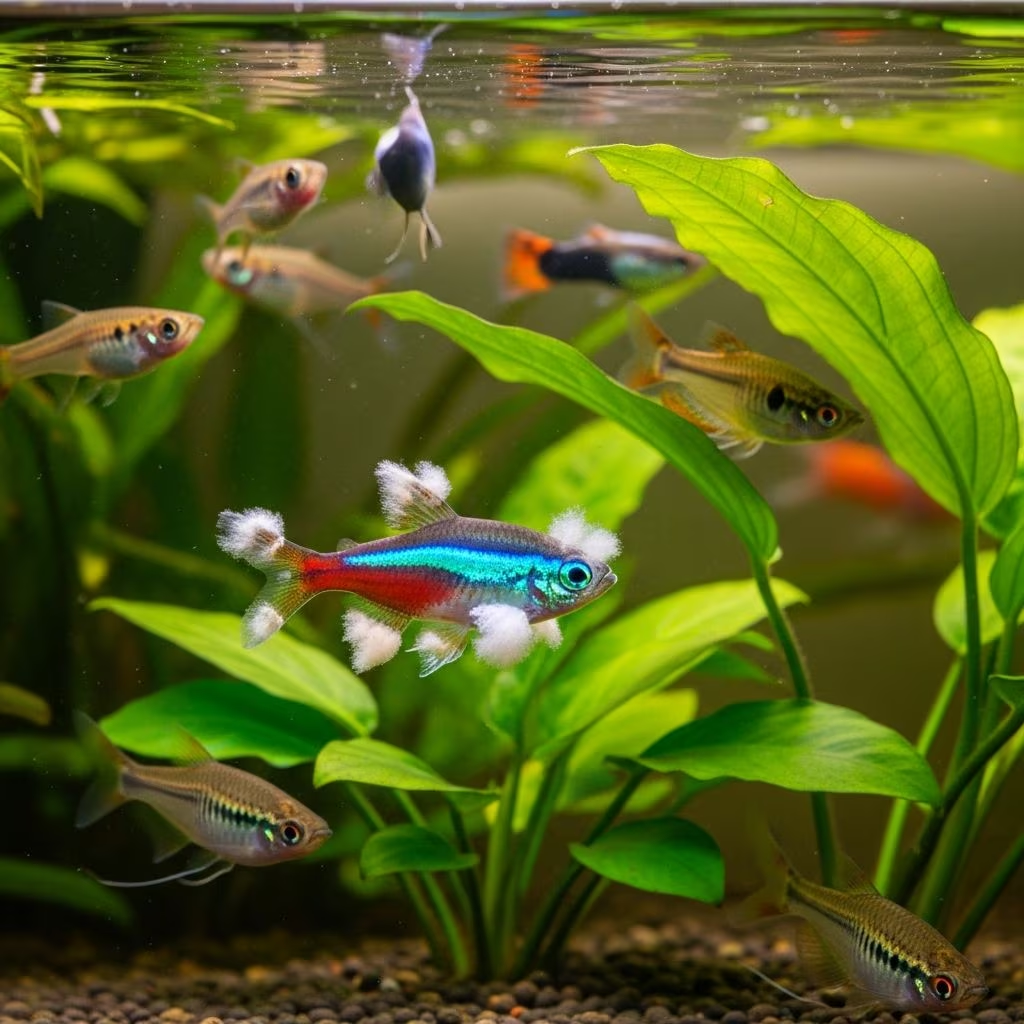
Understanding Aquarium Fish Fungus
Fungal infections are among the most common health issues affecting aquarium fish, particularly those in stressed or poorly maintained environments. Fish fungus typically presents as white, gray, or brown cotton-like growths on the fish’s body, fins, mouth, or scales. These unsightly patches can rapidly spread throughout an aquarium population if not addressed promptly, making early identification and treatment essential for preserving your fish’s health and survival.
The fungal organisms most commonly responsible for these infections belong to the Saprolegnia and Achlya mold species. These organisms naturally exist in aquatic environments but only become problematic when fish develop compromised immune systems or damaged slime coats. Understanding the causes, symptoms, and treatment options will help you maintain a thriving, disease-free aquarium.
What Causes Fish Fungus?
Fungal infections don’t occur randomly in healthy aquariums. Rather, they develop as a secondary condition when fish are already in a vulnerable state due to underlying health problems or environmental stressors. Several key factors contribute to the development of fungal infections in captive fish.
Poor Water Conditions
Deteriorating water quality stands as the primary catalyst for fungal outbreaks in aquariums. When ammonia, nitrite, or nitrate levels climb too high, or when pH fluctuations occur, fish experience chronic stress that weakens their immune systems. Fish kept in particularly poor conditions—such as bettas housed in tiny containers without heaters or filters—are especially susceptible to fungal infections. Proper tank size, filtration, and regular water changes are fundamental preventative measures.
Temperature Fluctuations and Stress
Drastic temperature changes stress fish and compromise their ability to fight off infections. Most tropical fish require stable temperatures within specific ranges. For example, bettas thrive in water between 78 to 80°F and become vulnerable when exposed to colder conditions. Additionally, overcrowding, aggressive tank mates, poor nutrition, and inadequate hiding spaces all contribute to chronic stress that predisposes fish to fungal disease.
Physical Injuries and Secondary Infections
Fungus frequently attacks fish that already have wounds, lesions, or damaged slime coats from other conditions. Parasitic infections, bacterial diseases, or physical trauma from fighting or sharp decorations can create entry points for fungal organisms. The fungus takes advantage of these vulnerable areas, establishing itself on decaying tissue or open wounds.
Recognizing Fish Fungus Symptoms
Early recognition of fungal infections significantly improves treatment outcomes. Knowing what to look for allows you to intervene before the infection becomes severe or spreads to other tank inhabitants.
Visual Symptoms
The most distinctive sign of fish fungus is the appearance of white, gray, or brown cotton-like growths on affected areas. These cottony patches may appear on the fish’s body, fins, scales, or mouth. The growths have a fluffy texture that resembles cotton batting or mold. In some cases, particularly when fungus affects the mouth area, you may observe mouth rot or cotton mouth, where grayish-white patches concentrate around the mouth region.
Behavioral Changes
Beyond visual symptoms, infected fish often display behavioral changes indicating illness. Affected fish may clamp their fins to their body, appearing rigid and stressed. They often lose interest in food, becoming thin or emaciated over time. Some fish exhibit “shimmying” movements, an unusual swimming pattern caused by the irritation and discomfort of the infection. As the condition worsens, fish become increasingly lethargic and pale, withdrawing from normal activities.
Treatment Options for Fish Fungus
Several effective treatment approaches exist for managing aquarium fish fungus. The appropriate choice depends on the infection’s location, severity, and your specific aquarium setup. Most successful treatments combine environmental improvement with targeted medication.
Organic Dyes and Proprietary Medications
Organic dye-based medications represent the most commonly recommended treatment for fish fungus. These proprietary formulations, often containing malachite green and other active ingredients, have proven highly effective against fungal infections. When used according to manufacturer instructions, these medications are safe for most community fish species. However, they cannot be used in tanks containing delicate species such as mormyrids and stingrays, and they are toxic to invertebrates including snails and shrimp. Always remove chemical filtration media like activated carbon before treating, as these materials will neutralize the medication.
Combination Therapy Approach
For more severe fungal infections or cases involving body fungus, combining antifungal medications with antibacterial treatments often yields better results. This combination addresses both the fungal infection and any secondary bacterial infections that may have taken advantage of the damaged tissue. Treatment protocols typically involve dosing both medications simultaneously and maintaining the treatment for the prescribed duration.
Salt Therapy
While salt has limitations as a standalone antifungal treatment at doses safe for most community fish, it can provide supportive care and help prevent fungal infections in certain species. Livebearers and brackish water fish naturally tolerate higher salinity levels, making salt therapy more effective for these groups. Salt raises environmental salinity, which helps maintain fish health and can inhibit fungal growth in appropriate aquarium setups. However, salt is not considered a reliable primary treatment for established fungal infections in freshwater community aquariums.
Herbal Alternatives
Various herbal remedies containing natural oils and extracts are marketed for treating fish fungus. While these products may provide some benefit as supportive treatments or preventative measures, they are generally less potent than pharmaceutical antifungal medications. For established fungal infections where the disease has already taken hold, herbal remedies alone often prove insufficient to save affected fish. Most experienced aquarists reserve herbal treatments for minor cases or as preventative measures rather than primary treatment options.
Step-by-Step Treatment Protocol
Following a systematic approach to treatment maximizes success rates and ensures complete eradication of the infection.
Initial Aquarium Preparation
Before beginning any medication treatment, perform thorough aquarium maintenance. Scrub the aquarium glass to improve visibility for monitoring the fish’s condition. Clean the filter, removing accumulated detritus and debris. Vacuum the substrate using a siphon to remove settled waste products. Complete a partial water change to improve water quality. These steps reduce stress factors and create optimal conditions for the fish’s immune system to fight infection.
Chemical Filtration Removal
Remove any chemical filtration media such as activated carbon or Purigen resin before dosing medications. These materials are designed to remove impurities from water and will neutralize or absorb antifungal medications, rendering them ineffective. After completing the full treatment course and symptoms have completely resolved, you can reinstall chemical filtration media.
Medication Dosing
Follow manufacturer instructions precisely when dosing medications. Most treatments are measured in packets or teaspoons per 10 gallons of water. For minor fungal infections, a single dose followed by a week-long soak may suffice. For severe cases or persistent infections, repeat dosing every 24 hours for five consecutive days, ensuring you complete the full treatment course even if symptoms disappear before the protocol ends.
Prevention Strategies
The best approach to fungal infections involves prevention rather than treatment. Maintaining optimal aquarium conditions dramatically reduces disease risk and keeps your fish thriving.
Water Quality Management
Maintain stable water parameters through regular testing and consistent maintenance routines. Perform partial water changes weekly to remove accumulated waste products. Install appropriate filtration for your tank size and bioload. Use a heater to maintain stable temperatures within your fish species’ requirements. Test water regularly for ammonia, nitrite, nitrate, and pH, addressing any abnormalities immediately.
Tank Maintenance
Clean your aquarium regularly, including glass surfaces, substrate, and filter media. Live plants, particularly floating varieties, help remove toxic waste compounds before they accumulate. Ensure adequate tank size for your fish species—overcrowding creates stress and deteriorating conditions. Provide appropriate hiding spaces and decoration to reduce stress from aggressive tank mates.
Quarantine Procedures
Before introducing new fish to an established tank, quarantine them in a separate system for two to three weeks. This observation period allows you to identify any health issues before they spread to your main aquarium. Use preventative treatments during the quarantine period when introducing new fish, particularly if they come from unknown sources.
Behavioral Monitoring
Observe your fish regularly for signs of stress, aggression, or injury. Address fin nipping or fighting issues promptly, as the resulting wounds create entry points for fungal infections. Remove aggressive fish or rearrange tank décor to reduce territorial disputes.
Specific Treatment Scenarios
Mouth Fungus and Mouth Rot
When fungus appears around the mouth area, treatment depends on the underlying cause. While true fungal infections appear as cottony growths, similar-looking conditions such as columnaris (a bacterial infection) can mimic fungal symptoms. Bacterial mouth rot typically requires antibiotic treatment rather than antifungal medications. If uncertain about the cause, using a combination treatment approach addresses both possibilities effectively.
Body and Fin Fungus
For fungal infections on the fish’s body or fins, combination therapy with both antifungal and antibacterial medications is often recommended. This dual approach addresses both the primary fungal infection and any secondary bacterial infections that may develop in the damaged tissue. Maintain the treatment for the full recommended period, typically five to seven days depending on severity.
Important Treatment Considerations
Fungal infections demand prompt treatment because they spread rapidly and make fish increasingly vulnerable to secondary infections such as bacterial fin rot. Without intervention, fungus will progressively weaken and ultimately kill infected fish. Never delay treatment upon noticing symptoms, as early intervention significantly improves survival rates.
Complete the full treatment course as prescribed, even if symptoms disappear before the protocol ends. Stopping treatment prematurely may allow the infection to resurge, requiring additional treatment rounds. Some fish may require repeated treatment courses or escalated medication concentrations if the infection persists beyond the initial treatment period.
Frequently Asked Questions
Q: How quickly does fish fungus spread?
A: Fungal infections can spread rapidly throughout an aquarium population, particularly in tanks with poor water conditions. Early treatment is critical to prevent widespread outbreak affecting multiple fish.
Q: Can fish fungus spread to humans?
A: Aquarium fungal species are not pathogenic to humans. Standard aquarium maintenance practices using gloves when desired provide adequate safety precautions.
Q: Will my fish recover completely from fungus?
A: Many fish recover completely from fungal infections when treated promptly with appropriate medications and supportive care. However, severely weakened fish or those with advanced infections may not survive despite treatment.
Q: Can I treat fungus without removing the fish to a quarantine tank?
A: Yes, fungus can be treated in the main aquarium with appropriate medications. However, if you have invertebrates like shrimp or snails, moving the fish to a quarantine tank prevents harm to these sensitive species.
Q: How can I prevent fungus in my aquarium?
A: Maintain excellent water quality through regular testing and water changes, provide appropriate tank size and temperature control, minimize stress factors, and quarantine new fish before introducing them to established tanks.
References
- How to Cure Fungus on Aquarium Fish — Aquarium Coop. 2024. https://www.aquariumcoop.com/blogs/aquarium/fish-fungus
- Fungal Infection Guide — Fritz Aquatics. 2024. https://fritzaquatics.com/resources/fish-diseases/fungal-infection
- Fungal and Bacterial Infections — Interpet Support. 2024. https://interpet.co.uk/support/we-can-help-you-with/your-fish/your-fish-health/fungal-and-bacterial-infections/
- Aquarium Fish Fungus: Treatment and Prevention — Chewy. 2024. https://www.chewy.com/education/fish/general/aquarium-fish-fungus



