

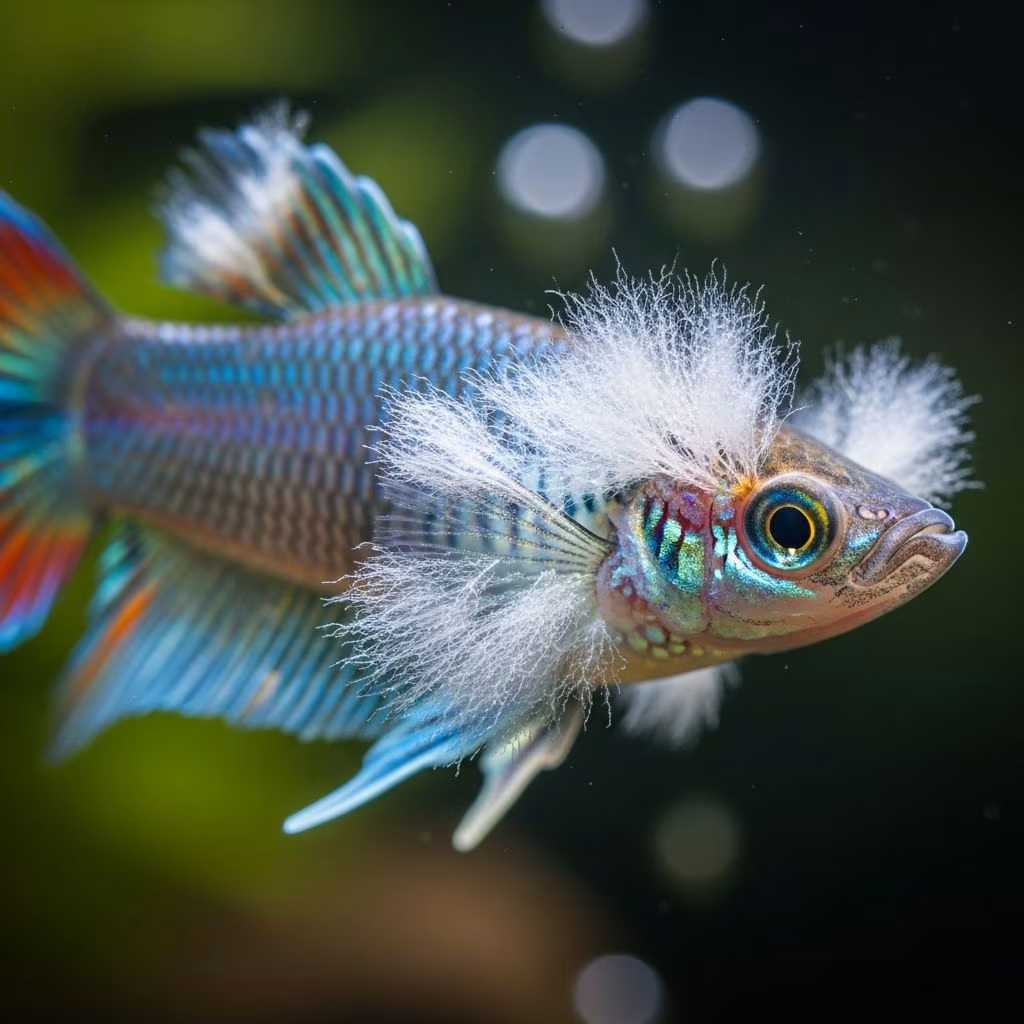
Fungal infections represent one of the most frequent health challenges in aquariums, often appearing as cotton-like patches on fish scales, fins, or gills. These opportunistic pathogens thrive when fish are compromised by stress or injury, making swift recognition and intervention critical for recovery.
Understanding Fungal Pathogens in Aquariums
Aquarium fungal infections primarily stem from water mold species like Saprolegnia, which form visible white or gray tufts on affected areas. Unlike bacterial issues, these fungi target weakened tissues, exploiting open wounds or suppressed immunity. In freshwater setups, poor hygiene accelerates spore germination, turning minor abrasions into full-blown outbreaks.
Freshwater environments foster these growths more than marine ones due to lower salinity levels that inhibit fungal spread. Affected fish may exhibit lethargy, clamped fins, or rapid gill movement as the infection impedes respiration and osmoregulation. Early detection hinges on daily observation, as untreated cases can lead to systemic invasion and mortality within days.
Primary Triggers Behind Fungal Outbreaks
Several interconnected factors pave the way for fungal dominance in tanks. Suboptimal water parameters top the list, with elevated ammonia, nitrites, or nitrates weakening fish defenses. Bettas in undersized bowls without filtration exemplify this, as waste accumulation spikes within hours.
- Low temperatures: Chilling below species-specific optima (e.g., 78°F for bettas) slows metabolism, inviting fungi.
- Physical trauma: Fin nipping from aggression or tank decorations creates entry points.
- Overcrowding: Heightened competition stresses residents, elevating cortisol and susceptibility.
- Recent introductions: Quarantine skips allow parasites like anchor worms to precede fungal secondary infections.
- Reproduction issues: Dead eggs in breeding tanks release spores that infect live ones nearby.
Environmental mismatches, such as housing brackish species in pure freshwater, further compromise slime coats, the fish’s natural barrier. Addressing these precursors often halts progression before visible signs emerge.
Spotting the Hallmarks of Infection
Visual cues define fungal presence. Body fungus manifests as fluffy white patches resembling cotton wool, initially on fins before spreading. Mouth fungus, or columnaris mimicry, shows grayish films around jaws, often misdiagnosed without close inspection. Gill infestations cause labored breathing and piping behavior.
| Symptom | Location | Appearance | Urgency |
|---|---|---|---|
| Cottony growths | Body/scales | White/gray tufts | High |
| Mouth patches | Jaws/head | Fuzzy film | Critical |
| Fin erosion | Fins | Fringed white edges | Moderate |
| Gill swelling | Gills | Reddened tufts | High |
Behavioral shifts like hiding, flashing against objects, or appetite loss accompany these, signaling distress. Differentiate from ich (white spots) or velvet (gold dust) via texture—fungi feel velvety, not granular.
Proven Strategies for Prevention
Maintaining a stable ecosystem prevents most incursions. Test water weekly for pH, ammonia (0 ppm), nitrite (0 ppm), nitrate (<20 ppm), and temperature suited to inhabitants. Perform 25-30% changes biweekly, vacuuming substrate to eliminate detritus.
- Quarantine newcomers for 2-4 weeks to block pathogen import.
- Provide species-appropriate stocking: one inch of fish per gallon rule as baseline.
- Boost immunity via varied, high-quality flakes/pellets; avoid overfeeding.
- Incorporate live plants or refugiums to naturally filter toxins.
- Install heaters and filters matching tank size for consistent flow.
For livebearers or scaleless fish, low-dose aquarium salt (1 tsp/5 gallons) prophylactically supports osmoregulation without stress.
Step-by-Step Treatment Protocols
Act immediately upon sighting growths. Isolate affected fish in a hospital tank (10-20 gallons) with clean, dechlorinated water matching main parameters. Remove carbon from filters to preserve medications.
Salt Bath Therapy
Aquarium salt (sodium chloride) dehydrates fungi osmotically. Dissolve 1 tablespoon per 3 gallons initially; observe for 7 days. If persistent, escalate to 1-2g/L, adding proportionally during 30% changes. Taper off post-recovery over two weeks. Compatible with most community fish; avoid scaleless species like loaches.
Medication Combinations
For stubborn cases, pair antibiotics with antifungals. Dose Maracyn (erythromycin) at 1 packet/10 gallons daily for 5 days, alongside Ich-X (formaldehyde/malachite green) at 1 tsp/10 gallons. Repeat cycle if needed after 48-hour water change. Mouth fungus demands Maracyn solo to combat bacterial underpinnings.
Organic dyes like malachite green target spores directly but spare invertebrates at low doses; follow labels precisely. Commercial blends (e.g., Anti Fungus and Finrot) address dual threats.
Supportive Care During Recovery
Enhance outcomes by optimizing diet—offer medicated foods if ingestion possible—and dimming lights to reduce stress. Monitor parameters hourly initially, adjusting as needed. Full resolution typically spans 7-14 days; persistent symptoms warrant veterinary consult.
Advanced Management for Recurring Issues
Chronic outbreaks signal systemic problems. Audit stocking: rehome aggressors causing injuries. Upgrade equipment for better circulation. For ponds, watch spring thaws when fungi surge on chilled fish. Integrate UV sterilizers post-recovery to cull free spores.
Breeding tanks require egg removal of infertiles daily; treat with methylene blue dips for prophylaxis.
Frequently Asked Questions
Can fungal infections spread between fish?
Yes, spores disseminate via water; quarantine is essential to contain.
Is salt safe for all aquarium species?
No—catfish, plecos, and invertebrates tolerate poorly; use meds instead.
How long until fungus clears post-treatment?
Typically 5-7 days with compliance; incomplete courses risk resistance.
Do herbal remedies suffice?
Rarely; pharmaceuticals outperform for established infections.
Preventing post-treatment relapse?
Sustain pristine parameters and monitor stressors indefinitely.
Long-Term Tank Health Blueprint
Beyond acute responses, foster resilience through biodiversity—add snails or shrimp for natural cleanup (post-treatment). Log parameters digitally for trends. Annual deep cleans with disassembly prevent biofilm harbors. Educate on species needs via reputable forums, avoiding over-reliance on unverified cures.
In summary, fungal battles underscore holistic care: pristine water trumps any remedy. Vigilance ensures vibrant aquariums where fish thrive naturally.
References
- 3 Common Fungal Infections in Fish — PetMD. 2023. https://www.petmd.com/fish/conditions/skin/common-fungal-infections-fish
- How to Cure Fungus on Aquarium Fish — Aquarium Co-Op. 2023. https://www.aquariumcoop.com/blogs/aquarium/fish-fungus
- Fungal and Bacterial Infections — Interpet. 2023. https://interpet.co.uk/support/we-can-help-you-with/your-fish/your-fish-health/fungal-and-bacterial-infections/
- Recognizing & Treating Fish Fungus (Saprolegnia sp.) — YouTube (Aquarium Science). 2022-02-15. https://www.youtube.com/watch?v=TmSrp58SumI
- Aquarium Fish Fungus — Chewy. 2023. https://www.chewy.com/education/fish/general/aquarium-fish-fungus



