

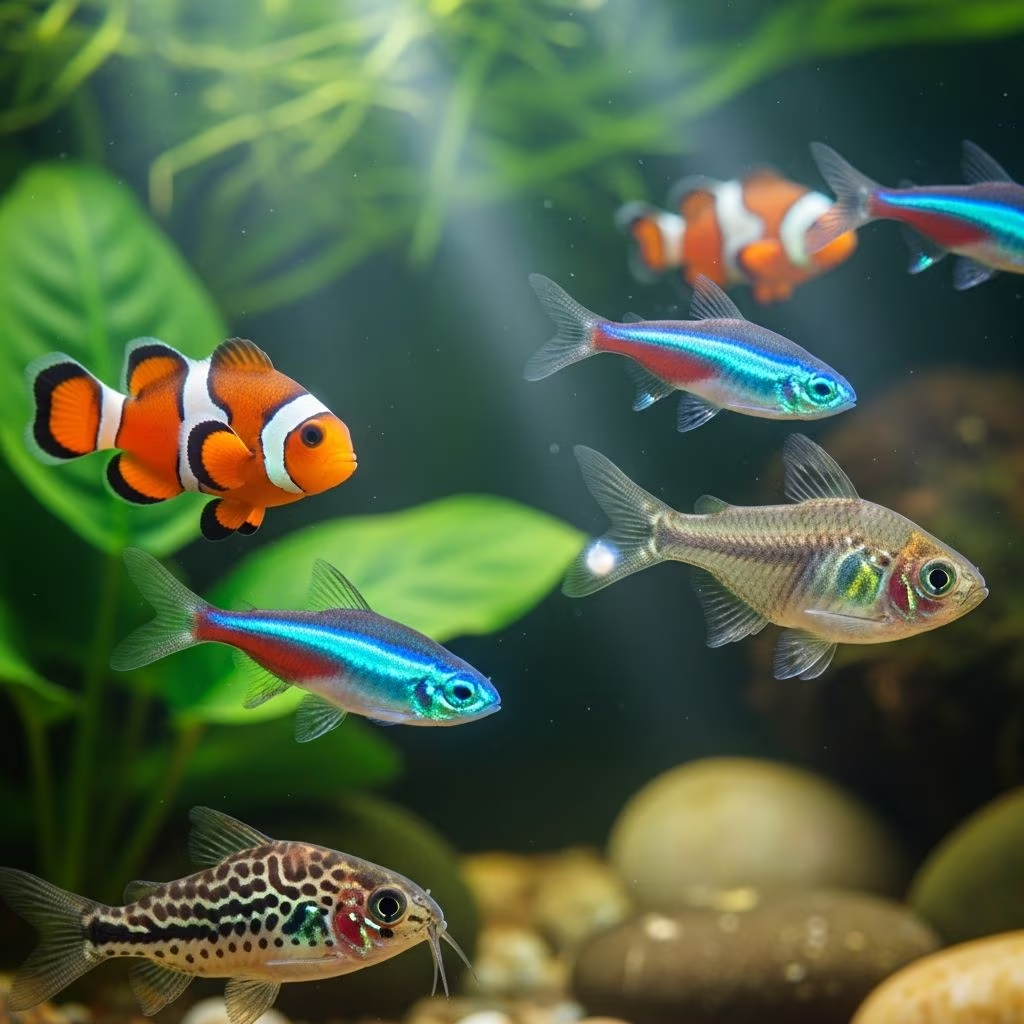
Aquarium fish enthusiasts often face challenges from various diseases that can quickly spread in confined tank environments. Understanding these conditions allows hobbyists to act swiftly, minimizing losses and promoting recovery. This guide explores prevalent illnesses, their indicators, underlying factors, and proven interventions drawn from veterinary and aquaculture expertise.
Understanding Fish Health Basics
Maintaining optimal water parameters forms the foundation of fish health. Poor quality water, overcrowding, and inadequate nutrition weaken immune systems, paving the way for pathogens. Regular monitoring of temperature, pH, ammonia, nitrite, and nitrate levels prevents most outbreaks. Quarantine new arrivals for at least two weeks to isolate potential carriers.
Protozoan Parasite Infections
Protozoans represent a primary threat, multiplying rapidly under stress conditions. These single-celled organisms attach to fish surfaces, causing irritation and secondary infections.
Ichthyophthirius Multifiliis (Ich or White Spot)
Ich manifests as numerous small white cysts resembling grains of salt across the body and fins. Affected fish exhibit flashing—rubbing against objects—clamped fins, lethargy, and rapid gill movement. Stress from temperature fluctuations or transport triggers outbreaks.
To combat Ich, elevate tank temperature gradually to 86°F (30°C) to accelerate the parasite’s life cycle, combined with medications like malachite green or copper-based treatments. Quarantine isolates the issue, and daily 25% water changes remove free-swimming stages.
Costia (Ichthyobodo Necator)
This ciliate protozoan produces a dull, milky skin sheen, rapid breathing, and flashing. Often confused with Ich, it thrives in suboptimal water conditions.
Treatments mirror Ich protocols: salt baths, potassium permanganate, or formalin-based products. Maintain pristine water through frequent partial changes.
Velvet or Gold Dust Disease (Oodinium)
Fine yellow-gold dust covers the fish, accompanied by clamped fins, lethargy, and secondary bacterial issues. Discus and fry are particularly vulnerable.
Acriflavine effectively targets this parasite, though it discolors water temporarily. Combine with improved filtration and water quality management.
Bacterial Pathogens and Infections
Bacteria opportunistically invade weakened fish, causing rapid deterioration if unchecked. Early detection through fin and body observations is crucial.
Fin and Tail Rot
Progressive fraying and disintegration of fins, often with red edges or white borders, signals bacterial assault. Advanced cases erode tissue to the body.
Isolate affected individuals, perform 30% daily water changes, and apply broad-spectrum antibiotics like those containing erythromycin. Enhance nutrition with high-quality foods to bolster immunity.
| Disease | Symptoms | Treatment |
|---|---|---|
| Fin Rot | Frayed fins, redness | Antibiotics, water changes |
| Ich | White spots, flashing | Raise temp, meds |
| Velvet | Gold dust, lethargy | Acriflavine |
Columnaris (Flexibacter)
A aggressive bacterium creates white patches on mouth, head, or body, resembling fungus. Fish show cotton-like growths and high mortality.
Antibiotics such as kanamycin or nitrofurazone are vital, alongside UV sterilization for prevention. Avoid copper with scaleless species.
Hexamita (Hole-in-the-Head)
Stringy white feces, weight loss, and pits around the head characterize this intestinal flagellate. Discus suffer prominently.
Metronidazole (Flagyl) via medicated food or water offers relief. Address poor water quality as a cofactor.
Swim Bladder Disorders
The swim bladder regulates buoyancy; disruptions lead to floating or sinking issues. Causes range from bacterial infections to dietary excesses.
Symptoms include listing to one side, inability to maintain depth, or bottom-dwelling. Fast the fish for 24-48 hours, then offer cooked, peeled peas for fiber. Antibiotics treat infectious cases.
External Parasites: Worms and Crustaceans
Anchor Worms (Lernaea)
Visible red or green worm-like appendages protrude from the fish’s musculature, causing inflammation and flashing.
Manually remove with forceps, followed by potassium permanganate dips. Treat the main tank to eradicate larvae.
Flukes (Gill and Skin)
Excess mucus, gill proliferation, and labored breathing indicate flukes. Internal worms produce white, stringy feces.
Praziquantel or levamisole targets flukes effectively, often as food soaks. Repeat dosing accounts for egg hatching.
Fungal Infestations
Cotton wool-like growths on fins, body, or mouth arise post-injury or in immunocompromised fish. Treat promptly with antifungal agents like malachite green, ensuring clean water to prevent recurrence.
Nutritional Deficiencies
Vitamin C shortages yield scoliosis, fin deformities, and appetite loss. Remedy by supplementing feeds with ascorbic acid solutions.
Prevention Strategies for a Healthy Aquarium
- Maintain stable parameters: pH 6.5-7.5, temperature per species, zero ammonia/nitrite.
- Quarantine newcomers rigorously.
- Employ robust filtration and weekly 20-30% water changes.
- Diversify diet with flakes, pellets, and veggies.
- Avoid overstocking; follow the 1-inch-per-gallon rule loosely.
Quarantine and Treatment Protocols
Set up a hospital tank mirroring main parameters, minus gravel to ease cleaning. Treat presumptively: Week 1 antibiotics (Maracyn), Week 2 antiparasitics (Ich-X), Week 3 internal meds (ParaCleanse). Observe for 2-4 weeks post-treatment before reintegration.
FAQs
What are the first signs of fish illness?
Lethargy, appetite loss, abnormal swimming, spots, or fin damage warrant attention.
Can I treat diseases in the display tank?
Avoid it; medications harm beneficial bacteria and stress healthy fish. Use quarantine always.
How do I prevent Ich outbreaks?
Acclimatize slowly, quarantine, and avoid sudden parameter shifts.
Are medications safe for all fish?
No; scaleless species like loaches tolerate less copper or salt. Check compatibility.
What if treatment fails?
Consult a vet; euthanasia may mercifully end suffering in terminal cases.
Proactive care transforms aquariums into vibrant ecosystems. Vigilance and knowledge empower aquarists to safeguard their aquatic companions effectively.
References
- Common Aquarium Fish Diseases: Symptoms and Treatment — DM Vet. 2024-04-15. https://www.dmvet.net/site/blog/2024/04/15/common-aquarium-fish-diseases
- Aquarium Fish Diseases with Pictures — Green Aqua. N/A. https://greenaqua.hu/en/blog/post/aquarium-fish-diseases-with-pictures
- How to Treat Sick Aquarium Fish — Aquarium Co-Op. N/A. https://www.aquariumcoop.com/blogs/aquarium/how-to-treat-sick-aquarium-fish
- Freshwater Aquarium Disease Prevention — Aqueon. N/A. https://www.aqueon.com/articles/aquarium-disease-prevention
- Common Fish Diseases and How to Treat Them — Buce Plant. N/A. https://buceplant.com/blogs/aquascaping-guides-and-tips/common-fish-diseases-and-how-to-treat-them
- Got a sick fish? — American Veterinary Medical Association. N/A. https://www.avma.org/resources/pet-owners/petcare/got-sick-fish



