

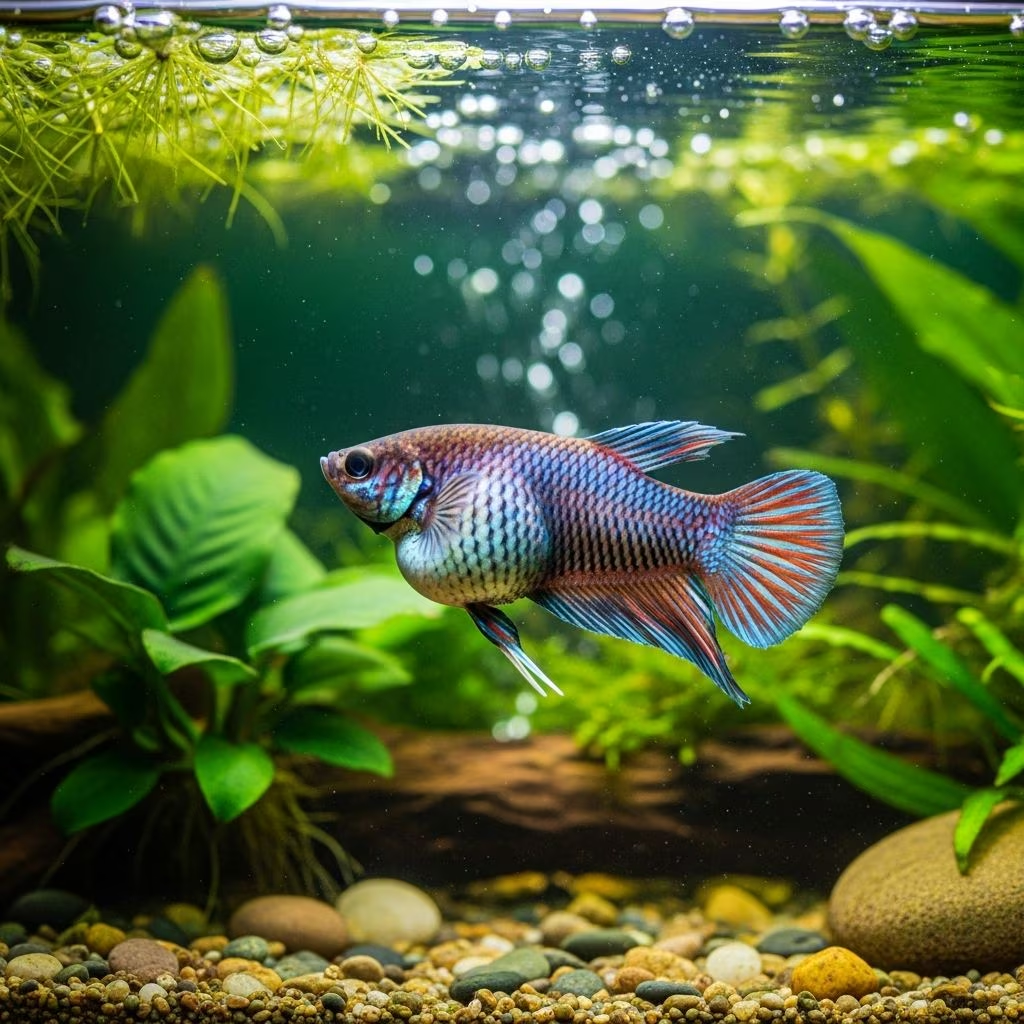
Understanding Aquarium Fish Constipation
Constipation is one of the most common digestive problems affecting aquarium fish, yet it remains frequently misdiagnosed or overlooked by many aquarists. When fish are healthy, their waste is easily expelled and immediately sinks to the bottom of the tank substrate. However, constipated fish exhibit visible changes in their behavior and appearance that should alert you to a potential problem. Understanding constipation in fish is essential for maintaining a healthy aquarium environment and ensuring your aquatic pets live long, thriving lives.
Recognizing the Signs of Constipation
Early identification of constipation is crucial for quick intervention and successful treatment. There are several distinctive signs that can help you determine whether your fish is suffering from this condition.
Stringy or Unusual Feces
One of the most telltale signs of constipation in fish is the appearance of long, dark or white waste hanging from the fish’s anus. In healthy fish, feces are quickly expelled and sink to the bottom. When constipation occurs, waste may appear as long strands or filaments trailing from the fish. Additionally, you may notice milky transparent or tubular waste, which could indicate that the fish is shedding its mucous intestinal lining, a condition often mistakenly diagnosed as constipation but potentially related to poor water quality or parasitic infections.
Abdominal Bloating
Visible bloating, particularly in the abdominal region, is a common indicator of constipation. The fish may appear noticeably distended around the stomach area. However, it’s important to differentiate between simple bloating from constipation and more serious conditions like dropsy. If the entire body of the fish is swollen with scales protruding like a pine cone, or if the eyes are bulging, this indicates dropsy—a more severe condition requiring different treatment approaches.
Loss of Appetite and Behavioral Changes
Constipated fish typically refuse food despite appearing full and plump. They often show lethargy, swimming difficulties, and loss of condition. These behavioral changes can gradually worsen as constipation persists, making early intervention even more critical.
Balance and Swimming Problems
Fish suffering from constipation may experience difficulty maintaining proper balance in the water. They might swim upside down, struggle to right themselves, float oddly, or sink when they should be swimming normally. These symptoms can sometimes be confused with swim bladder disorder, though constipation is often the underlying cause of swim bladder problems in certain species.
Common Causes of Fish Constipation
Understanding what causes constipation helps you implement effective preventative measures and maintain optimal tank conditions for your fish.
Dietary Fiber Deficiency
The primary cause of constipation in aquarium fish is a diet lacking sufficient fiber. Most commercial fish foods are formulated with very low fiber content and contain numerous fillers that don’t provide adequate nutrition. Without sufficient roughage, the fish’s digestive system cannot function properly, making it difficult for them to expel waste in a healthy manner. This is particularly problematic for fish like goldfish and bettas, which are especially prone to digestive issues.
Poor Water Quality
Fish kept in poor water conditions experience reduced appetites and may refuse to eat entirely when ammonia or nitrite levels rise. When fish don’t eat, they may shed their mucous intestinal lining in an attempt to expel pathogens, which creates milky, transparent waste that’s often mistakenly diagnosed as constipation. Improving water quality through regular testing and appropriate maintenance typically resolves these issues naturally.
Inappropriate Diet
Different fish species have evolved with specific dietary requirements based on their digestive systems. Carnivorous fish fed primarily plant-based diets or herbivorous fish given protein-rich foods may suffer from digestive distress because their digestive systems aren’t adapted to process such foods. Overfeeding rich foods like beef heart or excessive amounts of live foods can also contribute to constipation and indigestion.
Temperature Fluctuations
Fish metabolism is directly controlled by water temperature. Sudden drops in temperature slow down their digestion, leading to bloating and potential blockages. This is particularly common in fish living in cooler areas during seasonal changes, making temperature stability essential for digestive health.
Old or Spoiled Dry Food
The nutritional value of dry food decreases significantly over time. Feeding fish old or spoiled dry food can lead to poor digestion and constipation. It’s recommended to replace dry food every six months to ensure it maintains its nutritional value and doesn’t deteriorate.
Parasitic Infections
Certain parasites can cause constipation-like symptoms. Intestinal parasites primarily affect African cichlids and South American detritus eaters like discus fish. The protozoan parasite Hexamita is particularly problematic, as it causes muscular wasting and prevents fish from expelling feces normally. White or pale feces often indicate parasitic infection as fish attempt to shed their mucosal intestinal lining to expel pathogens.
Comparison of Constipation and Related Conditions
| Condition | Primary Symptoms | Underlying Cause | Treatment Approach |
|---|---|---|---|
| Constipation | Stringy feces, mild bloating, loss of appetite, swimming difficulty | Dietary fiber deficiency, improper diet, temperature changes | Diet modification, fasting, high-fiber foods, temperature adjustment |
| Swim Bladder Disorder | Floating upside down, difficulty maintaining position, distended belly | Constipation, overfeeding, excessive air intake | Fasting, pea feeding, reducing food portions, addressing constipation |
| Dropsy | Severe bloating, protruding scales (pinecone appearance), bulging eyes | Kidney or gill dysfunction, internal infection | Antibiotics, quarantine, supportive care, poor prognosis |
| Parasitic Infection | White/pale feces, constipation symptoms, lethargy, visible parasites | Intestinal parasites like Hexamita | Antiparasitic medications like NDX or Octozin |
Treatment Strategies for Constipated Fish
Fasting and Dietary Adjustments
One of the first treatment steps is to fast the affected fish for 24 to 48 hours, allowing their digestive system to clear naturally. After the fasting period, resume feeding with high-fiber foods and make sure portions are appropriate for the species.
Introducing Fiber-Rich Foods
Incorporating fiber into your fish’s diet is essential for prevention and treatment. A great source of dietary roughage is found in the shells of Daphnia. Offering live or frozen daphnia a couple of times per week provides the natural fiber needed to keep digestive systems functioning properly. Pre-soaking flake food and using sinking pellets can also help reduce digestive stress.
Improving Water Quality
Conducting regular water tests and maintaining proper ammonia and nitrite levels is fundamental. Performing partial water changes, cleaning the filter, and ensuring adequate aeration can significantly improve fish health and restore normal appetite and digestive function.
Temperature Regulation
Maintaining stable water temperature within the appropriate range for your fish species is critical. Use an aquarium heater or chiller as needed to prevent temperature fluctuations that slow metabolism and digestion.
Medication for Parasitic Infections
If constipation symptoms persist despite dietary and environmental adjustments, parasitic infection may be the cause. Medications such as eSHa’s NDX or Octozin by Waterlife can help if used early in the infection. Taking fish feces to a local aquarium store for microscopic examination can help confirm parasitic infections and guide proper medication selection.
Prevention Strategies
Feed Quality, Species-Appropriate Foods
Select high-quality commercial fish foods with balanced nutritional profiles appropriate for your fish species. Research the dietary needs of your specific fish to ensure they receive foods matching their natural feeding habits and digestive capabilities.
Maintain Proper Feeding Schedules
Avoid overfeeding, which is a significant contributor to digestive problems. Feed only what your fish can consume in a few minutes, typically once or twice daily depending on species. Remove uneaten food to prevent water quality deterioration.
Rotate Food Varieties
Providing a varied diet helps ensure complete nutrition and better digestive health. Alternate between quality flakes, pellets, and live or frozen foods like daphnia to maintain digestive function and provide essential nutrients.
Regular Tank Maintenance
Maintain optimal water conditions through regular testing, appropriate water changes, and filter cleaning. Monitor ammonia and nitrite levels closely, as elevated levels directly impact fish appetite and digestive health.
Species-Specific Considerations
Goldfish and bettas are particularly prone to constipation and require special dietary attention. These species benefit from high-fiber diets and should never be overfed. Research your specific fish species to implement appropriate feeding protocols.
When to Seek Professional Help
If constipation symptoms persist after implementing home treatments, or if you notice signs of dropsy or severe infection, consult with a veterinarian specializing in aquatic animals. Fish displaying pinecone-like scales, bulging eyes, or showing no improvement after several days of treatment may have more serious underlying conditions requiring professional intervention.
Frequently Asked Questions
Q: How can I tell if my fish is constipated versus suffering from swim bladder disease?
A: Constipated fish show stringy feces, mild bloating around the abdomen, and may have swimming difficulty. Swim bladder disease typically causes more severe buoyancy problems with the fish floating oddly or sinking. However, constipation often causes swim bladder problems, so addressing constipation may resolve both conditions.
Q: Is constipation fatal in fish?
A: Constipation itself is usually not immediately fatal, but prolonged constipation can worsen and lead to more serious complications. Early treatment and prevention are important for maintaining fish health and preventing progression to serious conditions.
Q: Can I use peas to treat fish constipation?
A: Yes, peas are an excellent fiber-rich food that can help treat constipation in many fish species. However, they should be properly prepared by blanching and removing the outer skin before offering to fish. Peas are best used as an occasional supplement rather than a primary food source.
Q: How long should I fast my constipated fish?
A: A 24 to 48-hour fasting period is typically recommended to allow the fish’s digestive system to clear naturally. After fasting, resume feeding with smaller portions of high-fiber foods.
Q: What fish are most susceptible to constipation?
A: Goldfish and bettas are among the species most prone to developing constipation and indigestion. However, any fish can develop constipation if fed an improper diet or kept in poor water conditions.
Q: Can poor water quality cause constipation?
A: Poor water quality doesn’t directly cause constipation but reduces fish appetite, leading to improper digestion and waste shedding that mimics constipation symptoms. Improving water quality typically resolves these issues naturally.
Q: How often should I replace my dry fish food?
A: Dry fish food should be replaced every six months to ensure it maintains its nutritional value. Older food loses nutritional content and can contribute to digestive problems and constipation.
References
- Recognizing Constipation in Fish — ForAquarist.com. Accessed 2025. https://www.foraquarist.com/en/news/112-aquarium-fish-disease-constipation
- Constipation and Indigestion in Aquarium Fish — Rate My Fish Tank. Accessed 2025. https://www.ratemyfishtank.com/blog/constipationindigestion-in-aquarium-fish
- Why is My Fish Constipated? — Practical Fishkeeping. Accessed 2025. https://www.practicalfishkeeping.co.uk/features/why-is-my-fish-constipated/
- Treating and Preventing Aquarium Fish Constipation — ONEdersave. Accessed 2025. https://www.onedersave.com/blog/treating-and-preventing-aquarium-fish-constipation
- Swim Bladder Disorder in Aquarium Fish — Complete Koi. Accessed 2025. https://www.completekoi.com/blogs/news/swim-bladder-disorder-in-aquarium-fish-causes-symptoms-and-treatment



