
Aquarium Fish Care: Complete Guide For Thriving Tanks
Master the art of aquarium fish care with proven strategies for setup, maintenance, health, and thriving aquatic ecosystems.
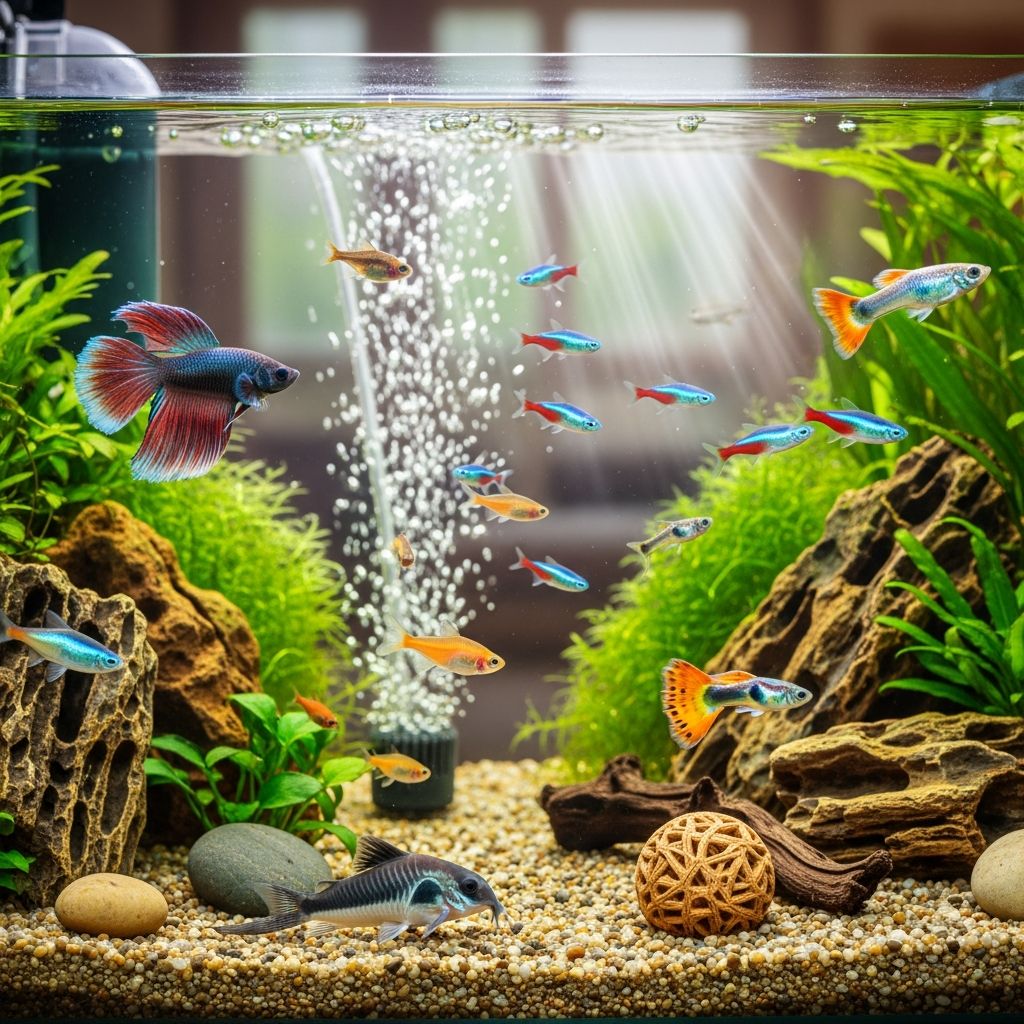
Successful aquarium fish care hinges on creating a stable, balanced environment that mimics natural habitats while addressing the unique needs of captive aquatic life. This guide explores key practices for establishing and sustaining thriving tanks, drawing from established principles in filtration, water chemistry, nutrition, and health monitoring.
Planning Your Ideal Aquarium Setup
Before introducing fish, thoughtful planning prevents common pitfalls. Select tank size based on fish species requirements—larger volumes offer more stability in water parameters. A 20-gallon tank suits small community setups, while species like goldfish demand 30 gallons or more per individual.
- Assess space: Position away from direct sunlight, drafts, or heat sources to avoid temperature swings.
- Choose glass or acrylic: Acrylic resists cracking but scratches easier; glass is durable and clearer long-term.
- Stand stability: Use level, sturdy furniture rated for water weight (about 8-10 pounds per gallon).
Research compatibility: Peaceful schooling fish like tetras pair well with bottom-dwellers such as corydoras, avoiding aggressive pairings that lead to stress.
Essential Equipment for Optimal Conditions
Reliable gear forms the backbone of aquarium success. Prioritize multi-stage filtration, precise heating, and appropriate lighting.
| Equipment | Purpose | Key Features |
|---|---|---|
| Filter | Mechanical, biological, chemical filtration | Hang-on-back, canister, or sponge; rated 4-10x tank volume per hour |
| Heater | Temperature control | Adjustable thermostat, 5 watts per gallon; include thermometer |
| Lighting | Plant growth, fish behavior | LED full-spectrum, 8-10 hours daily cycle |
| Substrate | Aesthetics, biology | Gravel or sand, 1-2 inches deep; rinsed prior to use |
Install filters first, followed by heaters submerged fully. Test all components dry before adding water.
Water Preparation and Cycling Process
Pure water is non-negotiable—tap water often contains chlorine harmful to fish. Use conditioners to neutralize chloramines and heavy metals.
- Fill slowly over substrate to avoid disturbance.
- Match temperature: Aim for 75-82°F (24-28°C) for tropical species.
- Initiate cycling: Add ammonia source (fish food or pure ammonia) to foster beneficial bacteria.
Cycling establishes the nitrogen cycle: Ammonia from waste converts to nitrite, then nitrate via Nitrosomonas and Nitrospira bacteria. This takes 4-6 weeks; monitor with test kits showing zero ammonia/nitrite and nitrates under 20 ppm.
Pro Tip: Accelerate with seeded media from established tanks or commercial bacteria boosters.
Mastering Water Quality Parameters
Regular testing maintains equilibrium. Ideal ranges: pH 6.8-7.6, ammonia/nitrite 0 ppm, nitrates <40 ppm, hardness 3-8 dGH.
- Weekly checks: Use liquid kits over strips for accuracy.
- Adjust gradually: pH buffers for shifts; RO water for soft preferences.
- Partial changes: 20-30% bi-weekly removes nitrates without shocking biology.
Overlook parameters, and issues like gill damage or bacterial blooms arise. Consistency prevents 90% of health problems.
Selecting and Introducing Fish
Start sparse: One inch of fish per gallon rule, adjusted for adult size. Quarantine newcomers 2-4 weeks in separate systems.
Acclimation technique: Float bags 15-20 minutes for temperature match, then drip-acclimate over 30-60 minutes to blend waters. Net fish directly, discarding transport water laden with pathogens.
- Observe first week: Normal swimming, appetite indicate adjustment.
- Add gradually: 2-3 fish weekly post-cycling.
- Diversify: Surface, mid-water, bottom feeders for harmony.
Nutrition Strategies for Vibrant Fish
Quality diet fuels growth and immunity. Flakes for top-feeders, pellets sinking for others; supplement with brine shrimp or veggies.
- Frequency: Twice daily, only what vanishes in 2-3 minutes.
- Variety: Rotate types to prevent deficiencies—spirulina for herbivores, protein-rich for carnivores.
- Overfeeding pitfalls: Excess decays, spiking ammonia.
Fasting days mimic nature, aiding digestion. Target 1-3% body weight daily intake.
Routine Maintenance Schedule
Structured upkeep sustains clarity and health. Daily: Feed, observe behavior, check equipment.
| Frequency | Tasks |
|---|---|
| Daily | Feed sparingly; scan for issues like lethargy or spots. |
| Weekly | 25% water change; test parameters; clean glass. |
| Bi-weekly | Gravel vacuum; prune plants. |
| Monthly | Filter media rinse (non-mechanical in tank water); replace cartridges. |
Siphon gravel to lift debris without removing beneficial bacteria.
Combating Algae and Aesthetic Issues
Algae thrives on excess light/nutrients. Limit photoperiod to 8 hours; introduce algae-eaters like nerite snails.
- Blackout method: Cover 3 days for outbreaks.
- Phosphate control: Regular changes starve green films.
- UV sterilizers: Advanced option for persistent blooms.
Preventing and Treating Common Diseases
Vigilance spots issues early: Ich (white spots), fin rot (fraying), velvet (gold dust). Stress from poor water invites parasites.
Quarantine isolates sick fish. Treatments: Salt baths for ich (1 tsp/gallon), malachite green for fungi—follow dosages precisely.
Caution: Antibiotics disrupt biofilters; raise temperatures gradually for parasite control.
- Prevention: Stress reduction via stable parameters.
- Boosters: Garlic-enhanced foods enhance resistance.
Enhancing with Plants and Decor
Live plants oxygenate, absorb nitrates: Java fern, anubias low-light tolerant. Anchor securely; fertilize sparingly.
Decor provides security: Caves for loaches, driftwood for tannins loving species like tetras.
Advanced Monitoring and Troubleshooting
Digital probes track real-time pH, temp. Log data to spot trends like rising nitrates signaling overfeeding.
Common fixes:
- Cloudy water: Bacteria bloom—UV or more changes.
- Fish gasping: Aeration boost or ammonia check.
- Plant melt: Stabilize CO2/light.
Frequently Asked Questions (FAQs)
How often should I change aquarium water?
Perform 20-30% changes weekly to dilute toxins while preserving bacteria.
Can I use tap water directly?
No—treat with conditioner to remove chlorine/chloramines first.
What if my fish has white spots?
Likely ich; isolate, treat with medications, and elevate temperature to 86°F.
Is a heater necessary for all tanks?
Essential for tropicals; coldwater species like goldfish tolerate room temp (65-72°F).
How do I know if cycling is complete?
Zero ammonia/nitrite, nitrates present after stable week.
Long-Term Success Strategies
Beyond basics, community forums offer insights, but prioritize primary testing. Annual deep cleans refresh without disruption. Patience yields ecosystems lasting years, with fish breeding naturally in balanced setups.
Maintain records: Photos track growth, parameter sheets predict needs. Evolve gradually—advanced reef or planted tanks build on these foundations.
References
- Fluval Aquarium Care Guide — Fluval Aquatics. 2023. https://fluvalaquatics.com/careguides/fluval-aquarium-care-guide.pdf
- Aquarium Care: The Ultimate Guide for Hobbyists — Canton Aquatics. 2024-10-15. https://www.cantonaquatics.com/pages/aquarium-care-the-ultimate-guide-for-hobbyists
- Beginners Guide to Successful Fishkeeping — Marineland. 2023. https://www.marineland.com/information/infographics-and-guides/a-beginners-guide
- Ultimate Fishkeeping Guide — Aqueon. 2024. https://www.aqueon.com/ultimate-fishkeeping-guide
- Freshwater Aquarium Handbook — Elmer’s Aquarium. 2022. https://www.elmersaquarium.com/pdf-files/FW%20Handbook.pdf
Similar Articles








Read full bio of medha deb


