
Complete Guide to Aquarium Fish Care for Beginners
Master the essentials of fish keeping with expert tips on tank setup, water quality, and fish health
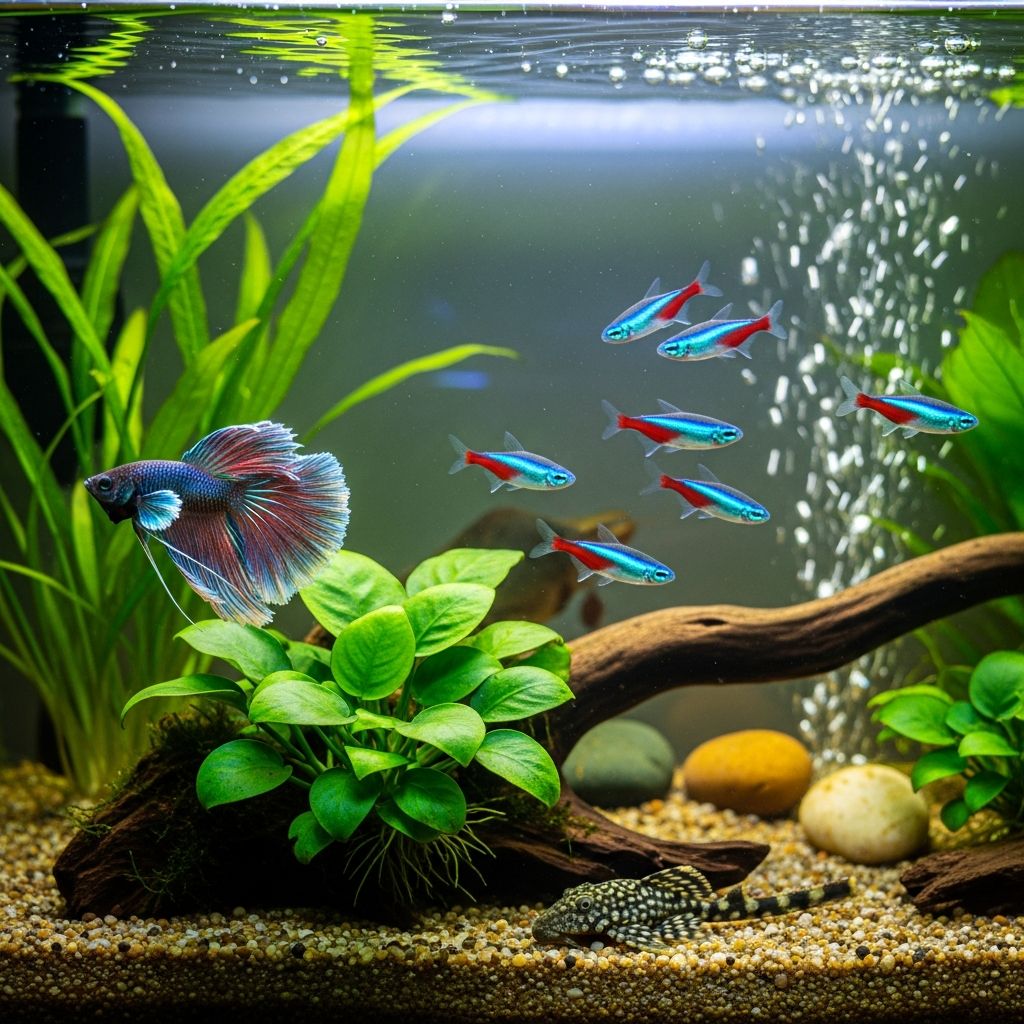
Beginning your journey into fish keeping can feel overwhelming, but with the right knowledge and preparation, you can create a thriving aquatic environment for your pet fish. Whether you’re interested in freshwater species or thinking about more advanced saltwater systems, understanding the fundamentals of aquarium management is essential for the long-term health and happiness of your fish.
Understanding Your Fish Keeping Options
Before purchasing fish, you need to determine what type of aquatic system suits your lifestyle and experience level. The most accessible option for new aquarium enthusiasts is freshwater fish keeping, which requires significantly less specialized equipment and maintenance compared to other systems. Freshwater tanks accommodate a wider variety of species and are more forgiving of minor mistakes, making them ideal for developing your skills and understanding fish behavior.
Saltwater and brackish water systems exist as alternatives once you’ve gained experience, but starting with freshwater allows you to build confidence without the added complexity and expense. Many beginner-friendly species naturally originate from freshwater environments like the Amazon river basin, which means they thrive in conditions that are easier to replicate at home.
Essential Equipment and Supplies for Your Aquarium
Creating a suitable habitat requires more than just a tank and water. You’ll need to gather several key components to ensure your fish have everything necessary for survival and wellbeing.
The Foundation: Tank and Filtration System
Your aquarium tank serves as the foundation of your fish-keeping setup. Tank size should match your space availability and the species you plan to keep. Alongside the tank itself, a reliable filtration system is non-negotiable. The filter removes waste products, processes harmful compounds, and maintains water clarity. You’ll need to replace filter cartridges and perform maintenance every two to four weeks to keep your system operating efficiently.
Substrate Selection
The material lining your tank bottom significantly impacts both aesthetics and fish health. Pea-sized gravel works well for many beginner species and allows beneficial bacteria to colonize while preventing waste buildup. Natural-colored gravel creates more realistic environments compared to fluorescent alternatives. Ensure your substrate choice matches the preferences of your specific fish species—bottom-dwelling species particularly benefit from appropriate substrate where they can forage naturally.
Water Treatment and Conditioning
Tap water contains chlorine, chloramines, and potentially heavy metals that harm fish. A quality water conditioner removes these harmful substances and often includes protective coatings that reduce stress in newly introduced fish and promote healing of damaged fins. This simple step is crucial before water ever enters your tank.
Additional Supplies
Your equipment checklist should include:
- A reliable thermometer to monitor water temperature
- Aquarium lighting (maintain 8-12 hours daily, with 10 hours being optimal)
- Gravel vacuum for substrate cleaning during water changes
- Fish net for safely handling fish
- Appropriate fish food for your species
- Aquatic-safe decorations and plants
Proper Tank Preparation and Cycling
Many new fish keepers make the critical mistake of introducing fish immediately after filling their tank. This leads to preventable deaths and health issues. Aquarium cycling is the biological process that establishes the ecosystem your fish depend on for survival.
Understanding the Nitrogen Cycle
Fish produce waste that converts to ammonia, a toxic compound. Beneficial bacteria gradually colonize your tank’s filter and substrate, converting ammonia to nitrite (still toxic) and then to nitrate (far less harmful). This cycle typically requires seven to ten days minimum before fish introduction. During this period, your filtration system processes water, and water temperature and pH levels stabilize to safe ranges.
Tank Location and Setup
Choose a location where you can easily access your tank for daily feeding and regular maintenance. Position your tank near a water source and electrical outlet for convenience. Critically, keep your aquarium away from direct sunlight, heat sources, vibrating appliances, and speaker systems, which stress fish and promote unwanted algae growth. The setup location dramatically affects long-term success.
Introducing Fish to Their New Home
The acclimation process deserves careful attention. Fish experiencing sudden environmental changes suffer shock that can prove fatal even to hardy species.
The Acclimation Process
When you bring fish home, keep them in their transport bag and float the sealed bag inside your aquarium for approximately fifteen minutes. This allows the water temperature in the bag to gradually equilibrate with your tank temperature. After this period, open the bag and slowly add small amounts of aquarium water at five-minute intervals over approximately forty-five minutes. This methodical approach lets fish adjust to the new water’s chemistry, ammonia levels, and pH gradually.
After one hour of total acclimation time, gently net the fish and release them directly into the aquarium. Never pour the transport water into your tank, as this could introduce disease or parasites to your established system.
Stocking Guidelines
Add fish gradually rather than all at once. Introduce only a few fish initially, then gradually add more species over four to six weeks. This measured approach allows your biological filtration to adjust to increased bioload. Select only fish that appear active and healthy, and avoid overcrowding, which stresses fish and degrades water quality. Fewer healthy fish consistently outperform overcrowded tanks where fish exhibit stress behaviors and disease.
Water Quality Management: The Foundation of Fish Health
Successful fish keeping fundamentally depends on maintaining excellent water conditions. This aspect cannot be overstated—water quality is the single most critical factor in fish survival and longevity.
Daily and Weekly Monitoring
During the first month after setup, test your water daily for temperature, pH, ammonia, nitrites, and nitrates. These parameters reveal whether your biological filtration is functioning properly. You may notice ammonia spikes during week two as bacteria populations establish themselves. When ammonia levels rise, perform partial water changes removing 25-50% of the water to dilute toxins.
After the initial month, continue testing water two to three times weekly to catch problems before they harm your fish. This vigilance prevents the rapid decline that occurs once fish begin showing visible illness signs.
Routine Water Changes and Tank Maintenance
Establish a regular maintenance schedule involving water changes at minimum every three weeks, though every two to four weeks is more ideal. Change 20-25% of your water, never completely emptying the tank. Use a gravel vacuum during water changes to simultaneously remove debris and dirty substrate water—the most effective dual-purpose maintenance technique.
Filter cartridge replacement occurs every thirty days initially, then monthly thereafter. Without regular filter maintenance, mechanical and biological filtration fails, leading to rapid water quality degradation.
Feeding Your Fish Properly
Fish nutrition requires species-specific attention. Different fish have evolved to eat different foods in different ways.
Species-Appropriate Food Selection
Some fish naturally feed on floating food particles at the surface, while bottom-dwelling species like Corydoras catfish require sinking pellets they can scavenge from the substrate. Research your specific fish species to select appropriate food that matches their natural feeding behavior. Providing unsuitable food leads to malnutrition and increased tank waste.
Proper Feeding Quantities and Schedules
The most common fish-keeping error is overfeeding. Feed only what your fish can completely consume in two minutes. Initially, feed once daily until your tank completes its nitrogen cycle. After establishing stable ammonia and nitrite levels at zero, increase to twice-daily feedings. Uneaten food decays into ammonia, fouling your water and stressing fish.
Signs of overfeeding include food settling on the substrate after five minutes, cloudy water, surface foaming, and odors when opening your tank lid. Occasionally skip a feeding every few days—this actually benefits fish by allowing their digestive systems to clear naturally.
Observing and Protecting Fish Health
Regular observation helps you catch health problems early when intervention is most effective.
Signs of Health and Disease
Watch your fish closely, especially during feeding times. Healthy fish appear active, maintain smooth fins, and interact normally with tank mates. Warning signs include rapid breathing, surface gasping, clamped fins held against the body, white spots on fins or body surfaces, and unusual scratching behaviors against tank decorations. Once fish exhibit clinical illness signs, they decline rapidly without intervention.
Preventative Care Practices
Excellent water quality is your primary disease prevention tool. Stable water parameters reduce stress, which strengthens fish immune systems and prevents opportunistic infections. Perform regular maintenance faithfully, never skip water testing, and maintain consistent feeding schedules. Quarantine new fish before introducing them to established tanks to prevent disease introduction. These preventative measures prove far more effective than treating sick fish.
Building Your Fish-Keeping Schedule
Sustainable aquarium keeping requires establishing routine maintenance habits. The entire operation typically demands only thirty minutes weekly once established.
Daily Tasks
- Feed fish once or twice depending on your cycle status
- Observe fish behavior and appearance
- Check water temperature visually
Weekly to Bi-Weekly Tasks
- Test water parameters for temperature, pH, ammonia, nitrites, and nitrates
- Perform 20-25% water change using gravel vacuum
- Visually inspect filter for debris buildup
Monthly Tasks
- Replace filter cartridges
- Deep clean decorations if algae accumulates
- Inspect aquarium equipment for wear or malfunction
Lighting and Environmental Conditions
Beyond water chemistry, environmental factors significantly impact fish wellbeing. Maintain aquarium lighting for eight to twelve hours daily—ten hours is optimal—to establish natural day-night cycles. This photoperiod promotes healthy fish behavior and prevents stress-related behaviors caused by constant darkness or light.
Temperature consistency is equally important. Most freshwater tropical fish thrive at approximately 78°F. Install a reliable heater to maintain stable temperatures, as fluctuations stress fish and impair immune function. Avoid temperature swings by keeping heaters properly calibrated and positioned.
Frequently Asked Questions About Fish Care
How long does aquarium cycling take?
Aquarium cycling typically requires seven to ten days minimum, though biological maturation can take longer. During this period, beneficial bacteria colonize your filter media and substrate, establishing the nitrogen cycle necessary for fish survival. Testing daily helps track cycling progress through ammonia, nitrite, and nitrate changes.
Can I use tap water directly in my aquarium?
Tap water contains chlorine, chloramines, and heavy metals harmful to fish. You must treat tap water with a quality water conditioner before use. This simple step removes these harmful compounds and often adds protective substances that reduce stress in newly introduced fish.
How often should I change my aquarium water?
Perform water changes every two to four weeks, changing 20-25% of your water volume. Use a gravel vacuum during changes to remove accumulated waste while simultaneously refreshing water. Never completely empty your tank, as this destroys your established biological filtration.
What should I do if my fish appear sick?
First, perform immediate water testing to check for ammonia, nitrite, and nitrate spikes. Perform a partial water change if parameters are elevated. If illness signs persist despite good water quality, consult a local aquatic expert immediately. Early intervention is crucial, as fish decline rapidly once illness becomes visible.
How much should I feed my fish?
Feed only what your fish consume completely within two minutes. Initially, feed once daily until your tank cycles. After cycling completes and ammonia and nitrite levels reach zero, increase to twice-daily feedings. Overfeeding is far more common than underfeeding and quickly fouls water quality.
Conclusion: Your Path to Successful Fish Keeping
Fish keeping is an accessible and rewarding hobby when you prioritize water quality, follow established maintenance routines, and observe your fish regularly. Begin with freshwater systems, select appropriate species, prepare your tank properly before introducing fish, and commit to consistent maintenance habits. The effort you invest in the early stages pays dividends through years of enjoyment watching your healthy, thriving aquatic community. With patience and attention to these fundamentals, you’ll develop skills that allow you to maintain beautiful, functional aquarium ecosystems that provide both aesthetic pleasure and meaningful connection with aquatic life.
References
- 30-Day Guide to Help Your New Pet Fish Thrive — PetMD. 2024. https://www.petmd.com/fish/care/30-day-guide-help-your-new-pet-fish-thrive
- Beginners Guide to Successful Fishkeeping — Marineland. 2024. https://www.marineland.com/information/infographics-and-guides/a-beginners-guide
- Ultimate Fishkeeping Guide — Aqueon. 2024. https://www.aqueon.com/ultimate-fishkeeping-guide
- BEGINNER’S GUIDE TO FISHKEEPING — Keeping Fish Simple. 2024. https://www.youtube.com/watch?v=BnHNuJKI_x8
- A Beginners Guide — Tetra. 2024. https://www.tetra-fish.com/learning-center/getting-started/a-beginners-guide
Similar Articles








Read full bio of Sneha Tete


