

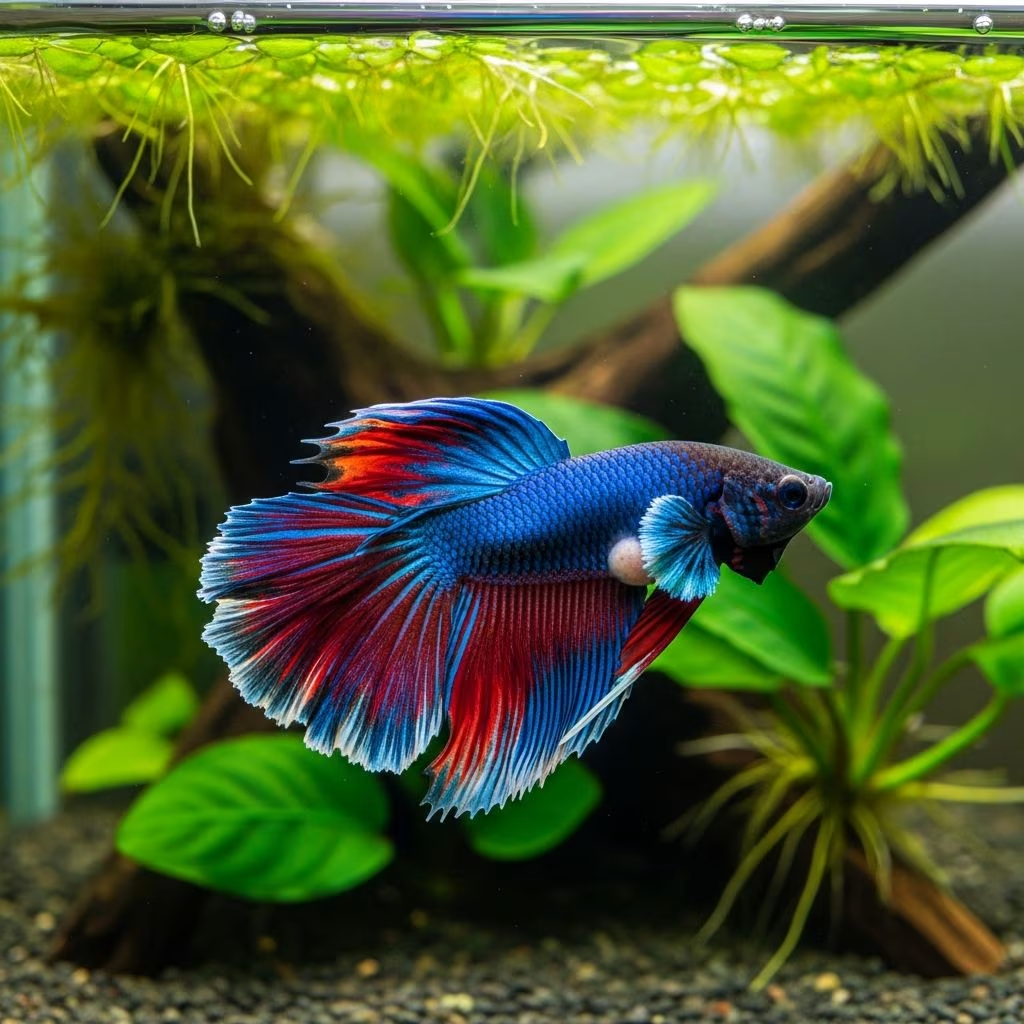
Fin rot represents a prevalent bacterial affliction impacting the fins and tails of aquarium fish, often stemming from suboptimal water conditions or physical trauma. Early detection paired with targeted interventions can facilitate full regeneration of affected tissues, restoring fish vitality.
Understanding the Nature of Fin Rot
This condition arises primarily from gram-negative bacteria such as Vibrio, Aeromonas, and Pseudomonas, which proliferate in environments with elevated ammonia, nitrite, or nitrate levels. These pathogens invade fin tissues through minor injuries, leading to progressive tissue degradation if unaddressed.
While commonly observed in freshwater setups, fin rot also affects marine aquariums. It manifests distinctly from natural fin variations, such as those in lyretail species, by exhibiting clear deterioration patterns rather than mere irregularity.
Recognizing Early Warning Signs
Observant aquarists can intervene promptly by noting initial indicators. Fin edges initially appear frayed or jagged, with small sections sloughing off as necrosis sets in.
- Mild phase: Uneven, tattered margins on fins or tail, occasionally with white or translucent borders signaling bacterial onset.
- Moderate phase: Fin splitting, ragged textures, and base inflammation marked by redness; behavioral shifts like reduced feeding or lethargy emerge.
- Severe phase: Extensive tissue loss exposing underlying rays, potential body involvement, and pronounced inactivity or bottom-dwelling.
Accompanying symptoms include appetite loss and isolation, as the fish diverts energy to immune responses. Differentiate from fungal overgrowth, which presents fuzzy patches atop bacterial damage.
Primary Triggers Behind Fin Rot Outbreaks
Multiple factors converge to predispose fish to infection, with water quality deterioration topping the list. Accumulated waste elevates toxins, suppressing immunity and fostering bacterial blooms.
| Trigger | Description | Impact |
|---|---|---|
| Poor Water Parameters | High ammonia/nitrite from uneaten food, feces | Stresses fish, promotes gram-negative bacteria |
| Aggressive Tankmates | Fin-nipping by conspecifics or incompatibles | Creates entry wounds for pathogens |
| Temperature Fluctuations | Below optimal range (e.g., under 75°F for tropicals) | Weakens resistance, slows metabolism |
| Overcrowding | Excess bioload exceeds filtration capacity | Accelerates waste buildup |
| Injuries | Net damage, sharp decor | Direct bacterial invasion sites |
Stress from rapid parameter swings or new introductions exacerbates vulnerability, turning minor issues into full-blown epidemics.
Step-by-Step Treatment Protocol
Address fin rot through a multifaceted approach: environmental correction, isolation, and antimicrobial therapy. Act swiftly to halt progression.
1. Assess and Stabilize Water Quality
Employ a reliable test kit to measure pH, ammonia, nitrite, nitrate, and temperature. Perform 25-50% water changes using dechlorinated water matched to tank parameters, siphoning debris concurrently.
Vacuum substrate thoroughly to eliminate hidden waste, bypassing chemical additives initially.
2. Quarantine Affected Specimens
Transfer symptomatic fish to a sterile hospital tank with identical parameters, using dedicated equipment to avert cross-contamination. This safeguards the main display and reduces nipping stress.
3. Deploy Targeted Medications
Broad-spectrum antibiotics like erythromycin target gram-negative culprits effectively; administer per dosage guidelines, removing carbon from filters to preserve potency.
- For bacterial onset: Erythromycin or kanamycin-based products.
- Secondary fungal: Methylene blue or malachite green.
- Mild cases: Aquarium salt (1 tbsp per 5 gallons) or herbal aids like Melafix.
Maintain heightened oxygenation via airstones, as treatments may reduce dissolved oxygen.
4. Monitor Progress and Support Recovery
Observe daily for fin regrowth, typically visible in 1-2 weeks for early cases. Sustain pristine conditions with frequent partial changes post-medication.
Advanced infections may preclude full regeneration, necessitating humane euthanasia if body rot ensues.
Long-Term Prevention Blueprint
Proactive husbandry averts recurrences, emphasizing routine maintenance and vigilant monitoring.
- Weekly Maintenance: 20-30% water changes, gravel vacuuming, filter cleaning.
- Optimal Parameters: Tailor to species—e.g., 78-82°F, 0 ammonia/nitrite, <20ppm nitrate for tropicals.
- Compatible Stocking: Research fin-nippers; provide ample hiding spaces.
- Quarantine New Arrivals: 2-4 week observation period.
- Balanced Nutrition: Varied, high-quality flakes/pellets; avoid overfeeding.
Install robust filtration (10x turnover hourly) and heaters with thermostats for stability.
Frequently Asked Questions (FAQs)
Can fin rot resolve without medication?
In very mild instances with impeccable water quality and salt addition, yes—but antibiotics accelerate healing and prevent escalation.
Is fin rot contagious?
Indirectly via shared poor water; isolate to contain.
How long until fins regrow?
1-4 weeks, depending on severity and fish health.
Does aquarium salt work for all fish?
No—avoid scaleless species like loaches; freshwater only.
What if treatment fails?
Re-test water, escalate to stronger antibiotics, or consult a vet if body involvement occurs.
Advanced Management for Chronic Cases
For recurrent outbreaks, audit bioload and upgrade equipment. Consider live plants or refugiums to naturally mitigate nitrates. Species-specific care sheets from aquarist societies guide parameter fine-tuning.
Behavioral analysis reveals bullies; rearrange decor or rehome aggressors. Supplemental vitamins in food bolster immunity during recovery phases.
In community tanks, treat all fish prophylactically during outbreaks to curb spread, monitoring for medication sensitivities.
References
- 5 Quick and Easy Steps for Treating Fin Rot in Aquarium Fish — Aquarium Co-Op. 2023. https://www.aquariumcoop.com/blogs/aquarium/fin-rot
- What Is Fin Rot In Fish & How To Treat It — Petbarn. 2024. https://www.petbarn.com.au/petspot/fish/medical-vet-services-fish/how-to-treat-prevent-fin-rot/
- Fish Diseases – Fin Rot Betta Treatment — Hygger. 2023. https://www.hygger-online.com/fish-diseases-fin-rot-betta-treatment/
- Fin Rot: Causes, Symptoms and Treatments — Aquacadabra. 2024. https://aquacadabra.com/blogs/news/fin-rot-causes-symptoms-and-treatments
- FIN ROT Fish Disease Prevention and Treatment — YouTube (Aquarium Channel). 2022. https://www.youtube.com/watch?v=c_iWkeTlxro
- 10.3.4. Fin Rot — Aquarium Science. 2023. https://aquariumscience.org/10-3-4-fin-rot/



