

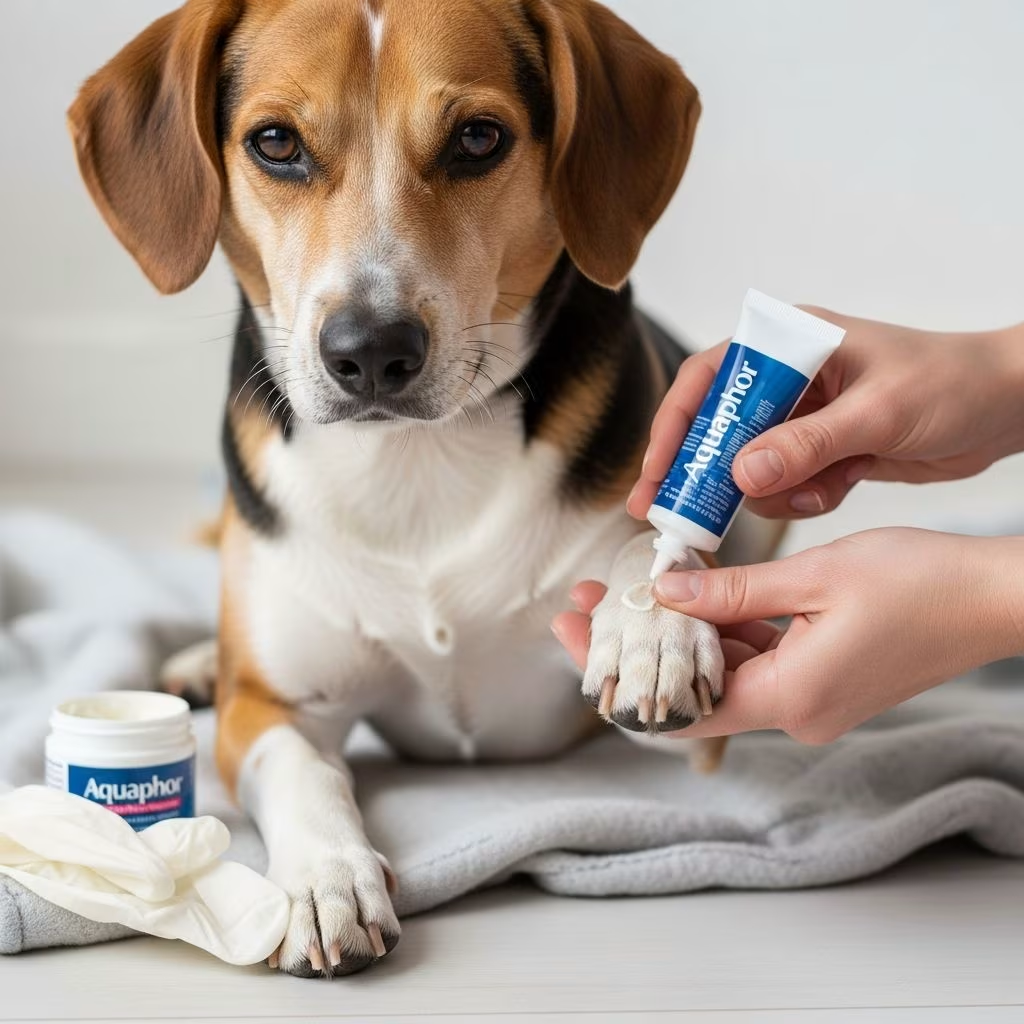
Aquaphor, a popular human skincare ointment, can provide temporary relief for certain canine skin issues when used properly. Veterinary sources confirm its ingredients are non-toxic for topical application on dogs, making it suitable for minor dryness or abrasions, though precautions are essential to prevent complications.
Understanding Aquaphor’s Composition and Canine Compatibility
Aquaphor primarily consists of petrolatum, mineral oil, glycerin, and panthenol, which create an occlusive barrier to lock in moisture without introducing toxins harmful to dogs. Unlike some human products with acidic pH levels that irritate canine skin, Aquaphor’s neutral profile minimizes discomfort on application. This formulation mimics natural skin protectants, aiding healing by shielding minor wounds from environmental irritants while promoting hydration.
Pet owners often reach for Aquaphor due to its accessibility in households, but its human-centric design means it’s not optimized for pets. Veterinary experts emphasize that while safe in moderation, it should not replace specialized pet products for chronic conditions.
Primary Benefits for Your Dog’s Skin Health
- Hydration for Cracked Paws: Harsh weather or rough surfaces can lead to hyperkeratosis or fissures in paw pads. A thin layer softens these areas, reducing pain during walks.
- Dry Nose Relief: Conditions like nasal hyperkeratosis cause leather-like noses; Aquaphor restores suppleness without sting.
- Minor Cut Protection: Superficial scrapes benefit from its barrier against dirt and bacteria, accelerating recovery.
- Hot Spot Management: Early-stage itchy patches can be soothed, preventing further licking-induced damage.
These advantages stem from its emollient properties, which trap natural moisture and support the skin’s barrier function, crucial for dogs with thin or sensitive dermal layers.
Safe Application Guidelines to Maximize Effectiveness
Apply sparingly—a pea-sized amount per affected area suffices. Clean the site gently with mild soap and water first, pat dry, then rub in a thin film. Reapply 1-2 times daily, monitoring for 48 hours.
| Area | Recommended Use | Frequency |
|---|---|---|
| Paw Pads | Thin layer post-walk | Daily in dry seasons |
| Dry Nose | Gentle massage | 1-2x/day |
| Minor Wounds | After cleaning | Until healed, max 7 days |
| Elbows/Hocks | For calluses | As needed |
Avoid over-application, as thick coats trap heat and moisture, potentially fostering bacterial growth.
Preventing Licking: Essential Strategies
Dogs instinctively lick treated areas, which removes the ointment and risks ingestion. Use an Elizabethan collar (cone) for 15-30 minutes post-application, or distract with toys and long walks.
- Booties for paws during settling time.
- Socks secured with vet wrap for short-term coverage.
- Bitter-tasting pet sprays over the ointment to deter mouthing.
If licking occurs minimally, it’s rarely problematic, but persistent access warrants intervention.
Recognizing and Handling Ingestion Incidents
Small licks cause no harm, but larger ingestions—equivalent to a tube for small breeds—may trigger gastrointestinal distress. Watch for drooling, lip smacking, vomiting, diarrhea, or lethargy, dose-dependent on dog size and amount.
Do not induce vomiting, as petrolatum foams dangerously with emetics. Contact your vet or ASPCA Poison Control (888-426-4435) immediately for guidance. Most cases resolve with monitoring and fasting.
Potential Risks and Contraindications
While low-risk overall, issues include:
- Allergic Reactions: Rare but possible from glycerin or panthenol; signs are redness, swelling, or intensified itching.
- Infection Trapping: Occlusive nature worsens oozing or open wounds by sealing bacteria inside.
- Moisture Retention: Unsuitable for humid environments or yeast-prone areas like ears.
Discontinue if symptoms worsen and consult a vet. Never use on surgical incisions without professional approval.
When to Avoid Aquaphor and Seek Veterinary Care
Skip it for deep lacerations, pus-discharging sores, color-changing skin/fur, or ulcerations—these signal underlying infections or allergies needing antibiotics or diagnostics.
Chronic issues like autoimmune dermatitis or endocrine disorders require prescription topicals, not OTC options. Puppies, seniors, or dogs with liver/kidney disease merit vet pre-approval due to altered metabolisms.
Comparing Aquaphor to Dog-Specific Alternatives
| Product | Key Ingredients | Best For | Pros | Cons |
|---|---|---|---|---|
| Aquaphor | Petrolatum, Mineral Oil | Minor dryness | Accessible, cheap | Ingestion risks |
| Musher’s Secret | Beeswax, Vitamin E | Paws in winter | Pet-safe, non-greasy | Costlier |
| Bag Balm | Lanolin, Petrolatum | Nose/udders | Natural scent | Sticky texture |
| Vetericyn FoamCare | Hypochlorous Acid | Hot spots/wounds | Antimicrobial | Shorter shelf life |
Pet formulations often include anti-inflammatories or antibacterials absent in Aquaphor, ideal for prolonged use.
Long-Term Skin Care Strategies Beyond Ointments
Prevent recurrence with omega-3 supplements (fish oil at 20-50mg EPA/DHA per lb body weight daily), hypoallergenic diets, and humidity-controlled environments. Regular paw soaks in Epsom salts (1 tbsp per cup warm water, 5-10 mins) maintain suppleness.
Breeds prone to dryness—like Bulldogs, Labradors, or Huskies—benefit from genetic screening for ichthyosis or zinc-responsive dermatosis.
Frequently Asked Questions
Is Aquaphor toxic if my dog licks it off their paws?
No, small amounts are safe, but large ingestions can cause loose stools or nausea. Monitor and prevent access.
Can I use Aquaphor on my puppy’s dry skin?
Yes, for minor issues, but consult a vet first as young skin is more sensitive.
How long should I use Aquaphor before seeing a vet?
Limit to 7 days; if no improvement, professional evaluation is needed.
Does Aquaphor help with urine scald on belly skin?
Yes, it protects against irritation from contact dermatitis.
Is it safe around my dog’s eyes or mouth?
Avoid direct contact; use sparingly nearby and prevent licking.
Expert Recommendations for Optimal Results
Veterinarians universally advise patch-testing on a small abdominal area for 24 hours before widespread use. Combine with holistic care: paw wax for outdoor protection, humidifiers indoors, and booties for salted sidewalks. For persistent problems, diagnostic tests like skin biopsies ensure targeted therapy.
In summary, Aquaphor serves as a versatile first-aid staple for dogs when applied judiciously, backed by its non-toxic profile and moisturizing efficacy. Always prioritize veterinary input for tailored advice.
References
- Is Aquaphor Safe for Dogs? A Vet Explains the Truth — PetLab Co. 2024. https://thepetlabco.com/learn/dog/health-wellness/is-aquaphor-safe-for-dogs
- Can You Put Aquaphor on Dogs? Vet-Verified Facts & FAQ — Dogster. 2024. https://www.dogster.com/dog-health-care/can-you-put-aquaphor-on-dogs
- Can I Put Aquaphor On My Dog? A Vet Addresses 11 Scenarios — ToeGrips. 2024. https://toegrips.com/can-i-put-aquaphor-on-my-dog/
- My Dog Ate Aquaphor: Here’s What to Do (Vet Answer) — Hepper. 2024. https://articles.hepper.com/my-dog-ate-aquaphor-vet-answer/
- Is Aquaphor safe for dogs? — BetterPet. 2024. https://www.betterpet.com/learn/aquaphor-for-dogs



