

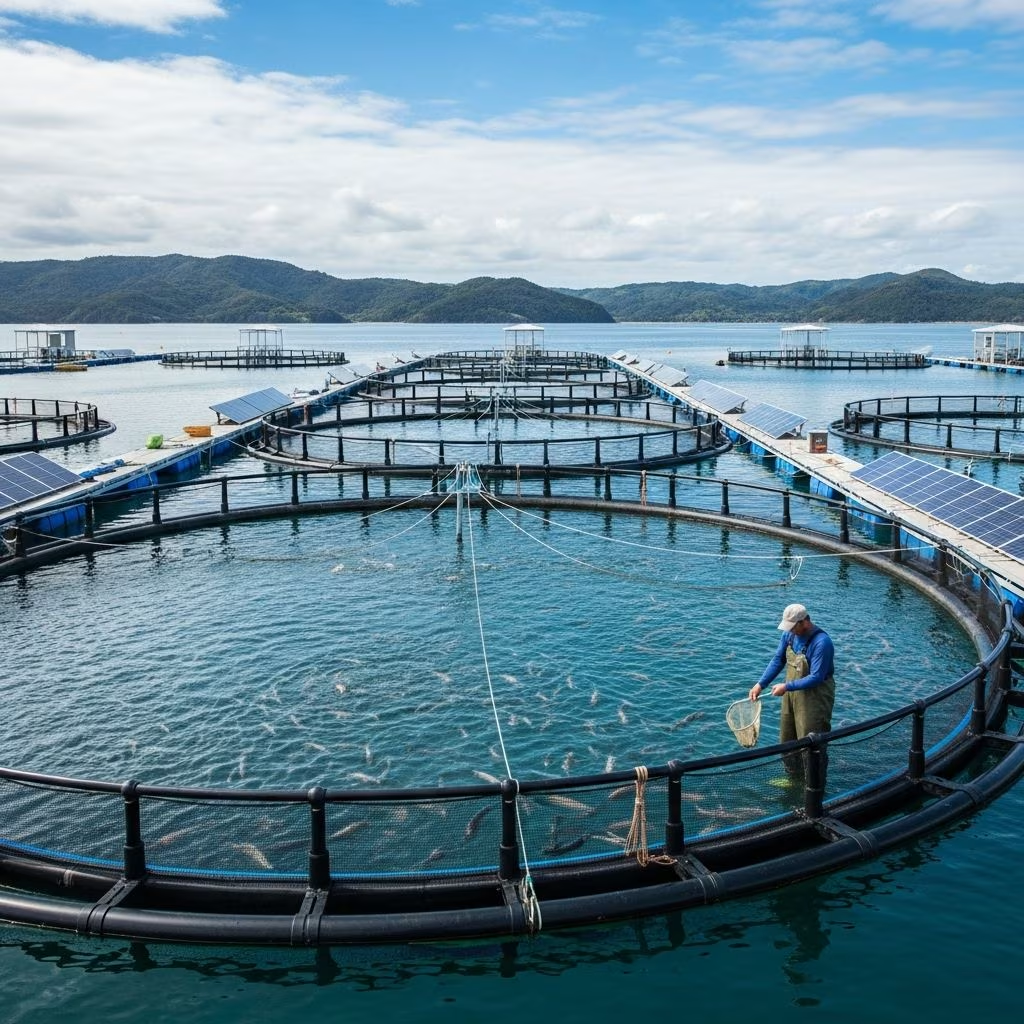
Aquaculture represents the controlled cultivation of fish, shellfish, plants, and other aquatic organisms in diverse water environments, serving as a cornerstone for global food production and environmental stewardship.
Defining Aquaculture and Its Core Principles
Aquaculture, often termed aquafarming, involves rearing aquatic species in freshwater ponds, coastal cages, or offshore systems for commercial harvest. This practice mirrors traditional agriculture but operates in aquatic settings, encompassing activities from food production to habitat restoration. Unlike wild fishing, it allows precise management of growth conditions, feed, and health to optimize yields.
Key principles include sustainability, efficiency, and biodiversity support. Modern systems prioritize minimal environmental impact through water recycling, waste control, and integrated multi-trophic approaches where species like fish, seaweed, and shellfish coexist to recycle nutrients.
Global Demand Driving Aquaculture Expansion
With the world population projected to reach 9.8 billion by 2050, seafood demand surges, outpacing wild capture capacities. Aquaculture now supplies over half of consumed fish products, growing faster than any other food sector. The seafood market, valued at $116.8 billion in 2022, is expected to hit $134 billion by 2026, underscoring its economic trajectory.
This expansion alleviates overfishing pressures, where many stocks have peaked or declined due to decades of exploitation. By farming responsibly, aquaculture bridges the supply gap, ensuring accessible protein for billions.
Nutritional Powerhouse: Health Advantages of Farmed Seafood
Farmed seafood delivers essential nutrients scarce in many diets, including omega-3 fatty acids vital for heart and brain health, vitamin D, and high-quality protein. Regular consumption links to reduced risks of cardiovascular diseases and improved cognitive function.
- Omega-3s in salmon and trout: Support cardiovascular wellness and reduce inflammation.
- Vitamin D richness: Addresses widespread deficiencies, bolstering bone health and immunity.
- Low-calorie protein: Aids weight management with superior nutrient density over land-based meats.
Compared to beef or pork, aquaculture products boast higher protein retention and lower feed conversion ratios, making them a efficient, healthy choice.
Economic Engines: Jobs and Community Development
Aquaculture fuels economies, particularly in rural and coastal regions with limited alternatives. It generates employment in farming, processing, distribution, and support services like equipment supply. In developing nations, it sustains millions, enhancing local food access and reducing import dependency.
| Region | Economic Impact | Job Creation Example |
|---|---|---|
| Coastal Communities | Preserves working waterfronts | Thousands in harvesting/processing |
| Rural Areas | Boosts local GDP | Farming and feed production roles |
| Global Scale | Export revenue growth | Supports 20+ million livelihoods |
By localizing production, it cuts transport emissions and strengthens domestic markets.
Environmental Safeguards and Conservation Roles
Aquaculture eases wild stock depletion, with exclusion zones around farms acting as de facto marine protected areas. Certain methods, like bivalve and algae farming, purify water by filtering nutrients and organics, preserving ecosystems.
- Lower carbon footprint: Surpasses livestock farming in emissions and land use.
- Biodiversity support: Extensive pond systems and IMTA enhance habitats.
- Resource efficiency: Recirculating systems minimize water use and waste.
It also aids conservation via breeding programs for endangered species and stock enhancement.
Diverse Aquaculture Systems and Techniques
Aquaculture spans multiple types tailored to species and locations:
- Open Ocean Farming: Net pens for salmon in fjords, leveraging natural currents.
- Land-Based Recirculating Systems: Closed loops for tilapia or shrimp, optimizing water quality.
- Integrated Multi-Trophic Aquaculture (IMTA): Balances fish with extractive species like mussels for waste mitigation.
- Pond and Cage Culture: Common for carp and catfish in freshwater.
- Algal and Shellfish Beds: Low-impact, high-yield for seaweed and oysters.
Innovations like sensors for real-time monitoring boost efficiency and compliance.
Navigating Challenges in Aquaculture Growth
Despite benefits, issues like disease outbreaks, escapes, and antibiotic use demand vigilant management. Sustainable certifications and regulations address these, promoting best practices. Site selection avoids sensitive habitats, while genetic diversity prevents wild stock impacts.
Stakeholders collaborate on solutions, from feed innovations reducing fishmeal reliance to offshore expansions minimizing coastal strain.
Technological Innovations Propelling Sustainability
Advancements transform aquaculture:
- AI and Sensors: Monitor oxygen, pH, and feeding for optimal health.
- Alternative Feeds: Plant-based or insect proteins lower environmental costs.
- Offshore Platforms: Vast ocean sites yield higher volumes with less footprint.
- Genomics: Disease-resistant breeds enhance resilience.
These tools position aquaculture as a climate-friendly protein source.
Future Outlook: Aquaculture’s Pivotal Role
By 2050, aquaculture must double output to meet protein needs amid climate shifts and population growth. Policy support, investment, and consumer demand for certified products will drive this. It promises food security, economic vitality, and ocean health coexistence.
Frequently Asked Questions
What distinguishes aquaculture from wild fishing?
Aquaculture rears organisms in controlled settings, unlike harvesting from natural populations, enabling consistent supply and stock protection.
Is farmed seafood as nutritious as wild-caught?
Yes, often more so due to controlled diets rich in omega-3s and vitamins.
How does aquaculture contribute to sustainability?
It reduces overfishing, lowers emissions versus land farming, and supports ecosystem services like water purification.
What jobs does aquaculture create?
From farm technicians to processors and exporters, it employs millions globally, especially in underserved areas.
Can aquaculture help combat climate change?
Absolutely, with efficient resource use and carbon-sequestering species like seaweed.
References
- What are the main benefits of aquaculture? — European Commission. 2023. https://aquaculture.ec.europa.eu/faq/1-what-are-main-benefits-aquaculture
- Exploring Aquaculture Benefits — Atlas Scientific. 2023. https://atlas-scientific.com/blog/exploring-aquaculture-benefits/
- 10 Pros and Cons of Aquaculture — Resonance Global. 2023. https://www.resonanceglobal.com/blog/pros-and-cons-of-aquaculture
- Aquaculture — MarineBio Conservation Society. 2023. https://www.marinebio.org/conservation/aquaculture/
- 4 Economic Benefits of Aquaculture — Maine Aquaculture. 2023. https://maineaqua.org/4-economic-benefits-of-aquaculture/
- What is Aquaculture, and Why Do We Need It? — Global Seafood Alliance. 2023. https://www.globalseafood.org/blog/what-is-aquaculture-why-do-we-need-it/
- Aquaculture & Fish Farming Explained — Aquaculture Stewardship Council. 2023. https://asc-aqua.org/learn-about-seafood-farming/what-is-aquaculture/



