

Applying Ointments, Creams, and Lotions on Cats: A Complete Guide
Administering topical medications to your feline companion can be challenging, but with the right knowledge and techniques, you can make the process smoother for both you and your cat. Whether your veterinarian has prescribed an ointment for a skin condition, a cream for irritation, or a lotion for therapeutic purposes, understanding how to properly apply these medications is crucial for their effectiveness and your cat’s comfort.
Understanding Different Topical Formulations
Topical medications come in various forms, each with distinct characteristics that affect how they should be applied and what results you can expect. Familiarizing yourself with these differences will help you better understand your cat’s treatment and follow your veterinarian’s instructions accurately.
Ointments
Ointments are characterized by their oily base, which provides a protective and occlusive layer on the skin. This formulation is particularly beneficial for cats with dry, sensitive, or severely irritated skin. The oily nature of ointments means they take longer to absorb but provide extended protection and moisture retention. When applying an ointment, you may notice it feels greasy to the touch, which is entirely normal and part of its therapeutic design.
Creams
Creams offer a non-greasy alternative to ointments while still providing effective medication delivery to your cat’s skin. Their lighter formulation makes them more comfortable for many cats, especially during warmer months or if your pet has oily skin. Creams absorb more readily than ointments while still maintaining good skin contact. They are often preferred for cats that are sensitive to the feeling of heavy, oily products on their fur.
Lotions
Lotions are liquid preparations that provide the lightest application option among topical formulations. Their liquid consistency makes them easy to apply and distribute evenly across larger skin areas. Lotions are particularly useful for treating widespread skin conditions or for cats that prefer minimal residue on their coat. The liquid nature of lotions allows for rapid absorption and minimal visible buildup on the fur.
Preparing Your Cat for Topical Medication Application
Successful medication administration begins long before you open the medication bottle. Taking time to prepare your cat mentally and physically will significantly increase the likelihood of a smooth application process and better compliance from your feline friend.
Creating the Right Environment
Choose a calm, quiet location where you can focus on your cat without interruptions. Avoid applying medications during times when your cat is typically active or playful. Instead, select moments when your pet is naturally more relaxed, such as after a meal or during their quieter periods of the day. Ensure the room temperature is comfortable, as cats are more cooperative when they feel physically at ease.
Gathering Your Supplies
Before beginning the application process, assemble everything you need within arm’s reach. This includes the prescribed medication, clean washcloths or cotton pads, warm water, gloves if recommended, treats for positive reinforcement, and any restraint aids such as a soft towel or blanket. Having these items readily available prevents unnecessary delays that might cause your cat anxiety.
Washing Your Hands
Always wash your hands thoroughly before and after administering topical medications. This simple step prevents contamination of the medication and reduces the risk of transmitting bacteria or other pathogens to your cat’s skin. Hand hygiene is particularly important if you’re treating an open wound or infection.
Step-by-Step Application Techniques
Following proper application techniques ensures that the medication reaches the affected area effectively and minimizes your cat’s discomfort. These methods have been refined through veterinary practice and are designed to make the process as stress-free as possible.
Preparing the Affected Area
Begin by gently cleaning the area where you’ll apply the medication. Use warm water and a clean washcloth to carefully remove any dirt, debris, or crusting. This preparation step is essential because it allows the medication to make direct contact with the skin and increases absorption rates. Pat the area dry with a clean cloth, as many medications adhere better to dry skin. Be gentle during this process, especially if the area is painful or sensitive.
Positioning Your Cat
If you’re working alone, place your cat in a comfortable position on your lap or on a secure surface like a table. For easier restraint, gently wrap your cat in a warm towel or blanket, leaving only the area requiring treatment exposed. This wrapping technique not only helps keep your cat still but also provides comfort and a sense of security. The warmth of the towel can be particularly soothing for anxious cats.
Getting Assistance
Having a helper makes the process considerably easier, especially when treating sensitive or painful areas. Your assistant can gently hold the wrapped cat, provide reassurance through petting, or offer distracting treats. Establish clear communication with your helper beforehand so you can work in coordinated, smooth movements that minimize stress for your cat.
Applying the Medication
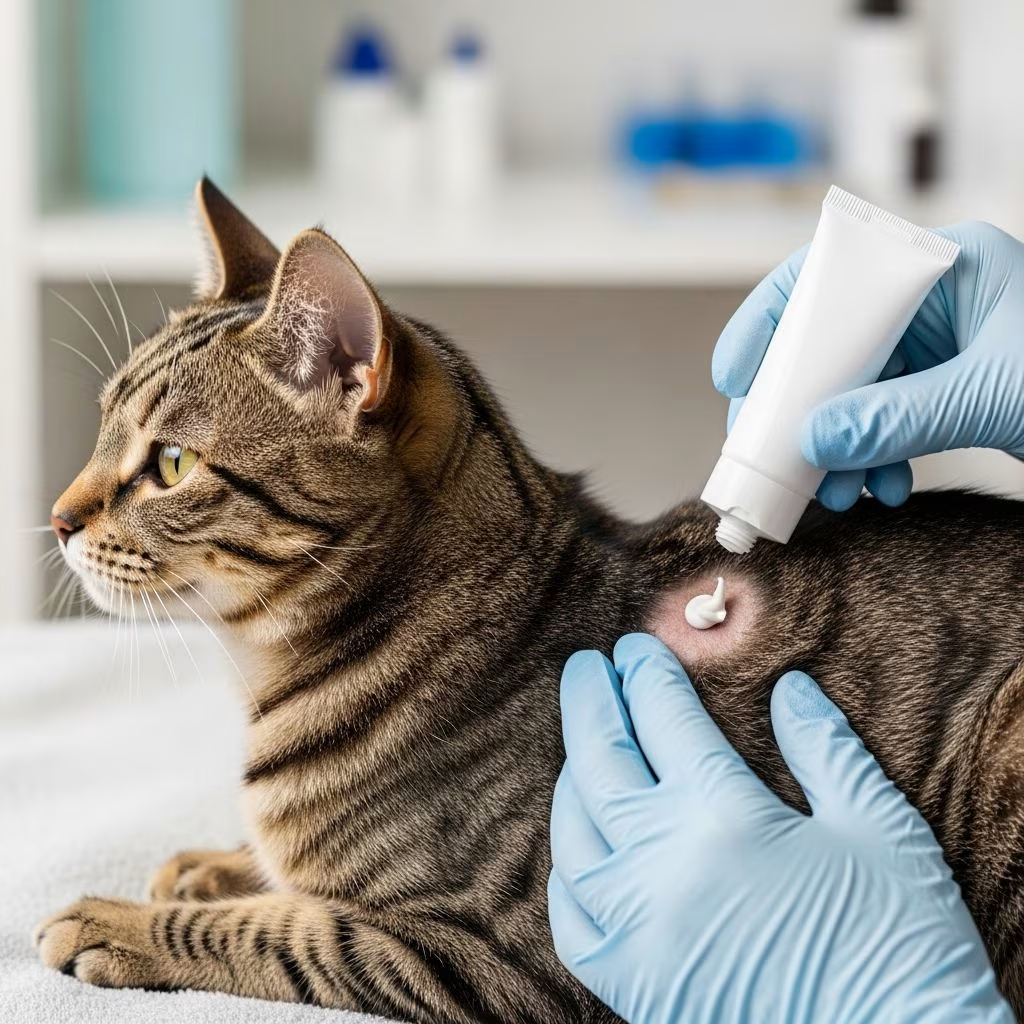
Most topical preparations work better when gently massaged into the skin for a few moments during and after application. Apply the prescribed amount directly to the affected area, then use your gloved finger or the applicator to work the medication into the skin using gentle circular motions. This massaging action enhances absorption and ensures even distribution of the therapeutic agent. Follow your veterinarian’s specific dosage instructions, as different medications require different application amounts.
Managing Common Challenges
Even with the best preparation and technique, cats sometimes present challenges during medication application. Understanding how to address these common issues will help you overcome obstacles and ensure your cat receives the full course of treatment.
When Your Cat Becomes Agitated
It’s normal for cats to become anxious or agitated during medication application, particularly in the early stages of treatment when the area may still be painful. In these situations, consider using pheromone-type sprays such as Feliway® before application to help calm your cat. These products mimic natural calming pheromones and can significantly reduce anxiety. Additionally, distracting your cat with extra-tasty treats during the application process can make the experience more enjoyable and less stressful.
If the area is particularly sensitive, discuss pain management options with your veterinarian. Additional pain medication may help your cat tolerate the treatment more comfortably, leading to better compliance throughout the treatment course.
Preventing Your Cat from Licking the Medication
One of the most common challenges cat owners face is preventing their pets from licking off the medication immediately after application. This behavior is problematic because ingesting topical medications can potentially expose your cat to harmful ingredients. Many veterinary formulations are designed for rapid absorption to minimize this problem, but additional preventive measures may be necessary.
Try applying the topical medication just before feeding your cat. This timing strategy diverts your cat’s attention to food, making them less likely to lick at the treated area. If your cat continues to lick off the medication, contact your veterinarian about obtaining an Elizabethan collar, commonly known as a cone. These collars effectively prevent your cat from accessing the treated area while healing occurs, ensuring the medication remains in place long enough to be absorbed.
Important Safety Precautions
Understanding and implementing safety protocols protects both you and your cat during medication administration. These precautions are based on veterinary best practices and should always be followed.
Protecting Your Skin and Eyes
Some veterinary topical preparations may be irritating to human skin or eyes. Always follow all application directions carefully, including wearing gloves when recommended. After applying medication, wash your hands thoroughly even if you wore gloves, as small amounts may have contacted your skin. Avoid touching your face or eyes during and immediately after applying your cat’s medication.
Preventing Ingestion
It is critically important to prevent your cat from licking and swallowing any external preparations, as they may contain ingredients that could be harmful if ingested. Keep your cat under observation for at least 20 to 30 minutes after application, or longer if recommended by your veterinarian. If you notice your cat frequently attempting to lick the treated area despite your prevention efforts, contact your veterinarian immediately for alternative strategies or medications.
Monitoring for Adverse Reactions
Watch for any signs of adverse reactions following medication application. Some cats may experience mild temporary discomfort such as stinging or burning, which typically subsides quickly. However, if you notice excessive redness, swelling, hair loss, or signs that your cat is in significant pain, contact your veterinarian immediately. These symptoms could indicate an allergic reaction or sensitivity to the medication, requiring prompt veterinary attention.
Techniques for Difficult-to-Treat Areas
Different areas of your cat’s body present unique challenges and require specific techniques to ensure proper medication application and retention.
Treating Skin Folds and Creases
Areas with skin folds require careful attention to ensure medication reaches all affected tissue. Gently separate the skin folds and apply medication to each surface, ensuring complete coverage. Be particularly gentle, as these areas can be sensitive and prone to maceration if moisture accumulates.
Applying to the Ears and Face
The ears and face require gentle handling due to their sensitivity. When treating these areas, use minimal amounts of medication and apply with extreme care to avoid getting preparations into the ear canal or eyes. If your cat becomes particularly agitated when treating the face or ears, enlist your helper to provide extra support and distraction.
Building a Positive Experience
Transforming medication administration from a stressful ordeal into a manageable routine will make treatment easier for both you and your cat, particularly important for long-term treatments.
Offering Praise and Rewards
Throughout the procedure, give your cat plenty of verbal praise to reinforce positive behavior. Offer treats immediately after successful application sessions. These positive associations help your cat develop a more cooperative attitude toward medication administration over time. Even small rewards create a positive feedback loop that encourages compliance.
Maintaining Calm and Composure
Cats are highly perceptive animals that easily detect their owner’s anxiety and stress levels. Maintain a calm and quiet demeanor throughout the application process, speaking in soothing tones and moving deliberately and slowly. The more relaxed you appear, the more at ease your cat will feel. This is not merely psychological comfort but has practical benefits, as anxious cats are more likely to resist and struggle during treatment.
Frequently Asked Questions
Q: How often should I apply the medication?
A: Follow your veterinarian’s specific dosing instructions. Most topical medications are applied once or twice daily, but frequency varies depending on the medication type and condition being treated. Never alter the frequency without consulting your veterinarian.
Q: Can I use human topical medications on my cat?
A: No. Always use only medications prescribed or approved by your veterinarian. Many human topical preparations contain ingredients that are toxic to cats. Specific skin issues require specific treatments formulated for feline safety.
Q: What should I do if my cat has an allergic reaction to the medication?
A: Stop the medication immediately and contact your veterinarian. Signs of allergic reaction include increased redness, swelling, hair loss, or signs of severe discomfort. Your veterinarian can prescribe an alternative medication that may be better tolerated.
Q: How long does it take for topical medications to work?
A: Most topical medications begin working within 1 to 2 hours of application, though complete results may take several days or weeks depending on the condition and medication type. Always complete the full prescribed course of treatment.
Q: Can I combine different topical medications?
A: Only combine medications if specifically instructed by your veterinarian. Some medications interact negatively, potentially reducing effectiveness or causing adverse reactions. Always inform your veterinarian about all medications and treatments your cat is receiving.
References
- Applying Ointments, Creams, and Lotions on Cats — VCA Animal Hospitals. Accessed 2025-11-28. https://vcahospitals.com/know-your-pet/applying-ointments-creams-and-lotions-on-cats
- Silver Sulfadiazine Topical — VCA Animal Hospitals. Accessed 2025-11-28. https://vcahospitals.com/know-your-pet/silver-sulfadiazine-topical
- Hydrocortisone Topical — VCA Animal Hospitals. Accessed 2025-11-28. https://vcahospitals.com/know-your-pet/hydrocortisone-topical
- Transdermal Medications: How They Work and How to Apply Them — VCA Animal Hospitals. Accessed 2025-11-28. https://vcahospitals.com/know-your-pet/transdermal-medications-how-they-work-and-how-to-apply-them
- Personal Care Products and Your Pet — VCA Animal Hospitals. Accessed 2025-11-28. https://vcahospitals.com/know-your-pet/personal-care-products-and-your-pet



