

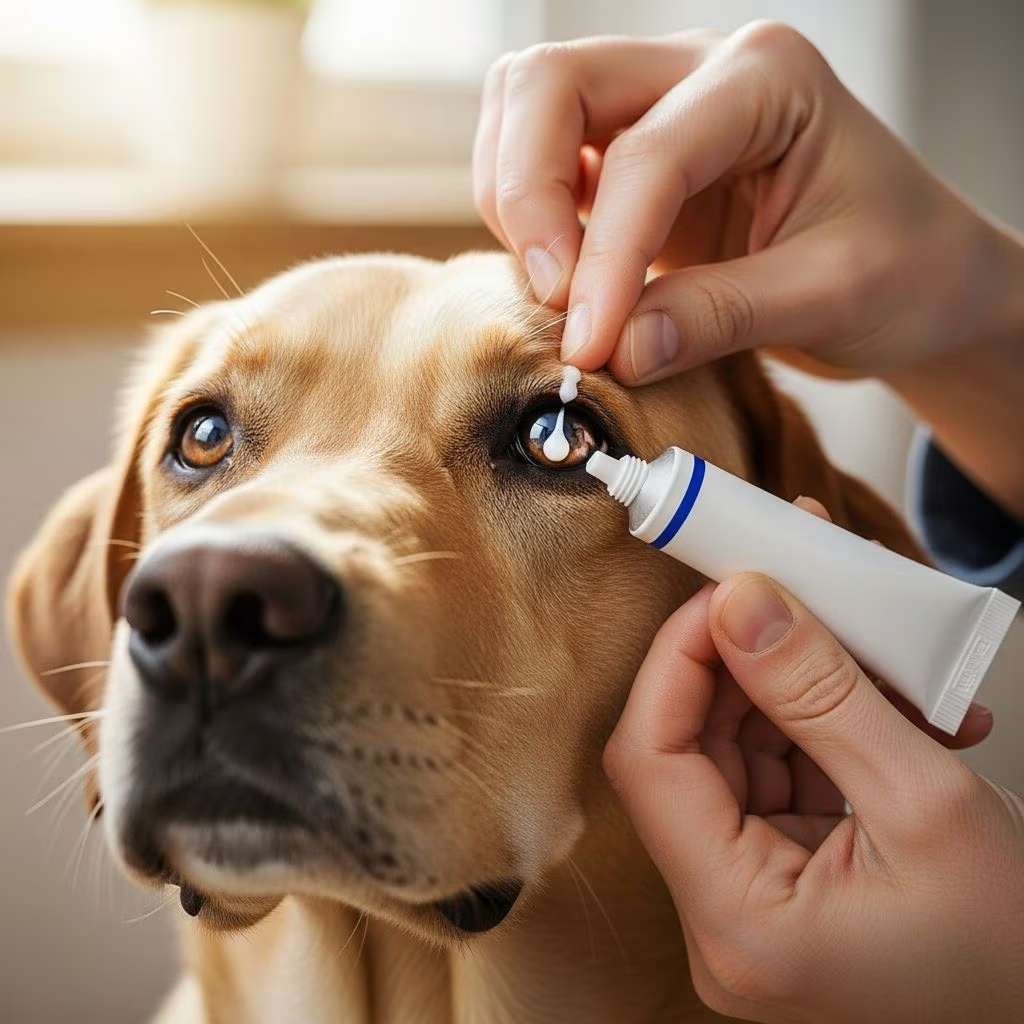
Applying Eye Ointments to Dogs: A Complete Guide
Administering eye ointments to your dog is an essential skill for pet owners, especially when your veterinarian prescribes medications to treat eye conditions such as infections, dry eye syndrome, or inflammation. Proper administration of eye medications is crucial for your pet’s prompt recovery and overall ocular health. This comprehensive guide will walk you through the process of safely and effectively applying eye ointments to your dog’s eyes, ensuring comfort and compliance with your veterinarian’s treatment plan.
Why Proper Eye Medication Administration Matters
Eye ointments are prescribed for various canine conditions, including bacterial infections, corneal ulcers, allergic reactions, and dry eye disease. The medication must be applied directly to the eye in the correct amount to be effective. When ointments are not applied properly, they may not reach the affected area, reducing their therapeutic benefit. Additionally, improper application can potentially cause injury to your dog’s delicate eye structures. Understanding the correct technique protects your dog from discomfort and ensures the medication performs its intended function.
Preparation Before Application
Read and Understand Instructions
Before attempting to apply any eye ointment, carefully read the medication label and prescription instructions provided by your veterinarian. Make sure you understand the dosage, frequency of application, and any special handling requirements. If you have any questions about the medication or application method, contact your veterinarian before administering any medication. Different ointments may have specific instructions you need to follow for optimal results.
Hygiene and Safety Precautions
Always wash your hands thoroughly before and after administering eye medication to prevent contamination and minimize the potential spread of infection. If your dog has an eye infection in one eye, extra care should be taken to avoid transferring the infection to the other eye by using clean hands or separate applicators. Keep the eye medication’s applicator tip clean and never allow it to contact your dog’s eye surface, eyelids, or any other surface. If the applicator tip does make contact with a surface, clean it immediately by wiping it off with a clean cloth and ask your veterinarian for specific cleaning instructions.
Preparing Your Dog’s Eye
Gently clean any debris from your dog’s eyes using warm water and a clean washcloth before applying the ointment. This preparation step serves multiple purposes: it removes dried discharge that might interfere with medication absorption, it helps soothe the eye area, and it can help prepare your dog psychologically for the administration of the medication. After cleaning, gently reward your dog with head rubs or treats to create positive associations with the process and make future applications easier.
Step-by-Step Instructions for Applying Eye Ointment
Step 1: Position Your Dog
Positioning your dog correctly is critical for safe and effective ointment application. The best positioning depends on your dog’s size and temperament:
For small dogs, it may help to hold them in your lap where you have good control and they feel secure. For larger dogs, have them sit or stand at a comfortable height where you can easily access their eyes. Some pet owners find it helpful to wrap their dog in a blanket or towel with only the head exposed, which can provide a calming effect and prevent the dog from moving around excessively. If your dog is particularly anxious or uncooperative, having another person gently hold your dog while you apply the ointment can make the process much easier and safer.
Step 2: Position Your Dog’s Head
Stand behind your dog if possible, as this position gives you better control over their body and head movement. Gently tip your dog’s head up toward the ceiling. This positioning allows gravity to help distribute the ointment across the eye surface and gives you clear visual access to the eye. Make sure your dog remains calm and comfortable in this position before proceeding.
Step 3: Hold the Ointment Tube
Hold the ointment tube between your thumb and index finger of your dominant hand, with the tube tip pointed away from your pet’s eye. This precaution ensures that if your dog suddenly jerks their head, the tube tip will not injure the sensitive eye structures. Position the tube close enough to apply the ointment but far enough away to maintain safety. Rest your hand holding the tube on top of the dog’s head for stability and to minimize the risk of accidental eye contact.
Step 4: Open the Eye
With your non-dominant hand, gently pull down the lower eyelid using your thumb, creating a small pouch or pocket that will receive the ointment. Place the remaining fingers of this hand under the dog’s jaw to support the head and keep it steady. Simultaneously, use your non-dominant hand’s forefinger or the last two fingers of your dominant hand to gently lift the upper eyelid, fully opening the eye. If you have a helper available, they can gently tip your dog’s head back and nose up while you use your index finger and thumb to open the eye.
Step 5: Apply the Ointment
Squeeze a thin strip of the ointment along the inner side of the lower eyelid into the pouch you created. Apply only the prescribed amount as directed by your veterinarian. Applying too much ointment can cause discomfort and blur your dog’s vision excessively, while too little may not provide adequate medication coverage. Be careful not to touch the eye’s surface with the applicator tip during this process.
Step 6: Distribute the Medication
Once the ointment is applied, allow your dog to blink. Gently hold the eyelid shut and massage the closed eyelid in a circular motion to help disperse the ointment evenly across the eye surface. This massage technique ensures the medication contacts the entire affected area. Your dog’s vision will be blurry for a few minutes while the ointment melts and spreads across the eye, so watch your dog to make sure they do not bump into furniture or other obstacles while their vision is temporarily impaired.
Important Considerations for Painful Eyes
If your dog’s eye is particularly painful or sensitive, you may need additional assistance with restraint. Some dogs may require a soft muzzle to prevent them from pawing at their eye or preventing application. Usually, as the medication begins to control the underlying problem, the pain lessens, and the dog becomes more cooperative with medication application. Never force the application if your dog is in severe distress; contact your veterinarian for guidance.
Managing Multiple Eye Medications
If your veterinarian has prescribed multiple eye medications for your dog, proper spacing is essential for effectiveness. Wait 5 to 10 minutes between applying different medications to allow each medication to be absorbed properly. Always apply eye drops before eye ointments, as drops will absorb into the eye, while ointments form a protective layer that could prevent drops from reaching the eye surface. This sequencing ensures each medication can perform its intended function.
Common Eye Ointments for Dogs
Several types of eye ointments are commonly prescribed for dogs, including erythromycin ophthalmic for bacterial infections, triple antibiotic ointment for general eye infections, and cyclosporine for conditions like dry eye disease. Each medication has specific instructions and application frequencies. Erythromycin and triple antibiotic ointments typically require applications multiple times daily, while cyclosporine ointment usually needs to be applied every 12 hours. Follow your veterinarian’s specific dosing schedule exactly as prescribed, even if your dog appears to be feeling better.
Duration of Treatment
It is critical to give the eye medication to your pet for the entire time prescribed by your veterinarian, even if it appears that your pet is feeling better or the eye condition has improved. Stopping treatment prematurely can result in the infection or condition returning or becoming more severe. Some eye conditions, such as dry eye disease treated with cyclosporine, may take days to weeks to show noticeable improvement. Patience and consistency with medication administration are essential for successful treatment outcomes.
Safety Tips and Best Practices
Always ensure the applicator tip remains clean and never touches the eye’s surface, eyelids, or any other surface. If contamination occurs, clean the tip with a sterile cloth or ask your veterinarian for specific cleaning instructions. Avoid contact with the ointment on your own skin and thoroughly wash your hands after administration. Store the medication according to the label instructions, as some ointments require refrigeration or protection from light. Never share eye medications between pets, as this can spread infection or administer inappropriate medications. Keep all eye medications out of reach of children and other pets.
Troubleshooting Common Challenges
Dog Won’t Hold Still
If your dog is extremely uncooperative, try applying the ointment just before feeding time. Giving treats during or immediately after application may divert their attention and make the process easier. Consider having a family member help hold and comfort your dog during application. Practicing with positive reinforcement and treats during non-medication times can also help your dog become more accepting of the process.
Ointment Leaking Out
Some leakage of ointment is normal and expected. You can gently wipe away excess ointment with a clean tissue. If excessive leakage occurs, you may not have applied enough ointment or held the eye closed long enough for initial absorption. Ensure you’re creating an adequate pouch with the lower eyelid and massaging the closed eyelid for at least 30 seconds after application.
Eye Remains Red or Irritated
If your dog’s eye remains red, swollen, or appears more irritated after several days of treatment, contact your veterinarian immediately. This could indicate an allergic reaction to the medication, an incorrect diagnosis, or a need for additional treatment. Do not attempt to treat the problem yourself or change medications without veterinary guidance.
Frequently Asked Questions (FAQs)
Q: What should I do if I accidentally touch my dog’s eye with the applicator tip?
A: Clean the applicator tip immediately with a clean, sterile cloth. Wash your hands thoroughly. Contact your veterinarian for specific cleaning instructions, as they may recommend additional steps or a replacement applicator depending on the medication type.
Q: Can I apply eye ointment to both eyes at the same time?
A: No, always apply ointment to one eye at a time. This allows you to maintain proper control and safety. If both eyes require treatment, apply to one eye, wait a moment for your dog to blink and distribute the medication, then apply to the other eye.
Q: How long will my dog’s vision be blurry after ointment application?
A: Vision is typically blurry for a few minutes while the ointment melts and spreads across the eye surface. During this time, watch your dog closely to prevent them from bumping into obstacles.
Q: Can I use the same applicator tip for both eyes?
A: If only one eye is infected, use a clean applicator or wipe the tip thoroughly between eyes to prevent transferring infection. If both eyes are infected, your veterinarian may approve using the same applicator, but ask to be certain.
Q: What if my dog won’t let me open their eye?
A: If your dog’s eye is too painful to open, contact your veterinarian. They may prescribe pain medication to apply first, recommend a different application technique, or provide additional guidance for your specific situation.
Q: Should I refrigerate eye ointments?
A: Check the medication label for storage instructions. Some ointments require refrigeration while others should be stored at room temperature. Always follow your veterinarian’s specific storage recommendations.
When to Contact Your Veterinarian
Contact your veterinarian if you notice increased redness, swelling, or discharge from the eye after several days of treatment, if your dog shows signs of allergic reaction such as facial swelling, if you’re unable to apply the medication safely due to pain or aggression, if the eye condition appears to worsen, or if you have any questions about proper application technique. Your veterinarian is your best resource for troubleshooting and ensuring your dog receives optimal care.
Mastering the technique of applying eye ointments to your dog takes practice and patience, but it is a valuable skill that will serve you well throughout your dog’s life. By following these detailed instructions and maintaining open communication with your veterinarian, you can ensure your dog receives the medication they need for optimal eye health and comfort.
References
- Applying Eye Drops to Dogs — VCA Animal Hospitals. 2024. https://vcahospitals.com/know-your-pet/applying-eye-drops-to-dogs
- Administering Eye Medications to Your Pet — Cornell University College of Veterinary Medicine. 2024. https://www.vet.cornell.edu/hospitals/pharmacy/consumer-clinical-care-guidelines-animals/administering-eye-medications-your-pet
- Erythromycin Ophthalmic — VCA Animal Hospitals. 2024. https://vcahospitals.com/know-your-pet/erythromycin-ophthalmic
- Triple Antibiotic Ophthalmic: Neomycin, Polymyxin B, Bacitracin — VCA Animal Hospitals. 2024. https://vcahospitals.com/know-your-pet/triple-antibiotic-ophthalmic-neomycinpolymyxin-bbacitracin-neomycinpolymyxin-bgramicidin
- Cyclosporine – Ophthalmic — VCA Animal Hospitals. 2024. https://vcahospitals.com/know-your-pet/cyclosporine—ophthalmic
- How to Apply Eye Ointments on Your Pet — MedVet. April 26, 2021. https://www.youtube.com/watch?v=0lrKFFK9saQ



