

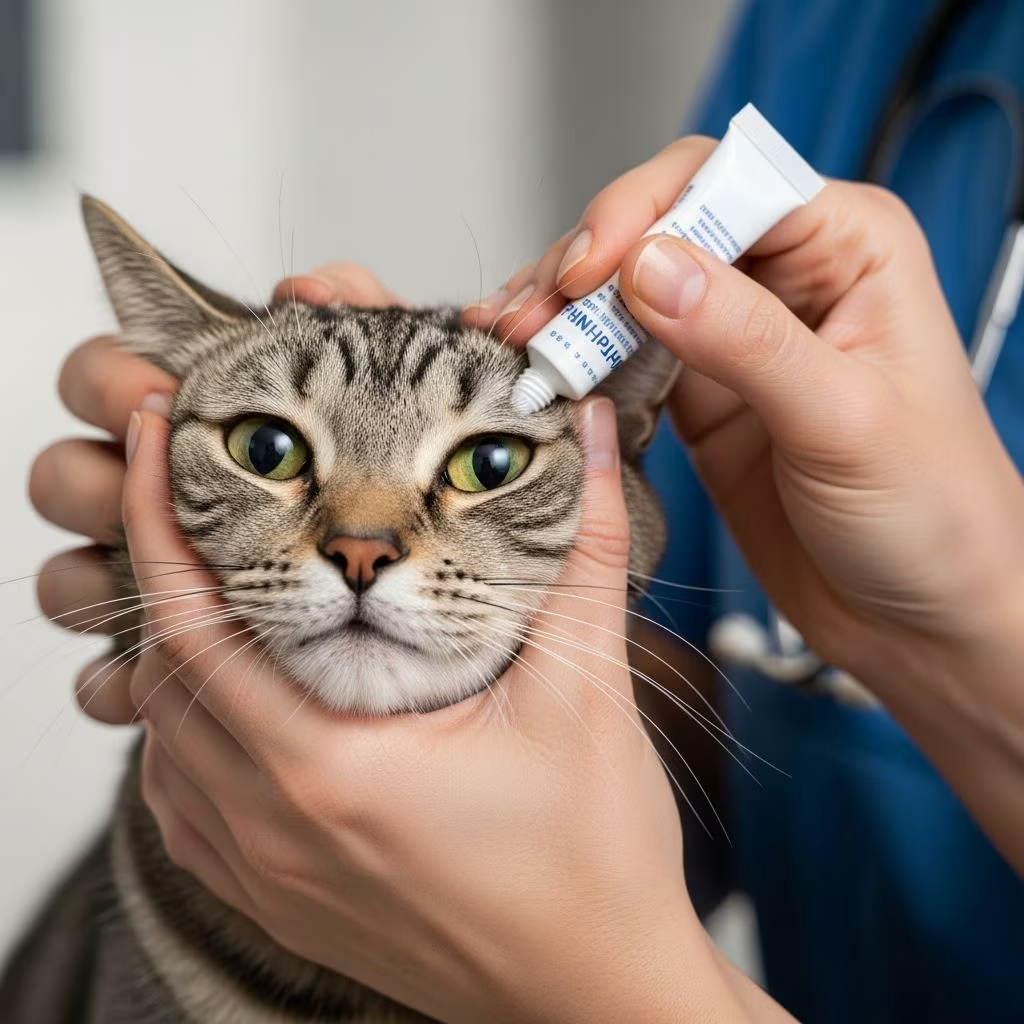
How to Apply Eye Ointments to Cats Safely and Effectively
Eye ointments are a common and effective treatment for various feline eye conditions, including infections, inflammation, and injuries. However, administering medication to a cat’s eyes requires patience, proper technique, and understanding of your pet’s needs. Whether your cat is experiencing conjunctivitis, corneal ulcers, or other ophthalmic issues, learning the correct application method is essential for successful treatment and your cat’s comfort. This comprehensive guide will walk you through the process of applying eye ointments to your cat, providing step-by-step instructions and practical tips to make the experience smoother for both you and your feline companion.
Understanding Eye Ointments for Cats
Eye ointments are topical medications designed specifically for direct application into the eye. Unlike eye drops, which are liquid formulations, ointments have an oily base that allows them to adhere to the eye surface longer, providing extended therapeutic benefits. These medications are commonly prescribed for bacterial infections, inflammation, and various ophthalmic conditions in cats.
Eye ointments typically contain active ingredients such as antibiotics, anti-inflammatory agents, or other therapeutic compounds. The oily consistency means they may blur vision temporarily and can feel different to your cat compared to liquid drops. Understanding this difference is important when preparing your cat for treatment.
Pre-Application Preparation
Successful eye ointment application begins with proper preparation. Taking time to prepare both yourself and your cat will significantly improve the experience and increase the likelihood of successful medication administration.
Hand Hygiene and Safety
Always wash your hands thoroughly before and after administering eye ointment to your cat. This prevents contamination of the medication and reduces the risk of spreading infection to your pet’s eyes or other areas of their body. Hand hygiene is particularly important when treating eye conditions that may be contagious or when your cat has an active infection.
Prepare Your Environment
Choose a quiet, well-lit location where you can work comfortably with your cat. Good lighting is essential for seeing your cat’s eye clearly and ensuring accurate application. Gather all necessary supplies before beginning, including the eye ointment tube, clean washcloths, warm water, and any other items you might need. Having everything within reach prevents fumbling and reduces the time your cat must remain still.
Cleaning the Eye Area
Gently clean away any debris around your cat’s eyes using warm water and a soft washcloth before applying the ointment. This removes discharge, crust, or other materials that might interfere with medication absorption. The warmth of the water can be soothing and helps prepare your cat psychologically for the application. Use a fresh, clean washcloth for each eye to prevent cross-contamination.
Step-by-Step Application Instructions
Positioning Your Cat
Start by positioning your cat comfortably. If you are administering the medication alone, placing your cat in your lap can work well. However, restraint is often necessary to keep your cat still during application. Gently wrapping your cat in a blanket or towel, leaving only the head exposed, can provide effective restraint while keeping your pet calm and secure. For particularly anxious or resistant cats, having an assistant hold the wrapped cat while you apply the ointment is highly recommended.
Securing Your Cat’s Head
Place your hand around your cat’s jaw and gently hold their head still. Your other hand should be free to manipulate the eyelids and apply the ointment. Maintaining a firm but gentle grip is essential—you want to prevent movement without causing discomfort or injury. Some people find it helpful to rest one hand on top of the cat’s head for additional stability while applying the medication.
Opening the Eyelids
Using your last two fingers, gently pull back the upper eyelid, or use your other hand to pull up the upper eyelid while holding the head still with the first hand. The lower eyelid naturally acts as a pouch or reservoir to receive the ointment. Be very gentle when handling the eyelids, as the eye area is sensitive and can be painful if your cat has an active eye condition.
Applying the Ointment
The correct amount of ointment is critical for effective treatment. Apply a 1/4 to 1/2 inch (0.6 to 1.25 cm) strip of ointment directly into the eye. Hold the ointment tube at approximately the same height as the eye and squeeze gently to dispense the appropriate amount. The key is to apply the ointment directly onto the eyeball itself, not just the eyelid margin or surrounding area.
Sealing and Distributing the Ointment
After applying the ointment, gently close your cat’s eyelids by releasing the eyelid you were holding and allowing the lids to close naturally. Lightly massage the closed eyelids for a few seconds to help distribute the ointment evenly across the eye surface. This massage helps ensure the medication makes contact with all affected areas of the eye and increases therapeutic effectiveness.
Container Tip Safety
Throughout the application process, ensure the tip of the ointment tube never touches your cat’s eye, eyelids, or any other surface. Contact between the applicator tip and the eye can cause contamination and introduce bacteria or other pathogens. If the tip does accidentally contact your cat’s eye or eyelid, wipe it clean with a sterile cloth before continuing. Ask your veterinarian for specific cleaning instructions if contamination occurs.
Managing Multiple Eye Medications
If your cat requires more than one eye medication, proper sequencing is essential for optimal therapeutic benefit. Always administer eye drops before eye ointments. This order is important because drops need to contact the eye surface directly, while ointments may form a barrier that prevents drops from reaching the eye effectively.
Wait 5 to 10 minutes between administering different medications to allow the first medication to be absorbed and distributed. This waiting period also prevents the medications from interfering with each other and ensures each medication can work effectively.
What to Expect After Application
After you apply the eye ointment, your cat may exhibit normal responses to the medication. Blinking is expected and actually beneficial, as it helps spread the ointment across the eye surface. Some cats may paw at the eye or show mild discomfort immediately after application, particularly if the eye area is sensitive or painful.
Certain ointments may have a bitter taste that drains to the back of the mouth through the tear ducts, which can cause temporary drooling or increased salivation. This is normal and typically subsides within a few minutes. If persistent rubbing continues beyond a few minutes, or if the eye appears more inflamed or red after application, contact your veterinarian before administering the next dose.
Addressing Common Challenges
Dealing with Eye Pain and Sensitivity
If your cat’s eye is painful, you may need assistance with restraint. Pain can make cats defensive and resistant to handling. Having someone hold your cat while you apply the medication can make the process safer and more efficient. As treatment begins to take effect and inflammation decreases, the pain typically lessens, and assistance becomes less necessary over time.
Managing an Agitated Cat
Some cats become agitated during medication application, especially in the early stages of treatment when the area may still be painful or the medication may cause mild temporary discomfort such as stinging or burning. Using a pheromone-type spray such as Feliway before application can help calm your cat. Offering extra-tasty treats during or immediately after application can create positive associations with the medication process.
Preventing Medication Removal
Cats may attempt to lick off the ointment, either out of discomfort or natural grooming instinct. Try applying the medication just before feeding time, as your cat’s attention will be focused on food rather than the treated eye. If licking persists despite these efforts, contact your veterinarian about fitting your cat with an Elizabethan collar (cone), which prevents access to the eye area while allowing normal eating and breathing.
When Your Cat Won’t Cooperate
If your cat is extremely resistant or you are unable to apply the medication as directed, consult with your veterinarian. Your vet may suggest alternative treatment options, discuss additional pain management if needed, or recommend referral to a veterinary ophthalmologist for more complex cases.
Treatment Duration and Consistency
Consistency is crucial when treating feline eye conditions with ointments. Apply the medication for the entire duration prescribed by your veterinarian, even if your cat appears to be feeling better or the eye appears to be improving. Stopping treatment prematurely can result in incomplete healing and potential relapse of the condition.
Most ophthalmic ointments require daily application, often once or twice daily depending on the specific medication and condition being treated. Follow your veterinarian’s specific instructions regarding frequency and duration of treatment to ensure the best possible outcome.
Tips for Success
– Practice patience with your cat, especially during the first few applications when both you and your pet are learning the routine- Attempt application when your cat is relaxed or sleepy, as this reduces resistance- Maintain consistent timing with medication administration to help your cat anticipate and adjust to the routine- Use positive reinforcement with treats or praise after successful application- Keep the medication at room temperature for comfort during application- Always have clean hands and use sterile supplies to prevent infection- Never force the eyelid open aggressively, as this can cause injury- Document each application to ensure you don’t miss doses
When to Contact Your Veterinarian
Contact your veterinarian if you experience difficulties applying the medication, if your cat shows signs of increased discomfort or inflammation after application, if the eye condition does not improve with treatment, or if your cat develops any new symptoms during the treatment period. Your veterinarian can provide additional guidance, adjust the treatment plan if necessary, or recommend alternative medications if the current treatment is causing problems.
Frequently Asked Questions About Applying Eye Ointments to Cats
Q: How much ointment should I apply to my cat’s eye?
A: Apply a 1/4 to 1/2 inch (0.6 to 1.25 cm) strip of ointment directly into the eye, dispensed from the tube. Your veterinarian may provide specific instructions if your cat requires a different amount.
Q: Can I apply eye ointment and eye drops at the same time?
A: No. Always apply eye drops first, then wait 5 to 10 minutes before applying ointment. The ointment’s oily base can form a barrier that prevents drops from reaching the eye effectively.
Q: What should I do if the ointment tube tip touches my cat’s eye?
A: Immediately wipe the tip with a clean cloth. This prevents contamination and reduces infection risk. Ask your veterinarian for specific cleaning instructions if needed.
Q: Is it normal for my cat to paw at the eye after ointment application?
A: Yes, this is normal. Blinking and mild pawing can occur as your cat responds to the sensation and taste of the ointment. However, if excessive rubbing continues or redness increases, contact your veterinarian.
Q: How long should I treat my cat’s eye with ointment?
A: Apply the ointment for the entire duration prescribed by your veterinarian, even if the eye appears to be improving. Premature discontinuation can result in incomplete healing and relapse.
Q: Can I apply eye ointment to both eyes simultaneously?
A: It’s best to apply ointment to one eye at a time to prevent cross-contamination and ensure accurate dosing to each eye. This also allows you to maintain better control during the application process.
Q: What if my cat won’t stop licking the ointment?
A: Try applying the ointment before feeding time to redirect your cat’s attention. If licking persists, your veterinarian can fit your cat with an Elizabethan collar to prevent access to the treated eye.
References
- Conjunctivitis in Cats — VCA Animal Hospitals. 2024. https://vcahospitals.com/know-your-pet/conjunctivitis-in-cats
- Applying Eye Drops to Cats — VCA Animal Hospitals. 2024. https://vcahospitals.com/know-your-pet/applying-eye-drops-to-cats
- Erythromycin Ophthalmic — VCA Animal Hospitals. 2024. https://vcahospitals.com/know-your-pet/erythromycin-ophthalmic
- Triple Antibiotic Ophthalmic: Neomycin, Polymyxin B, Bacitracin — VCA Animal Hospitals. 2024. https://vcahospitals.com/know-your-pet/triple-antibiotic-ophthalmic-neomycinpolymyxin-bbacitracin-neomycinpolymyxin-bgramicidin
- Applying Ointments, Creams, and Lotions on Cats — VCA Animal Hospitals. 2024. https://vcahospitals.com/know-your-pet/applying-ointments-creams-and-lotions-on-cats
- Irrigating Solutions Ophthalmic — VCA Animal Hospitals. 2024. https://vcahospitals.com/know-your-pet/irrigating-solutions-ophthalmic



