

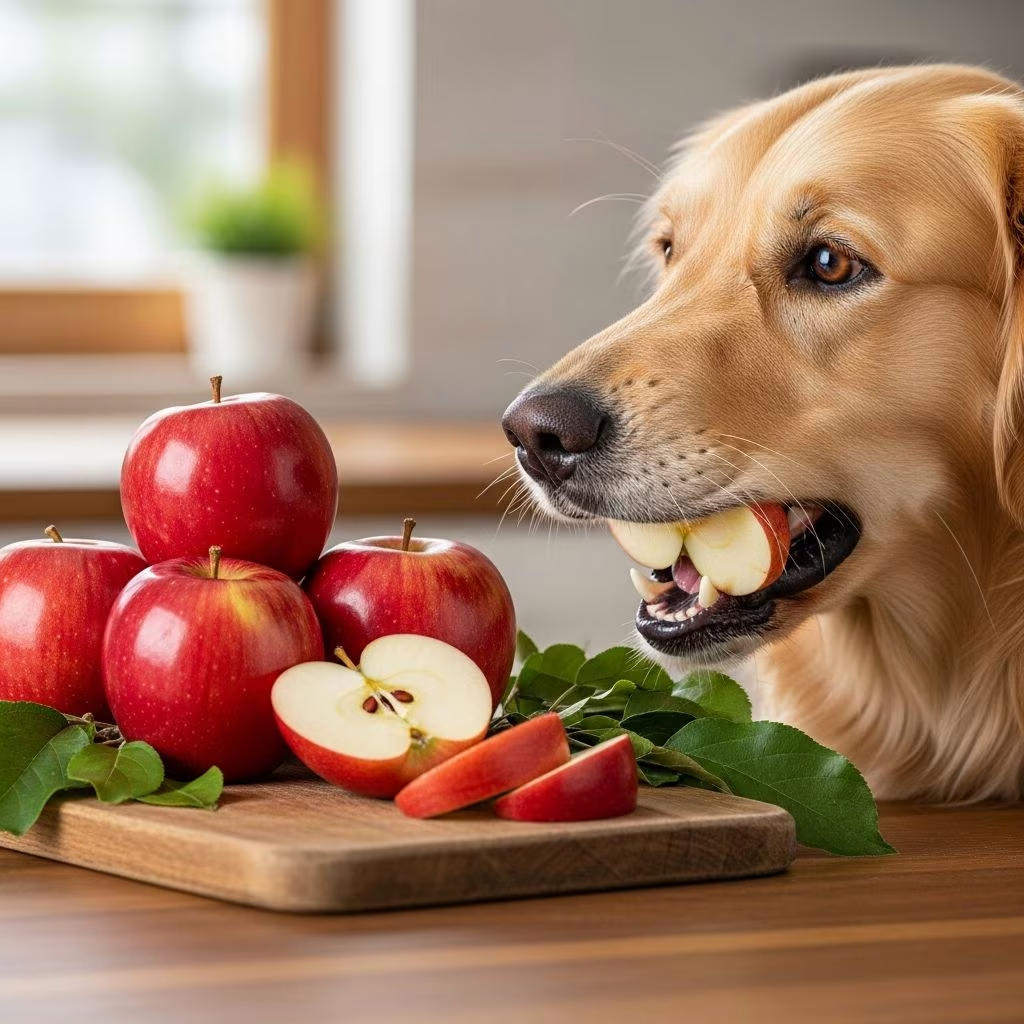
Apples serve as a refreshing and healthful option for dogs when offered properly. This fruit provides essential nutrients without excessive calories, making it suitable for various canine needs.
Nutritional Advantages of Apples in Canine Diets
Apples deliver multiple benefits that support overall dog health. Their composition includes high water content, around 86 percent, aiding hydration during play or hot weather. Fiber content promotes digestive regularity and acts as a prebiotic for gut bacteria balance.
- Vitamin A enhances vision, skin health, and immunity.
- Vitamin C bolsters antioxidant defenses, though dogs produce it naturally.
- Vitamin K and potassium contribute to bone health and muscle function.
- Low fat and calories suit overweight or active dogs.
- Antioxidants combat oxidative stress for cellular protection.
These elements position apples as a superior alternative to commercial treats high in fats or sugars. The peel, rich in fiber, aids dental cleaning by scraping plaque during chewing.
Preparation Essentials to Ensure Safety
Proper handling eliminates most risks associated with apples. Always wash thoroughly to remove pesticides, then slice into small, manageable pieces.
| Part of Apple | Safe? | Reason |
|---|---|---|
| Flesh | Yes | Nutrient-rich and digestible |
| Skin/Peel | Yes | High fiber, safe if organic |
| Seeds | No | Contain cyanogenic glycosides that release cyanide |
| Core | No | Choking hazard and indigestible |
| Stem | No | Potential blockage risk |
Remove core, seeds, and stem entirely before serving. Cut into bite-sized chunks to prevent choking, especially for small breeds. Organic apples reduce chemical exposure.
Recommended Feeding Amounts by Dog Size
Moderation prevents digestive issues from excess sugar and fiber. Treats, including apples, should not exceed 10 percent of daily caloric intake.
- Small dogs (under 20 lbs): 1-2 thin slices daily.
- Medium dogs (20-50 lbs): 3-4 slices, 2-3 times weekly.
- Large dogs (over 50 lbs): 1/4 to 1/2 small apple, occasionally.
- Puppies: Introduce tiny amounts after weaning; monitor for tolerance.
Start with small portions to check for sensitivities. Overfeeding may cause diarrhea, vomiting, or bloating.
Health Conditions and Apple Suitability
Dogs with specific issues require caution. Diabetics benefit from low glycemic impact but need vet approval due to natural sugars. Overweight pets appreciate the low-calorie profile.
Allergic reactions, though rare, manifest as itching or stomach upset—discontinue and consult a vet if observed. Puppies and seniors tolerate apples well in tiny doses, supporting hydration and gentle fiber intake.
Creative Ways to Incorporate Apples into Treats
Beyond plain slices, apples enhance homemade goodies. Freeze chunks for a cooling summer snack. Blend into smoothies with yogurt for probiotics, ensuring no added sugars.
Dried apples work if unsweetened and homemade—concentrated sugars demand smaller servings. Mix grated apple into kibble toppers for flavor variety without disrupting nutrition balance.
Apple Varieties: Best Choices for Dogs
All common varieties prove safe post-preparation. Red Delicious and Gala offer sweetness; Granny Smith provides tartness with similar nutrients.
- Sweet apples: Ideal for picky eaters.
- Green apples: Lower sugar, higher fiber—safe and beneficial.
- Organic vs. conventional: Prioritize organic to minimize residues.
Avoid processed products like pie fillings, containing harmful spices or sweeteners.
Comparing Apples to Other Dog-Safe Fruits
| Fruit | Key Benefits | Risks | Portion Guideline |
|---|---|---|---|
| Apples | Vitamins A/C, fiber, hydration | Seeds/core | 10% daily calories |
| Blueberries | Antioxidants, low calorie | None major | Handful daily |
| Bananas | Potassium, energy | High sugar | Small slices |
| Watermelon | Hydration, vitamins | Seeds/rind | Cubed flesh only |
Apples stand out for crunch and dental benefits.
Monitoring Your Dog’s Response to New Treats
Observe for 24-48 hours post-introduction. Positive signs include enthusiasm and normal stools. Negative include lethargy or loose stools—halt and seek vet advice.
Regular weigh-ins ensure treats support, not hinder, weight goals.
Frequently Asked Questions
Can puppies eat apples?
Yes, in very small amounts after weaning. Provides gentle fiber and vitamins; avoid cores.
Are apple seeds toxic to dogs?
Seeds hold cyanogenic compounds releasing small cyanide amounts. Few unlikely to harm, but removal ensures safety.
Can dogs eat apple cores?
No, due to choking risk and tough texture causing blockages.
Is too much apple bad for dogs?
Excess leads to upset stomach from fiber/sugar overload. Stick to moderation.
Do apples help with dog breath?
Crunchy texture scrapes teeth, reducing plaque and freshening breath.
Can diabetic dogs have apples?
Possible in tiny portions; consult vet for blood sugar management.
Expert Tips for Long-Term Treat Success
Rotate fruits to broaden nutrient intake. Pair with training for mental stimulation. Always prioritize balanced commercial diets as primary nutrition.
References
- Can Dogs Eat Apples? — Chewy. 2023. https://www.chewy.com/education/dog/food-and-nutrition/nutrition-pet-diet-tips-can-dogs-eat-apples
- Should Dogs Eat Apples? Is It Safe? — Hill’s Pet. 2024. https://www.hillspet.com/dog-care/nutrition-feeding/can-dogs-eat-apples
- Can Dogs Eat Apples? — Brown Veterinary Hospital. 2023. https://brownvethospital.com/blog/can-dogs-eat-apples/
- Can Dogs Eat Apples? — Volhard Dog Nutrition. 2024. https://www.volharddognutrition.com/blog/can-dogs-eat-apples/
- Can Dogs Eat Apples? Benefits, Risks, and Feeding Tips — PetMD. 2024. https://www.petmd.com/dog/nutrition/can-dogs-eat-apples
- Ultimate Guide to Feeding Apples to Dogs — ZIWI Pets. 2023. https://us.ziwipets.com/blogs/digestive-health/ultimate-guide-to-feeding-apples-to-dogs-benefits-safety-and-faqs
- Can Dogs Eat Apples? How to Safely Feed Apples to Dogs — AKC. 2024. http://www.akc.org/expert-advice/nutrition/can-dogs-eat-apples/



