

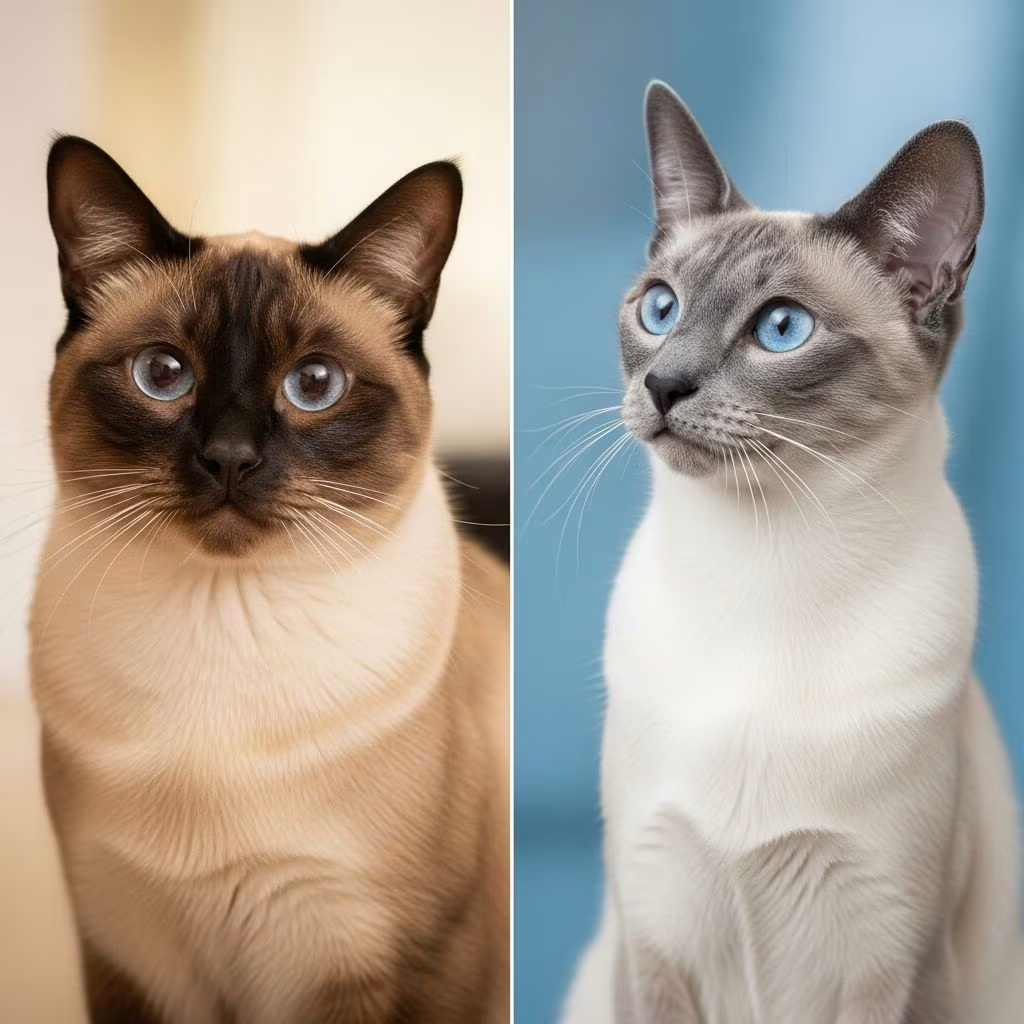
The Siamese cat breed captivates with its striking blue eyes, elegant pointed coats, and lively personalities. Within this breed, two main variations stand out: the **Applehead Siamese**, resembling the original Thai cats with rounded heads and sturdy builds, and the **Wedgehead Siamese**, known for their slim, angular modern show-cat appearance. Understanding these differences helps prospective owners choose the right companion based on looks, lifestyle fit, and care requirements.
Origins and Evolution of Siamese Variations
Siamese cats trace their roots to Thailand, where they were revered as temple guardians and royal pets. Early imports to the West in the late 19th century featured robust bodies and rounded faces, now preserved in Applehead lines. Over decades, breeders selectively emphasized extreme slenderness and pointed features for cat shows, giving rise to Wedgehead Siamese. This shift prioritized aesthetics but sometimes at the cost of health and vitality.
Today, Applehead Siamese—also called Traditional or Old-Style Siamese—maintain the breed’s heritage look, while Wedgehead (or Modern Siamese) dominate competitions. Both share the signature color-point pattern, where cooler body areas like ears, paws, face, and tail develop darker shades on a lighter body. Kittens of both types are born cream-white, with points darkening as they grow due to the Himalayan gene’s temperature sensitivity.
Physical Traits: Head Shape, Body Type, and Size
Appearance is the most visible divider between these Siamese types. Applehead cats boast a broad, rounded skull resembling an apple, paired with a muscular, medium-sized frame, thicker neck, shorter tail, and smaller ears. Males weigh 8-11 pounds and stand 10-12 inches tall, with females slightly smaller. Their sturdy build gives a teddy-bear charm.
Wedgehead Siamese, conversely, feature a long, wedge-shaped head with sharp angles, elongated necks, slim tubular bodies, and large ears set far apart. They appear more athletic and delicate, often weighing 5-10 pounds with greater height variability. This sleek form results from targeted breeding for show standards.
| Feature | Applehead Siamese | Wedgehead Siamese |
|---|---|---|
| Head Shape | Rounded, apple-like | Long, angular wedge |
| Body Build | Muscular, robust | Slender, elegant |
| Weight (lbs) | 5-11 (males larger) | 5-10 |
| Ears | Medium, set close | Large, wide-set |
| Tail | Shorter, thicker | Long, whip-like |
Coat colors match across types: seal, chocolate, blue, lilac points, plus variations like red and tabby. Short, fine fur feels silky in both.
Temperament and Personality Differences
Both variations inherit the Siamese’s bold, people-oriented nature, but subtle temperament nuances emerge from their breeding paths. Applehead Siamese are affectionate, loyal, and playful, often forming deep bonds with one family member—sometimes children, whom they protect devotedly. They follow owners room-to-room, chirping demands for attention, play, or food. Their vocalizations range from melodic trills to insistent meows, earning them ‘talkative’ reputations.
Wedgehead Siamese share this sociability and intelligence but may lean more territorial or demanding due to their high-energy show-bred lines. They thrive on interaction, excelling in tricks and games, yet can become stressed alone. Both dislike solitude, potentially developing separation anxiety without companions or stimulation.
- Playfulness: High in both; love interactive toys, climbing, and puzzle feeders.
- Loyalty: Intense attachments, shadowing humans like dogs.
- Vocal Nature: Constant commentary on daily events—endearing or overwhelming.
- Sociability: Welcoming to family, kids, and pets if socialized early.
Health and Longevity Considerations
Applehead Siamese often enjoy superior health, living 15-20 years or more with fewer breed-specific issues thanks to diverse genetics avoiding extreme traits. Common concerns include dental disease, heart conditions, and amyloidosis, mitigated by regular vet care.
Wedgehead Siamese face higher risks from their slender builds: respiratory issues, gastrointestinal problems, and dental woes due to crowded teeth. Inbreeding for show looks amplifies hereditary conditions like hypertrophic cardiomyopathy. Lifespans average 10-15 years, shorter than Appleheads.
Preventive care is key for both:
- Annual vet exams and dental cleanings.
- Balanced diet to prevent obesity in Appleheads or malnutrition in Wedgeheads.
- Screening for genetic issues via DNA tests.
Care Essentials: Grooming, Exercise, and Training
Grooming Routines
Minimal for both: weekly brushing removes loose fur and distributes oils. Bathing is rare; focus on nail trims, ear cleaning, and dental hygiene with brushing or additives. Their short coats shed lightly year-round.
Exercise and Enrichment
Active hunters at heart, Siamese need 20-30 minutes daily play. Vertical spaces like cat trees, feather wands, and laser pointers engage their curiosity. Mental puzzles prevent boredom-induced mischief.
Training Potential
Highly trainable due to sharp minds. Use positive reinforcement for litter use, leash walking, or tricks. Appleheads may show slight stubbornness, but consistency wins.
Which Siamese Fits Your Lifestyle?
Families with Kids: Appleheads excel as gentle playmates, tolerant of roughhousing if taught boundaries.
Apartment Dwellers: Both adapt well but vocalize more in small spaces—consider noise tolerance.
Multi-Pet Homes: Social butterflies; introduce gradually to dogs or other cats.
Seniors or Quiet Homes: Appleheads’ calmer vibe suits better than energetic Wedgeheads.
Adoption and Breeding Tips
Seek reputable breeders emphasizing health testing, or rescue Appleheads from breed-specific groups. Kittens cost $800-$2000; adults less via shelters. Prioritize TICA-registered catteries for Traditional Siamese. Early socialization ensures well-adjusted adults.
Frequently Asked Questions (FAQs)
Are Applehead Siamese healthier than Wedgeheads?
Yes, generally; their less extreme build reduces genetic risks.
Do both types get along with dogs?
Often yes, with proper introductions; their dog-like loyalty aids.
How vocal are these cats?
Very—expect daily conversations about everything from meals to weather.
What’s the lifespan difference?
Appleheads: 15-20+ years; Wedgeheads: 10-15 years.
Can I keep them indoors only?
Absolutely; enrich with toys and perches to mimic outdoors.
References
- Applehead Siamese: Breed Info, Temperament & Adoption — WeRescue.pet. 2023. https://www.werescue.pet/breeds/applehead-siamese/
- Applehead Siamese Cat Breed Info: Pictures, Traits & Facts — Catster. 2024-01-15. https://www.catster.com/cat-breeds/applehead-siamese-cat/
- Applehead Siamese — All-About-Siamese-Cats.com. 2022. https://www.all-about-siamese-cats.com/applehead-siamese.html
- Traditional Siamese: Cat Breed FAQ — Fanciers.com. 2023-05-10. https://fanciers.com/cat-breeds-m-z/traditional-siamese-cat-breed-faq/
- Understanding the Distinctive Traits of Applehead Siamese vs Traditional Siamese Cats — Oreate AI Blog. 2024-08-20. https://www.oreateai.com/blog/understanding-the-distinctive-traits-of-applehead-siamese-vs-traditional-siamese-cats/2aa02c0bc140d202c929f442647d80d9



