

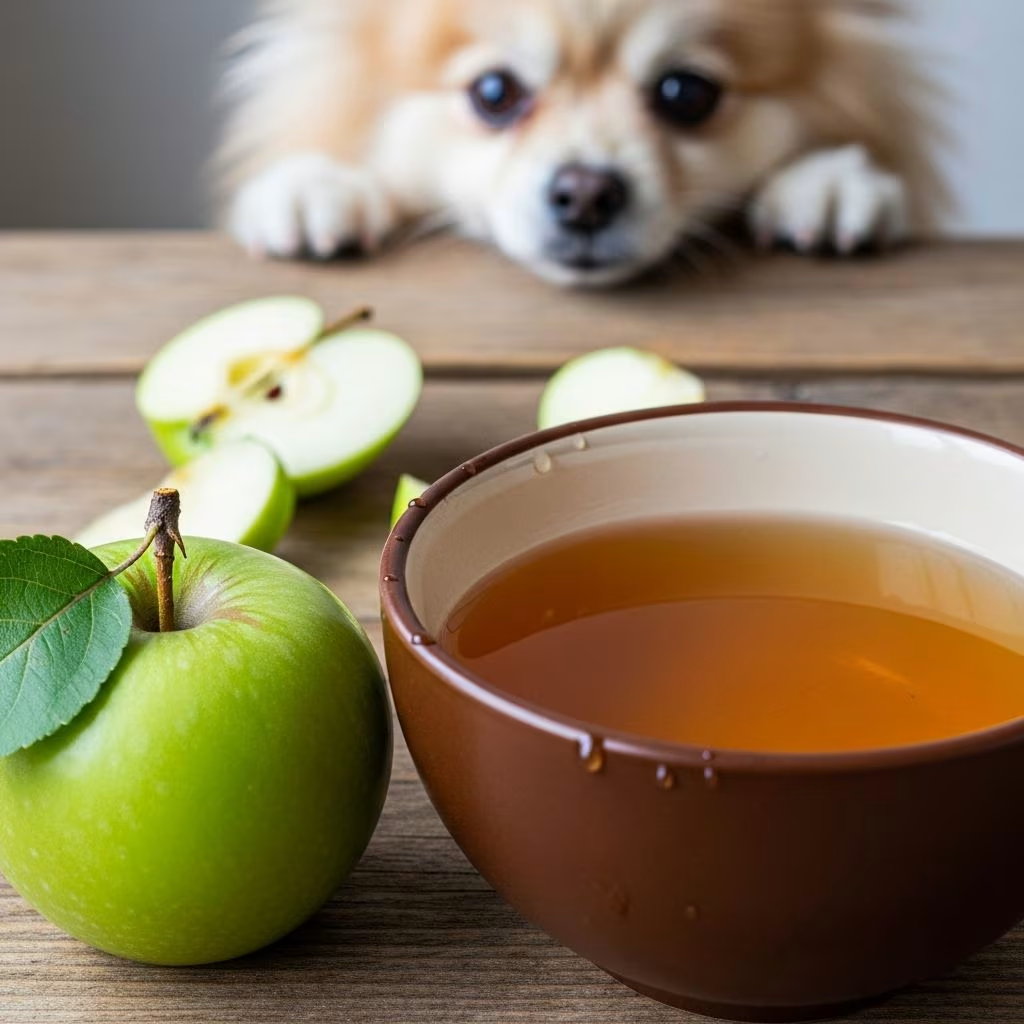
Apple cider vinegar (ACV) has gained popularity among pet owners as a versatile natural remedy for dogs. Derived from fermented apples, this tangy liquid offers acetic acid and beneficial enzymes that may support various aspects of canine health, from gut function to skin condition. When used correctly, ACV can complement a dog’s care routine, providing gentle support for common issues like digestive upset and irritation.
Why Choose Apple Cider Vinegar for Your Canine Companion?
Pet enthusiasts often turn to ACV for its multifaceted properties. The \”mother\”—a cloudy sediment in raw, unfiltered versions—contains live probiotics and enzymes that enhance its effects. Unlike processed vinegars, raw ACV retains these elements, making it preferable for topical and internal use in dogs. Its mildly acidic nature helps balance pH levels in the body and on the skin, promoting equilibrium without harsh chemicals.
Key Health Advantages of ACV for Dogs
Research and anecdotal evidence highlight several ways ACV benefits dogs. These advantages stem primarily from its acetic acid content, which exhibits antimicrobial qualities and aids metabolic processes.
Enhancing Digestive Function
One of the standout uses of ACV is as a digestive aid. It stimulates stomach acid production, facilitating better breakdown of proteins and nutrients. Dogs with low gastric acidity may experience improved nutrient absorption, reduced bloating, and firmer stools when ACV is introduced gradually. The prebiotic effects foster beneficial gut bacteria, potentially easing diarrhea and supporting overall microbiome health. Owners frequently note appetite improvements in picky eaters after consistent, diluted dosing.
Promoting Vibrant Skin and Coat
ACV excels in skin care by restoring the skin’s natural pH barrier, which can become disrupted by allergens, shampoos, or environmental factors. Diluted rinses soothe hot spots, itchy paws, and yeast overgrowth, reducing scratching and promoting a glossy coat. Its antiseptic properties help combat minor infections, making it a staple for allergy-prone pups.
Regulating Blood Sugar and Metabolic Health
For dogs prone to diabetes or obesity, ACV may assist in stabilizing blood glucose. Acetic acid slows carbohydrate conversion to sugar, enhancing insulin sensitivity and potentially lowering insulin needs in managed cases. Cardiovascular perks include reduced lipid levels and blood pressure support, contributing to long-term heart wellness.
Combating Joint Discomfort and Inflammation
Aging dogs or those with arthritis may find relief through ACV’s anti-inflammatory acetic acid. It lubricates joints, eases stiffness, and improves mobility when added to diets over time. This natural approach pairs well with exercise for senior canines.
Flea, Tick, and Microbial Defense
Topically, ACV repels parasites by creating an unfavorable skin environment for fleas and ticks. Its antimicrobial action targets bacteria like E. coli and Staphylococcus, as well as yeast such as Candida, aiding in ear cleaning and urinary tract support.
Safe Dosage Guidelines for Canine Use
Proper dosing prevents irritation from ACV’s acidity. Always dilute and start small to monitor tolerance.
- Internal Use: Add 1 teaspoon per 50 pounds of body weight to food or water daily. Puppies: half dose; small breeds: ¼–½ teaspoon.
- Topical Rinse: Mix 1:1 with water for skin sprays or baths. Avoid eyes and open wounds.
- Ear Cleaner: 1:1 dilution on cotton pads; wipe gently.
| Dog Size | Daily Internal Dose (diluted in food/water) | Topical Dilution Ratio |
|---|---|---|
| Small (<25 lbs) | ¼ tsp | 1:2 ACV:water |
| Medium (25–50 lbs) | ½ tsp | 1:1 |
| Large (>50 lbs) | 1 tsp | 1:1 |
Adjust based on response; consult a vet for chronic conditions.
Practical Applications and Recipes
Daily Dietary Boost
Mix ACV into meals for digestion and detox. Recipe: 1 tsp ACV + 1 cup water + splash of broth for palatability.
Skin Soother Spray
Combine equal parts ACV and water in a spray bottle. Mist post-bath for itch relief and shine.
Parasite-Repelling Dip
1 cup ACV + 1 gallon water for a full-body rinse weekly during flea season.
Joint Support Tonic
Blend ACV with turmeric and honey (dog-safe amounts) for an anti-inflammatory drink.
Potential Risks and When to Avoid ACV
While beneficial, ACV isn’t suitable for all dogs. Its acidity can erode tooth enamel or irritate stomachs if undiluted. Avoid in cases of ulcers, kidney issues, or if on medications affecting pH. Monitor for vomiting or lethargy; discontinue if observed. Pregnant dogs or those with pancreatitis should skip it[10]. Raw ACV only—filtered versions lack probiotics.
Quality Selection Tips
- Opt for organic, raw, unpasteurized with visible mother.
- Dark glass bottles preserve potency.
- Smell for fruity tang; avoid clear, overly sharp varieties.
Frequently Asked Questions
Can puppies have apple cider vinegar?
Yes, in tiny, diluted amounts after weaning, but consult a vet first.
Does ACV kill fleas instantly?
No, it repels and deters; combine with thorough grooming.
How long until benefits appear?
1–2 weeks for digestion/skin; consistent use yields best results.
Is ACV safe with medications?
Possibly, but check with a vet, especially for diabetes or blood thinners.
Can I use white vinegar instead?
No—lacks ACV’s enzymes and nutrients; stick to apple-based.
Integrating ACV into Holistic Dog Care
ACV shines in holistic routines alongside quality diet, exercise, and probiotics. Track progress with a journal noting stool quality, energy, and coat changes. Pair with omega-3s for skin or fiber for digestion synergy. While not a cure-all, its affordability and ease make it a worthwhile trial for many dogs.
Veterinary oversight ensures safety, especially for tailored advice. Many holistic vets endorse diluted ACV as a low-risk adjunct therapy.
References
- 3 Simple Ways Apple Cider Vinegar Can Help Your Dog — Dogs Naturally Magazine. 2023. https://www.dogsnaturallymagazine.com/3-simple-ways-apple-cider-vinegar-can-help-your-dog/
- Benefits of Apple Cider Vinegar for Dogs — Four Leaf Rover. 2024. https://fourleafrover.com/blogs/natural-health/benefits-of-apple-cider-vinegar-for-dogs
- Apple Cider Vinegar for Dogs – Discover The Benefits and Precautions — Bonza Dog. 2025-05. https://www.bonza.dog/2025/05/apple-cider-vinegar-for-dogs-discover-the-benefits-and-precautions/
- 8 Proven Benefits of Apple Cider Vinegar for Dogs — Canidae. 2024. https://canidae.com/blog/8-proven-benefits-of-apple-cider-vinegar-for-dogs
- Apple Cider Vinegar for Dogs: Benefits and Uses — Dragonfly Products. 2023. https://dragonflyproducts.co.uk/blogs/help-advice/apple-cider-vinegar-for-dogs



