

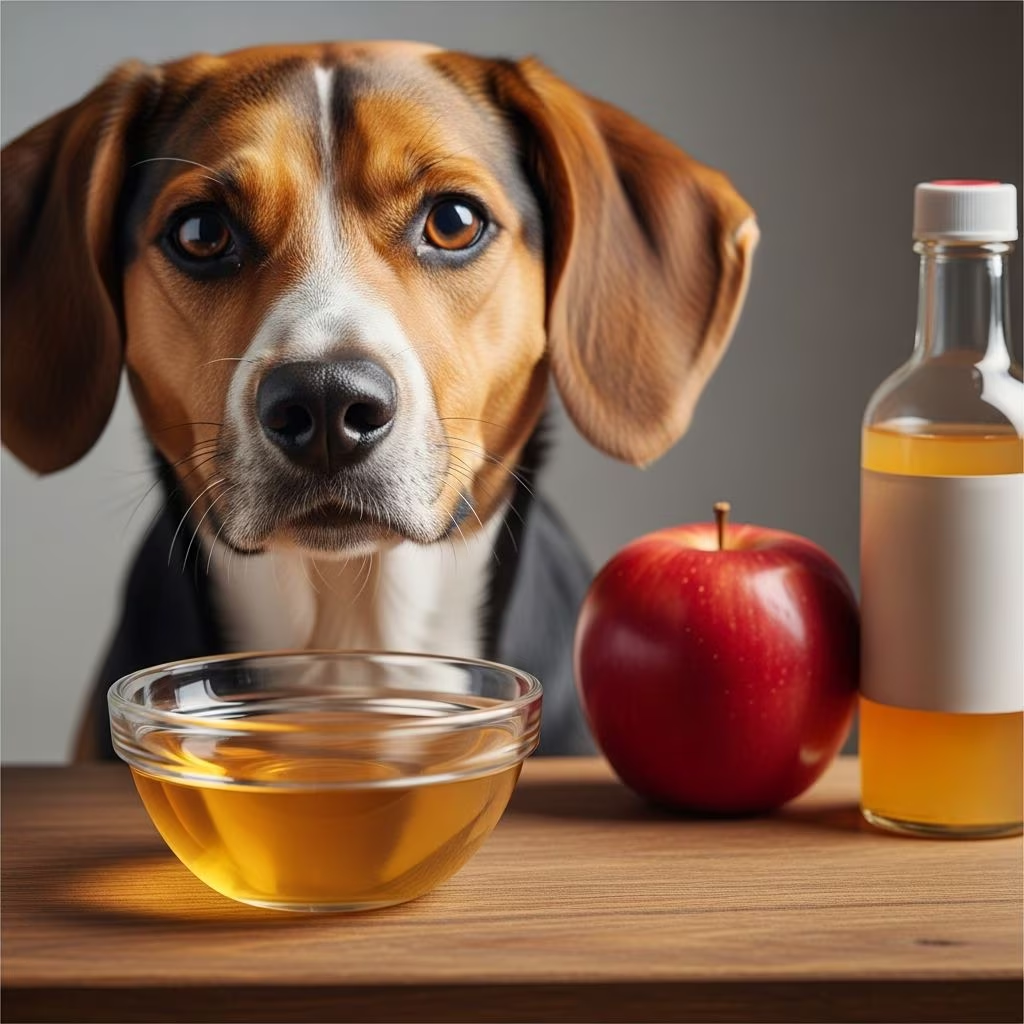
Apple Cider Vinegar for Dogs: Is It Safe?
Apple cider vinegar (ACV) has become increasingly popular among pet owners looking for natural remedies to support their dogs’ health. From digestive support to skin health, many dog owners turn to this common kitchen staple as a supplement to their pets’ diet. However, the question remains: is apple cider vinegar truly safe for dogs? While ACV isn’t technically toxic to dogs, understanding its proper use, potential benefits, and associated risks is essential before adding it to your dog’s routine.
Understanding Apple Cider Vinegar
Apple cider vinegar is produced through the fermentation of apple cider, creating a product rich in acetic acid and beneficial compounds. The fermentation process creates enzymes, beneficial bacteria, and nutrients that proponents claim offer various health benefits. The primary active component in ACV is acetic acid, which is responsible for many of its purported health properties. Additionally, raw, unfiltered apple cider vinegar contains “the mother”—a colony of beneficial bacteria and yeast—that many believe enhances its therapeutic potential.
Potential Benefits of Apple Cider Vinegar for Dogs
While scientific evidence is limited, multiple studies and anecdotal reports suggest that apple cider vinegar may offer several health benefits when used appropriately in dogs.
Digestive Health Support
One of the most commonly cited benefits of apple cider vinegar for dogs is improved digestive health. ACV may support digestion by increasing stomach acid production, which is essential for breaking down proteins and activating digestive enzymes. For dogs with low stomach acid production, this enhancement can improve nutrient absorption and reduce digestive discomfort. The acetic acid content helps maintain optimal stomach pH levels, promoting better food breakdown and nutrient liberation.
Beyond stomach acid enhancement, apple cider vinegar contains prebiotic compounds, particularly pectin, that nourish beneficial bacteria in the gut. Since approximately 90% of a dog’s immune system resides in the gut, supporting healthy gut flora through prebiotics can have far-reaching effects on overall health. Many dog owners report improved stool consistency, reduced gas, and diminished bloating within 1-2 weeks of consistent ACV use.
Antimicrobial Properties
Research suggests that apple cider vinegar possesses antimicrobial properties that may help restrict the growth of harmful bacteria and yeast. Specifically, ACV has shown effectiveness against E. coli, Staphylococcus aureus, and Candida albicans. This antimicrobial action may support dogs struggling with urinary tract infections or other bacterial-related health concerns. The acetic acid in ACV creates an environment less hospitable to pathogenic microorganisms while supporting beneficial bacteria growth.
Blood Sugar Regulation
Studies indicate that apple cider vinegar may help regulate blood sugar levels in dogs over 8 to 12 weeks of consistent use. This potential benefit is particularly valuable for dogs with diabetes or those at risk of developing this condition. For dogs already diagnosed with diabetes, regular ACV supplementation may even reduce insulin requirements, though this should always be monitored closely by a veterinarian.
Cardiovascular Health
The acetic acid in apple cider vinegar may contribute to better heart health by reducing elevated lipid levels and helping regulate blood pressure in dogs. These cardiovascular benefits could support longevity and quality of life, particularly in aging dogs or those with existing heart concerns.
Weight Management and Oxidative Stress Reduction
Apple cider vinegar may help reduce oxidative stress associated with obesity, which occurs when free radicals damage cells throughout the body. By minimizing these oxidative stressors, ACV could lower the risk of obesity-related diseases in dogs.
Skin and Coat Health
Rich in B vitamins and antioxidants, apple cider vinegar may support healthy skin and coat condition in dogs. These nutrients contribute to energy conversion, healthy cell membranes, and protection against cellular damage caused by free radicals.
Safety Concerns and Risks
Despite potential benefits, apple cider vinegar carries important safety considerations that dog owners must understand before implementation.
Gastrointestinal Upset
One of the primary concerns with apple cider vinegar for dogs is gastrointestinal irritation. The acidity of undiluted ACV can cause stomach upset, vomiting, diarrhea, or other digestive disturbances. This risk increases significantly if ACV is given in excessive quantities or without proper dilution.
Tooth Enamel Erosion
The acidic nature of apple cider vinegar can potentially damage tooth enamel over time, leading to dental issues. This is particularly concerning if ACV is not diluted adequately or if administered too frequently.
Potential Medication Interactions
Apple cider vinegar may interact with certain medications, particularly those used to manage diabetes or heart conditions. Since ACV can affect blood sugar and blood pressure levels, dogs on medications regulating these parameters require veterinary monitoring.
Not Suitable as a Beverage
Apple cider vinegar is not recommended as a drinking water supplement for dogs. Giving undiluted ACV as a regular drink can lead to serious gastrointestinal issues and electrolyte imbalances.
Proper Dosage and Administration Guidelines
If your veterinarian approves apple cider vinegar supplementation, proper dilution and dosing are critical for safety.
Recommended Dosing by Dog Size
General guidelines for ACV administration include:
- Small dogs (up to 10kg): Start with 1/4 teaspoon mixed into food
- Medium to large dogs (up to 45kg): Start with 1 teaspoon mixed into food
- Large dogs: Gradually increase up to a maximum of 1 tablespoon daily
Dilution Methods
Always dilute apple cider vinegar before giving it to your dog. Common dilution methods include:
- Mixing ACV with water in a 1:1 ratio or greater dilution
- Adding diluted ACV to wet food rather than dry kibble
- Combining ACV with bone broth for improved palatability and added nutrients
- Never adding ACV to drinking water as a continuous supplement
Gradual Introduction
Introduce apple cider vinegar gradually to your dog’s diet. Begin with smaller doses than recommended and monitor your dog for any adverse reactions over several days before increasing the amount. This gradual approach allows the digestive system to adapt and helps identify whether your dog tolerates ACV well.
When NOT to Use Apple Cider Vinegar
Certain dogs should not receive apple cider vinegar supplementation. Consult your veterinarian if your dog:
- Has a history of gastrointestinal upset or sensitive stomach
- Takes medications for diabetes or heart conditions
- Has existing dental problems or tooth sensitivity
- Is pregnant or nursing
- Is very young or elderly without veterinary approval
- Has kidney disease or urinary complications
- Is already taking supplements or medications
Choosing Quality Apple Cider Vinegar
If you decide to use ACV for your dog, product quality matters significantly. Look for:
- Raw, unfiltered apple cider vinegar containing “the mother”
- Organic certification to minimize pesticide exposure
- No added sugars or artificial ingredients
- Products specifically formulated for pets when available
- Reputable brands with transparent sourcing and manufacturing practices
Evidence-Based Perspective
While anecdotal reports of apple cider vinegar benefits are abundant, scientific evidence in dogs remains limited. Most studies on ACV benefits have been conducted in humans or laboratory animals, not specifically in dogs. Many claims about ACV’s miraculous properties lack robust clinical evidence. However, the presence of beneficial compounds and the low toxicity profile suggest that small amounts of diluted ACV are unlikely to cause harm when used appropriately under veterinary guidance.
Alternatives and Complementary Approaches
If you’re hesitant about apple cider vinegar or your dog doesn’t tolerate it well, several alternatives support similar health goals:
- Probiotic supplements: Directly provide beneficial bacteria without acidity concerns
- Digestive enzymes: Support nutrient breakdown and absorption
- Bone broth: Offers amino acids and gelatin for gut health
- Pumpkin puree: Supports digestive regularity naturally
- Fish oil supplements: Provide omega-3 fatty acids for skin and heart health
- Prebiotic fiber sources: Nourish beneficial gut bacteria
Frequently Asked Questions (FAQs)
Q: Can I give my dog apple cider vinegar every day?
A: While some dogs tolerate daily small amounts of diluted ACV, this should only be done under veterinary supervision. Consistent daily use may increase the risk of tooth enamel erosion and gastrointestinal issues. Most experts recommend occasional use rather than daily supplementation.
Q: How long does it take to see results from apple cider vinegar in dogs?
A: Many dog owners report noticing improvements in digestion, stool consistency, and energy levels within 1-2 weeks of consistent use. However, benefits like blood sugar regulation may take 8-12 weeks to become apparent. Results vary significantly between individual dogs.
Q: Is raw apple cider vinegar better than pasteurized for dogs?
A: Raw, unfiltered apple cider vinegar containing “the mother” is generally considered more beneficial due to its living cultures and enzymes. However, raw ACV may carry a slightly higher risk of contamination. Ensure any raw ACV is from a reputable source and stored properly.
Q: Can puppies have apple cider vinegar?
A: Puppies should not receive apple cider vinegar without explicit veterinary approval. Their digestive systems are still developing, and ACV’s acidity could cause upset. Wait until your puppy is fully developed before considering ACV supplementation.
Q: Will apple cider vinegar help my dog’s itchy skin?
A: While some evidence suggests ACV’s antimicrobial properties may support skin health, evidence specifically for itching is limited. Topical diluted ACV rinses may be helpful for some dogs, but internal supplementation for skin issues should be discussed with your veterinarian, as itching often indicates underlying conditions requiring specific treatment.
Q: What if my dog has an adverse reaction to apple cider vinegar?
A: If your dog experiences vomiting, diarrhea, lethargy, or any concerning symptoms after ACV administration, discontinue use immediately and contact your veterinarian. Never re-introduce ACV without professional guidance.
The Bottom Line
Apple cider vinegar is not toxic to dogs, but it’s also not as universally safe or beneficial as popular claims suggest. While the acetic acid and fermented compounds in ACV may offer modest digestive and health benefits, these potential advantages must be weighed against legitimate safety concerns including gastrointestinal upset, tooth enamel erosion, and possible medication interactions.
Before adding apple cider vinegar to your dog’s diet, consult with your veterinarian to discuss whether it’s appropriate for your specific dog’s health status, age, medications, and existing conditions. If your vet approves ACV supplementation, start with minimal amounts of properly diluted vinegar mixed into food, monitor your dog closely for any adverse reactions, and maintain regular veterinary check-ups.
Remember that apple cider vinegar should never replace veterinary care or prescribed medications. It may serve as a complementary supplement in some cases, but evidence-based treatments should always form the foundation of your dog’s healthcare plan. Your dog’s individual health needs, genetics, and medical history should guide all dietary decisions.
References
- Apple Cider Vinegar for Dogs – Discover The Benefits (and Precautions) — Bonza. 2025-05-01. https://www.bonza.dog/2025/05/apple-cider-vinegar-for-dogs-discover-the-benefits-and-precautions/
- Apple Cider Vinegar for Dogs: Benefits and Uses — Dragonfly Products. https://dragonflyproducts.co.uk/blogs/help-advice/apple-cider-vinegar-for-dogs
- Top Benefits Of Apple Cider Vinegar For Dogs — Dogs Naturally Magazine. https://www.dogsnaturallymagazine.com/3-simple-ways-apple-cider-vinegar-can-help-your-dog/
- Is Apple Cider Vinegar Good For Dogs? — Petfinder. https://www.petfinder.com/dogs-and-puppies/feeding/nutrition/apple-cider-vinegar-for-dogs/
- A complete guide to apple cider vinegar for dogs — Raw Paws. https://rawpaws.net/blogs/blog/a-complete-guide-to-apple-cider-vinegar-for-dogs
- Apple Cider Vinegar for Dogs: Is It Safe? — Chewy. https://www.chewy.com/education/dog/food-and-nutrition/nutrition-pet-diet-tips-apple-cider-vinegar-for-dogs
- Apple Cider Vinegar for Dogs — Whole Dog Journal. https://www.whole-dog-journal.com/care/non_traditional_healing/apple-cider-vinegar-for-dogs/



