

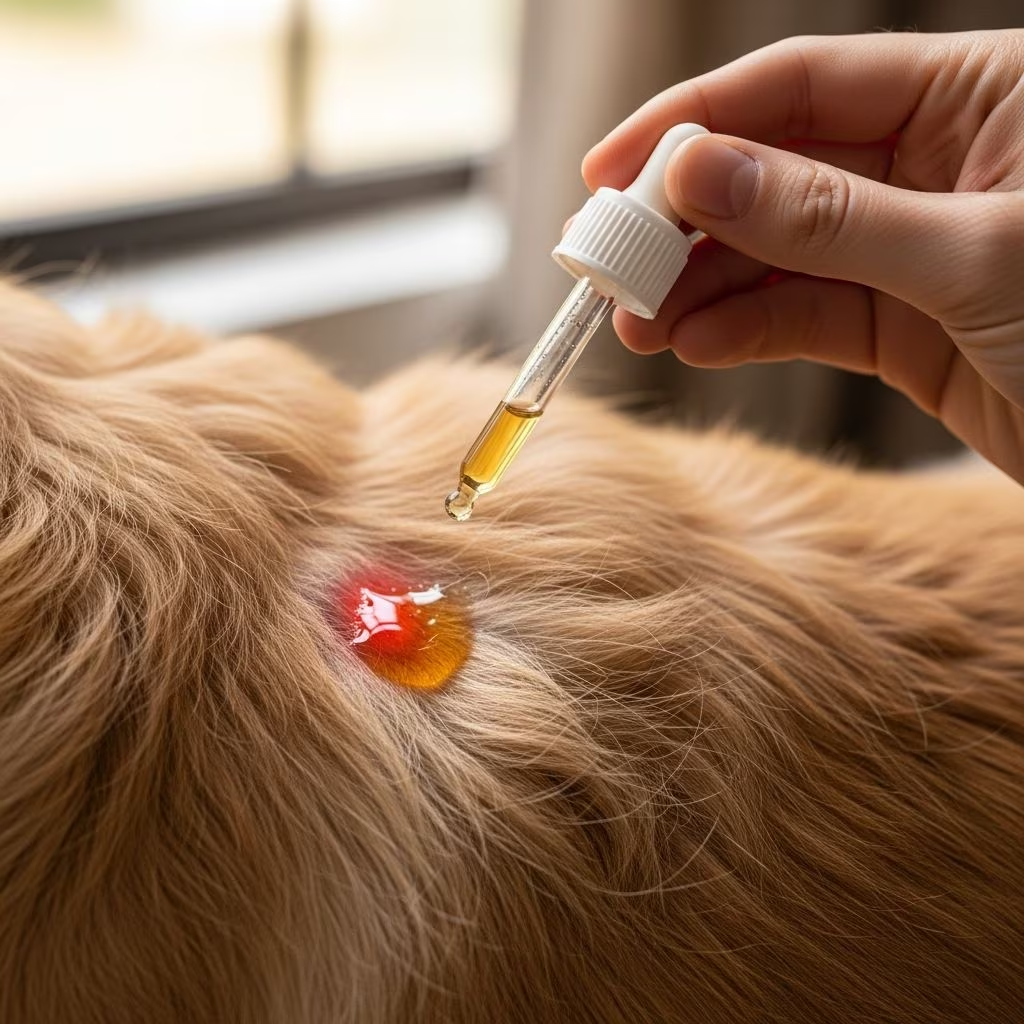
Hot spots, also known as acute moist dermatitis, are common skin conditions in dogs characterized by red, inflamed, oozing lesions that develop rapidly due to excessive licking, scratching, or chewing. These painful areas often stem from underlying issues like allergies, insect bites, or flea infestations, leading to secondary bacterial infections if untreated. While veterinary intervention is crucial for severe cases, apple cider vinegar (ACV) offers a natural, antimicrobial remedy that can help disinfect and dry out the affected area when used properly.
Understanding Hot Spots in Canine Skin
Hot spots typically appear as circular, raised patches of red, moist skin, often on the head, hips, or limbs. They spread quickly because dogs exacerbate the irritation through self-trauma, trapping moisture and bacteria under matted fur. Common triggers include seasonal allergies, poor grooming, water exposure, or stress-induced behaviors. Early recognition—marked by sudden onset of intense itching and hair loss—allows for prompt home management before professional care is needed.
- Visible signs: Red, swollen skin with pus or clear discharge.
- Behavioral clues: Frenzied licking, biting, or vocalizing in discomfort.
- Risk factors: Thick-coated breeds like Golden Retrievers or long-haired varieties prone to matting.
Preventing escalation involves immediate action: trimming fur to expose the lesion, cleaning thoroughly, and restricting access with barriers.
Why Apple Cider Vinegar Works for Hot Spots
ACV’s acetic acid content provides natural antibacterial, antifungal, and anti-inflammatory properties, making it ideal for combating the bacterial overgrowth in hot spots. Diluted properly, it restores skin pH balance, reduces itching, and promotes drying without harsh chemicals. Veterinary sources note its similarity to antiseptic solutions like chlorhexidine, though it’s best as a complementary remedy alongside standard care. Unlike steroid creams, ACV doesn’t risk systemic absorption issues when topically applied.
| Property | Benefit for Hot Spots |
|---|---|
| Antimicrobial | Kills bacteria causing secondary infection |
| Acidic pH | Dries moist lesions and deters licking |
| Anti-itch | Soothes inflammation naturally |
Preparing Safe Apple Cider Vinegar Solutions
Always use raw, unfiltered ACV with the ‘mother’ for maximum potency, as it contains beneficial enzymes and probiotics. Never apply undiluted ACV, which can burn sensitive skin. Standard dilution is 1:1 with water for sprays or soaks.
- Combine 1 part ACV with 1 part distilled water in a spray bottle.
- For sensitive areas, dilute further to 1:3 or add aloe vera gel for soothing.
- Shake well before each use; store in a cool, dark place for up to two weeks.
Test on a small unaffected area first to check for reactions, especially in dogs with open wounds.
Step-by-Step Application Guide
Effective treatment combines ACV with basic first aid to halt the itch-lick cycle.
Step 1: Clip and Clean the Area
Use electric clippers to remove fur at least 2 inches around the hot spot, avoiding scissors to prevent cuts. Gently wash with mild antiseptic like diluted chlorhexidine or saline, then pat dry.
Step 2: Apply ACV Solution
Spray or dab the diluted ACV directly on the lesion 2-3 times daily. Allow to air dry; do not rinse. This draws out moisture while disinfecting.
Step 3: Prevent Licking
Fit an Elizabethan collar (cone) or use a recovery suit to block access. Cover with a clean sock if on a limb, secured loosely.
Step 4: Monitor Progress
Improvement should show within 24-48 hours: reduced redness and swelling. Reapply as needed, but discontinue if irritation worsens.
For full-body support, add 1 teaspoon ACV per quart to bath water weekly, aiding overall skin health.
Combining ACV with Other Natural Remedies
Enhance ACV’s effects with complementary options for holistic care.
- Aloe Vera: Mix with ACV for cooling relief; its chromones fight inflammation.
- Coconut Oil: Apply sparingly post-ACV drying for moisturizing barrier, but orally dosed versions prevent licking issues.
- Oatmeal Baths: Soothe allergies triggering hot spots before ACV treatment.
Avoid over-the-counter Neosporin if using ACV, as dogs often lick it off, spreading bacteria.
When to Seek Veterinary Help
While ACV aids mild cases, consult a vet for hot spots larger than a quarter, with fever, lethargy, or no improvement in 2 days. Professionals may prescribe oral antibiotics, steroids like prednisone, or allergy meds. Sedation might be needed for clipping painful areas.
- Deep pus pockets or foul odor indicate severe infection.
- Recurrent hot spots signal allergies or fleas needing diagnostics.
Preventing Future Hot Spots Naturally
Address root causes to minimize recurrence. Regular flea preventives, hypoallergenic diets, and weekly grooming keep skin dry and healthy.
| Prevention Strategy | Frequency | Benefit |
|---|---|---|
| Brush coat thoroughly | Daily | Removes allergens, prevents matting |
| ACV in drinking water | 1 tsp/gallon | Boosts immunity, balances pH |
| Seasonal allergy management | Year-round | Reduces itch triggers |
| Dry after swimming | Immediately | Avoids moisture buildup |
Breeds like Labs or St. Bernards benefit from professional grooming using fear-free techniques.
Potential Risks and Precautions
ACV is safe for most dogs but can sting open wounds—dilute more if yelping occurs. Not for deep infections or post-surgical sites. Allergic reactions are rare but watch for increased redness. Pregnant dogs or puppies under 6 months should use under vet guidance.
FAQs on ACV for Dog Hot Spots
Q: How often can I apply ACV to a hot spot?
A: 2-4 times daily until dry, then taper to maintenance.
Q: Can ACV replace vet antibiotics?
A: No, for moderate-severe cases, combine with prescribed meds.
Q: Is organic ACV necessary?
A: Yes, for the mother culture’s probiotics and enzymes.
Q: What if my dog hates the spray?
A: Use a cotton pad to dab gently.
Q: How long until healing?
A: 3-7 days with consistent care.
Real Owner Experiences and Tips
Many guardians report success with ACV sprays stopping the cycle overnight when cones are used religiously. Pair with raw diets to tackle food allergies long-term. Track progress with photos for vet visits.
References
- Treating Hot Spots on your dog — FurEver Friends of North Carolina. 2023. https://fureverfriendsnc.org/treating-hot-spot-on-your-dog/
- First Aid for Hot Spots in Dogs — VCA Animal Hospitals. 2024-10-15. https://vcahospitals.com/know-your-pet/first-aid-for-hot-spots-in-dogs
- All You Need To Know About Hot Spots On Dogs — GoodRx. 2025-01-20. https://www.goodrx.com/pet-health/dog/hot-spots
- Hot Spots on Dogs: Causes, Treatment, and Home Remedies — PetMD. 2024-11-05. https://www.petmd.com/dog/general-health/hot-spots-dogs
- What To Do If Your Dog Has A Hot Spot: Causes & Treatments — Bulger Veterinary Hospital. 2024. https://www.bulgervet.com/blog/what-to-do-if-your-dog-has-a-hot-spot-causes-treatments
- Best Treatment Options for Hot Spots in Dogs — Butler Veterinary Hospital. 2024-08-12. https://www.butlervet.net/blog/1393020-best-treatment-options-for-hot-spots-in-dogs
- Hot Spots on Dogs: Signs, Treatment, and Prevention — American Kennel Club. 2025-02-10. https://www.akc.org/expert-advice/health/hot-spots-on-dogs/



