

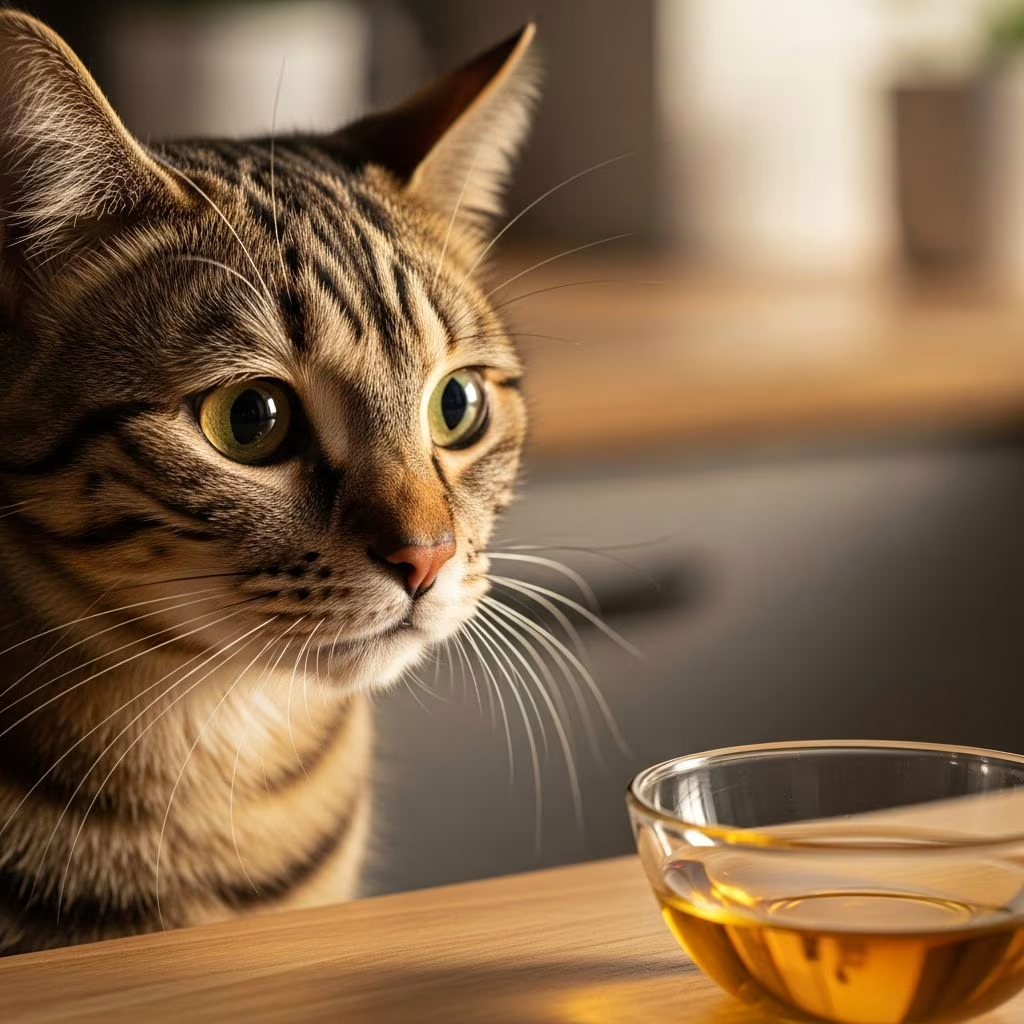
Apple cider vinegar is sometimes touted by pet owners as a natural remedy for various feline ailments, including upper respiratory infections (URIs), but veterinary experts emphasize evidence-based treatments over unproven home remedies. Feline URIs, often called “cat flu,” are common contagious conditions primarily caused by viruses, with supportive care and antibiotics for secondary infections forming the cornerstone of management.
Understanding Feline Upper Respiratory Infections
Upper respiratory infections in cats affect the nose, throat, and sinuses, mimicking human colds but with potentially serious outcomes in felines. These infections spread rapidly in multi-cat households, shelters, or catteries due to their high contagiousness via direct contact, shared litter boxes, or airborne droplets.
Primary culprits include viruses like feline herpesvirus type 1 (FHV-1) and feline calicivirus (FCV), which suppress the immune system and pave the way for bacterial overgrowth such as from Chlamydophila felis or Bordetella species. Kittens, seniors, and immunocompromised cats face higher risks, with symptoms ranging from mild sneezing to life-threatening pneumonia if untreated.
Common Signs Your Cat Has a URI
Early detection is crucial for timely intervention. Watch for these hallmark symptoms:
- Sneezing and nasal discharge: Clear at first, turning thick, yellow, or green as bacteria invade.
- Eye issues: Watery eyes, squinting, or pus-like discharge leading to conjunctivitis.
- Oral problems: Drooling, ulcers on tongue or gums, especially with calicivirus strains.
- Breathing difficulties: Wheezing, open-mouth breathing, or coughing in advanced cases.
- Behavioral changes: Lethargy, fever, reduced appetite, and dehydration from nasal congestion impairing smell.
If symptoms persist beyond 3-5 days or worsen, seek veterinary care immediately to rule out complications like chronic rhinitis or pneumonia.
Veterinary Diagnosis and Treatment Approaches
Diagnosis starts with a physical exam, history review, and possibly PCR tests, bloodwork, or imaging to identify pathogens and underlying issues like FIV/FeLV. Treatment is tailored to severity:
| Severity Level | Treatment Options | Expected Recovery |
|---|---|---|
| Mild (home care) | Supportive: humidification, eye wipes, appetite stimulants | 1-2 weeks |
| Moderate | Antibiotics (e.g., doxycycline, Clavamox), antivirals (famciclovir), lysine | 7-14 days with meds |
| Severe (hospitalization) | IV fluids, oxygen, feeding tubes, anti-inflammatories | 2-4 weeks, monitored |
Veterinarians recommend doxycycline as first-line for suspected bacterial URIs due to its broad efficacy against common pathogens. Viral cases focus on symptom relief since no cure exists for herpesvirus, which often recurs under stress.
The Role of Home Support in URI Recovery
Complement vet care with these proven at-home strategies to ease discomfort and speed healing:
- Humidify the air: Use a steamy bathroom (10-15 minutes, 2-3 times daily) or humidifier to loosen mucus.
- Clean gently: Wipe eyes/nose with warm, damp cloths or saline to prevent crusting.
- Boost nutrition: Offer warmed, aromatic canned food, toppers, or probiotics like FortiFlora; lysine supplements support immunity.
- Ensure rest: Isolate in a quiet, warm space; monitor hydration and encourage fluids.
Avoid over-the-counter human meds, as they can be toxic to cats.
Does Apple Cider Vinegar Actually Help?
Pet owners online often suggest diluting apple cider vinegar (ACV) in water for its purported antibacterial and antiviral properties, claiming it clears congestion or boosts immunity. However, no veterinary studies or guidelines endorse ACV for feline URIs. Its acidity risks esophageal irritation, dental erosion, or upsetting a compromised gut, especially in sick cats unwilling to drink flavored water.
While ACV shows mild antimicrobial effects in lab settings against some bacteria, feline URIs are predominantly viral, rendering it ineffective. Veterinary bodies like VCA and WebMD prioritize antibiotics, antivirals, and supportive care over folk remedies. If considering ACV, consult your vet first—but evidence favors standard protocols for safer, faster recovery.
Prevention: Stopping URIs Before They Start
Proactive measures slash infection risks:
- Vaccinations: Core FVRCP combo protects against FHV-1, FCV, and panleukopenia; boosters reduce severity.
- Hygiene protocols: Wash hands between cats, disinfect surfaces, use separate litter/food areas.
- Quarantine new cats: Isolate newcomers or sick pets for 2-3 weeks.
- Stress management: Provide enrichment, stable routines; stress reactivates latent herpesvirus.
- Health maintenance: Routine exams catch early issues; test for FIV/FeLV in at-risk cats.
Indoor-only lifestyles and spaying/neutering further minimize exposure.
Special Considerations for Kittens and Seniors
Kittens under 6 months and geriatric cats over 10 years are URI hotspots due to immature or waning immunity. Kittens may need bottle-feeding if nasal blocks prevent nursing, while seniors warrant dental checks, as oral disease exacerbates infections. Tailor prevention with gentler vaccines and frequent monitoring.
When to Rush to the Vet
Red flags demanding immediate care:
- Blue gums or labored breathing (emergency pneumonia risk).
- No eating/drinking for 24+ hours (dehydration).
- Severe eye swelling or corneal ulcers.
- Fever over 103°F or seizures.
Untreated URIs can lead to chronic issues like rhinitis or vision loss.
Frequently Asked Questions About Cat URIs
Can cats recover from URIs without antibiotics?
Yes, mild viral cases often self-resolve in 1-2 weeks with supportive care, but antibiotics target secondary bacteria.
Is cat URI contagious to humans?
No, feline viruses don’t transmit to people, though hygiene prevents pet-to-pet spread.
How long is a cat with URI contagious?
Up to 3 weeks, longer for carriers shedding virus intermittently.
Are natural remedies like ACV safe for URI cats?
Not recommended without vet approval; they lack evidence and may harm.
What’s the best vaccine for preventing cat URIs?
FVRCP, given as a series in kittens and boosted annually/triennially.
By focusing on vaccination, hygiene, and prompt vet intervention, cat owners can minimize URI impacts far better than relying on unverified remedies like apple cider vinegar.
References
- Feline Upper Respiratory Infection – Healthy Cats — WebMD. 2023. https://www.webmd.com/pets/cats/upper-respiratory-infection-cats
- Feline Upper Respiratory Infection — VCA Animal Hospitals. 2023. https://vcahospitals.com/know-your-pet/feline-upper-respiratory-infection
- Upper Respiratory Infection in Cats: What Pet Parents Should Know — PetMD. 2024. https://www.petmd.com/cat/condition/respiratory/upper-respiratory-infection-in-cats
- Upper Respiratory Infection (URI) in Cats: Causes, Treatments — Best Friends Animal Society. 2023. https://bestfriends.org/pet-care-resources/upper-respiratory-infection-uri-cats-causes-treatments
- Feline Upper Respiratory Infection (Cat Flu) — Trudell Animal Health. 2024. https://trudellanimalhealth.com/blogs/blog/feline-upper-respiratory-infection-cat-flu-what-it-is-signs-amp-symptoms-and-how-to-treat-it
- Antimicrobial use Guidelines for Treatment of Respiratory Tract Disease — PMC/NIH. 2017-02-01. https://pmc.ncbi.nlm.nih.gov/articles/PMC5354050/
- Cat Respiratory Infection: Urgent Signs, Causes, and Care Tips — GSVS. 2024. https://gsvs.org/blog/cat-respiratory-infection-emergency/



