

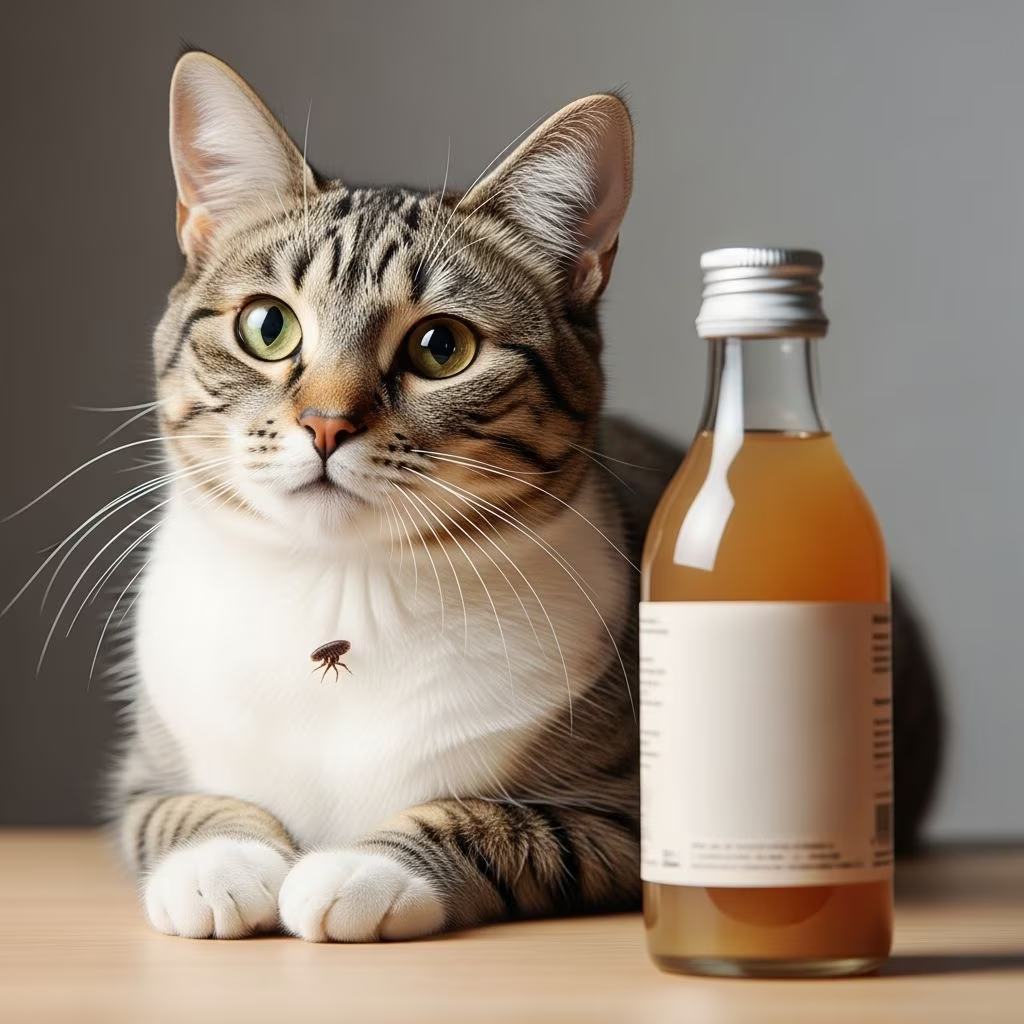
Fleas pose a significant threat to cats, causing discomfort, itching, and potential health issues like anemia or infections. Many pet owners seek natural remedies, with apple cider vinegar (ACV) often touted as a solution. However, ACV primarily repels fleas rather than killing them, making it a supplementary tool rather than a standalone treatment.
Understanding the Flea Problem in Cats
Fleas are tiny parasites that thrive on cats, feeding on blood and rapidly reproducing. A single flea can lead to hundreds more within weeks, infesting homes and affecting humans too. Symptoms include excessive scratching, hair loss, red skin, and in severe cases, tapeworm transmission or flea allergy dermatitis. Kittens and young cats are especially vulnerable, risking life-threatening anemia from heavy infestations.
Effective flea control requires targeting all life stages—eggs, larvae, pupae, and adults—across the pet, environment, and household. While commercial products dominate, natural options like ACV appeal to those wary of chemicals.
How Apple Cider Vinegar Interacts with Fleas
ACV, derived from fermented apples, contains acetic acid that creates an unpleasant environment for fleas. Its strong odor and taste deter fleas from staying on the cat’s coat, prompting them to jump off. Studies and veterinary insights confirm ACV does not kill fleas or their eggs; it merely repels them temporarily.
This repellent action stems from the vinegar’s acidity (around 5%), which irritates fleas without harming the cat when diluted properly. For best results, use raw, unfiltered ACV with the “mother”—a cloudy sediment rich in probiotics and enzymes.
Safe Methods to Apply ACV on Cats
Always dilute ACV to prevent skin irritation or ingestion issues. A common ratio is 1:1 (equal parts ACV and water) for sprays or wipes. Here’s how to use it effectively:
- Spray Solution: Mix 1 cup ACV with 1 cup water in a spray bottle. Lightly mist the cat’s fur, avoiding the face, eyes, and open wounds. Comb through afterward to remove fleeing fleas.
- Wipe-Down: Soak a soft cloth in the diluted mixture and gently wipe the coat, focusing on the neck, back, and tail base where fleas congregate.
- Bath Additive: Add 1/4 cup diluted ACV to bathwater with colloidal oatmeal for soothing baths. Rinse thoroughly.
- Flea Comb Dip: Dip a flea comb in the solution and comb the fur, wiping fleas off into soapy water.
- Environmental Spray: Use the same mix on bedding, carpets, and furniture to repel fleas from the home.
For kittens or nursing mothers, treat the entire family unit, as fleas spread easily. Start with patch tests on small areas to check for reactions.
Potential Health Benefits of ACV for Cats
Beyond fleas, ACV offers holistic perks when used sparingly. Its enzymes, vitamins, and minerals support feline wellness:
- Enhances immune function through probiotics in raw ACV.
- Promotes shiny coat and reduces dander or itchiness.
- Aids digestion and prevents urinary tract issues by acidifying the system mildly.
- Supports metabolism and may deter other parasites.
Some owners add tiny amounts (1/4 teaspoon per meal, diluted) to food or water, but veterinary consultation is essential to avoid digestive upset.
Risks and Side Effects to Watch For
While generally safe diluted, ACV isn’t risk-free. Cats may resent the pungent smell, leading to stress. Undiluted application burns sensitive skin, causing redness or excessive licking, which risks ingestion.
| Risk | Symptoms | Prevention |
|---|---|---|
| Skin Irritation | Redness, itching, rashes | Always dilute 1:1; patch test |
| Gastrointestinal Upset | Vomiting, diarrhea | Use tiny oral doses; monitor |
| Allergic Reaction | Hives, swelling | Stop use; see vet immediately |
| Ingestion from Licking | Drooling, appetite loss | Rinse after application |
Aspiration pneumonia is a rare but serious risk if forced orally. Cats with kidney issues or on medications should avoid it entirely.
Comparing ACV to Proven Flea Control Options
ACV falls short as a complete solution. Veterinary sources emphasize prescription preventatives for killing fleas at all stages.
| Method | Kills Fleas? | Kills Eggs? | Duration | Best For |
|---|---|---|---|---|
| ACV Repellent | No | No | Short-term | Mild cases, adjunct |
| Topical Spot-On (e.g., Revolution Plus) | Yes | Yes | Monthly | All stages prevention |
| Oral Preventatives | Yes | Indirect | Monthly | Heavy infestations |
| Dish Soap Bath | Partial | No | One-time | Immediate removal |
Combine ACV with vacuums, washes, and vet-approved products for comprehensive control.
Step-by-Step Flea Elimination Plan with ACV
- Assess Infestation: Check for flea dirt (black specks turning red in water) and live fleas.
- Environment Clean: Vacuum daily, wash bedding in hot water, spray diluted ACV on surfaces.
- Cat Treatment: Bathe with mild soap, apply ACV spray, flea comb repeatedly.
- Prevent Reinfestation: Use vet-recommended monthly preventative.
- Monitor: Watch for 2-4 weeks; consult vet if no improvement.
Frequently Asked Questions (FAQs)
Can I use ACV on kittens?
Yes, diluted ACV is safe for kittens over 8 weeks, but avoid eyes and wounds. Treat mothers too.
Does ACV kill flea eggs?
No, it only repels adults. Eggs require environmental cleaning.
How often should I apply ACV spray?
2-3 times weekly, or daily for heavy infestations, until fleas are gone.
Is raw ACV better than filtered?
Yes, raw unfiltered ACV contains beneficial ‘mother’ culture for added health perks.
What if my cat licks ACV off?
Diluted amounts are harmless, but excessive licking may cause stomach upset. Rinse if concerned.
Expert Tips for Long-Term Flea Prevention
Veterinarians like Dr. Brittany Kleszynski stress integrated pest management: consistent preventatives, yard maintenance, and prompt detection. Avoid over-relying on home remedies, as untreated fleas multiply fast. Year-round protection is crucial, even indoors.
For multi-pet homes, treat all animals and humans (check for bites). Natural supplements like diatomaceous earth can complement ACV in the environment.
References
- Will Apple Cider Vinegar Kill Fleas on Kittens? — MedicineNet. Accessed 2026. https://www.medicinenet.com/will_apple_cider_vinegar_kill_fleas_on_kittens/article.htm
- Home Remedies for Fleas and How To Help Your Cat — PetMD. Written by Brittany Kleszynski, DVM. Accessed 2026. https://www.petmd.com/cat/general-health/natural-flea-treatment-for-cats
- Apple Cider Vinegar for Fleas on Cats: Science-Based Truth — FurLife. Accessed 2026. https://getfurlife.com/blogs/news/apple-cider-vinegar-for-fleas-on-cats
- Does Apple Cider Vinegar Kill Fleas? — PetMD. Accessed 2026. https://www.petmd.com/dog/general-health/does-apple-cider-vinegar-kill-fleas
- How to give 2 CATS A BATH Natural flea control — YouTube (DIY Design Muse). 2019-09-22. https://www.youtube.com/watch?v=IC33H3-kOgE



