

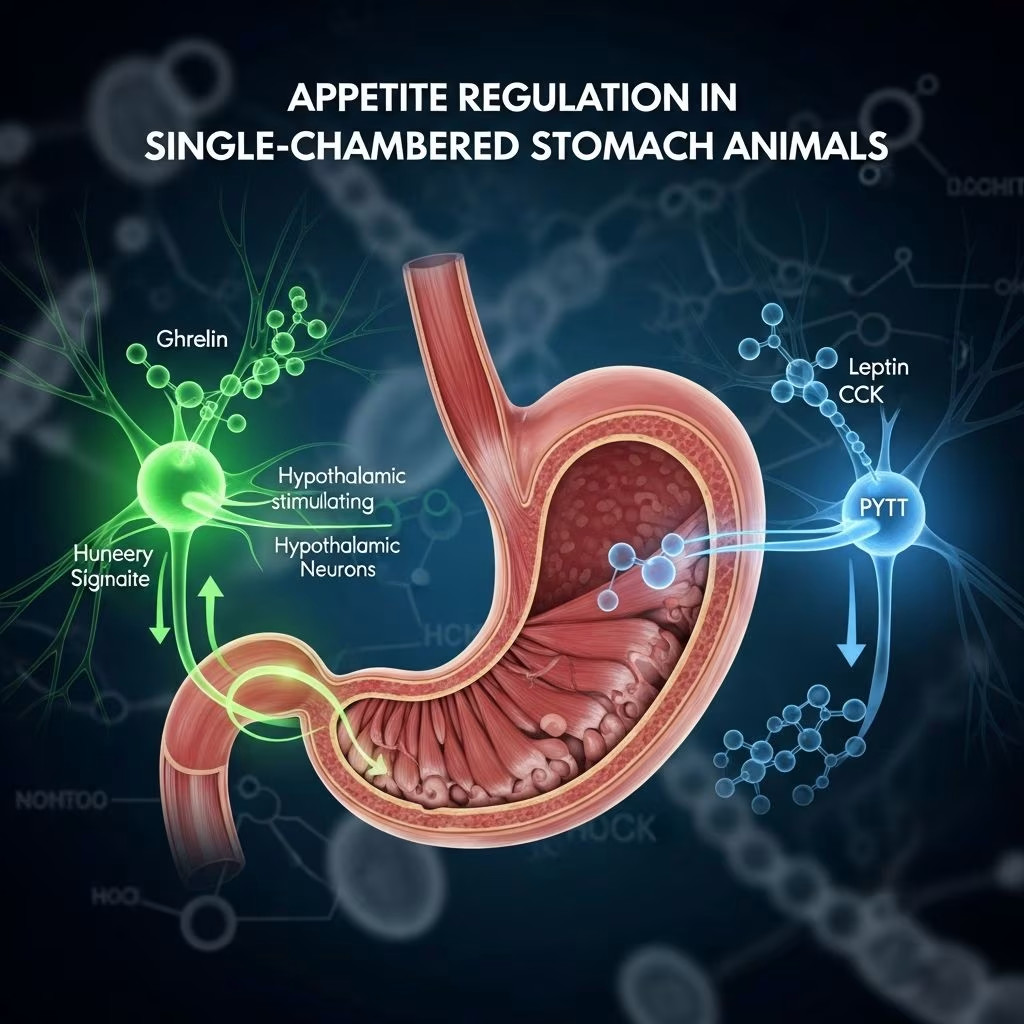
The management of feeding behavior in companion animals has become increasingly sophisticated with the development of targeted pharmacological interventions. Animals with single-chambered stomachs—including dogs, cats, and other domestic pets—experience appetite dysregulation due to various medical conditions, medications, and systemic diseases. Understanding how pharmaceutical agents modulate feeding behavior provides veterinary practitioners with essential tools to maintain patient health, support recovery during illness, and improve quality of life for animals with chronic conditions.
Understanding Appetite Control Mechanisms
Appetite regulation represents a complex interplay of neurological, hormonal, and chemical signaling systems. The hypothalamus serves as the primary control center, receiving signals from peripheral tissues and interpreting them to generate sensations of hunger or satiety. Multiple neurotransmitter systems participate in this regulation, including serotonin pathways, noradrenergic systems, and specialized receptors throughout the central and peripheral nervous system. When these systems function optimally, animals maintain consistent feeding patterns and appropriate body weight. However, disease states, aging, medication side effects, and metabolic disorders can disrupt these delicate mechanisms, resulting in decreased or absent appetite.
Pharmacological interventions targeting appetite function in monogastric animals work through distinct mechanisms. Some agents enhance hunger signaling, promoting food intake and subsequent weight gain, while others reduce appetite to prevent excessive consumption in cases of metabolic dysfunction. The choice of therapeutic agent depends on the underlying cause of appetite dysregulation, the animal’s medical status, and the desired clinical outcome.
Central Appetite-Stimulating Pharmaceuticals
Mechanisms of Hunger Enhancement
Appetite-stimulating medications work primarily through central nervous system pathways, modulating receptors and neurotransmitters involved in feeding behavior regulation. These agents enhance the sensation of hunger or remove inhibitory signals that suppress feeding. The most commonly utilized appetite stimulants in veterinary practice target multiple receptor systems simultaneously, producing rapid and measurable increases in food consumption.
The tetracyclic antidepressant class represents one of the most widely studied categories of appetite stimulants. These agents exert their effects through antagonism of specific serotonin and histamine receptors known to suppress appetite when activated. Additionally, they enhance noradrenergic transmission through presynaptic mechanisms, further promoting feeding motivation. The multitarget approach of these medications makes them particularly effective for animals with complex medical presentations where appetite suppression results from multiple physiological mechanisms.
Receptor-Based Appetite Enhancement
Ghrelin-receptor agonists represent a newer class of appetite-stimulating agents that directly activate the biological hunger signal. These medications mimic the action of ghrelin, a hormone naturally produced by the gastrointestinal tract that promotes feeding behavior and growth. When ghrelin receptors are activated pharmacologically, animals experience an enhanced sensation of hunger and demonstrate significantly increased food consumption. Research in monogastric animals has demonstrated that ghrelin agonists produce consistent weight gain in both healthy animals and those with medical conditions causing anorexia.
In controlled clinical trials, animals receiving ghrelin-receptor agonists showed substantial improvements in appetite scores as assessed by caretakers, with the majority of treated animals demonstrating measurable weight gain within short treatment periods. These agents also stimulate growth hormone release through the same receptor mechanism, producing additional metabolic benefits beyond appetite stimulation alone.
Clinical Applications of Appetite Stimulation
Short-Term Therapeutic Use
Appetite-stimulating medications serve critical functions in acute medical scenarios. Animals hospitalized for diagnostic evaluation, surgical procedures, or acute illness frequently experience inappetence due to stress, pain, or direct effects of their underlying condition. Appetite stimulants administered during these episodes facilitate nutritional support while definitive diagnostic testing and treatment protocols are established. This approach reduces the need for artificial feeding methods and allows animals to meet caloric requirements through natural eating.
The temporary use of appetite stimulants also applies to situations where other medications produce anorexia as a side effect. Chemotherapeutic agents, antibiotics, and other systemic medications may suppress appetite, reducing an animal’s ability to maintain adequate nutrition during treatment. Concurrent appetite stimulation helps preserve body condition and muscular mass, supporting overall treatment outcomes and recovery.
Chronic Disease Management
Certain chronic conditions necessitate long-term appetite stimulation to maintain nutritional status and quality of life. Chronic kidney disease represents a primary indication for sustained appetite-stimulating therapy, as the condition produces uremia and metabolic acidosis that suppress feeding behavior. Animals with this diagnosis benefit from appetite enhancement that supports consistent caloric intake despite their underlying disease. Similarly, patients with malignancies frequently experience appetite dysregulation as tumors alter metabolic function and release appetite-suppressing factors.
In diabetic animals with inconsistent appetites, appetite stimulants help establish more predictable feeding patterns, facilitating better blood glucose regulation through consistent carbohydrate and caloric intake. The medications allow veterinarians to maintain body condition in patients whose diseases would otherwise lead to progressive weight loss and muscle wasting.
Pharmacological Suppressants of Appetite
Serotonergic Appetite Inhibition
In contrast to appetite stimulation, certain medical conditions require reduction of feeding behavior to prevent excessive weight gain and associated complications. Medications that enhance serotonergic signaling in appetite-control centers reduce the sensation of hunger and promote satiety. These agents work by increasing synaptic serotonin concentrations or directly activating serotonin receptors known to inhibit feeding. The result is diminished food-seeking behavior and reduced overall caloric consumption.
Appetite suppressants find particular utility in overweight or obese monogastric animals where excess weight contributes to or exacerbates other medical conditions. By pharmacologically reducing appetite, veterinarians can help animals achieve weight loss despite their behavioral predisposition toward excessive eating. These agents prove especially valuable in animals unable or unwilling to accept dietary restriction alone.
Considerations in Suppressant Use
While appetite suppressants address overeating behaviors, their use requires careful clinical judgment. Veterinarians must distinguish between pathological appetite suppression requiring treatment and excessive appetites requiring pharmaceutical reduction. Additionally, appetite suppressants should be combined with behavioral modifications and dietary adjustments for optimal outcomes. Long-term use demands regular monitoring to ensure the animal maintains adequate nutrition while achieving desired weight reduction.
Pharmacokinetic Considerations in Monogastric Animals
Species-Specific Metabolism
The pharmacokinetics of appetite-modulating agents varies substantially between monogastric species, necessitating species-appropriate dosing strategies. Cats, for instance, demonstrate non-linear pharmacokinetics with certain appetite stimulants, meaning that metabolism does not increase proportionally with dose escalation. This phenomenon likely reflects saturation of hepatic enzyme systems at higher concentrations, requiring dose adjustments in elderly animals or those with hepatic compromise.
Dogs metabolize appetite-modulating drugs through pathways similar to humans but with significantly shorter half-lives, necessitating more frequent dosing to maintain therapeutic blood concentrations. Guinea pigs and other laboratory monogastric species demonstrate even more rapid metabolism, requiring dosing intervals as frequent as every 8 hours to maintain effective appetite stimulation. These pharmacokinetic differences underscore the importance of species-specific dosing recommendations.
Drug Accumulation and Chronic Administration
Long-term administration of appetite-modulating medications requires monitoring for potential accumulation and associated toxicity. In some species and with certain agents, chronic dosing can lead to elevated plasma concentrations despite stable dosing, increasing the risk of adverse effects. Veterinarians must adjust dosing intervals for geriatric animals, those with renal dysfunction, and patients with hepatic disease, as these conditions impair drug elimination.
Adverse Effects and Safety Considerations
Common Side Effects of Appetite Stimulants
Appetite-stimulating medications generally demonstrate favorable safety profiles in monogastric animals when used at recommended doses. However, certain adverse effects warrant clinical attention. Some appetite stimulants produce mild elevations in liver enzymes (ALT and ALP) and mild anemia with chronic administration. These effects remain largely subclinical in most animals but necessitate periodic laboratory monitoring, particularly in patients receiving long-term therapy.
Behavioral changes may occur with certain appetite-modulating agents, particularly those affecting serotonergic and noradrenergic systems. Some animals demonstrate increased vocalization, enhanced activity levels, or altered social interactions. These effects generally prove mild and transient but should be discussed with animal caretakers to ensure medication tolerance.
Hepatotoxicity and Special Populations
Specific appetite-modulating agents carry risk of severe hepatic toxicity and require careful consideration in certain populations. Repeated oral administration of some benzodiazepine-class appetite stimulants has been associated with potentially fatal hepatic necrosis in cats, making these agents inappropriate for chronic use in this species. Similarly, animals with pre-existing hepatic dysfunction require dose reduction or alternative therapeutic approaches.
Drug Interactions and Contraindications
Appetite-modulating medications may interact with other therapeutic agents, particularly those affecting hepatic metabolism or sharing receptor targets. Veterinarians must review complete medication lists before prescribing appetite-altering drugs. Additionally, certain patient populations—including animals with uncontrolled hypertension, cardiac arrhythmias, or specific endocrine disorders—may require alternative approaches or dose modifications.
Alternative Administration Routes
Transdermal Delivery Systems
Research has explored transdermal delivery of appetite-stimulating medications as an alternative to oral administration. Transdermal formulations offer potential advantages including bypassing hepatic first-pass metabolism and providing sustained drug delivery. Preliminary studies demonstrated that transdermal preparations achieved clinically relevant serum concentrations without requiring higher doses than oral formulations, while also improving patient compliance by reducing the frequency of direct medication administration.
However, transdermal preparations present significant challenges. Commercially available compounded gels demonstrate variable accuracy in drug concentration, and contamination risks exist during manufacturing. Until standardized, pharmaceutical-grade transdermal formulations become available, oral administration remains the preferred delivery route for most appetite-modulating agents.
Injectable Alternatives for Hospitalized Patients
Certain injectable medications provide short-term appetite enhancement in hospitalized anorexic animals unable or unwilling to take oral medications. Injectable benzodiazepines and other sedative agents temporarily increase appetite by enhancing the sensory characteristics of food through central nervous system effects. These approaches prove valuable in acute settings but lack utility for chronic management due to their short duration of action and associated sedation.
Comparative Efficacy and Selection Criteria
| Medication Class | Mechanism of Action | Onset of Effect | Duration | Primary Indications |
|---|---|---|---|---|
| Tetracyclic Antidepressants | Receptor antagonism and noradrenergic enhancement | Rapid (1-2 hours) | Variable (24-48 hours) | Chronic kidney disease, malignancy, post-operative anorexia |
| Ghrelin-Receptor Agonists | Direct hunger signal activation | Moderate (2-4 hours) | Prolonged (24+ hours) | Weight gain support, chronic disease management |
| Histamine Antagonists | H1 receptor antagonism | Rapid | Short-term | Acute anorexia, antiemetic effects |
| Serotonergic Agents | Appetite suppression via serotonin enhancement | Variable | Long-term | Obesity management, excessive appetite |
Emerging and Adjunctive Therapies
Beyond traditional pharmaceutical agents, emerging research explores additional approaches to appetite regulation in monogastric animals. Anabolic steroids and corticosteroids demonstrate appetite-stimulating effects through hormonal mechanisms, though clinical use remains limited due to their broader systemic effects and potential for adverse consequences with chronic administration. These agents find occasional utility in specific cases where their other pharmacological properties align with clinical objectives.
Combination approaches utilizing multiple appetite-modulating agents with complementary mechanisms show promise in preliminary studies. By targeting different pathways simultaneously, veterinarians may achieve enhanced appetite stimulation with lower individual doses, potentially reducing adverse effect risks. However, such combinations require careful monitoring and individualized dose adjustment.
Patient Monitoring and Outcome Assessment
Evaluating Treatment Response
Successful appetite-modulating therapy requires objective assessment of treatment efficacy. Veterinarians and animal caretakers should monitor multiple parameters including total food consumption volume, food intake rate, body weight trends, body condition scoring, and observable behavioral changes related to feeding motivation. Regular weigh-ins establish whether pharmacological appetite modification translates into desired weight gain or loss.
Laboratory and Clinical Monitoring
Animals receiving chronic appetite-modulating medications should undergo periodic laboratory assessment to detect potential adverse effects. Baseline hepatic enzyme concentrations and complete blood counts provide comparison points for detecting medication-related changes. The frequency of monitoring depends on the specific agent, dosing regimen, and the animal’s overall health status.
Frequently Asked Questions
How quickly do appetite stimulants work in monogastric animals?
Most appetite-stimulating medications demonstrate noticeable effects within 1-4 hours of administration, with tetracyclic antidepressants typically producing the fastest response. Ghrelin-receptor agonists may require slightly longer to achieve peak appetite-enhancing effects but provide more prolonged action.
Can appetite-modulating medications be discontinued abruptly?
Most appetite-stimulating agents can be safely discontinued without tapering, though abrupt discontinuation may result in relatively rapid return of anorexia. In chronic cases, veterinarians may prefer gradual dose reduction to assess whether the underlying condition has improved sufficiently to support normal appetite independently.
Are there natural alternatives to pharmaceutical appetite modulators?
While dietary modifications, environmental enrichment, and behavioral strategies support normal appetite in many cases, pharmaceutical intervention proves necessary when underlying disease suppresses feeding below levels achievable through non-pharmacological approaches alone.
What should I do if my animal doesn’t respond to appetite-stimulating medication?
Poor response may indicate inadequate dosing for the individual animal, insufficient time for medication effect, or that the underlying cause of anorexia requires different therapeutic approaches. Consultation with a veterinarian to reassess diagnosis and consider alternative treatment strategies proves essential.
Conclusion: Optimizing Appetite Management in Companion Animals
Pharmacological management of appetite dysregulation in monogastric animals represents an essential component of comprehensive veterinary care. The diversity of available agents, each with distinct mechanisms and pharmacokinetic profiles, enables veterinarians to customize therapy to individual patient needs and underlying disease states. Success requires understanding not only how these medications function but also their safety profiles, appropriate dosing for specific species, and methods for assessing treatment efficacy.
As research continues to expand our understanding of appetite regulation and drug metabolism in companion animals, new therapeutic options will emerge and existing approaches will be refined. Veterinarians who maintain current knowledge of appetite-modulating pharmacology can provide superior supportive care during acute illness, improve quality of life in chronic disease, and help animals achieve optimal nutritional status and body condition despite challenging medical circumstances.
References
- Mirtazapine in Cats: Dosage, Side Effects, and Efficacy — Today’s Veterinary Practice. 2024. https://todaysveterinarypractice.com/pharmacology/mirtazapine-addressing-appetite-in-cats/
- Drugs Used for Appetite Stimulation in Dogs & Cats — Clinician’s Brief. 2024. https://www.cliniciansbrief.com/article/veterinary-drugs-appetite-stimulation-dogs-cats
- Preliminary Pharmacokinetics and Appetite Stimulant Efficacy of Mirtazapine in Guinea Pigs — PubMed Central, National Center for Biotechnology Information. 2024. https://pmc.ncbi.nlm.nih.gov/articles/PMC12345486/



