

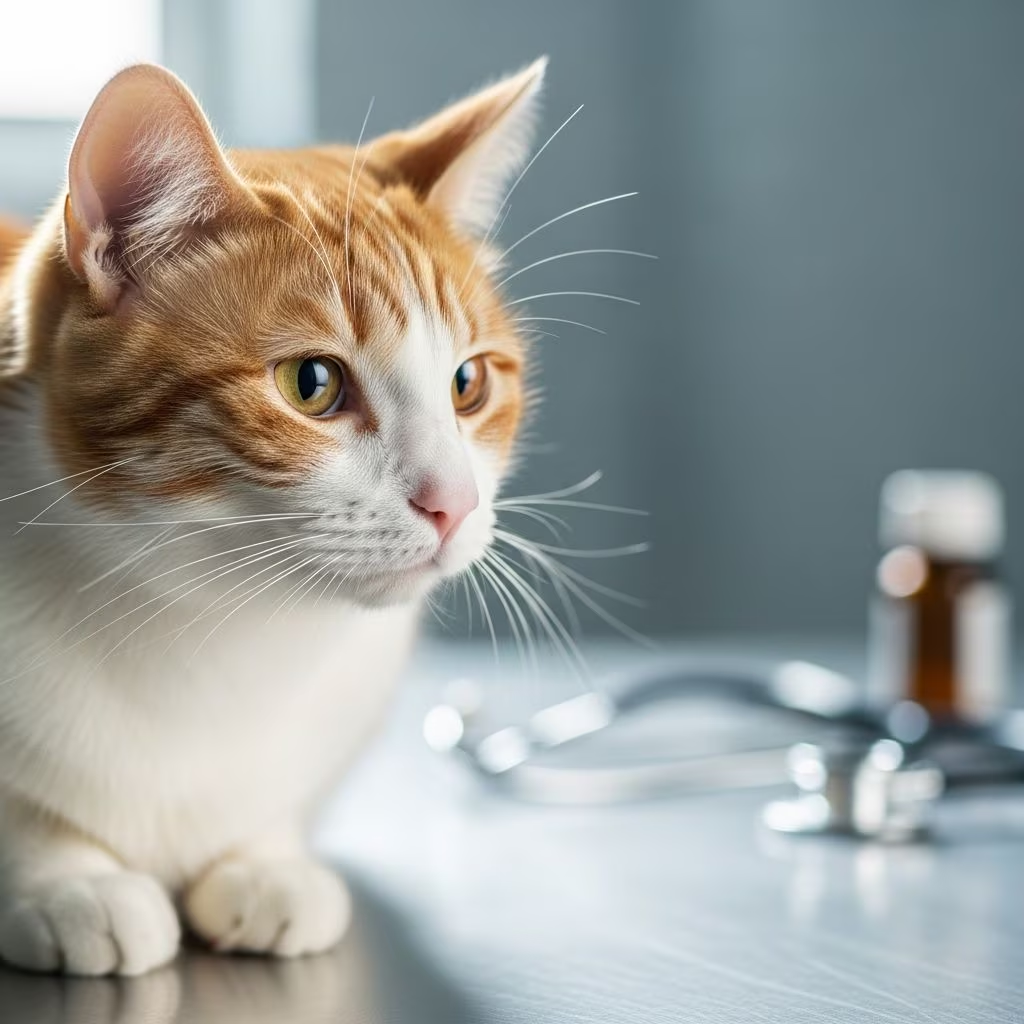
Apoquel, known scientifically as oclacitinib, serves as a targeted therapy for managing allergic dermatitis in pets. Though officially approved only for dogs, veterinarians increasingly prescribe it off-label for cats experiencing persistent itching from environmental allergies or atopic skin syndrome. This medication works by inhibiting specific enzymes that fuel itch signals and inflammation, providing rapid relief without the broad immunosuppressive effects of steroids.
Understanding Feline Allergic Skin Conditions
Cats often suffer from allergic reactions manifesting as intense pruritus, leading to excessive grooming, hair loss, and skin lesions. Common culprits include environmental allergens like pollen, dust mites, and molds, distinguishing these from flea or food allergies. Feline atopic skin syndrome (FASS) represents a chronic form where the immune system overreacts, causing cytokines—signaling proteins—to amplify itch and inflammation.
Symptoms typically appear on the head, neck, ears, and flanks, progressing to eosinophilic granuloma complex (EGC) in severe cases. Early intervention prevents secondary infections from self-trauma. Diagnosis involves ruling out parasites, infections, and dietary triggers through skin scrapings, cytology, and elimination trials.
How Apoquel Targets Allergic Responses in Cats
Apoquel selectively blocks Janus kinase enzymes (JAK1 and JAK3), crucial for cytokine activity in allergic pathways. Unlike corticosteroids, it spares other immune functions, reducing risks of long-term complications like diabetes or Cushing’s disease. In dogs, effects begin within hours, and feline studies suggest comparable speed.
A 2021 clinical trial involving cats with FASS demonstrated significant improvements: pruritus visual analogue scale (PVAS) dropped markedly by day 7, with 61% of cats achieving at least 50% reduction, and SCORFAD lesion scores improved in 88% by day 28. This positions Apoquel as a valuable option when first-line therapies fail.
Practical Dosing Strategies for Feline Patients
Without FDA labeling for cats, dosing draws from veterinary dermatology research and clinical experience. A common induction protocol mirrors canine guidelines: 1-2 mg/kg orally every 12 hours for 14 days, then maintenance at the same total daily dose once every 24 hours. For an average 4-5 kg cat, this equates to roughly 2.7 mg (half a 5.4 mg tablet) per dose.
| Cat Weight (kg) | Induction Dose (mg, q12h) | Maintenance Dose (mg, q24h) |
|---|---|---|
| 3-4 | 3-5.4 | 3-5.4 |
| 4-6 | 5.4-8.1 | 5.4-8.1 |
| >6 | 8.1-10.8 | 8.1-10.8 |
Adjustments depend on response; some cats require twice-weekly dosing for EGC maintenance, achieving 63% efficacy. Tablets are not scored precisely for splitting, so veterinary compounding or precise weighing ensures accuracy. Monitor for breakthrough flares, temporarily escalating to twice-daily.
Potential Adverse Reactions and Monitoring
Side effects in cats mirror canine reports but remain understudied due to off-label status. Gastrointestinal issues like vomiting or diarrhea occur initially but often self-resolve. Unlike young dogs in trials, cats under 12 months risk immature immune suppression, potentially inviting infections. Caution applies to neoplastic cases, as cytokine blockade might impair anti-tumor responses.
- Gut upset: Transient; offer with food.
- Infections: Monitor for urinary tract or respiratory signs.
- Blood changes: Studies note mild shifts; baseline and follow-up CBC recommended.
Apoquel interacts minimally, compatible with vaccines, NSAIDs, antibiotics, and parasiticide. However, baseline bloodwork and periodic rechecks safeguard use.
Comparing Apoquel to Standard Feline Allergy Treatments
| Treatment | Mechanism | Pros | Cons |
|---|---|---|---|
| Apoquel (Oclacitinib) | JAK inhibitor | Fast itch relief; targeted | Off-label; daily dosing |
| Cyclosporine (Atopica) | Immunosuppressant | FDA-approved; once/twice weekly | Slower onset; GI effects |
| Steroids (Prednisolone) | Broad anti-inflammatory | Potent; inexpensive | Systemic side effects |
| Cytopoint (Lokivetmab) | IL-31 antibody injection | Long-lasting (4-6 weeks) | Not for cats; costly |
Apoquel shines for rapid control but may demand twice-daily administration, challenging for some owners. Cyclosporine offers labeled reliability with less frequent dosing once effective. Steroids provide quick wins but risk polyuria, polydipsia, and immunosuppression long-term. Integrated approaches—flea preventives, hypoallergenic diets, allergen testing—optimize outcomes.
When to Consider Apoquel for Your Cat
Ideal candidates include adults over 12 months with confirmed non-flea, non-food allergic dermatitis unresponsive to topicals or antihistamines. Success rates hover at 30-50% in small cohorts, with higher doses sometimes needed versus dogs. Twice-weekly regimens suit maintenance for conditions like EGC.
Veterinary oversight is non-negotiable: discuss history, perform diagnostics, and tailor protocols. Manufacturer Zoetis withholds feline endorsement pending data, underscoring off-label risks.
Real-World Success Stories and Limitations
Clinical anecdotes highlight cats regaining comfort within days, resuming normal grooming without over-scratching. A PubMed study affirmed safety at 1 mg/kg, with sustained benefits post-induction. Yet, not universal: 30-50% non-responders necessitate alternatives. Long-term data lags, prompting periodic vet reassessments.
Frequently Asked Questions
Is Apoquel safe for long-term use in cats?
Short-term studies show good tolerance, akin to dogs, but long-term feline safety lacks extensive data. Regular monitoring mitigates risks like infections or hematologic changes.
How quickly does Apoquel relieve cat itching?
Onset mirrors dogs at 12 hours, with peak effects by day 7 per trials. Full lesion resolution may take weeks.
Can I use Apoquel with other cat medications?
Yes, it pairs well with antibiotics, vaccines, and flea controls, but vet approval ensures no conflicts.
What if my cat is under 1 year old?
Avoid due to immature immunity risks observed in canine trials; opt for safer alternatives.
Does Apoquel cure cat allergies or just manage symptoms?
It controls symptoms by blocking itch pathways; immunotherapy or allergen avoidance addresses root causes.
Steps for Starting Apoquel Therapy
- Confirm diagnosis via vet exam and tests.
- Establish baseline bloodwork.
- Initiate induction dosing under guidance.
- Re-evaluate at 2 weeks; adjust as needed.
- Schedule follow-ups every 3-6 months.
Combining Apoquel with environmental controls—like hypoallergenic bedding and air purifiers—enhances efficacy. Flea vigilance remains paramount, as even trace infestations exacerbate symptoms.
References
- Apoquel for Cats: Dosage, Safety & Side Effects — Cats.com. 2023. https://cats.com/apoquel-for-cats
- Treatment of Allergies in Cats: Relief for Your Itchy Cat — YourVetWantsYouToKnow.com. 2024. https://yourvetwantsyoutoknow.com/treatment-of-allergies-in-cats/
- VMX 2020—Tips and tricks for managing feline allergies — dvm360.com. 2020. https://www.dvm360.com/view/vmx-2020-tips-and-tricks-for-managing-feline-allergies
- Oclacitinib — VCA Animal Hospitals. 2024. https://vcahospitals.com/know-your-pet/oclacitinib
- Efficacy of oclacitinib for the control of feline atopic skin syndrome — PubMed (DOI via publisher). 2021-10-01. https://pubmed.ncbi.nlm.nih.gov/34612749/
- More itchy pets? No problem — AVMA.org. 2020-02-15. https://www.avma.org/javma-news/2020-02-15/more-itchy-pets-no-problem



