

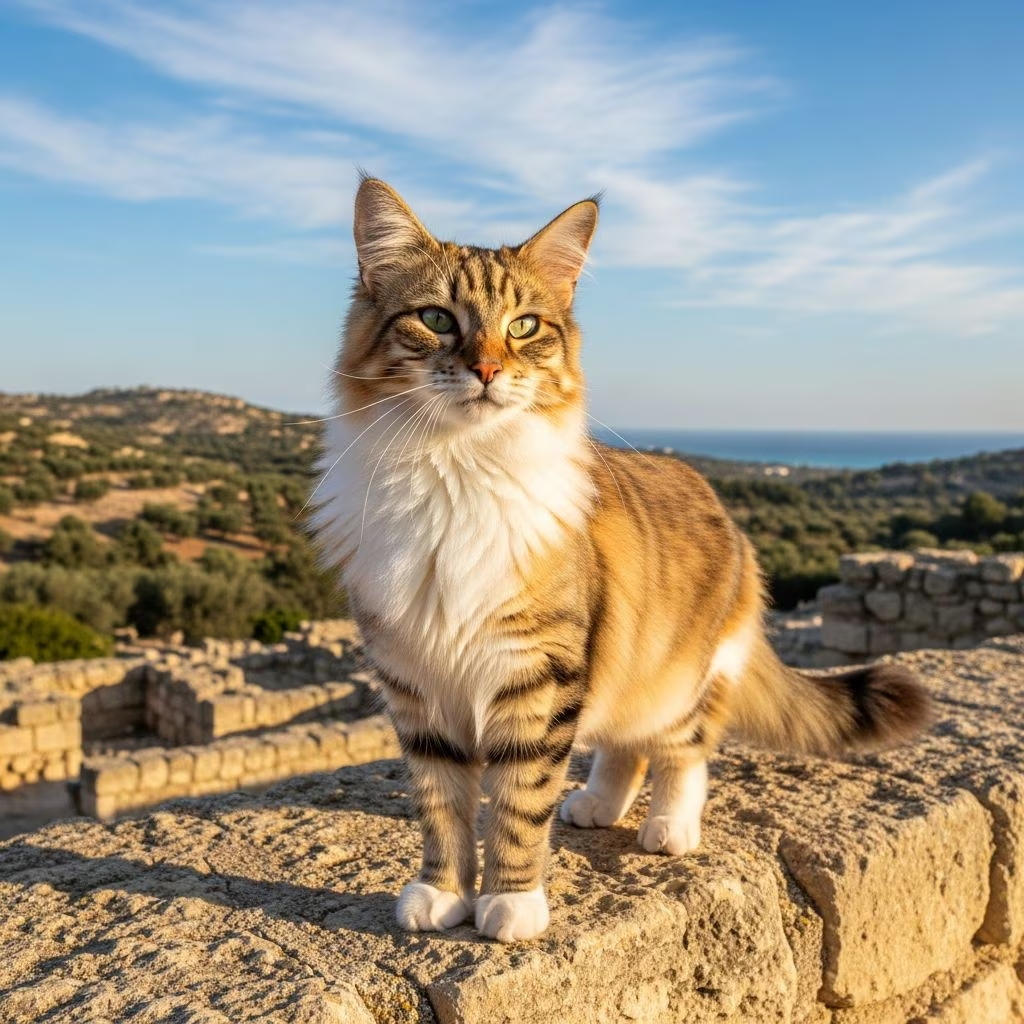
The Aphrodite Cyprus cat stands out as a remarkable natural breed, originating from the rugged landscapes of Cyprus. Known for its impressive size, muscular build, and deeply affectionate nature, this cat combines the prowess of a hunter with the devotion of a loyal companion. Evolving without human selective breeding, these cats have thrived in mountainous regions, developing traits that make them adaptable and resilient pets today.
Ancient Roots and Modern Recognition
Tracing back to feral populations on the island of Cyprus, the Aphrodite cat—also called the Cyprus cat or Aphrodite Giant—may connect to some of the earliest domesticated felines. Local lore suggests links to cats from 9500 B.C., though major registries like The International Cat Association (TICA) attribute their development to natural selection among mountain-dwelling ferals. TICA officially recognized the breed in 2017, standardizing its traits as a large, athletic feline with a solid, powerful frame.
These cats hail from high-altitude environments where long hind legs aided in navigating steep terrains, and dense coats provided insulation against chill. Their history as skilled predators of rodents and snakes underscores their robust physique, which persists in domestic lines. Today, recognized by organizations including TICA and the World Cat Federation (WCF), they represent a pure natural breed without artificial crosses.
Physical Profile and Distinctive Features
Aphrodite Cyprus cats impress with their substantial stature. Males typically range from 15 to 24 pounds, while females are slightly smaller at 10 to 14 pounds, reaching heights of 13 to 14 inches at the shoulder. Full maturity arrives slowly, often taking up to three years or more, allowing for gradual development of their muscular form.
Their coat is short to semi-long, luxuriously soft and dense, coming in all colors except lilac, mink, and chocolate. No patterns like colorpoint are permitted, emphasizing a uniform, lush texture. Powerful hind legs, a hallmark adaptation for climbing, give them exceptional jumping ability, while a thick tail adds balance during agile pursuits.
| Trait | Male | Female |
|---|---|---|
| Weight | 15–24 lbs | 10–14 lbs |
| Height | 13–14 inches | 13–14 inches |
| Maturity Age | Up to 3+ years | Up to 3+ years |
| Lifespan | 12–15 years | 12–15 years |
This table highlights key size differences, noting that both genders share similar temperaments and care needs.
Personality Traits and Daily Behavior
Far from aloof, Aphrodite Cyprus cats exhibit dog-like loyalty, eagerly shadowing their humans and craving involvement in household activities. They form profound, lifelong bonds, particularly with children, displaying patience amid play and noise. Energetic yet composed, they relish interactive games like fetch or laser chases, balancing high activity with cozy lap sessions.
Intelligence shines through in their trainability; they master tricks and respond to routines with enthusiasm. Vocalization is minimal, reserved for genuine needs like hunger or affection requests. However, their social nature makes solitude challenging—prolonged absences can trigger separation anxiety, leading to destructive behaviors.
- Affectionate: Thrives on physical closeness and family integration.
- Playful: Loves toys, climbing, and high-energy pursuits.
- Gentle: Non-aggressive, ideal around kids and strangers.
- Loyal: Forms deep attachments, following owners room-to-room.
Social Dynamics with Pets and People
Aphrodite cats embrace multi-pet homes, warmly accepting other felines and dogs, especially if introduced early. Their sociable philosophy favors company, reducing conflicts and enhancing household harmony. With strangers, they offer curious greetings rather than hiding, thanks to early socialization potential.
In family settings, their sturdy build withstands enthusiastic child interactions without retaliation. Large, bustling homes suit them perfectly, as they draw energy from activity rather than retreating.
Essential Grooming and Maintenance
Despite a dense coat, grooming remains straightforward. Daily brushing prevents mats and hairballs, promoting shine and bonding time. Baths are rare, as their fur repels dirt effectively. Weekly checks of ears, teeth, and nails suffice, with professional dental care recommended biannually.
Shedding is moderate year-round, peaking seasonally—high-quality tools like slicker brushes aid management. Their active lifestyle keeps claws trimmed naturally through scratching posts.
Nutrition and Exercise Essentials
Fuel their muscular frames with premium, high-protein kibble or wet food low in carbs, enriched with omega-3s, vitamins, and fiber. Portion control prevents obesity, given their size; divide meals into 3–4 servings daily. Fresh water is critical, mimicking wild hydration from prey.
Exercise mirrors their playful spirit: 30–60 minutes of daily enrichment via toys, towers, and walks on harnesses. Vertical spaces like cat trees satisfy climbing instincts, while puzzle feeders engage their smarts.
Health Considerations and Veterinary Care
Generally robust, Aphrodite Cyprus cats enjoy 12–15 years with proactive care. Potential issues include hypertrophic cardiomyopathy (HCM) and polycystic kidney disease (PKD), warranting annual screenings via ultrasound or genetic tests. Spaying/neutering mitigates spraying and anxiety in unfixed adults.
Vaccinations, parasite preventives, and weight monitoring form the care foundation. Slow maturation means kitten diets extend longer, supporting growth without excess calories.
Finding and Welcoming Your Aphrodite
Rare breeders exist, but shelters often house purebred or mixes. Adoption fees support health checks; prioritize TICA-registered sources for standards. Home preparation includes ample play areas, litter boxes (one per cat plus one), and secure outdoor access if desired.
Integration tips: Gradual introductions to pets/kids, consistent routines, and affection reinforce bonds. Budget $1,000–$2,000 initially for setup, plus $500–$1,000 yearly for food/vet.
Frequently Asked Questions (FAQs)
Are Aphrodite Cyprus cats good for apartments?
Yes, with sufficient play and vertical space; their adaptability shines indoors.
How much do they shed?
Moderately; regular brushing controls it effectively.
Do they like water?
Many enjoy it, unlike typical felines, due to ancestral adaptations.
What’s their activity level?
Moderate to high—daily engagement prevents boredom.
Are they vocal?
Not excessively; meows are purposeful.
Why Choose an Aphrodite Cyprus Cat?
This breed offers unmatched companionship: a blend of power, playfulness, and profound loyalty. Perfect for active singles or families, they repay devotion with unwavering presence. Their natural heritage ensures resilience, making them enduring home members.
References
- Aphrodite (Cyprus) Cat Breed: Info, Pictures, Temperament & Traits — Catster. 2023. https://www.catster.com/cat-breeds/aphrodite-cyprus-cat/
- Aphrodite Giant Cat Breed Information & Characteristics — CatTime. 2023. https://cattime.com/cat-breeds/aphrodite-giant
- APHRODITE BREED GROUP (APS/APL) — The International Cat Association (TICA). 2018. https://tica.org/phocadownload/apsaplstd_18.pdf
- All about Cyprus cat breed — Animalia.bio. 2023. https://animalia.bio/pets/cyprus-cat
- 5 Things You Didn’t Know About The Aphrodite’s Giant Cyprus Cat — YouTube (Video Transcript). 2023. https://www.youtube.com/watch?v=uiIF_X5TG1I



