
Apartment Puppy Training: Complete Guide
Master potty training in small spaces with practical strategies
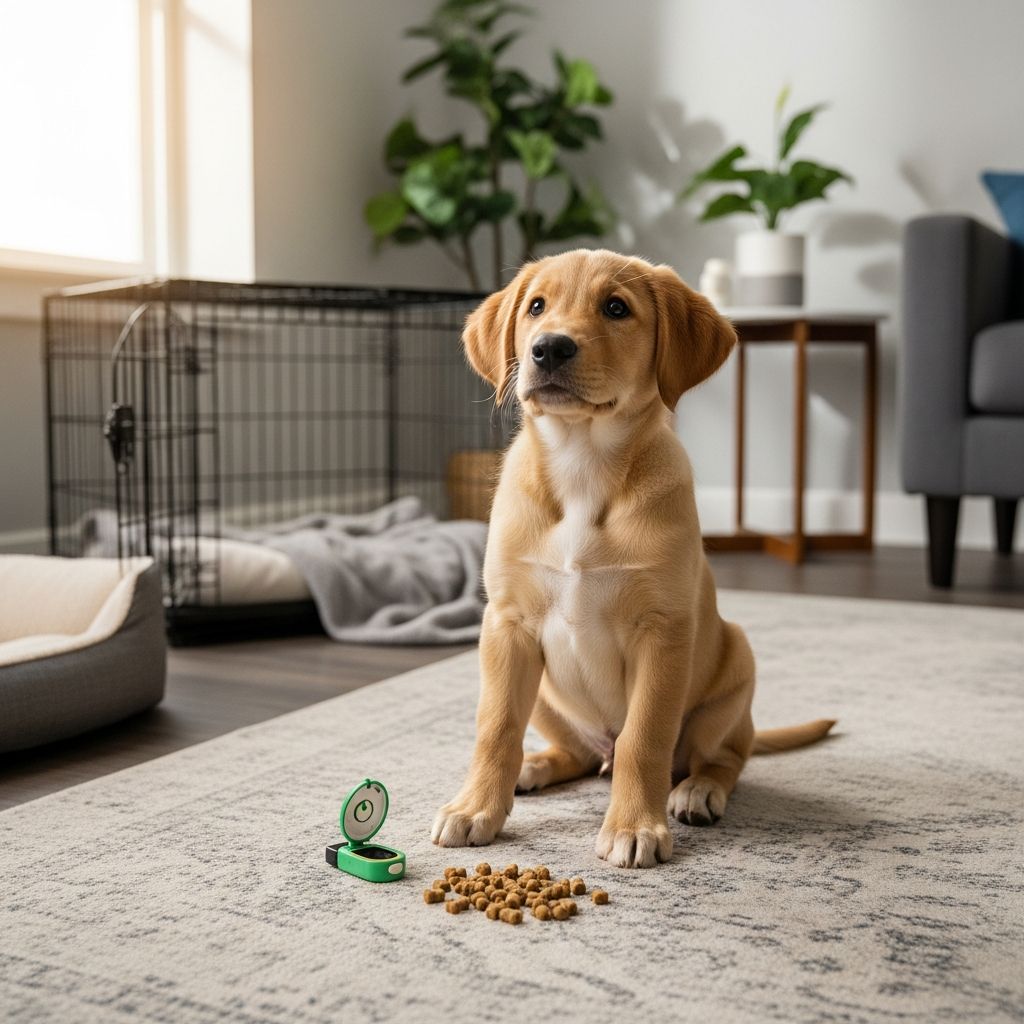
Training a puppy to use the bathroom appropriately presents unique challenges when living in an apartment. Unlike homeowners with immediate access to outdoor spaces, apartment dwellers must navigate multiple flights of stairs, building policies, and limited outdoor areas. However, with the right approach, consistency, and patience, apartment potty training can be just as successful as training in a house with a yard. Understanding your puppy’s biological capabilities and establishing a structured routine forms the foundation for achieving reliable bathroom habits in a compact living environment.
Understanding Your Puppy’s Bladder Development
The first step toward successful potty training involves recognizing the physical limitations of your puppy’s bladder control. Young puppies cannot voluntarily hold their urine for extended periods, and this capacity develops gradually as they mature. A puppy can typically hold their bladder for approximately one hour for every month of age. This means a three-month-old puppy requires bathroom breaks every three hours, while a five-month-old can manage approximately five hours between opportunities.
Understanding this timeline prevents frustration and accident-related punishment. A puppy having an accident is not misbehaving deliberately but rather responding to biological necessity. Around 12 to 14 weeks of age, most puppies can extend their bladder capacity to about three hours. Nighttime offers slightly more flexibility, as puppies can typically hold their bladders longer while sleeping, though overnight accidents remain common in younger animals.
Establishing a Structured Potty Schedule
Consistency forms the backbone of effective apartment potty training. A predictable schedule helps your puppy develop reliable elimination patterns and makes it easier for you to anticipate when outdoor trips are necessary.
Critical Potty Break Timing:
- First thing in the morning when your puppy wakes up
- After every meal (typically within 15-30 minutes)
- After playtime or exercise sessions
- After napping
- Before bedtime
- Every 30 minutes to two hours during waking hours, depending on age
Setting a timer can help maintain consistency, particularly for household members who share puppy supervision responsibilities. When the timer alerts you, immediately take your puppy to the designated potty area. This mechanical reminder prevents forgetfulness and establishes a ritualistic pattern that your puppy will begin to anticipate.
Creating Designated Potty Areas
Apartment living requires creative solutions for establishing appropriate bathroom locations. You have several options depending on your specific living situation and preferences.
Outdoor Options: If your apartment includes a balcony, terrace, or patio, you can create an outdoor potty area using a grass patch or artificial turf section. This provides a genuine outdoor experience while minimizing stair climbing. For apartments without such outdoor access, designating a specific street-level location for bathroom breaks helps your puppy develop location-specific elimination habits.
Indoor Solutions: When outdoor access is limited or during inclement weather, indoor alternatives provide practical backup options. Absorbent pee pads offer convenient, disposable solutions that teach puppies to use designated indoor spots. These products absorb liquid quickly and reduce mess. Alternatively, specialized indoor dog potties designed with tall sides accommodate leg-lifting behavior and provide a more permanent indoor solution.
Regardless of which solution you choose, maintain consistency by using the same location for each potty break. Changing locations frequently confuses your puppy and undermines training progress. Position pads or indoor potties near apartment doors when possible, allowing older puppies to signal their need to go outside as they mature.
Implementing Positive Reinforcement Strategies
How you respond to successful bathroom breaks directly influences your puppy’s motivation to use appropriate locations. Positive reinforcement creates emotional associations between correct behavior and rewards, making your puppy eager to repeat the desired action.
Immediate Reward Protocol: The timing of rewards is crucial for effective learning. Praise your puppy enthusiastically and immediately when they finish eliminating in the correct location. Follow praise with a small, high-value treat to reinforce the behavior. However, deliver treats several steps away from the potty area to avoid teaching your puppy that food appears at the elimination spot, which could confuse their training.
Using consistent verbal cues like “potty time” or “go pee” before taking your puppy outside creates verbal associations with the activity. When your puppy responds to this cue by eliminating appropriately, the combination of word, location, and reward strengthens the behavioral pattern.
Combining Pads and Outdoor Training
Many apartment owners find that combining indoor pads with outdoor potty training provides flexibility without confusing puppies about appropriate locations. Teaching your puppy that both pads and outdoor areas are acceptable elimination spots requires the same consistent methodology: getting your puppy to the location before elimination occurs, then rewarding successful bathroom breaks.
Start by establishing one primary outdoor location for most bathroom breaks. Designate a specific indoor pad location for situations where outdoor access is impossible. By clearly distinguishing between these two acceptable areas and consistently redirecting your puppy to one or the other, you prevent the common problem of random indoor accidents. Avoid establishing multiple potty locations, as this creates confusion about where elimination is appropriate.
Preventing and Managing Accidents
Accidents are inevitable during puppy training and should be treated as learning opportunities rather than behavioral failures. Your response to accidents significantly impacts your puppy’s training progress.
During Accidents: If you catch your puppy eliminating in an inappropriate location, calmly interrupt without harsh punishment and immediately move them to the correct potty area. Complete elimination at the proper location, then reward. Harsh punishment creates fear and confusion rather than understanding, potentially damaging your relationship with your puppy and slowing training progress.
Preventing Accidents: Supervision and confinement tools prevent accidents by limiting your puppy’s opportunities to make mistakes. When you cannot actively supervise, confine your puppy to a crate or pen. Puppies naturally avoid soiling their sleeping areas, making crates effective training tools. Time crate confinement appropriately based on your puppy’s age—a three-month-old puppy should not remain crated longer than three to four hours, as they cannot physiologically hold their bladder longer.
Recognizing Potty-Time Signals
Learning to identify your puppy’s bathroom signals enables you to anticipate needs and prevent accidents. While some puppies provide obvious warnings like scratching at doors or barking, others display subtle behaviors that careful observation reveals.
Common pre-elimination behaviors include sniffing intensely around the floor, walking in circles, whining or making vocalizations, sudden changes in activity levels, and heading toward previously used potty areas. Recognizing these signals allows you to proactively take your puppy outside before accidents occur. The more times your puppy successfully eliminates in appropriate locations, the faster they learn the routine.
Adjusting Training as Your Puppy Matures
Potty training progresses through phases as your puppy’s bladder capacity increases with age. Young puppies requiring hourly breaks eventually develop the ability to go several hours between bathroom breaks. Around 4-6 months of age, many puppies can begin transitioning to a more adult-like schedule with potty breaks before work, after work, and before bedtime.
As your puppy matures and demonstrates reliable bladder control, gradually reduce the frequency of indoor pad access while maintaining outdoor breaks. Pee pads can remain available as backup options for situations when immediate outdoor access is impossible, but most puppies naturally prefer outdoor elimination once they develop sufficient bladder control.
Addressing Special Challenges in Apartments
Weather and Seasonal Obstacles: Severe weather, snow, rain, and extreme temperatures complicate outdoor potty breaks. Having indoor backup options prevents weather from disrupting your training schedule. During particularly unpleasant weather, use pads indoors more frequently while maintaining your outdoor routine on more favorable days.
Neighbor Considerations: Apartment living requires consideration of noise and cleanliness standards. Use pee pads on designated balconies to prevent urine from affecting neighbors below. If taking your puppy outside late at night, use quiet routes and clean up immediately after elimination.
Work Schedule Conflicts: Apartment dwellers often face challenges with work schedules that conflict with potty break timing. Consider arranging pet sitters or dog walkers to provide midday breaks during your work hours, particularly during the initial training phase when frequent breaks are essential. Some apartments allow designated outdoor spaces specifically for pet use, potentially reducing transit time required between your unit and outdoor areas.
Frequently Asked Questions
How long does apartment potty training typically take?
Training duration varies by individual puppy, but most puppies demonstrate reliable bathroom habits between 4-6 months of age. Consistency and adherence to scheduling significantly influence timeline. Puppies trained with irregular schedules may take considerably longer.
Should I use pee pads in apartments?
Pee pads offer practical solutions for apartment training, particularly as backup options for weather or work schedule challenges. They provide acceptable indoor locations and reduce pressure during initial training phases. However, they should complement rather than replace outdoor training, as most adult dogs eventually transition to exclusively outdoor elimination.
What should I do if my puppy refuses to eliminate during scheduled outdoor breaks?
If your puppy doesn’t eliminate during outdoor time, return them to their crate for 10-20 minutes, then try again. This prevents outdoor time from becoming playtime rather than potty time. Staying quiet and still during outdoor breaks helps puppies focus on elimination rather than distraction.
Can puppies be trained on both pads and outdoor areas simultaneously?
Yes, puppies can learn multiple acceptable elimination locations using consistent reinforcement methods. Ensure each location is clearly distinct and reinforce successful use at both areas equally. Most puppies eventually prefer outdoor elimination naturally as they develop.
How do I handle accidents that occur when I’m away from home?
Confine your puppy to a crate sized appropriately to their current age and bladder capacity. Use pee pads in a separate pen if confinement alone is insufficient. Consider pet sitters or dog walkers for extended absences. Never punish accidents discovered after the fact, as puppies cannot connect delayed punishment to past behavior.
Key Success Factors for Apartment Potty Training
Successful apartment potty training depends on several fundamental principles working together. Consistency in schedule, location, and reward system creates the predictability puppies need to develop reliable habits. Patience with the developmental realities of puppy bladder control prevents frustration and maintains positive training momentum. Realistic expectations acknowledge that accidents will occur and that training is a gradual process rather than an immediate result.
Understanding your individual puppy’s signals and preferences allows you to customize general training principles to your specific situation. Some puppies respond enthusiastically to treats, while others prefer verbal praise and play. Observing your puppy’s motivations helps you identify the most effective rewards for your training program.
Finally, recognizing apartment potty training as a solvable challenge with available solutions maintains your confidence throughout the process. Thousands of apartment dwellers successfully train puppies using the methods outlined here, proving that limited outdoor space need not prevent achieving reliable bathroom habits. Your commitment to consistency and positive reinforcement will ultimately result in a housetrained adult dog who respects your living space and follows appropriate elimination protocols.
References
- How to Potty Train a Puppy in an Apartment — Pets Best Insurance. 2024. https://www.petsbest.com/blog/potty-train-puppy-in-apartment
- How To Potty Train a Puppy in an Apartment — Whole Dog Journal. 2024. https://www.whole-dog-journal.com/puppies/how-to-potty-train-a-puppy-in-an-apartment/
- How To Potty Train a Puppy — Chewy. 2024. https://www.chewy.com/education/dog/new-dog/how-to-potty-train-your-dog-in-7-days
- How to Potty Train a Dog When You Live in an Apartment — American Kennel Club. 2024. https://www.akc.org/expert-advice/training/potty-train-dog-in-apartment/
- 10 Tips To Make Potty Training A Dog In An Apartment Easier — Alternative Canine Training. 2024. https://alternativecaninetraining.com/10-tips-to-make-potty-training-a-dog-in-an-apartment-easier/
- Housetraining Survival Guide — Animal Humane Society. 2024. https://www.animalhumanesociety.org/resource/housetraining-survival-guide
Similar Articles








Read full bio of Sneha Tete




