

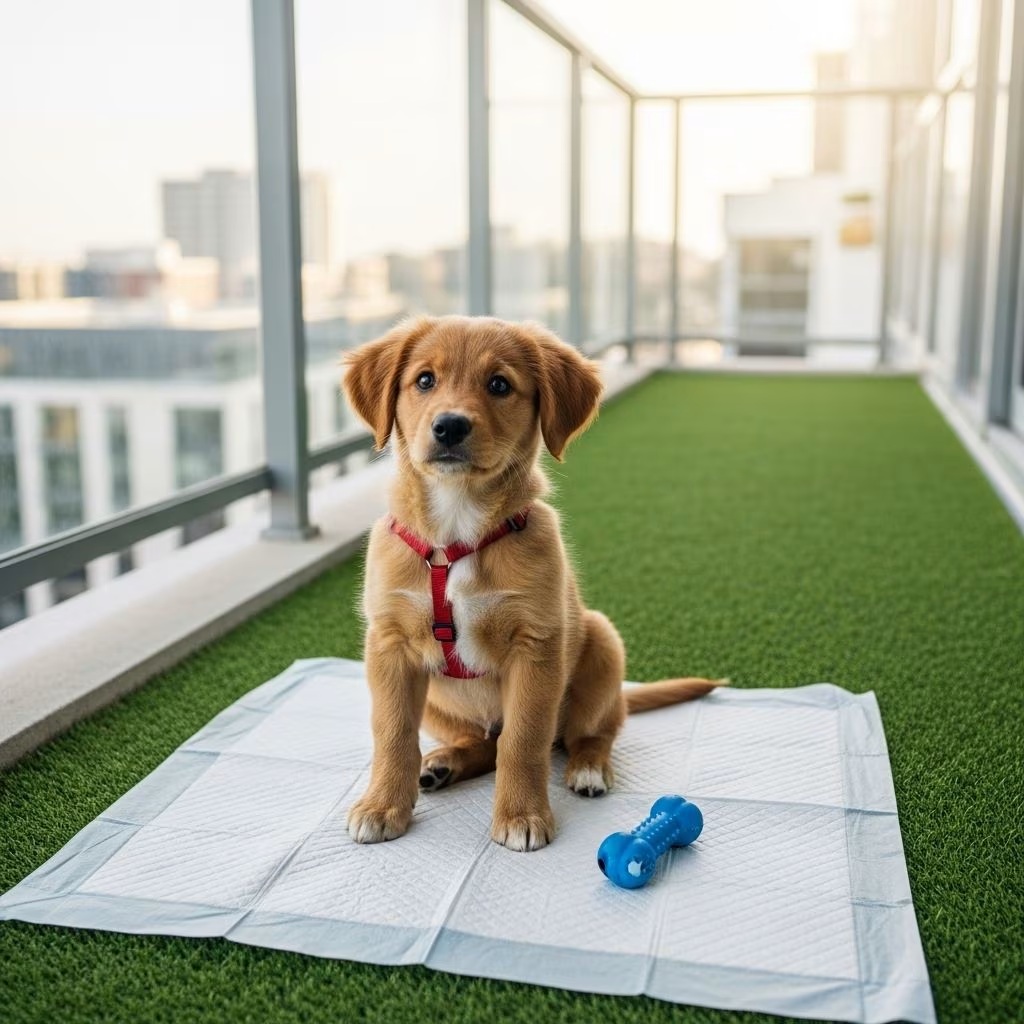
Potty training a puppy in an apartment requires adapting traditional methods to limited space, elevators, and frequent outings. Success hinges on consistency, supervision, and positive reinforcement to build good habits quickly.
Understanding Puppy Bladder Capacity
Puppies’ ability to hold their bladder grows with age, typically one hour per month of life. An 8-week-old pup can manage about 2 hours, extending to 3 hours at 12 weeks, though they often need breaks sooner after waking, eating, or playing.
In apartments, this means planning around building logistics like stairs or elevators, which can delay relief and lead to accidents. Start training early to leverage their natural instinct to avoid soiling sleeping areas.
Essential Tools for Apartment Training
Gather supplies to create a controlled environment:
- Crate: Sized to allow standing and turning, promotes bladder control by mimicking den behavior.
- Pee Pads or Grass Patches: For indoor or balcony use, especially pre-vaccination or bad weather.
- Leash and Waste Station: Hands-free options and odor-control bins simplify cleanups.
- Treats and Clicker: For immediate rewards to reinforce success.
Reusable pads or real-grass alternatives like Fresh Patch ease transitions to outdoor pottying.
Building a Consistent Daily Schedule
A fixed routine links feeding, play, and potty times, reducing accidents. Feed 3-4 times daily at set hours, then escort to the potty spot within 5-10 minutes.
| Time of Day | Activity | Potty Break Frequency |
|---|---|---|
| Morning Wake-Up | Feed + Short Play | Immediate + Every 30-60 min |
| Post-Meal | Meal | Within 30 min |
| Play Sessions | Exercise | After heavy activity |
| Evening/Bedtime | Last Meal + Wind Down | Final outing before crate |
For young pups, aim for hourly breaks while awake, extending as they age. Nighttime limits to 1-2 trips suffice.
Selecting and Setting Up Potty Areas
Choose accessible spots: near the door for future outdoor association, balcony for grass patches, or a bathroom corner for pads.
Introduce by placing the puppy there post-meal or upon sniffing/circling signs. Praise lavishly only after completion to avoid mid-stream interruptions.
Pros and Cons of Common Options
| Method | Advantages | Challenges |
|---|---|---|
| Pee Pads | Convenient, scent-attractant, portable | May confuse outdoor transition |
| Real-Grass Patch | Natural feel, easier outdoor shift | Costlier, needs maintenance |
| Balcony Potty | Quick access, no elevator waits | Weather-dependent, space limit |
Position pads consistently; relocate mid-accident to teach location.
Crate Training Integration
Crate your puppy when unsupervised, limiting accidents to tiny, cleanable spots. Dogs avoid dirty dens, so they hold until release.
Combine with ‘umbilical cord’ leashing—attach a short leash to your waist for constant monitoring indoors. Graduate to longer freedoms as reliability builds.
Positive Reinforcement Techniques
Reward with high-value treats and verbal cheers immediately after finishing. Teach a cue like ‘go potty’ during the act for on-command reliability.
Avoid punishment for accidents; it fosters fear and hiding. Clean with enzymatic cleaners to erase scents attracting repeats.
Navigating Apartment-Specific Challenges
High-rises demand patience—carry puppy to elevator if needed, staying calm to prevent stress-holds.
- Noise and Neighbors: Schedule quiet potty times; use pads for discretion.
- Weather Delays: Indoor backups prevent desperation.
- Shared Spaces: Avoid unvaccinated pups on common grass until cleared by vet.
For working owners, daycare or dog walkers extend routines.
Troubleshooting Common Issues
Persistent Accidents: Revert to more frequent breaks, check for medical issues like UTIs via vet.
Pad Chewing: Supervise or switch to covered trays.
Marking Behavior: Common in males post-6 months; neuter and reinforce outdoor-only.
Track progress in a journal: note times, triggers, successes for pattern tweaks.
Transitioning from Indoor to Outdoor
Once vaccinated (around 12-16 weeks), phase pads by reducing number, placing last one near door. Lure with soiled pad outdoors, rewarding street success.
Expect setbacks; consistency over weeks yields full reliability by 6 months.
Long-Term Maintenance
Mature dogs signal at doors—teach bells or scratches for communication. Annual refreshers prevent regressions during stress like moves.
Frequently Asked Questions
How often should I take my apartment puppy out?
Every 30-60 minutes when awake, plus post-meal/play/wake-up. Adjust by age.
Are pee pads a permanent solution?
Viable for small breeds in high-rises, but grass patches aid outdoor transitions.
What if my puppy cries in the crate at night?
Brief potty break without play; limit interaction to build sleep stamina.
Can I potty train in 7 days?
Basics yes with strict schedule, but full reliability takes longer.
Best spot for pee pads in apartments?
Near door to link with outdoor cues.
Advanced Tips from Experts
Trainer Shir Limazati emphasizes 2-hour intervals plus post-activity waits to fully empty. Preventive Vet suggests waste stations for odor control. AKC notes schedule evolution from frequent to routine outings.
References
- How to Potty Train a Puppy in an Apartment—Steps to Try — Kinship. 2023. https://www.kinship.com/dog-behavior/how-to-potty-train-puppy-in-apartment
- Tips for Potty Training a Puppy When You Live In An Apartment — Preventive Vet. 2023. https://www.preventivevet.com/dogs/potty-training-in-an-apartment
- How To Potty Train a Puppy | Chewy — Chewy. 2023. https://www.chewy.com/education/dog/new-dog/how-to-potty-train-your-dog-in-7-days
- How to Potty Train a Dog When You Live in an Apartment — American Kennel Club (AKC). 2023. https://www.akc.org/expert-advice/training/potty-train-dog-in-apartment/



