

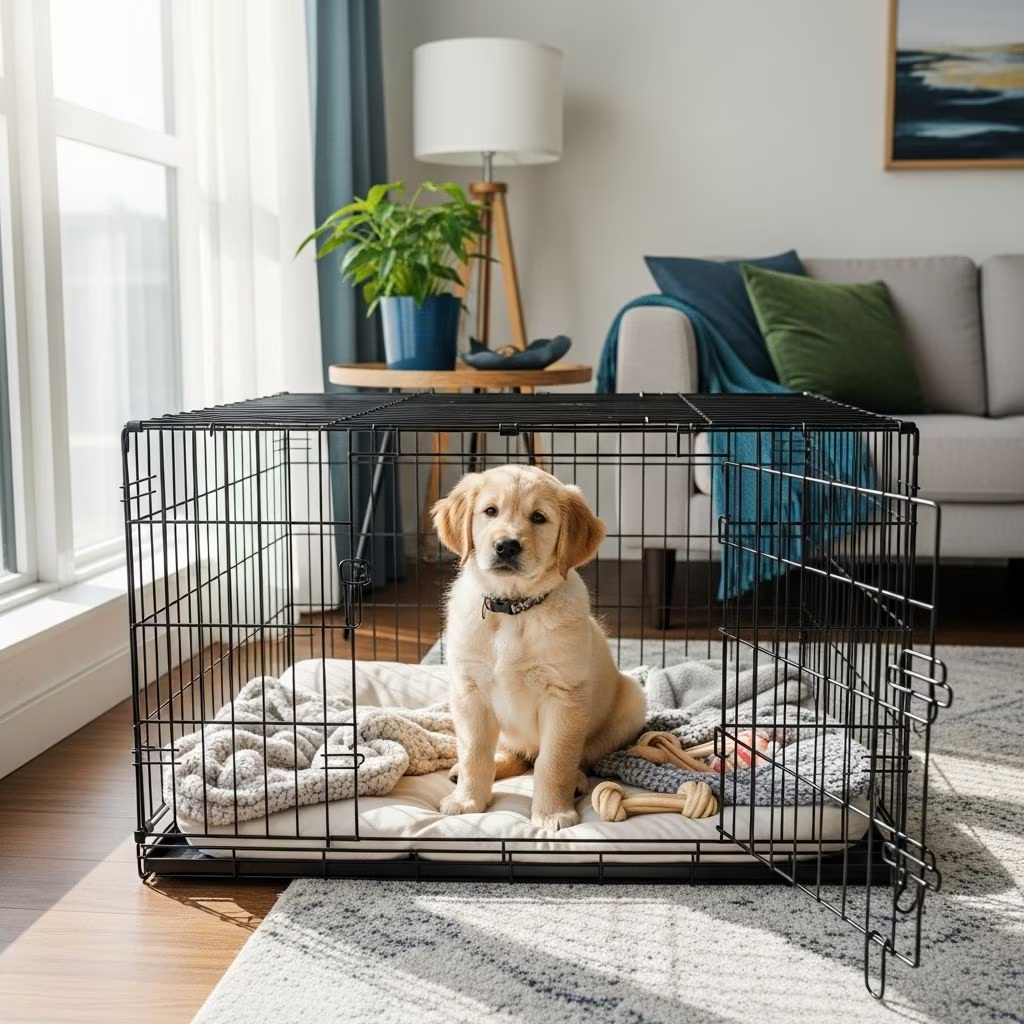
Crate training provides puppies with a secure den-like space, essential in apartments where space is limited and neighbors are close. This method promotes housebreaking, reduces destructive behavior, and eases separation anxiety when done correctly.
Selecting the Perfect Crate for Tight Spaces
In apartment settings, the crate must balance functionality, size, and aesthetics. Opt for models that fit your layout without dominating the room. Wire crates offer excellent ventilation and visibility, ideal for observant puppies, while soft-sided versions suit corners or travel needs due to their portability.
Size matters critically: the crate should allow your puppy to stand, turn around, and lie down comfortably, but not so large they use one end as a bathroom. For growing pups, choose adjustable crates with dividers to section off excess space initially. Lightweight, collapsible designs from reputable brands facilitate storage and movement in compact homes.
- Wire crates: Superior airflow, durable, often with removable trays for easy cleaning.
- Soft-sided crates: Space-saving when folded, lighter for high-rises.
- Plastic kennels: Secure for transport, more enclosed feel for anxious dogs.
Consider apartment-specific factors like noise reduction—crates with covers can muffle sounds—and placement near windows for natural light without direct drafts.
Creating an Inviting Crate Environment
Transform the crate into a cozy retreat to foster voluntary entry. Line the bottom with machine-washable, chew-resistant bedding that matches your puppy’s preferences—some favor plush while others prefer firm surfaces.
Incorporate comforting elements: a heartbeat simulator toy mimics littermates for nighttime security, reducing initial distress. Add safe chew toys and a spill-proof water bowl secured to prevent tipping. Avoid loose fabrics that could be ingested, opting instead for elevated cots if chewing is an issue.
| Crate Comfort Feature | Benefits | Apartment Suitability |
|---|---|---|
| Waterproof mat | Handles accidents easily | High—quick cleanup in small spaces |
| Heartbeat toy | Reduces whining | Ideal for noisy nights |
| Chew-resistant bed | Prevents destruction | Essential for teething pups |
| Crate cover | Blocks light/distractions | Good, ensure airflow |
Position the crate in a quiet yet family-involved spot, like a living room corner, away from heaters or high-traffic paths. This balances security with inclusion.
Step-by-Step Introduction Process
Begin crate training during low-energy periods to link it with relaxation, not isolation. Follow these phased steps for gradual acclimation:
- Familiarization (Days 1-3): Leave the door open, place high-value treats inside. Encourage exploration with praise.
- Short Sessions (Week 1): Lure with meals fed inside, close door for seconds, then release with rewards. Aim for 5-10 minutes.
- Build Duration (Weeks 2-4): Use cues like “kennel” consistently. Practice daytime stays up to 30 minutes, incorporating toys for engagement.
- Incorporate Alone Time: Step out briefly, returning before distress. Never punish with the crate.
Feed all meals in the crate to build positive ties. Stuffed interactive toys during sessions provide mental stimulation, key in confined apartments.
Establishing a Daily Crate Routine
Consistency is vital—dogs in apartments benefit from predictable schedules aligning crate time with natural rest cycles.
- Morning: Post-potty crate nap (20-60 minutes based on age).
- Daytime: Short cratings around naps or owner absences, max 1-3 hours for young pups.
- Evening: Pre-bed session after play, transitioning to overnight.
Puppy bladder capacity approximates one hour per month of age, plus one—e.g., a 2-month-old holds 3 hours max. Overnight can extend if sleeping, with proactive potty breaks. Integrate with potty training using pads initially if outdoor access is limited.
Managing Common Challenges in Apartments
Dealing with Whining and Barking
Puppy cries often signal needs or adjustment. Ignore attention-seeking whines after ensuring basics (potty, water) are met; respond only to quiet moments to reinforce calm.
- Check timing: Last potty before crating, wait for silence before release.
- Use white noise machines to mask apartment sounds.
- Practice “quiet” cue with treats during short sessions.
Noise Considerations for Neighbors
Apartment dwellers prioritize discretion. Cover crates partially for den-like security, select quiet toys, and train during off-peak hours. Gradual alone-time buildup prevents panic barks.
Overnight Crate Strategies
Place crate near your bed initially for reassurance, moving it gradually. Nighttime breaks: Carry puppy out silently to avoid fully waking, returning to crate promptly. Avoid pads in crate to speed housebreaking.
Advanced Tips for Long-Term Success
Once basics are mastered, vary routines to prevent dependency. Use crate for travel prep, vet visits simulation. Monitor progress: Full comfort shows as self-entry for naps.
For multi-pet homes, separate crating prevents resource guarding. Regular cleaning maintains hygiene in close quarters.
Frequently Asked Questions
How long does crate training take in an apartment?
Typically 4-6 weeks with daily practice, though full comfort may take months. Patience yields a willing user.
Can I cover the crate completely?
Partial covering aids sleep, but ensure ventilation—avoid if chewing fabric.
What if my puppy hates the crate?
Revert to basics: more treats, shorter sessions. Consult a vet if extreme fear persists.
Is crating overnight safe for puppies?
Yes, with age-appropriate durations and breaks. It mimics den sleeping.
Best crate size for apartment breeds?
Match adult size with divider; small breeds need 24-30″ lengths typically.
Benefits Beyond Training
Crate training enhances safety during moves or guests, aids vet recovery confinement, and provides mental security amid urban noise. Well-trained pups enjoy higher quality life in apartments.
References
- How to Crate Train Your Dog in an Apartment: Expert Tips for Small Spaces — Pet Direct NZ. 2023. https://petdirect.co.nz/blog/crate-training-in-apartments
- Crate Training Your Puppy at Night — Preventive Vet. 2024-01-15. https://www.preventivevet.com/dogs/crate-training-at-night-for-puppies
- How to Raise a Puppy in an Apartment — TLC Animal Clinic. 2022-07-15. https://www.tlcanimalclinic.com/site/blog/2022/07/15/how-to-raise-a-puppy-in-an-apartment
- How to Crate Train Your Dog in Nine Easy Steps — American Kennel Club (AKC). 2023-05-10. https://www.akc.org/expert-advice/training/how-to-crate-train-your-dog-in-9-easy-steps/
- Is Your Puppy Crying in Their Crate? Here’s What To Do — PetMD. 2024-02-20. https://www.petmd.com/dog/behavior/puppy-crying-in-crate



