

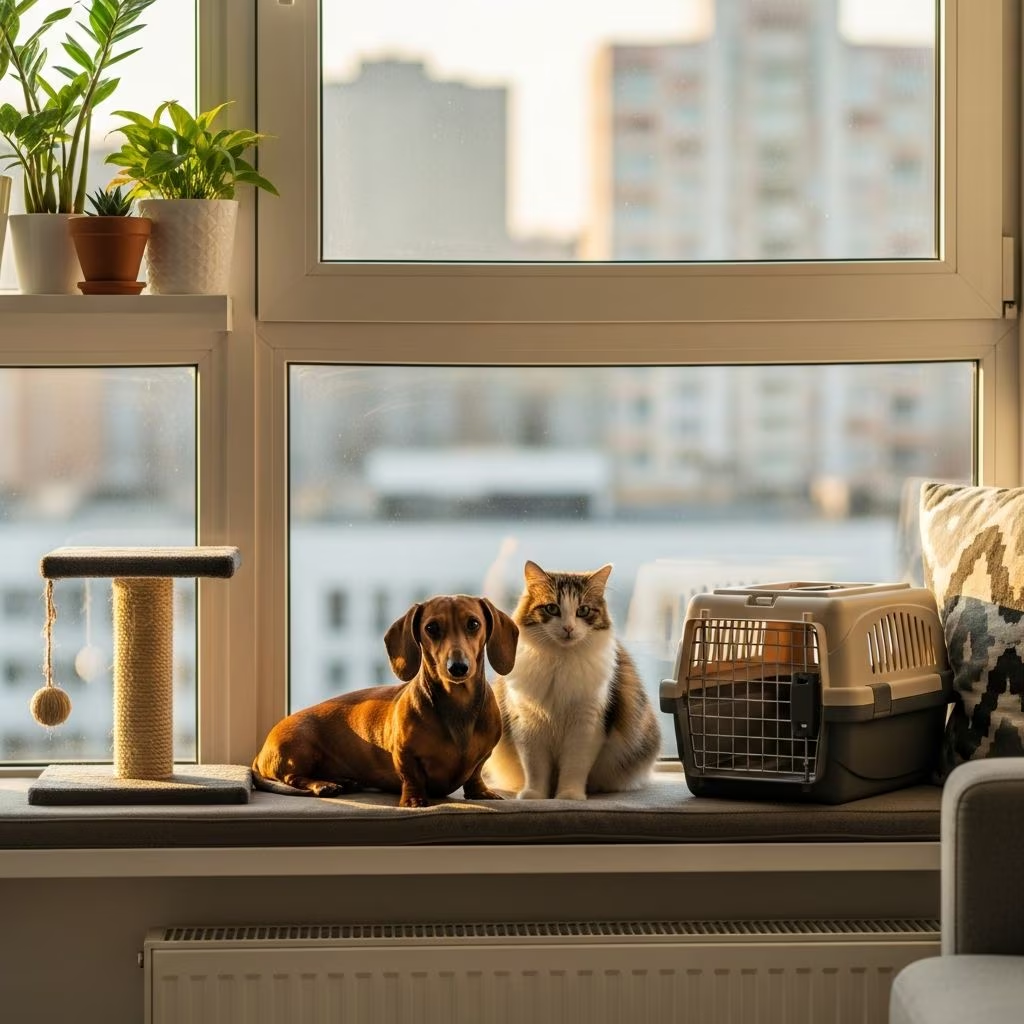
Living in an apartment doesn’t preclude pet ownership; with intentional planning, compact homes can become vibrant havens for cats, dogs, birds, and small mammals. This guide explores selecting suitable pets, designing efficient living areas, prioritizing health and safety, and fostering community harmony to ensure both you and your furry friend flourish in urban confines.
Selecting the Perfect Pet for Compact Living
Choosing a pet that aligns with apartment constraints is foundational. Consider factors like size, energy demands, noise levels, and maintenance needs to avoid mismatches that lead to stress for everyone involved.
- Low-Energy Dogs: Breeds such as Bulldogs, Shih Tzus, or Cavalier King Charles Spaniels adapt well, requiring moderate walks rather than vast running areas.
- Cats: Independent by nature, they thrive indoors with vertical exploration opportunities and minimal outdoor needs.
- Small Mammals: Rabbits, guinea pigs, or hamsters offer companionship with cage-based living that fits neatly into corners.
- Birds and Fish: Parakeets or aquariums provide visual engagement without floor space demands, though they need daily interaction.
Assess your daily schedule: full-time workers might favor cats or fish over high-maintenance puppies. Always prioritize rescues or shelters for temperament-tested animals suited to indoor life.
Optimizing Your Space for Pet Comfort
Apartments demand creative spatial use. Transform limited square footage into a pet paradise by leveraging height, multi-use items, and dedicated zones.
Vertical Innovations
Exploit walls and ceilings: install modular shelving for cats to climb, hammocks for birds, or stackable cages for rodents. This preserves floor area while satisfying climbing instincts essential for feline mental health.
Dedicated Retreat Areas
Carve out a ‘pet nook’ with a comfy bed, water station, and toys. For dogs, under-stair crates or balcony-adjacent spots work; cats prefer elevated perches near windows for people-watching. Rotate toys to sustain interest and prevent boredom-induced mischief.
| Pet Type | Ideal Space Solution | Benefits |
|---|---|---|
| Cats | Wall-mounted trees, window seats | Enriches hunting instincts, reduces stress |
| Dogs (small) | Crate with dividers, foldable ramps | Provides security, easy cleanup |
| Small mammals | Multi-level enclosures | Allows natural foraging behaviors |
| Birds | Suspended cages with play gyms | Promotes flight simulation safely |
Multi-functional furniture like ottomans hiding leashes or beds with storage underneath streamlines organization.
Exercise and Enrichment Strategies
Confined spaces amplify the need for structured activity. Balance physical exertion with brain games to curb destructive behaviors like chewing or excessive vocalization.
- Daily Walks: Aim for 20-60 minutes based on breed; use nearby parks or treadmill sessions for rainy days.
- Indoor Games: Puzzle feeders, flirt poles for cats, or hide-and-seek with treats engage minds.
- Training Sessions: Short, 5-10 minute obedience drills build bonds and manners.
For indoor-only cats, laser pointers or leash walks expand horizons. Birds benefit from foraging toys stuffed with seeds.
Safety Measures in Multi-Story Homes
Apartment hazards abound: balconies, cords, and toxins. Proactive pet-proofing prevents tragedies.
- Secure screens and railings to thwart falls—cats are notorious escape artists.
- Anchor furniture against toppling; hide wires with covers.
- Relocate toxic plants, cleaners, and chocolates to high shelves.
Opt for ground-floor units if possible for easy potty access, or invest in pee pads for upper levels. Microchipping and ID tags are non-negotiable.
Health and Grooming Routines
Close quarters heighten illness transmission risks. Routine care keeps pets robust.
Schedule bi-annual vet checkups, vaccinations, and parasite preventives. Brush weekly to control shedding—vacuum robots aid maintenance. Litter boxes demand daily scooping with odor-neutralizing fillers; rotate locations subtly to maintain cleanliness.
Navigating Building Policies and Neighbor Relations
Review lease terms upfront: pet limits, fees, or breed bans vary. Secure approvals and deposits early.
Cultivate goodwill: swift waste pickup in shared areas, noise-muffling mats under beds, and prompt complaint responses. White noise machines mask barks during absences.
Daily Schedules for Harmony
Consistency breeds calm. Sample routine:
| Time | Dog Activity | Cat Activity |
|---|---|---|
| 7 AM | Morning walk | Breakfast, play |
| 12 PM | Toy rotation | Window perch |
| 6 PM | Evening stroll/training | Interactive feeder |
| 10 PM | Quiet crate time | Litter refresh |
Adapt for work hours with timed feeders or pet cams.
Frequently Asked Questions
Can large dogs live happily in apartments?
Yes, with ample exercise like two long walks daily and mental puzzles, breeds like Labradors can adapt if energy is managed.
How to reduce pet odors in small spaces?
Use enzyme cleaners, vented litter systems, and air purifiers; bathe pets monthly.
Are fish or reptiles good starter apartment pets?
Absolutely—low-maintenance, quiet, and space-efficient, though aquariums need stable setups.
What if my pet barks when alone?
Implement desensitization with recordings, crate training, and daycare options.
Do apartments require pet rent?
Often yes, $25-50 monthly, plus deposits; negotiate based on pet behavior.
Long-Term Success Tips
Monitor for stress signals like appetite loss or aggression, adjusting as needed. Invest in pet insurance for unexpected vet bills. Over time, these habits forge a resilient bond, proving apartments can be ideal pet homes.
References
- Apartment Living with Pets: Smart Tips for Small Space Harmony — Caring Hands Animal Hospital. 2023-05-15. https://caringhandsvet.com/apartment-living-with-pets/
- Pet Tips for Apartment Living — Live with Champion. 2024-02-10. https://livewithchampion.com/pet-tips-for-apartment-living/
- Pets in apartments: how to keep everyone happy — 24PetWatch. 2023-11-20. https://www.24petwatch.com/blog/pets-in-apartments
- A Pet Owner’s Guide to Apartment Living — Pacific Edge Properties Ltd. 2024-01-08. https://www.pacificedgeproperties.ca/blogs/a-pet-owners-guide-to-apartment-living
- How to Create a Pet-Friendly Space in Small Apartments — DuPont Vet. 2023-08-12. https://www.dupontvet.com/blog/how-to-create-a-pet-friendly-space-in-small-apartments/
- Apartment Living With a Dog: What To Know and How To Do It — Rover. 2024-03-05. https://www.rover.com/blog/help-dog-adjust-apartment-living/



