

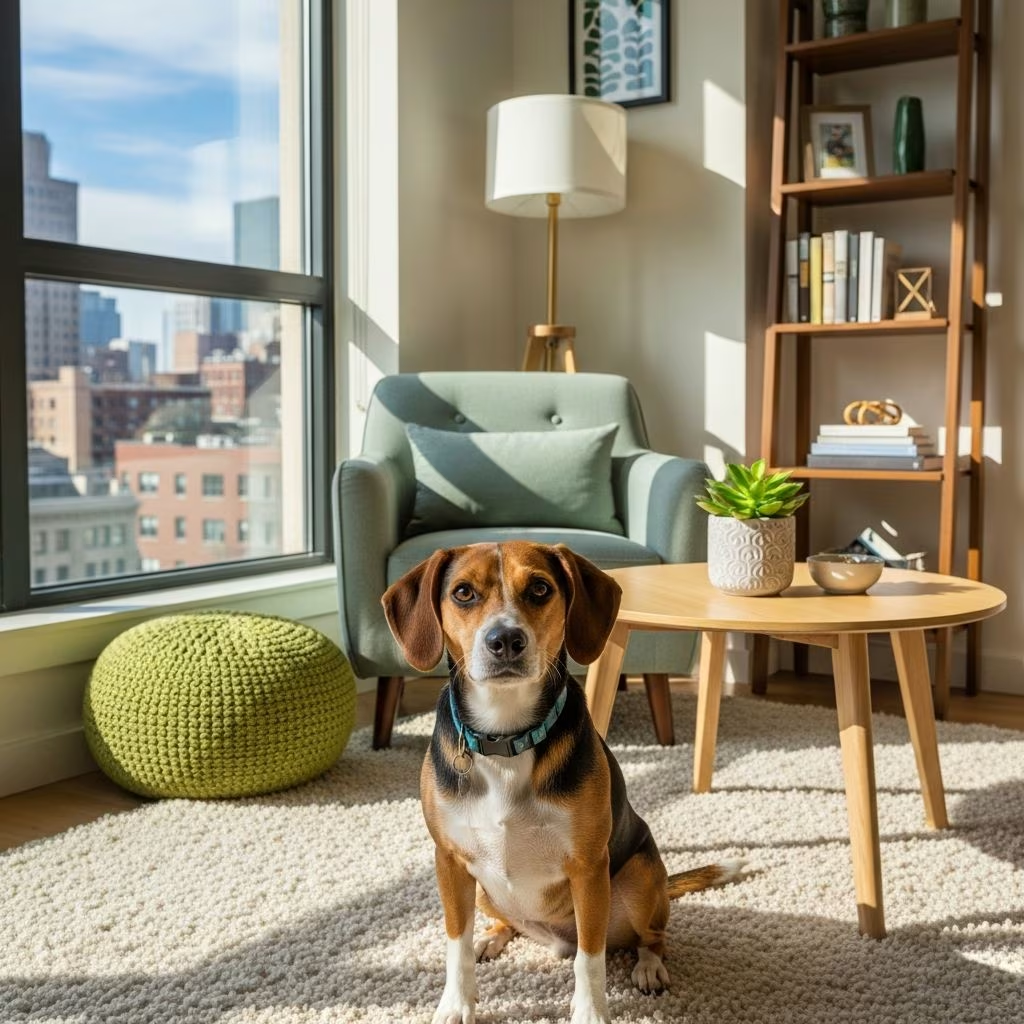
Urban living doesn’t mean sacrificing the companionship of a dog. With thoughtful planning, even compact apartments can become ideal homes for canine friends. This guide explores proven methods to ensure your dog remains active, well-behaved, and content in limited quarters.
Selecting the Perfect Breed for Compact Living
Choosing a dog suited to apartment life starts with understanding breed traits. Low-energy breeds like Bulldogs or Shih Tzus adapt well to smaller spaces, requiring less vigorous exercise than high-energy types such as Border Collies. Consider size too—smaller dogs under 25 pounds often fit better, navigating tight hallways and elevators with ease.
- Quiet Temperaments: Breeds like French Bulldogs rarely bark excessively, preserving neighborly peace.
- Adaptable Sizes: Cavalier King Charles Spaniels offer affection without demanding vast areas.
- Low Shedding: Options like Bichon Frises minimize cleanup in confined homes.
Assess your lifestyle: sedentary routines pair best with calm companions, while active schedules suit moderately playful ones. Always prioritize rescues or reputable breeders who screen for health issues common in urban settings, such as respiratory problems in flat-faced breeds.
Navigating Pet Policies in Rental Properties
Before adopting, scrutinize lease terms. Many complexes cap pets at two per unit, impose weight limits around 50 pounds, and charge deposits equaling one month’s rent or monthly fees of $25–$75. Seek buildings with dog parks, wash stations, and trails to simplify care.
| Common Pet Restriction | Typical Limit | Tips to Comply |
|---|---|---|
| Number of Pets | 1–2 per apartment | Declare all upfront to avoid fines. |
| Weight Cap | 25–50 lbs | Choose breeds within limits. |
| Pet Fees | $50–$100/month | Budget accordingly; negotiate refunds for good behavior. |
| Breed Bans | Pit Bulls, Rottweilers | Verify with management; provide vet records. |
Proactive communication with landlords builds trust. Offer references from prior rentals and commit to noise control, fostering long-term approval.
Optimizing Your Space for Canine Comfort
Apartment floors demand creative organization. Designate a ‘dog zone’ with a comfy bed, bowls, and toys in a low-traffic corner. Use vertical storage for supplies—wall-mounted shelves hold leashes and treats without crowding walkways.
- Multi-Functional Gear: Beds under elevated furniture maximize floor space.
- Barriers: Baby gates confine pups from sensitive areas like kitchens during mealtimes.
- Calming Corners: Crates draped with blankets provide secure retreats amid urban buzz.
For multi-pet homes, separate zones prevent squabbles. Regular vacuuming with pet-hair tools keeps fur at bay, essential in echoey spaces where dust lingers.
Exercise Routines Tailored to Urban Constraints
Dogs need 30–60 minutes daily activity, achievable through structured walks and indoor games. Morning and evening strolls to nearby parks burn energy; midday walkers bridge work gaps for extended absences.
Incorporate variety:
- Trail Exploration: Local paths offer sniffing adventures beyond concrete.
- Dog Parks: Off-leash romps fulfill social and physical needs.
- Indoor Alternatives: Treadmill sessions or hallway fetch for rainy days.
High-rises benefit from elevator etiquette training—treats during rides reduce anxiety.
Mental Enrichment to Combat Boredom
Physical outlets alone aren’t enough; puzzles prevent destructive chewing. Food-dispensing toys like Kongs filled with frozen kibble extend meals into 20-minute challenges. Snuffle mats mimic foraging, engaging noses in scent work.
DIY games include hiding treats under cups or towels, encouraging problem-solving. Rotate toys weekly to maintain novelty, vital in unchanging environments.
Mastering Potty Training in Multi-Unit Buildings
Frequent outings are key—every 4–6 hours for puppies, less for adults. Establish a routine: post-meal walks signal reliability. For busy schedules, apps connect with walkers for noon breaks.
- Potty Pads: Emergency backups near doors, phased out gradually.
- Quiet Spots: Building perimeters or grassy medians avoid neighbor traffic.
- Cleanup Kits: Always carry bags and sanitizer for shared lawns.
Consistency yields housebroken dogs in weeks, minimizing accidents that strain deposits.
Minimizing Noise and Building Positive Associations
Apartment acoustics amplify barks, so desensitization is crucial. Play white noise or classical music to mask elevators and traffic. Pair doorbells with treats, transforming triggers into positives.
For reactive dogs fearing strangers, gradual exposure works: short hallway ventures with high-value rewards. Professional trainers map building-specific protocols, like stairwell drills.
Fostering Social Skills in Close Quarters
Playdates and group walks build confidence. Doggy daycares offer supervised play when travel demands it. Monitor body language to prevent scuffles in elevators.
Health Maintenance in Confined Settings
Annual vet checks catch issues early; urban pollution warrants frequent baths. Balanced diets prevent obesity from reduced movement—measure portions precisely.
Vaccinations guard against park pathogens; flea preventives combat close-contact infestations.
Daily Schedules for Seamless Coexistence
Structured days prevent chaos:
| Time | Activity |
|---|---|
| 6 AM | Potty walk + breakfast puzzle |
| 8 AM | Mental game before work |
| 12 PM | Walker outing |
| 6 PM | Park exercise + dinner |
| 9 PM | Quiet wind-down |
Frequently Asked Questions
Can any dog live happily in an apartment?
Most can with proper care, but low-energy breeds excel. Assess exercise needs against your routine.
What if my building charges high pet fees?
Negotiate based on your pet’s impeccable record; explore no-fee alternatives with amenities.
How do I handle a barking dog at night?
Use calming aids like Adaptil diffusers and ensure daytime depletion of energy.
Are indoor potty systems viable long-term?
Best for emergencies; full outdoor training promotes health and lease compliance.
What toys best suit small spaces?
Compact puzzles, flirt poles, and destructible-free chew options like Benebones.
References
- Apartment Living With a Dog: What To Know and How To Do It — Rover.com. 2023-05-15. https://www.rover.com/blog/help-dog-adjust-apartment-living/
- Training Your Puppy for Apartment Living — HILLS Properties. 2024-02-10. https://www.hillsproperties.com/blog/a-guide-to-training-your-puppy-for-apartment-living/
- Apartment Living with Dogs: A Guide to Happy and Safe Coexistence — Porch Potty. 2023-11-20. https://www.porchpotty.com.au/blogs/news/apartment-living-with-dogs-a-guide-to-happy-and-safe-coexistence
- The Ultimate Guide to Pet-Friendly Apartment Living — The Rosie. 2024-01-08. https://livetherosie.com/p/pet-friendly-apartment-complexes/
- Apartment Living with Pets: Smart Tips for Small Space Harmony — Caring Hands Vet. 2023-09-12. https://caringhandsvet.com/apartment-living-with-pets/



