

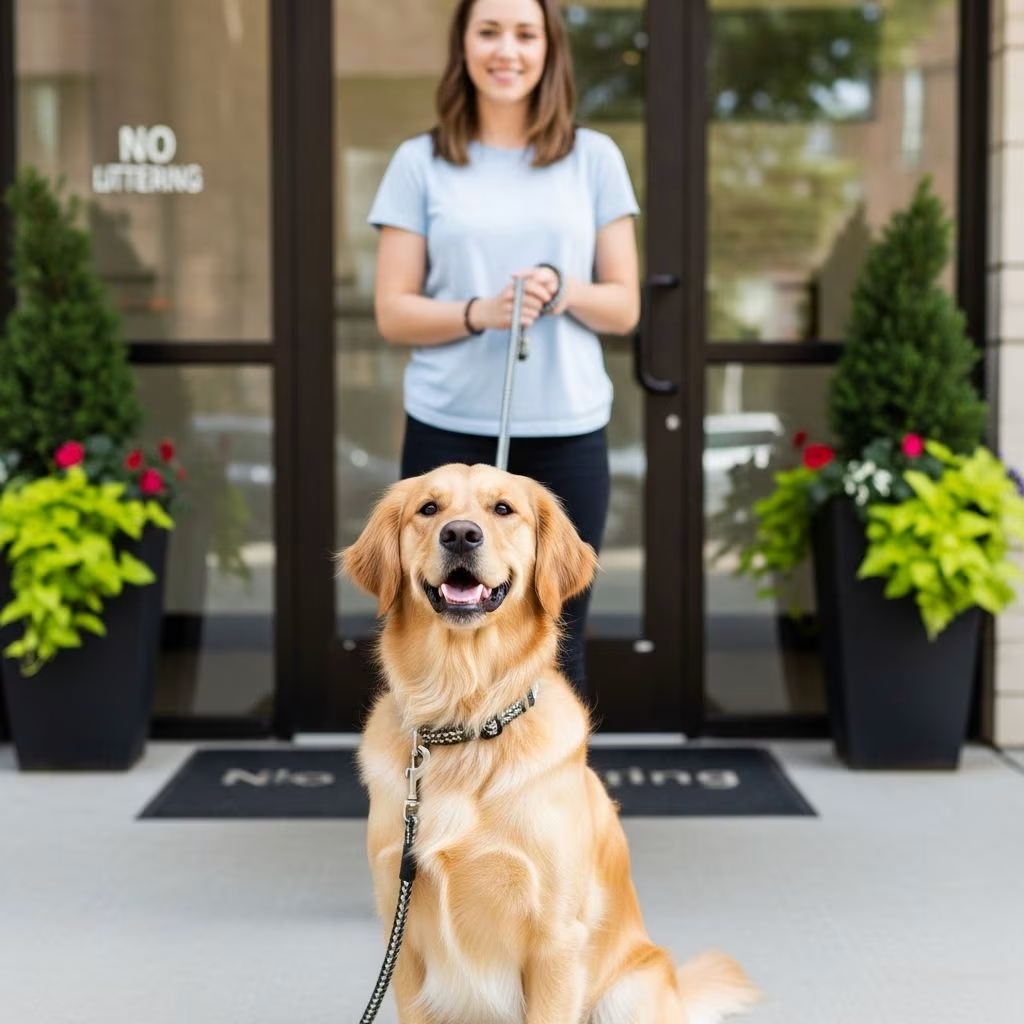
Living in an apartment with a dog can be rewarding, but it requires mindful etiquette to maintain harmony with neighbors. Expert dog trainer Robert Haussmann, co-founder of Dogboy NYC, shares seven essential tips to ensure your pup is a welcome presence in shared spaces. These strategies focus on leashing, cautious interactions, noise reduction, and positive associations, helping pet parents foster a friendly community environment.
Always Have Your Dog Leashed
In apartment buildings, keeping your dog on a leash at all times in common areas is non-negotiable. This includes the lobby, elevators, stairs, and hallways leading to your door. Many owners socialize their dogs well and assume everyone wants to interact, but not all dogs or people are comfortable with unsolicited greetings. Haussmann emphasizes that even friendly dogs can trigger fear or reactivity in others, potentially leading to unsafe situations.
Leashing prevents sudden lunges or play invitations that could scare residents or spark conflicts. For instance, a well-socialized dog might approach another playfully, but the other pet could be fearful, territorial, or untrained, resulting in bites or stress. Always prioritize safety by maintaining control, especially in confined spaces like elevators where escape is limited.
- Use a sturdy, short leash (4-6 feet) for better management in tight areas.
- Practice loose-leash walking to avoid pulling, which can unsettle passersby.
- Train a solid “heel” or “sit” command for high-traffic zones like lobbies.
Consistent leashing builds trust with neighbors, showing you’re a responsible owner committed to everyone’s comfort.
Approach Other Dogs with Caution (and Consent)
Never assume another dog in the building wants to play. Always seek explicit permission from the other owner before allowing interaction. Your dog may be sociable, but theirs might have behavioral issues, reactivity, or territorial instincts heightened by the building’s confines. Haussmann warns that even familiar park playmates can act differently on home turf.
A poor introduction risks injury, erodes your dog’s confidence, or damages neighbor relations. If both owners agree to meet, do so on neutral ground like a shared walk outside, reducing territorial triggers. In elevators or hallways, maintain distance—step back if needed to avoid close encounters.
For reactive dogs, extra space is crucial. Call the elevator early, position yourself at the back, and wait for others to exit first. This control prevents escalations and models courteous behavior.
- Ask politely: “Is your dog friendly? Mind if they say hi?”
- Observe body language: stiff tails, ears back, or growling signal no-go.
- If unsure, keep leashed and pass by calmly.
Invest in a Thick Rug
Dogs naturally run, zoom, and play, creating noise that travels through thin apartment floors. A thick area rug absorbs paw impacts, muffling the sound of nails clicking and bodies thumping for downstairs neighbors. Many buildings now recommend or require rugs for all residents to minimize disturbances.
Choose rugs with dense padding, like wool or high-pile synthetics, covering high-traffic play zones. This simple upgrade not only reduces noise complaints but also protects floors and adds style. Combine with nail trimming—keep dog’s nails short to further dull sounds.
Pro tip: Place rugs under beds or furniture where dogs lounge to dampen jumping noises. Regular vacuuming prevents dirt buildup, maintaining a clean, quiet space.
Ignore Attention-Seeking Barking
Barking for attention is common but disruptive in close quarters. Yelling or punishing often reinforces it, as dogs interpret human reactions as engagement. Instead, completely withdraw attention: leave the room or remove the dog to a quiet area.
Haussmann recommends “timeouts” only after ensuring the dog’s needs for exercise, mental stimulation, and enrichment are met. Avoid rewarding barking—don’t give treats, pets, or eye contact when it occurs, as this teaches persistence.
Build positive alternatives: Teach a “quiet” command paired with rewards during calm moments. Use puzzle toys or chews to redirect energy, preventing boredom-induced barking.
- Exercise daily: 30-60 minutes of walks/runs tires pups mentally and physically.
- Enrich environment: Rotate toys, use sniff mats for stimulation.
- Desensitize triggers: Play barking sounds at low volume, rewarding silence.
Help Them Enjoy Their Alone Time
Separation anxiety spikes barking when owners leave, fueled by fears of lost resources or abandonment—exacerbated post-pandemic. Counter this by associating departures with positivity. Use a special toy, like a Kong stuffed with peanut butter or a lick mat, given only at exit times.
Mentally stimulating toys keep dogs occupied, reducing panic. Start with short absences, gradually increasing duration while praising calm returns. Crate training aids if accustomed positively, providing a secure den.
For apartment life, routine helps: Consistent walk/feed/leave schedules build security. White noise machines or calming music mask hallway sounds, easing alone time.
- Favorite toys: Frozen Kongs last 20-30 minutes.
- Gradual training: 1-minute leaves to hours.
- Cam monitors: Check remotely, intervene if needed.
If All Else Fails — Apologize with Gifts!
Puppies and high-energy dogs will occasionally bark, zoom, or react to thunder—imperfect control is normal. When disturbances happen, own it gracefully. Haussmann suggests a handwritten note from your dog with a small gift like wine, cookies, or plant for affected neighbors.
This builds goodwill: “Sorry for the zoomies; we’re training!” shows accountability. Follow up with progress updates to strengthen bonds. In pet-friendly buildings, such gestures foster community support.
Additional Tips for Apartment Dog Success
Beyond basics, prioritize breeds suiting small spaces: low-energy like Greyhounds or Bulldogs over hyper terriers. Ensure 300+ sq ft effective space via routines.
Potty training is vital: Designate spots, supervise, reward success. Small spaces amplify accidents, so consistency prevents odors.
| Challenge | Solution | Benefits |
|---|---|---|
| Noise from play | Thick rugs, nail trims | Muffles sounds, protects floors |
| Barking | Ignore, enrich | Reduces attention-seeking |
| Alone time | Special toys, routines | Lowers anxiety |
| Interactions | Leash, consent | Prevents conflicts |
Frequently Asked Questions (FAQs)
What if my dog barks at night?
Check needs (potty, thirst), then ignore. Use white noise and a night routine. Consult a trainer for persistent issues.
Best toys for alone time?
Kongs, lick mats, puzzle feeders—stuff with safe treats for 30+ minutes distraction.
How to handle reactive elevators?
Step back, wait for next one if crowded. Train “place” on mat outside.
Are rugs required?
Often encouraged; check lease. They help all residents.
What breeds fit apartments best?
Quiet, low-energy: Frenchies, Bassets. Match lifestyle.
(Word count: 1678)
References
- Won’t You Be My (Dog’s) Neighbor? – Apartment Building Dog Etiquette — Kinship. 2023. https://www.kinship.com/dog-behavior/apartment-building-dog-etiquette
- How Much Space Does a Dog Need to Be Happy? — Adopt a Pet. 2024. https://www.adoptapet.com/blog/behavior-training/how-much-space-does-a-dog-need
- Downsize It: How to Live in Small Spaces With Pets — Kinship. 2023. https://www.kinship.com/pet-lifestyle/henry-friedman-small-space-living-pets
- Neighborly Dog Ownership Etiquette — Katie’s Pet Depot. 2024. https://katiespetdepotnewjersey.com/blog/neighborly-dog-ownership-etiquette/



